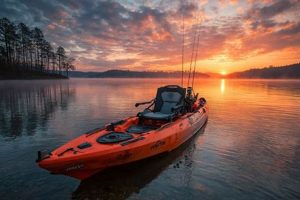
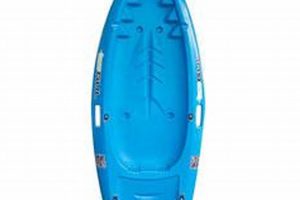
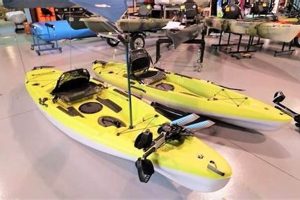
The sport of angling from a small, human-powered watercraft offers a unique and intimate way to experience the diverse aquatic environments of the Pelican State. From the brackish marshes and bayous teeming with redfish and speckled trout to the cypress-lined swamps hiding largemouth bass, this activity provides access to otherwise unreachable fishing grounds. Imagine silently gliding through shallow waters, casting lines into prime fishing spots, and experiencing the tranquility of nature up close. This immersive pursuit connects anglers directly with the natural beauty and bounty of the state’s waterways.
This method of fishing contributes significantly to the state’s recreational fishing economy and promotes conservation efforts. Its low environmental impact allows for sustainable enjoyment of the natural resources, preserving them for future generations. Historically, small boats have been utilized for fishing in the region, evolving from traditional pirogues and canoes to modern kayaks outfitted with specialized fishing gear. This progression reflects a longstanding connection between the people of Louisiana and their waterways, a tradition that continues to thrive.
This exploration will delve deeper into the specific techniques, equipment, and prime locations for this rewarding pastime. Discussions will cover topics such as selecting appropriate kayaks and paddles, essential fishing gear, navigating the waterways, and understanding local fishing regulations. Further insights will be provided into the various fish species commonly targeted, along with effective strategies for a successful and enjoyable experience.
Tips for Kayak Fishing in Louisiana
Successful angling from a kayak in Louisiana requires careful planning and execution. The following tips offer valuable insights for a safe and productive experience.
Tip 1: Prioritize Safety Equipment. A personal flotation device (PFD) is essential and should be worn at all times. A whistle, signaling device, and first-aid kit should also be readily accessible.
Tip 2: Choose the Right Kayak. Select a kayak designed for stability and fishing, considering factors like length, width, and weight capacity. Sit-on-top kayaks are generally preferred for their ease of entry and exit.
Tip 3: Plan the Trip Carefully. Research the intended fishing location, including water conditions, tides, and weather forecasts. Inform someone of the trip plan and estimated return time.
Tip 4: Understand Local Regulations. Obtain the necessary fishing licenses and familiarize oneself with catch limits and size restrictions for targeted species. Respect wildlife and sensitive habitats.
Tip 5: Pack Essential Gear. Carry appropriate rods, reels, lines, lures, and tackle suited to the target species. A dry bag or waterproof container is crucial for protecting electronics and personal belongings.
Tip 6: Practice Paddle Strokes. Efficient paddling techniques conserve energy and facilitate maneuverability. Mastering basic strokes like the forward stroke, reverse stroke, and sweep stroke enhances control and navigation.
Tip 7: Employ Effective Fishing Techniques. Adapt fishing methods to the specific environment and targeted species. Techniques like sight fishing, casting, and trolling can be employed with success.
Tip 8: Respect the Environment. Practice catch-and-release whenever possible to preserve fish populations. Properly dispose of fishing line and other waste materials to minimize environmental impact.
By adhering to these guidelines, anglers can maximize their chances of a rewarding and safe experience on Louisiana’s waters. Careful preparation and responsible practices contribute to both personal enjoyment and the long-term health of the ecosystem.
These tips offer a solid foundation for exploring the unique opportunities offered by kayak fishing in Louisiana. The following section will provide further details on selecting optimal fishing locations.
1. Diverse Waterways

Louisiana’s intricate network of waterways offers a unique and varied landscape for kayak angling. From saltwater marshes and estuaries to freshwater bayous, rivers, and lakes, the state provides diverse habitats supporting a rich array of fish species. Understanding these diverse environments is crucial for maximizing fishing success and appreciating the ecological richness of the region.
- Saltwater Marshes and Estuaries
The brackish waters of Louisiana’s coastal marshes and estuaries are prime habitat for redfish, speckled trout, and flounder. These shallow, grass-filled areas provide ideal ambush points for predatory fish. Kayaks offer exceptional access to these often shallow and inaccessible areas, allowing anglers to silently approach prime fishing spots. Tidal fluctuations play a significant role in fish behavior and movement within these environments.
- Freshwater Bayous and Swamps
The blackwater bayous and cypress swamps of Louisiana offer a unique and challenging fishing experience. Largemouth bass, crappie, and various sunfish species inhabit these often-overlooked waters. Navigating through narrow channels and overhanging vegetation requires skilled kayak handling. The stillness and tranquility of these environments provide an immersive connection with nature.
- Rivers and Lakes
Louisiana’s rivers and lakes present another dimension to kayak fishing. From the Mississippi River to smaller inland lakes, these bodies of water offer opportunities to target catfish, striped bass, and other freshwater species. Current, depth, and water clarity influence fish behavior and dictate appropriate fishing techniques. Kayaks allow anglers to explore diverse sections of these larger waterways, accessing areas inaccessible from shore.
- Navigational Considerations
Navigating Louisiana’s diverse waterways requires careful planning and attention to detail. Understanding water levels, currents, tides, and potential hazards is crucial for a safe and successful trip. Utilizing navigational aids such as maps, charts, and GPS devices ensures efficient travel and helps anglers locate productive fishing areas. Awareness of weather conditions and potential changes is paramount for safety.
The diverse waterways of Louisiana offer exceptional kayak fishing opportunities. By understanding the characteristics of each environment and adapting fishing techniques accordingly, anglers can experience the full spectrum of this rewarding pastime. From the thrill of battling a redfish in the marsh to the tranquility of casting for bass in a secluded swamp, the diverse waters of the Pelican State provide unforgettable experiences for kayak anglers of all skill levels.
2. Abundant Fish Species

The rich biodiversity of Louisiana’s waters directly contributes to the popularity and success of kayak fishing within the state. The abundance and variety of fish species provide ample opportunities for anglers of all skill levels, targeting both popular game fish and lesser-known species. This diversity creates a dynamic and engaging fishing experience, attracting anglers seeking specific challenges or simply a chance to connect with nature’s bounty.
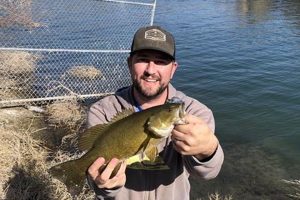
Specific examples highlight this connection. The brackish marshes teem with redfish, speckled trout, and flounder, prized targets for their fighting spirit and culinary appeal. Freshwater bayous and swamps harbor largemouth bass, crappie, and various sunfish species, offering diverse angling experiences. Rivers and lakes provide opportunities to pursue catfish, striped bass, and other species, further expanding the range of potential targets. This abundance not only provides consistent action but also allows anglers to specialize in specific techniques and target particular species based on preference and seasonality.
Understanding the distribution and behavior of these abundant fish species is crucial for successful kayak angling. Factors like water temperature, salinity, and habitat preferences influence fish location and feeding patterns. Knowledge of these factors enables anglers to select appropriate gear, bait, and fishing techniques, maximizing their chances of success. This understanding deepens the connection between angler and environment, promoting responsible fishing practices and a greater appreciation for the ecological balance supporting these diverse populations. The continued abundance of these species is essential for the sustainability of kayak fishing as a recreational activity and economic driver within the state.
3. Specialized Equipment
The unique environment and targeted species in Louisiana necessitate specialized equipment for successful kayak fishing. This equipment enhances angler safety, improves fishing effectiveness, and contributes to a more enjoyable experience. The selection and utilization of appropriate gear are directly linked to the specific conditions and challenges presented by the diverse waterways of the state.
Several examples illustrate this connection. Shallow-water fishing in marshes and bayous requires kayaks designed for stability and maneuverability. These kayaks often feature shallow drafts and stable hulls, allowing anglers to navigate tight spaces and access shallow areas where fish congregate. Fishing in deeper waters or stronger currents may necessitate longer, more stable kayaks designed for tracking and speed. Rods, reels, and lines are also selected based on target species and fishing techniques. Lightweight rods and reels paired with braided fishing line are often preferred for casting in tight quarters, while heavier tackle may be necessary for larger species or offshore fishing. Furthermore, specialized accessories like anchor trolleys, rod holders, and fish finders enhance efficiency and organization on the kayak, allowing anglers to focus on fishing.
Understanding the practical significance of specialized equipment is essential for maximizing success and safety while kayak fishing in Louisiana. Choosing the right kayak ensures stability and maneuverability in varied water conditions, while selecting appropriate rods, reels, and lines optimizes fishing techniques for targeted species. Safety equipment like personal flotation devices (PFDs), whistles, and signaling devices are paramount for angler safety. Furthermore, proper storage and organization of equipment contribute to a more efficient and enjoyable experience. By carefully considering and selecting specialized equipment, anglers are better prepared to meet the challenges and opportunities presented by Louisiana’s unique fishing environment.
4. Safety Precautions

Safety precautions are paramount in Louisiana kayak fishing due to the inherent risks associated with the sport and the specific challenges presented by the state’s diverse waterways. These precautions directly impact angler well-being and contribute significantly to a positive and incident-free experience. Neglecting safety protocols can lead to serious consequences, ranging from minor injuries to life-threatening situations. Therefore, a comprehensive understanding and diligent application of safety measures are crucial for all kayak anglers in Louisiana.
Several factors underscore the importance of safety precautions. Navigating Louisiana’s waterways often involves traversing shallow, secluded areas with potential hazards such as submerged obstacles, changing tides, and unpredictable weather patterns. Sudden storms, strong currents, and encounters with wildlife can pose significant risks. Furthermore, the remote nature of many fishing locations can complicate rescue efforts in case of emergencies. Real-life examples illustrate these dangers. Kayakers have been capsized by unexpected waves or strong currents, requiring swift self-rescue or assistance from others. Encounters with alligators or other wildlife, while rare, underscore the need for vigilance and preparedness. Mechanical failures, such as equipment malfunction or kayak damage, can also create hazardous situations. Therefore, proactive safety measures mitigate these risks and increase the likelihood of a safe and enjoyable fishing trip.
Practical application of safety precautions involves several key steps. Wearing a personal flotation device (PFD) is non-negotiable and should be considered mandatory for all kayak anglers. Carrying a communication device, such as a waterproof cell phone or VHF radio, enables contact in case of emergencies. Informing someone of the planned fishing location and estimated return time provides an additional layer of security. Checking weather forecasts before embarking on a trip and being prepared for changing conditions are crucial. Carrying a first-aid kit and knowing basic first-aid procedures can be invaluable in case of minor injuries. Regularly inspecting kayak equipment and ensuring its proper functioning minimizes the risk of mechanical failures. Finally, understanding and adhering to local boating regulations contributes to overall safety on the water. By consistently implementing these safety precautions, kayak anglers can significantly reduce risks and contribute to a safe and enjoyable fishing experience in Louisiana’s diverse waterways.
5. Local Regulations
Adherence to local regulations is integral to responsible and sustainable kayak fishing in Louisiana. These regulations, established by the Louisiana Department of Wildlife and Fisheries (LDWF), govern aspects such as licensing requirements, catch limits, size restrictions, and permitted fishing areas. These rules aim to conserve fish populations, protect sensitive habitats, and ensure fair and equitable access to resources for all anglers. Ignoring these regulations can lead to penalties, fines, and contribute to the degradation of the state’s valuable aquatic ecosystems.
The impact of local regulations on the overall health of the fishery is significant. For example, catch limits for species like redfish and speckled trout help maintain sustainable populations, preventing overfishing and ensuring future generations can enjoy these resources. Size restrictions allow younger fish to mature and reproduce, contributing to the long-term viability of the population. Regulations designating specific areas as sanctuaries or protected zones help safeguard critical habitats and spawning grounds, preserving biodiversity. Real-life examples illustrate the effectiveness of these measures. The recovery of redfish populations in Louisiana following periods of decline is attributed, in part, to effective regulations and conservation efforts. Conversely, ignoring regulations can have detrimental consequences, as seen in areas where overfishing has depleted fish stocks and damaged ecosystems.
Practical application of this understanding involves obtaining the necessary fishing licenses, familiarizing oneself with specific regulations for targeted species and fishing locations, and adhering to established rules. Anglers can access detailed information on licensing requirements, catch limits, size restrictions, and permitted fishing areas through the LDWF website and other official resources. Understanding these regulations is not merely a legal obligation but also a demonstration of respect for the environment and a commitment to the long-term sustainability of Louisiana’s valuable fisheries. By actively complying with local regulations, kayak anglers contribute to the preservation of the state’s aquatic resources for present and future generations. This responsible approach ensures the continued enjoyment of kayak fishing in Louisiana while safeguarding the delicate balance of its unique ecosystems.
6. Environmental Awareness
Environmental awareness is intrinsically linked to the sustainability and enjoyment of kayak fishing in Louisiana. The delicate balance of the state’s coastal ecosystems requires responsible practices from anglers to minimize their impact and preserve the natural beauty and biodiversity of these areas. Understanding the environmental implications of kayak fishing promotes conservation efforts and ensures the long-term health of these valuable resources.
- Minimizing Disturbance to Wildlife
Kayaks offer a stealthy approach to fishing, allowing anglers to access shallow areas without disturbing wildlife. However, it’s crucial to maintain a respectful distance from nesting birds, resting alligators, and other animals. Disturbing these creatures can cause stress, disrupt breeding patterns, and displace them from their natural habitats. Real-life examples include disturbing nesting wading birds causing them to abandon their nests, exposing eggs or chicks to predators. Quiet paddling and avoiding sudden movements near wildlife contribute to a more harmonious coexistence.
- Proper Waste Disposal
Discarded fishing line, hooks, and other debris pose significant threats to aquatic life and water quality. Fishing line can entangle birds, turtles, and fish, leading to injury or death. Ingested plastic debris can harm marine animals and introduce toxins into the food chain. Responsible anglers carry a dedicated trash bag on their kayak and dispose of all waste properly upon returning to shore. This practice helps maintain the cleanliness and health of the ecosystem and prevents harm to wildlife. Examples include organized cleanup events where volunteers remove discarded fishing gear from shorelines and waterways, demonstrating the tangible impact of proper waste disposal.
- Respecting Sensitive Habitats
Louisiana’s coastal marshes and estuaries are fragile ecosystems vulnerable to human impact. Avoiding paddling through shallow seagrass beds or disturbing sensitive vegetation helps protect these vital habitats. Seagrass beds provide shelter and food for numerous marine species and play a crucial role in maintaining water quality. Disturbing these areas can damage the vegetation and disrupt the delicate balance of the ecosystem. Real-life examples include propeller scars from motorboats damaging seagrass beds, highlighting the importance of non-motorized access provided by kayaks. Staying within designated paddling trails and avoiding sensitive areas minimizes disturbance and contributes to habitat preservation.
- Promoting Conservation Efforts
Engaging in citizen science initiatives, supporting conservation organizations, and advocating for responsible fishing practices contribute to the long-term health of Louisiana’s fisheries. Participating in water quality monitoring programs, reporting pollution incidents, and supporting organizations dedicated to coastal restoration demonstrate active environmental stewardship. These actions contribute to a broader understanding of environmental challenges and empower individuals to make a positive impact. Examples include angler participation in fish tagging programs providing valuable data for fisheries management, illustrating the collaborative role anglers can play in conservation.
By embracing environmental awareness, kayak anglers contribute to the preservation of Louisiana’s unique coastal ecosystems. Responsible practices, from minimizing disturbance to wildlife to actively participating in conservation efforts, ensure the long-term health and enjoyment of these valuable resources for future generations. This commitment to sustainability reinforces the connection between anglers and the environment, fostering a deeper appreciation for the natural beauty and biodiversity that make Louisiana kayak fishing such a rewarding experience.
7. Kayak Selection
Appropriate kayak selection is fundamental to a successful and enjoyable Louisiana kayak fishing experience. The diverse waterways and varied fishing conditions across the state necessitate careful consideration of kayak features to ensure stability, maneuverability, and compatibility with specific fishing styles. Choosing the right kayak directly impacts angler safety, fishing effectiveness, and overall enjoyment on the water. A well-suited kayak enhances access to prime fishing locations, facilitates efficient navigation, and provides a stable platform for casting and landing fish.
- Hull Design and Stability
Hull design significantly influences kayak stability and performance in different water conditions. Flat-bottomed hulls offer excellent stability in calm waters, making them suitable for fishing in marshes, ponds, and slow-moving rivers. However, they tend to be less maneuverable and can be challenging to control in windy conditions or rough waters. V-shaped hulls provide better tracking and cut through waves more efficiently, making them suitable for open water or larger lakes. However, they offer less initial stability than flat-bottomed hulls. Pontoon hulls provide exceptional stability, even in choppy waters, making them suitable for anglers prioritizing stability over maneuverability. Real-life examples include anglers using sit-on-top kayaks with wide, flat bottoms for enhanced stability in shallow marshes while fishing for redfish. Conversely, anglers targeting larger species in open lakes or coastal areas may prefer sit-in kayaks with V-shaped hulls for improved tracking and performance in rougher conditions. The choice of hull design directly influences kayak performance and angler comfort, impacting the overall fishing experience.
- Length and Width
Kayak length and width influence maneuverability, speed, and carrying capacity. Shorter kayaks are generally more maneuverable, making them suitable for navigating tight spaces and shallow waters, such as navigating narrow bayous or maneuvering through dense vegetation. Longer kayaks track better and maintain speed more efficiently, making them better suited for open water or covering longer distances. Wider kayaks provide greater stability but sacrifice maneuverability, while narrower kayaks offer enhanced maneuverability at the expense of stability. For example, a shorter, wider kayak might be ideal for fishing in protected marshes and bayous, while a longer, narrower kayak might be preferred for paddling across larger lakes or coastal areas. The choice of length and width depends on the intended fishing environment and the angler’s priorities regarding stability, maneuverability, and speed.
- Propulsion Systems
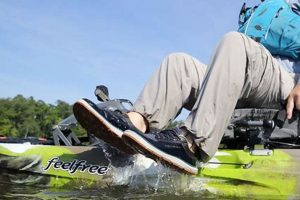
Traditional paddle kayaks offer a quiet and efficient means of propulsion, allowing anglers to approach fish stealthily. Pedal-driven kayaks offer hands-free operation, freeing up the angler to focus on fishing. Motorized kayaks provide greater speed and range, allowing anglers to cover larger distances and access remote fishing spots. Each propulsion system presents advantages and disadvantages depending on the specific fishing environment and angler preferences. Real-life examples include anglers using paddle kayaks in shallow marshes for a quiet and immersive experience, while anglers fishing larger lakes or coastal areas might prefer pedal-driven or motorized kayaks to cover greater distances. The selection of a propulsion system depends on factors such as fishing style, physical capabilities, and the characteristics of the intended fishing locations.
- Features and Accessories
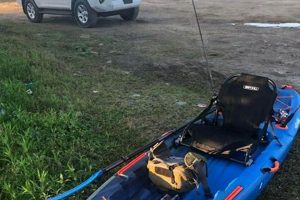
Kayak features and accessories enhance angler comfort, convenience, and fishing effectiveness. Features like rod holders, tackle storage compartments, anchor trolleys, and comfortable seating improve organization and efficiency on the water. Accessories such as fish finders, GPS units, and mounting systems for cameras and other electronics further enhance the fishing experience. Real-life examples include anglers utilizing rod holders to keep rods secure while paddling or changing lures, and using anchor trolleys to maintain position in current or wind. Fish finders provide valuable information about water depth, bottom structure, and fish location, while GPS units assist with navigation and marking productive fishing spots. Selecting kayaks equipped with these features and accessories improves overall comfort, convenience, and fishing success.
Careful consideration of these factors ensures optimal kayak selection for the diverse environments and fishing styles encountered in Louisiana. Matching kayak features to specific fishing needs enhances angler safety, improves efficiency on the water, and ultimately contributes to a more rewarding and enjoyable fishing experience. A well-chosen kayak becomes an extension of the angler, facilitating a seamless connection with the environment and maximizing opportunities for success in Louisiana’s rich fishing grounds.
Frequently Asked Questions
This section addresses common inquiries regarding kayak fishing in Louisiana, providing concise and informative responses to assist anglers in planning successful and enjoyable outings.
Question 1: What are the licensing requirements for kayak fishing in Louisiana?
A valid Louisiana fishing license is required for anglers 18 years and older. Specific licenses exist for residents, non-residents, and seniors, with options for freshwater, saltwater, and combination licenses. Licenses can be obtained online through the Louisiana Department of Wildlife and Fisheries (LDWF) website or at authorized vendors.
Question 2: What are the most common fish species targeted by kayak anglers in Louisiana?
Popular targets include redfish, speckled trout, flounder, largemouth bass, crappie, and catfish. The specific species available varies depending on the salinity and habitat of the chosen fishing location.
Question 3: What safety equipment is essential for kayak fishing in Louisiana?
A personal flotation device (PFD) is mandatory and should be worn at all times. Essential safety gear also includes a whistle, signaling device, first-aid kit, and a communication device such as a waterproof cell phone or VHF radio.
Question 4: What are the best times of year for kayak fishing in Louisiana?
Fishing can be productive year-round, but specific species have peak seasons. Spring and fall generally offer favorable conditions for many species, while summer can be productive for certain species in early morning or late evening hours. Winter fishing can also be successful, particularly for cold-tolerant species.
Question 5: Where can one find information on local fishing regulations and catch limits?
Comprehensive information on fishing regulations, catch limits, size restrictions, and permitted areas is available on the LDWF website. This resource provides detailed information specific to each species and region within the state.
Question 6: Are there guided kayak fishing tours available in Louisiana?
Numerous outfitters across the state offer guided kayak fishing tours. These tours provide expert guidance, access to prime fishing locations, and often include equipment rental. Guided tours can be an excellent option for novice anglers or those seeking specialized fishing experiences.
Careful consideration of these frequently asked questions enhances preparedness and contributes to a safer and more rewarding kayak fishing experience in Louisiana. Accessing additional resources and seeking guidance from local experts further expands knowledge and promotes responsible angling practices.
The next section will offer insights into choosing the best locations for kayak fishing in Louisiana, further enhancing the planning process for a successful outing.
Conclusion
This exploration has provided a comprehensive overview of angling from kayaks within Louisiana. Key aspects, including the state’s diverse waterways, abundant fish species, specialized equipment needs, essential safety precautions, adherence to local regulations, and the importance of environmental awareness, have been thoroughly examined. Appropriate kayak selection, based on hull design, size, propulsion system, and features, has also been addressed, emphasizing its significance for a safe and productive experience. Addressing frequently asked questions further clarifies practical considerations for planning successful fishing outings.
This activity offers a unique opportunity to connect with Louisiana’s natural beauty and abundant aquatic resources. Responsible angling practices, informed decision-making, and a commitment to conservation ensure the continued enjoyment of this rewarding pastime for generations to come. The future of this pursuit relies on the collective responsibility of anglers to protect and preserve the ecological integrity of Louisianas waterways. Continued exploration and appreciation of these resources promise enriching experiences and contribute to the long-term sustainability of the sport.