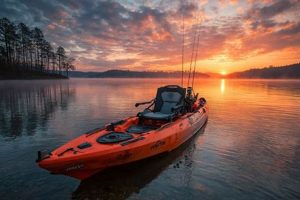
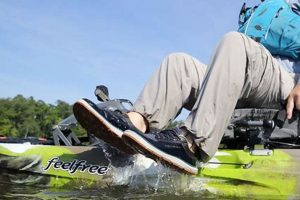
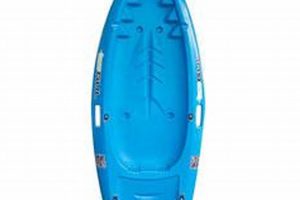
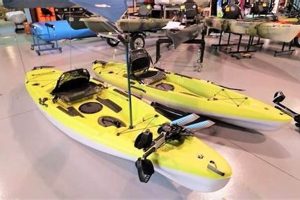
This concept evokes the traditional fishing practices of the Moken people, a nomadic seafaring community in the Andaman Sea, known for their exceptional free-diving and spearfishing skills. Their approach to fishing, typically from small, handcrafted vessels, emphasizes a deep connection with the ocean and sustainable harvesting. Modern interpretations aim to capture this essence by promoting lightweight, maneuverable kayaks designed for fishing in coastal waters and offering a similar sense of freedom and connection with nature.
The significance lies in its ability to combine traditional knowledge with modern technology. Promoting this style of fishing encourages a more mindful approach to the sport, fostering respect for marine ecosystems and sustainable practices. The historical context of the Moken people’s connection with the sea provides a valuable lesson in harmonious coexistence with nature, offering inspiration for responsible fishing in the 21st century. It also promotes accessibility and enjoyment of the sport through relatively simple, human-powered vessels.
This exploration naturally leads to discussions regarding appropriate kayak selection, essential fishing gear for this style, sustainable fishing practices, and the rich maritime heritage of the Moken people. Further topics might include the environmental impact of modern fishing methods and the importance of preserving traditional ecological knowledge.
Tips for Moken-Inspired Kayak Fishing
These tips offer guidance for a fulfilling and responsible kayak fishing experience reminiscent of the Moken people’s traditional practices.
Tip 1: Prioritize Stability and Maneuverability: Opt for a kayak designed for stability in coastal waters and easy maneuvering in shallow areas and around reefs. Consider shorter, wider hulls for enhanced stability or longer, narrower designs for speed and efficiency depending on the target fishing area.
Tip 2: Embrace Minimalist Gear: Focus on essential fishing equipment, reducing clutter and weight for optimal kayak performance and a more authentic, connected experience. Hand-powered reels and simple tackle align with the spirit of traditional fishing methods.
Tip 3: Practice Sustainable Fishing: Adhere to local fishing regulations and practice catch-and-release whenever possible. Respect size and bag limits to help maintain healthy fish populations for future generations.
Tip 4: Respect Wildlife and the Environment: Minimize disturbance to marine life and avoid sensitive habitats like coral reefs and seagrass beds. Properly dispose of all fishing line and waste to preserve the natural beauty of the waters.
Tip 5: Learn Basic Navigation and Safety Procedures: Understand tidal patterns, currents, and weather conditions before embarking on a fishing trip. Carry essential safety gear, including a personal flotation device, whistle, and communication device.
Tip 6: Observe and Learn from the Environment: Pay attention to natural cues like bird activity and baitfish schools to identify potential fishing hotspots. This mindful approach reflects the Moken people’s deep connection with the ocean.
Tip 7: Start Slow and Gradually Increase Range: Begin with shorter trips in familiar waters and gradually extend range and duration as experience and confidence grow.
By adhering to these guidelines, one can experience the freedom and connection with nature inherent in this style of fishing, while simultaneously contributing to the preservation of marine ecosystems and cultural heritage.
These tips serve as a foundation for embarking on a rewarding journey into the world of Moken-inspired kayak fishing. The following conclusion will further emphasize the importance of responsible and sustainable practices for ensuring the longevity of this unique experience.
1. Freedom

Freedom represents a core element within the “feel free Moken fishing kayak” concept. This freedom manifests in several dimensions. Physical freedom arises from the self-propelled nature of kayaking, allowing exploration of remote coastlines and shallow waters inaccessible to larger vessels. The minimalist approach to gear further enhances this freedom, reducing clutter and focusing the experience on direct interaction with the environment. This contrasts with motorized boating, often confined to deeper channels and requiring more complex equipment. The Moken people’s traditional lifestyle exemplifies this freedom, demonstrating a harmonious coexistence with nature unbound by rigid schedules or material possessions.
Further, this concept embodies a freedom from conventional fishing practices. It encourages a return to simpler methods, emphasizing skill and observation over reliance on technology. This allows anglers to connect more directly with the natural world, fostering a deeper understanding of marine ecosystems and fish behavior. For example, instead of using electronic fish finders, practitioners might observe bird activity or water movement to locate fish, similar to traditional Moken techniques. This mindful approach fosters a deeper appreciation for the interconnectedness of the marine environment.
Ultimately, the freedom inherent in this style of fishing promotes a sense of self-reliance and personal connection with nature. It offers an escape from the complexities of modern life and encourages a return to basic principles of human-powered movement and sustainable interaction with the environment. Challenges may include navigating changing weather conditions and requiring greater physical exertion compared to motorized fishing. However, the rewards of this freedomexperiencing the tranquility of remote waters and connecting with a more traditional way of lifeoffer a compelling alternative to conventional angling.
2. Moken Heritage
The “feel free Moken fishing kayak” concept draws significant inspiration from the Moken people, a nomadic seafaring community indigenous to the Andaman Sea. Their traditional knowledge of the ocean, sustainable fishing practices, and intimate connection with nature provide a framework for understanding this approach to angling. Examining specific facets of Moken heritage illuminates its relevance to modern kayak fishing.
- Traditional Boatbuilding:
The Moken are renowned for their handcrafted kabang, small wooden boats traditionally used for fishing, transportation, and living. While kayaks differ in design and construction, the Moken emphasis on lightweight, maneuverable vessels resonates with the selection of appropriate kayaks for this style of fishing. The kabang’s adaptability to diverse marine environments mirrors the versatility sought in modern fishing kayaks.
- Free-diving and Spearfishing:
Moken free-diving skills are legendary, allowing them to harvest marine resources sustainably. While spearfishing from kayaks may not always be feasible or legal, the emphasis on human-powered fishing and intimate knowledge of the marine environment aligns with Moken traditions. This encourages respect for marine life and promotes responsible harvesting.
- Navigational Knowledge:
The Moken possess intricate knowledge of ocean currents, tides, and celestial navigation. This traditional knowledge emphasizes the importance of understanding and respecting natural forces when venturing into the sea. Modern kayak anglers can benefit from incorporating similar principles of observation and awareness of environmental conditions.
- Sustainable Practices:
Moken fishing practices have traditionally focused on sustainable harvesting and respecting the balance of marine ecosystems. This ethos underscores the importance of catch-and-release fishing, adhering to local regulations, and minimizing environmental impact. Applying these principles ensures the longevity of fish populations and preserves the natural beauty of coastal waters.
By incorporating elements of Moken heritage, “feel free Moken fishing kayak” transcends mere recreation and becomes a tribute to a traditional way of life. It encourages a deeper connection with nature, promotes responsible angling practices, and fosters an appreciation for the rich cultural heritage of the Moken people. Comparing modern kayak fishing gear with traditional Moken tools further illustrates the evolution and adaptation of fishing practices while highlighting the enduring value of human ingenuity and connection with the sea.
3. Kayak Fishing

Kayak fishing provides the foundational platform for the “feel free Moken fishing kayak” concept. It offers a unique blend of accessibility, maneuverability, and environmental consciousness, aligning with the core principles of Moken-inspired angling. Examining the specific facets of kayak fishing reveals its intrinsic connection to this specialized approach.
- Accessibility and Affordability:
Kayaks offer a relatively accessible entry point into fishing compared to larger, motorized boats. Their lower cost and reduced maintenance requirements make them appealing to a wider range of individuals. This accessibility mirrors the simplicity of traditional Moken fishing vessels and promotes inclusivity within the sport. One can readily purchase a basic fishing kayak and essential gear at a fraction of the cost of a motorized boat, enabling more people to experience the joys of fishing.
- Maneuverability and Stealth:
Kayaks excel in shallow water and confined areas, allowing anglers to navigate close to shorelines, reefs, and other productive fishing zones often inaccessible to larger vessels. Their quiet operation minimizes disturbance to fish and the surrounding environment, enhancing stealth and increasing fishing success. This maneuverability reflects the agility of Moken kabang boats, enabling exploration of diverse habitats and mimicking their low-impact approach to the marine environment. Kayaks provide an advantage for targeting species that inhabit shallow, vegetated areas.
- Human-Powered Connection with Nature:
Kayak fishing fosters a direct, physical connection with the water and the surrounding environment. The act of paddling engages the angler with the natural world, promoting a deeper appreciation for the rhythms of the ocean and the delicate balance of marine ecosystems. This resonates with the Moken people’s intimate relationship with the sea, emphasizing human-powered movement and mindful interaction with nature. This connection fosters a deeper understanding of weather patterns, tidal flows, and wildlife behavior.
- Adaptability and Versatility:
Kayaks can be adapted to various fishing styles, from trolling and casting to jigging and fly fishing. This versatility allows anglers to customize their approach based on target species, environmental conditions, and personal preferences. Specialized fishing kayaks often feature rod holders, storage compartments, and other accessories designed to enhance the angling experience. This adaptability mirrors the multifunctional nature of Moken kabang, which serve as fishing platforms, transportation, and even temporary shelters.
These facets of kayak fishing converge to create an experience that aligns seamlessly with the “feel free Moken fishing kayak” philosophy. The accessibility, maneuverability, connection with nature, and versatility offered by kayaks contribute to a mindful, sustainable, and deeply rewarding angling experience. By drawing parallels between modern kayak fishing and traditional Moken practices, one gains a deeper appreciation for the historical roots and enduring value of this unique approach to interacting with the marine environment. Furthermore, the growth and popularity of kayak fishing underscore its relevance as a sustainable and accessible form of recreation in the 21st century. This connection fosters a sense of stewardship and responsibility towards preserving marine ecosystems for future generations.
4. Traditional Methods
The “feel free Moken fishing kayak” concept emphasizes a return to traditional fishing methods, drawing inspiration from the Moken people’s historical practices. This connection fosters a deeper appreciation for the skill, patience, and environmental awareness inherent in traditional angling techniques. It represents a conscious departure from reliance on technology and encourages a more direct interaction with the natural world. Understanding the significance of traditional methods within this context requires exploring its core components.
One key aspect is the emphasis on simple, hand-powered techniques. This might involve using hand lines instead of motorized reels, or employing traditional lures and baits crafted from natural materials. For example, instead of using a complex sonar system to locate fish, practitioners might rely on observation of natural cues like bird activity or water movement, mimicking traditional Moken techniques. This fosters a heightened sense of connection with the environment and encourages a more mindful approach to fishing. Similarly, employing traditional net-making techniques, as practiced by the Moken, can connect contemporary kayak anglers with historical methods of sustainable harvesting. Another example is the use of free-diving and spearfishing techniques (where permitted and practiced responsibly), reflecting the Moken people’s deep connection with the ocean and their sustainable harvesting practices. Such methods emphasize skill and respect for marine life.
Traditional methods often prioritize sustainability and respect for marine ecosystems. This translates into practices like catch-and-release fishing, adhering to local regulations, and minimizing environmental impact. By adopting these principles, practitioners contribute to the preservation of fish populations and the long-term health of the marine environment. The practical significance of understanding this connection lies in fostering a more responsible and sustainable approach to kayak fishing. It encourages anglers to move away from purely extractive practices and towards a deeper appreciation for the delicate balance of marine ecosystems. Challenges may include acquiring the necessary skills and knowledge associated with traditional methods, which may require dedicated learning and practice. However, the rewardsa deeper connection with nature, enhanced angling skills, and a contribution to environmental preservationoffer a compelling motivation for embracing this approach. This connection strengthens the overall “feel free Moken fishing kayak” experience, transforming it from mere recreation into a mindful practice that respects both cultural heritage and the natural world.
5. Sustainable Practice

Sustainable practice forms an integral component of the “feel free Moken fishing kayak” concept, directly linking recreational fishing with environmental responsibility. This connection draws inspiration from the Moken people’s traditional fishing practices, which prioritize harmonious coexistence with the marine environment. Sustainable practice, in this context, encompasses a range of actions designed to minimize environmental impact and preserve fish populations for future generations. Cause and effect relationships are central to this understanding. For example, catch-and-release fishing directly contributes to maintaining healthy fish stocks, while proper disposal of fishing line prevents entanglement of marine animals and minimizes plastic pollution. Choosing reusable water bottles and eco-friendly sunscreen demonstrates a commitment to minimizing overall environmental impact. These actions contribute to a healthier marine ecosystem and ensure the long-term viability of kayak fishing.
The importance of sustainable practice as a component of “feel free Moken fishing kayak” cannot be overstated. It represents a shift from a purely extractive approach to fishing towards a more holistic perspective that recognizes the interconnectedness of human actions and environmental health. Real-life examples abound. Organizations like the Save Our Seas Foundation actively promote sustainable fishing practices through education and advocacy, highlighting the importance of responsible angling. Many kayak fishing communities organize regular cleanup events to remove debris from waterways, demonstrating a commitment to environmental stewardship. Furthermore, adhering to local fishing regulations regarding size and bag limits ensures responsible harvesting and contributes to the long-term health of fish populations. These practices, when adopted by individual anglers, amplify the positive impact on marine ecosystems.
The practical significance of understanding this connection lies in empowering individuals to contribute directly to marine conservation. By adopting sustainable practices, kayak anglers become active participants in environmental protection. Challenges may include resisting the temptation to maximize catch, requiring a shift in mindset towards valuing the long-term health of the ecosystem over immediate personal gain. Another challenge lies in educating and encouraging fellow anglers to adopt similar practices, fostering a collective responsibility for marine conservation. However, the rewardsa healthier ocean, thriving fish populations, and a more sustainable future for kayak fishingprovide a compelling motivation for embracing these practices. This reinforces the core ethos of “feel free Moken fishing kayak,” transforming it from a recreational pursuit into a mindful practice that respects both the natural world and the cultural heritage that inspired it.
6. Ocean Connection

The “feel free Moken fishing kayak” concept emphasizes a profound connection with the ocean, drawing inspiration from the Moken people’s intimate relationship with their marine environment. This connection transcends mere recreational enjoyment and fosters a deep respect for the ocean’s power, complexity, and ecological significance. Understanding this connection requires exploration of its multifaceted nature and practical implications for kayak anglers.
- Sensory Awareness:
A core component of ocean connection involves heightened sensory awareness. Kayak fishing provides a unique opportunity to engage all senses. The feel of the water against the hull, the sound of waves lapping, the smell of salt air, the sight of marine lifethese sensory experiences foster a direct, visceral connection with the ocean, mirroring the Moken people’s intimate knowledge of their environment. This heightened awareness enhances appreciation for the nuances of the marine world, promoting mindful interaction with nature.
- Ecological Understanding:
Ocean connection necessitates an understanding of marine ecosystems and the interconnectedness of life within them. Kayak anglers, by virtue of their close proximity to the water, gain firsthand experience of ecological processes. Observing tidal patterns, identifying various species of fish and marine life, and witnessing the impact of human activities fosters a deeper understanding of the delicate balance within these ecosystems. This knowledge translates into responsible fishing practices and environmental stewardship, reflecting the Moken people’s sustainable approach to resource utilization.
- Respect for Natural Forces:
The ocean demands respect. Kayak anglers, unlike those in larger vessels, experience the ocean’s power and unpredictability more directly. Learning to navigate currents, interpret weather patterns, and adapt to changing conditions fosters a healthy respect for natural forces. This echoes the Moken people’s deep understanding of the ocean’s rhythms and their ability to navigate and survive in challenging marine environments. This respect translates into enhanced safety practices and a more mindful approach to interacting with the ocean.
- Spiritual Connection:
For many, the ocean evokes a sense of awe and wonder, fostering a spiritual connection that transcends the physical realm. The tranquility of paddling across calm waters, the exhilaration of navigating challenging conditions, the solitude of remote locationsthese experiences can evoke a sense of peace, introspection, and connection with something larger than oneself. This spiritual dimension mirrors the Moken people’s reverence for the ocean as a source of life and sustenance. This connection enhances the overall experience of kayak fishing, transforming it from a recreational pursuit into a source of personal meaning and fulfillment. For example, witnessing a breathtaking sunset over the water while kayak fishing can evoke a profound sense of connection with the natural world, enriching the overall experience.
These facets of ocean connection converge to create a richer, more meaningful experience within the “feel free Moken fishing kayak” paradigm. This connection fosters not only enhanced enjoyment of the sport but also a deeper sense of responsibility towards marine conservation. By mirroring the Moken people’s deep respect for the ocean, kayak anglers become stewards of the environment, ensuring its health and beauty for future generations. This holistic approach transforms kayak fishing from a mere recreational activity into a powerful expression of human connection with the natural world.
7. Mindful Angling

Mindful angling represents a core principle within the “feel free Moken fishing kayak” concept, fostering a deeper connection between the angler and the environment. This approach emphasizes heightened awareness of the present moment, promoting a more profound appreciation for the natural world and a greater sense of responsibility towards its preservation. Cause and effect relationships underscore this connection. For example, focusing on the subtle movements of the water’s surface can lead to the identification of feeding fish, while attentiveness to bird activity might reveal the location of baitfish schools. Similarly, conscious breathing and body awareness enhance stability and balance within the kayak, promoting safer and more efficient paddling. These practices transform fishing from a purely outcome-oriented activity into a process of mindful engagement with the environment, aligning with the Moken people’s traditional reverence for the ocean.
The importance of mindful angling as a component of “feel free Moken fishing kayak” lies in its ability to transform the fishing experience from mere recreation into a form of moving meditation. Real-life examples illustrate this connection. Experienced kayak anglers often describe a sense of flow and heightened awareness while on the water, attributing this to their focused attention on the subtle cues of the environment. Similarly, practitioners of mindfulness meditation find parallels in the focused attention required for successful kayak fishing, emphasizing the mental discipline and present-moment awareness inherent in both practices. This mindful approach reduces stress, enhances focus, and fosters a deeper appreciation for the natural world. The practice of catch-and-release fishing, central to the Moken-inspired approach, exemplifies mindful angling by prioritizing the well-being of the fish over the angler’s desire for acquisition. This shift in perspective aligns with the broader ethos of environmental stewardship and sustainable practice.
The practical significance of understanding this connection lies in fostering a greater sense of respect and responsibility towards the marine environment. Mindful angling encourages a less extractive and more contemplative approach to fishing. Challenges may include maintaining focus amidst distractions, requiring the development of mental discipline and attentional control. Furthermore, integrating mindful practices into the often demanding physical activity of kayak fishing may require dedicated practice and self-awareness. However, the rewardsenhanced focus, reduced stress, deeper connection with nature, and a stronger sense of environmental stewardshipprovide compelling reasons for embracing mindful angling as a central element of the “feel free Moken fishing kayak” experience. This connection elevates the activity beyond mere sport, transforming it into a practice that promotes both personal well-being and environmental sustainability.
Frequently Asked Questions
This FAQ section addresses common inquiries regarding the “feel free Moken fishing kayak” concept, providing clarity and promoting a deeper understanding of this specialized approach to angling.
Question 1: What distinguishes “feel free Moken fishing kayak” from conventional kayak fishing?
The distinction lies primarily in the philosophical approach. While conventional kayak fishing focuses on the sport itself, the Moken-inspired approach emphasizes a deeper connection with nature, sustainable practices, and a minimalist approach reminiscent of the Moken people’s traditional fishing methods. It encourages a mindful and environmentally conscious approach.
Question 2: Is specialized equipment required for Moken-inspired kayak fishing?
Specialized equipment is not strictly required, but certain choices enhance the experience. Lightweight, maneuverable kayaks, hand-powered reels, and simple tackle align with the minimalist ethos. However, the focus remains on responsible practices and connection with nature rather than specific gear.
Question 3: Are Moken-inspired fishing techniques applicable to all bodies of water?
While adaptable, these techniques are best suited to coastal environments, particularly shallow waters, estuaries, and protected bays, similar to the Moken people’s traditional fishing grounds. Open ocean or large lake environments might present challenges for smaller, human-powered kayaks.
Question 4: Does “feel free Moken fishing kayak” necessitate spearfishing or free-diving?
No. While the Moken are known for these practices, they are not essential components. The core principles emphasize mindful angling, sustainable practices, and connection with nature, achievable through various fishing techniques within legal and ethical boundaries.
Question 5: How does one learn more about traditional Moken fishing practices?
Ethnographic literature, documentaries, and scholarly articles offer valuable insights into Moken culture and their relationship with the sea. Responsible cultural tourism, where available and ethically conducted, can provide firsthand exposure, though direct interaction should prioritize respect for their traditions and autonomy.
Question 6: What is the primary takeaway from the “feel free Moken fishing kayak” concept?
The primary takeaway is a renewed appreciation for the interconnectedness of human activity and the marine environment. It encourages a mindful, sustainable, and respectful approach to fishing, inspired by the Moken people’s traditional knowledge and deep connection with the ocean.
These FAQs offer a starting point for understanding the nuances of Moken-inspired kayak fishing. Exploring further resources can deepen one’s appreciation for this unique approach and encourage responsible engagement with the marine environment. Additional topics might include the environmental impact of modern fishing practices, the cultural significance of traditional ecological knowledge, and the role of recreational anglers in marine conservation. The subsequent section will delve deeper into these critical areas.
Conclusion
This exploration of the “feel free Moken fishing kayak” concept has illuminated its multifaceted nature, encompassing freedom, cultural heritage, sustainable practice, and mindful angling. The Moken people’s traditional relationship with the ocean provides a compelling model for responsible interaction with the marine environment. Kayak fishing, by its very nature, offers a platform for experiencing this connection firsthand, fostering a deeper appreciation for the natural world.
The significance of this approach extends beyond mere recreation. It represents a conscious choice to engage with the environment in a sustainable and respectful manner. Embracing the principles of “feel free Moken fishing kayak” contributes to a more harmonious relationship between humans and the ocean, ensuring its health and beauty for generations to come. This requires ongoing education, advocacy, and a commitment to responsible angling practices. The future of the ocean depends on such conscious choices, making this concept not merely a recreational pursuit, but a vital contribution to marine conservation.