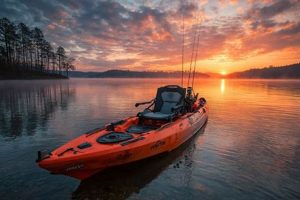
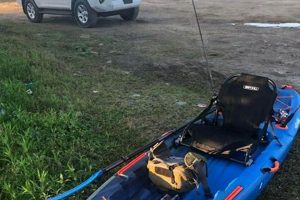
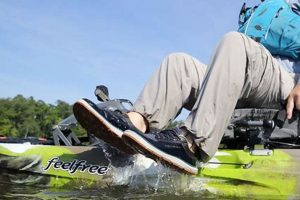
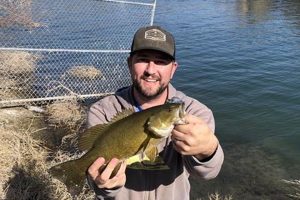
The pursuit of finned quarry from small, human-powered vessels in the waters surrounding Destin, Florida, offers a unique angling experience. This approach allows for access to shallow-water habitats often unreachable by larger boats, providing opportunities to target species such as redfish, speckled trout, and flounder. The quiet nature of paddling also contributes to a stealthy approach, minimizing disturbance to the fish and potentially increasing success.
This style of fishing has gained popularity due to its affordability, accessibility, and the intimate connection it fosters with the natural environment. The relatively low cost of entry compared to motorized boating makes it an attractive option for many anglers. The Choctawhatchee Bay, harboring diverse ecosystems like seagrass beds and oyster reefs, presents a rich and varied fishing ground easily explored by kayak. Historically, small boats have been used for fishing in the region, demonstrating a long-standing connection between humans and the water. Modern kayaks enhance this tradition, offering stability, maneuverability, and specialized features designed for angling.
The following sections will explore various aspects of this activity in greater detail, including recommended equipment, popular launch sites, local regulations, and tips for a successful and enjoyable experience on the waters of Destin.
Tips for Kayak Fishing in Destin
Optimizing angling success and safety requires careful planning and execution. The following tips provide valuable insights for a productive and enjoyable experience.
Tip 1: Research and understand local regulations. Familiarization with licensing requirements, size and catch limits for targeted species ensures compliance and contributes to sustainable fishing practices. Consulting the Florida Fish and Wildlife Conservation Commission website provides comprehensive information.
Tip 2: Select appropriate gear. Rods, reels, and tackle should be suited to the target species and the fishing environment. Shorter rods offer improved maneuverability within the confines of a kayak.
Tip 3: Prioritize safety equipment. A personal flotation device (PFD) is essential, and a whistle should be readily accessible in case of emergencies. Carrying a communication device allows contact with shore in situations requiring assistance.
Tip 4: Plan for weather conditions. Checking marine forecasts before embarking helps avoid hazardous situations. Wind, tides, and currents can significantly impact kayak handling and should be factored into trip planning. Postponing outings in unfavorable conditions prioritizes safety.
Tip 5: Utilize a fish finder. A fish finder aids in locating fish and identifying underwater structures that attract them, maximizing fishing efficiency. Portable units designed for kayaks offer convenient installation and operation.
Tip 6: Employ appropriate anchoring techniques. A shallow-water anchor or stake-out pole allows anglers to maintain position in desired locations, minimizing drift and facilitating targeted fishing efforts.
Tip 7: Practice proper kayak handling. Understanding basic paddling techniques and maneuvering skills contributes to efficient movement and control, especially in currents or windy conditions. Practice in calm waters before venturing into more challenging environments.
Adhering to these guidelines contributes significantly to a safe and rewarding experience. Careful preparation and thoughtful execution enhance enjoyment and promote responsible engagement with the natural environment.
By combining these insights with local knowledge and experience, anglers can maximize their chances of success while prioritizing safety and conservation on the waters of Destin.
1. Location Scouting

Location scouting plays a crucial role in successful kayak fishing excursions near Destin. The diverse ecosystem surrounding Destin, encompassing shallow grass flats, deep channels, and coastal inlets, presents a range of habitats for various fish species. Effective scouting identifies promising areas holding target species, increasing the likelihood of a productive fishing trip. Pre-fishing research using online maps, nautical charts, and local fishing reports helps narrow down potential locations. Observing bird activity, baitfish movement, and changes in water depth or color can further pinpoint productive fishing spots upon arrival.
For example, locating oyster bars or seagrass beds in Choctawhatchee Bay provides prime habitat for redfish and speckled trout. Similarly, targeting deeper channels near the Destin bridge may yield catches of Spanish mackerel or kingfish. Understanding the relationship between species and their preferred habitats enhances the effectiveness of scouting efforts. Physical scouting trips, conducted before the intended fishing day, allow for direct observation and assessment of conditions. Noting water clarity, current flow, and the presence of other anglers helps refine chosen locations. Investing time in thorough scouting maximizes fishing time and increases the chances of a successful outing.
In summary, effective location scouting is essential for maximizing success in kayak fishing near Destin. Thorough research combined with on-the-water observation significantly improves the chances of locating target species. Understanding local ecosystems and fish behavior patterns, coupled with careful planning, allows anglers to strategically choose locations for a rewarding and productive fishing experience.
2. Tidal Planning
Tidal planning is integral to successful kayak fishing in Destin. Tidal flows significantly influence fish behavior and movement, impacting feeding patterns and location. Incoming tides often bring baitfish and other prey closer to shore, attracting larger game fish. Conversely, outgoing tides can concentrate fish in deeper channels or near inlets. Understanding these patterns allows anglers to position themselves strategically for optimal fishing opportunities. For instance, fishing the flats during a rising tide can provide access to shallow areas where redfish and speckled trout actively feed. Conversely, targeting deeper channels during a falling tide may yield catches of flounder or other species seeking deeper water.
Practical applications of tidal planning involve consulting tide charts specific to the Destin area. These resources predict high and low tide times, enabling anglers to plan their trips accordingly. Combining tidal predictions with knowledge of preferred fish habitats enhances the likelihood of success. For example, fishing near inlets during an outgoing tide can concentrate fish as they move with the current. Similarly, fishing around docks and pilings during a rising tide can provide opportunities to target species seeking shelter and food in these structures. Neglecting tidal influences can lead to unproductive fishing trips, highlighting the practical significance of this element.
In summary, tidal planning offers strategic advantages for kayak anglers in Destin. Analyzing tidal flows in conjunction with fish behavior and habitat preferences allows for optimized positioning and increased chances of success. Utilizing readily available tidal charts and incorporating this knowledge into fishing strategies is essential for productive kayak fishing excursions in the Destin area. Failure to consider tidal influences can negatively impact fishing success, underscoring the importance of incorporating tidal planning into any kayak fishing strategy.
3. Species Targeting
Species targeting forms a cornerstone of effective kayak fishing in Destin. The diverse fish populations inhabiting the waters surrounding Destin require anglers to adopt specific strategies based on the desired catch. Understanding the habitat preferences, feeding patterns, and seasonal behaviors of target species significantly enhances the likelihood of a successful outing. Selecting appropriate tackle, bait, and fishing techniques tailored to the target species optimizes angling effectiveness. For example, targeting redfish in shallow grass flats necessitates different equipment and techniques compared to pursuing pelagic species like king mackerel in deeper offshore waters. This targeted approach maximizes efficiency and minimizes wasted effort.
Practical applications of species targeting involve researching the prevalent species in Destin’s waters and their corresponding behaviors. Resources like local fishing reports, online forums, and experienced local anglers provide valuable insights. Matching tackle and bait to the preferred prey of the target species increases the chances of attracting a bite. For instance, using live shrimp or small baitfish can be effective for targeting speckled trout, while larger lures or cut bait might be more suitable for attracting cobia or redfish. Adapting techniques based on species behavior further refines the approach. Slowly retrieving a lure near the bottom simulates the movement of a crab, enticing flounder, while a faster, erratic retrieve mimics a fleeing baitfish, attracting predatory species like Spanish mackerel. Selecting appropriate fishing locations based on known species habitats is another critical aspect of species targeting.
In summary, species targeting enhances fishing success in Destin by enabling anglers to tailor their approach. Understanding the nuances of target species’ behavior, habitat preferences, and preferred prey allows for informed decisions regarding tackle, bait, techniques, and location. This targeted approach maximizes efficiency and increases the chances of a rewarding kayak fishing experience. Failing to consider species-specific characteristics can lead to reduced catches and missed opportunities, underscoring the importance of species targeting in kayak fishing Destin.
4. Equipment Selection

Appropriate equipment selection significantly impacts success and safety in kayak fishing within Destin’s waters. The unique demands of this fishing style necessitate specialized gear choices, distinct from traditional boat or shore fishing. Careful consideration of equipment ensures preparedness for the diverse fishing opportunities Destin offers, from shallow-water flats to deeper offshore areas.
- Rods and Reels
Shorter rods, typically 6-7 feet in length, offer superior maneuverability within the confined space of a kayak. Medium-light to medium-heavy power rods provide versatility for targeting a range of species common to Destin’s waters, including redfish, speckled trout, and flounder. Spinning reels are generally preferred for their ease of use and compatibility with lighter lines and lures. A 2500-4000 size spinning reel paired with a 10-20lb braided line offers a balanced setup for most inshore kayak fishing situations. Heavier tackle may be necessary when targeting larger pelagic species offshore.
- Tackle and Lures
Tackle selection should align with target species and prevailing conditions. Live bait, such as shrimp and small baitfish, proves highly effective for many inshore species. Artificial lures, including jigs, topwater plugs, and soft plastics, offer versatility and convenience. A selection of jig heads in various weights, ranging from 1/8 to 1/2 ounce, allows for effective presentation in different depths and current conditions. Color choices should mimic local prey species, with natural tones often proving successful.
- Safety Gear
Prioritizing safety is paramount in kayak fishing. A personal flotation device (PFD) is essential and should be worn at all times. A whistle facilitates signaling for assistance in emergencies. A waterproof pouch or dry bag safeguards essential items like a cell phone or VHF radio for communication. A first-aid kit and basic tools for minor repairs also contribute to a safe and prepared outing.
- Kayak Accessories
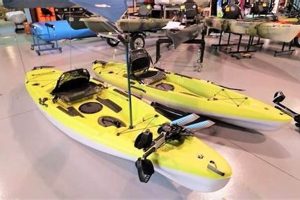
Specialized kayak accessories further enhance the fishing experience. A fish finder assists in locating fish and identifying underwater structures. A rod holder secures rods while paddling or tending to other tasks. An anchor or stake-out pole maintains position in desired fishing locations. A paddle leash prevents accidental loss of the paddle. These additions optimize functionality and contribute to a more productive and enjoyable fishing trip.
The considered selection of equipment, tailored to the specific conditions and target species encountered in Destin, ensures a productive and safe kayak fishing experience. By prioritizing functionality, safety, and species-specific needs, anglers maximize their chances of success while mitigating potential risks on the water. The interplay of these equipment choices contributes significantly to the overall enjoyment and effectiveness of kayak fishing in Destin.
5. Safety Procedures
Safeguarding well-being while kayak fishing in Destin is paramount. The inherent risks associated with open water activities necessitate meticulous attention to safety procedures. Implementing these practices mitigates potential hazards, ensuring an enjoyable and incident-free experience. Understanding and adhering to these guidelines contributes significantly to personal safety and the overall positive experience of kayak fishing in Destin.
- Personal Flotation Devices (PFDs)
Wearing a properly fitted PFD is non-negotiable. PFDs provide essential buoyancy in the event of capsizing or accidental immersion, significantly increasing chances of survival. Selecting a PFD designed for paddling offers optimal comfort and range of motion. Regularly inspecting PFDs for wear and tear ensures their continued effectiveness in emergency situations. Destin’s waterways present inherent risks, including boat traffic and changing weather conditions, making PFD use crucial for personal safety.
- Weather Monitoring and Awareness
Checking marine weather forecasts before embarking is essential. Sudden changes in weather conditions, such as strong winds or thunderstorms, can create hazardous situations for kayakers. Postponing trips in unfavorable conditions prioritizes safety. Monitoring real-time weather updates while on the water allows for timely responses to changing conditions. Destin’s coastal location makes it susceptible to rapid weather shifts, emphasizing the importance of diligent weather monitoring.
- Communication Devices
Carrying a waterproof communication device, such as a cell phone in a waterproof case or a VHF radio, enables contact with emergency services or shore support if needed. Informing someone on shore of the intended fishing location and estimated return time adds another layer of safety. Regularly checking communication devices ensures their functionality when required. Destin’s expansive waterways and potential for unpredictable events highlight the importance of reliable communication capabilities.
- Navigation and Awareness
Understanding navigational markers and maintaining awareness of surroundings minimizes the risk of collisions with other vessels or submerged obstacles. Carrying a nautical chart or utilizing GPS technology aids in navigation, particularly in unfamiliar areas. Remaining aware of boat traffic, especially in channels or near inlets, is crucial for avoiding collisions. Destin’s waterways accommodate diverse vessel traffic, necessitating heightened awareness of navigational hazards.
These safety procedures, implemented consistently, create a safer environment for kayak fishing in Destin. Integrating these practices into pre-trip planning and on-the-water activities ensures a more secure and enjoyable experience. Prioritizing safety enhances not only personal well-being but also the overall positive experience of engaging with Destins unique coastal environment.
6. Kayak Choice

Kayak selection significantly influences the effectiveness and enjoyment of kayak fishing in Destin. The diverse fishing environments, ranging from calm bay waters to nearshore Gulf conditions, necessitate careful consideration of kayak characteristics. Stability, maneuverability, and storage capacity are key factors influencing performance and suitability for specific fishing styles. Choosing an inappropriate kayak can compromise stability, hinder access to desired fishing locations, and limit the ability to carry necessary gear. Conversely, a well-chosen kayak enhances safety, improves fishing efficiency, and contributes to a more comfortable and productive experience.
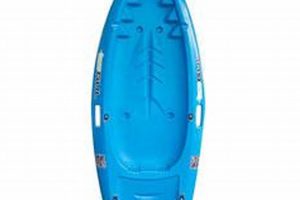
Destin’s varied fishing opportunities present distinct kayak requirements. For example, navigating shallow grass flats in search of redfish requires a stable and maneuverable kayak, such as a sit-on-top model designed for shallow-water access. Targeting pelagic species offshore necessitates a longer, more stable kayak capable of handling rougher sea conditions, often a sit-in or specialized fishing kayak with enhanced tracking and stability features. Similarly, fishing in the Choctawhatchee Bay, characterized by calmer waters and diverse ecosystems, allows for greater flexibility in kayak choice, with sit-on-tops and sit-ins both offering viable options depending on angler preference and targeted species. Understanding these distinctions empowers informed decisions aligned with specific fishing goals.
Effective kayak selection hinges on aligning vessel characteristics with the intended fishing environment and target species. Prioritizing stability enhances safety and facilitates casting and retrieving while maintaining balance. Maneuverability allows for efficient navigation through complex environments, like mangrove-lined shorelines or shallow oyster beds. Adequate storage capacity accommodates essential fishing gear, safety equipment, and personal belongings. Considering factors such as hull design, length, width, and weight capacity ensures compatibility with individual angler needs and intended fishing styles. The interplay of these factors directly impacts fishing success and overall experience on the water, underscoring the importance of careful kayak selection for kayak fishing in Destin.
7. Local Regulations
Adhering to local regulations is essential for responsible and legal kayak fishing in Destin. These regulations ensure the sustainability of fish populations and the preservation of the local ecosystem. Understanding and complying with these rules contributes to the long-term health of the fishery and allows for continued enjoyment of this recreational activity. Ignorance of regulations is not a defense against penalties, making proactive education crucial for all anglers.
- Fishing Licenses
Possessing a valid Florida fishing license is mandatory for anyone engaging in recreational fishing, including kayak fishing in Destin. Different license types exist, catering to residents, non-residents, and specific durations. Acquiring the appropriate license before embarking on a fishing trip ensures compliance. Licenses can be obtained online through the Florida Fish and Wildlife Conservation Commission (FWC) website or from authorized vendors. Failure to possess a valid license can result in fines and legal repercussions.
- Size and Catch Limits
Regulations dictate minimum sizes and daily catch limits for various fish species. These limits aim to protect juvenile fish and maintain healthy populations. Adhering to these restrictions contributes to the long-term sustainability of the fishery. Species-specific regulations are available on the FWC website and in local fishing guides. Measuring catches accurately and releasing undersized or excess fish ensures compliance and promotes conservation efforts. Accurate identification of species is crucial for applying the correct regulations.
- Closed Seasons and Protected Areas
Certain species have closed seasons during specific times of the year, typically during spawning periods. These closures protect vulnerable breeding populations and contribute to their long-term survival. Additionally, some areas may be designated as protected habitats or sanctuaries where fishing is prohibited or restricted. Respecting these closures and designated areas safeguards sensitive ecosystems and preserves biodiversity. Consulting the FWC website and local resources provides information on current closures and protected areas.
- Gear Restrictions
Specific regulations may govern the types of fishing gear permitted in certain areas or when targeting specific species. For example, restrictions on net fishing or the use of certain types of hooks may apply. Understanding and adhering to gear restrictions ensures compliance and prevents unintended negative impacts on fish populations or the environment. Checking local regulations before embarking on a fishing trip ensures the use of permissible gear and avoids potential penalties.
Compliance with local regulations is not merely a legal obligation but a crucial aspect of responsible kayak fishing in Destin. Adherence to these rules safeguards fish populations, protects sensitive ecosystems, and contributes to the overall health of the fishery. By understanding and respecting these regulations, anglers ensure the sustainability of this cherished recreational activity for future generations. Disregarding these guidelines undermines conservation efforts and jeopardizes the long-term viability of kayak fishing in Destin. Ultimately, responsible angling practices benefit both the environment and the anglers who enjoy it.
Frequently Asked Questions about Kayak Fishing in Destin
This section addresses common inquiries regarding kayak fishing in Destin, Florida. The information provided aims to clarify potential uncertainties and provide practical insights for anglers.
Question 1: What are the primary target species for kayak anglers in Destin?
Common target species include redfish, speckled trout, flounder, Spanish mackerel, and pompano. Anglers may also encounter cobia, king mackerel, and various other species depending on location and season.
Question 2: Are there specific launch sites suitable for kayak fishing access in Destin?
Numerous public boat ramps and kayak launch sites provide access to Destin’s waterways. Researching locations beforehand based on target species and desired fishing environment is recommended. Local bait and tackle shops often offer valuable insights into suitable launch points.
Question 3: What safety precautions should be prioritized when kayak fishing in Destin?
Wearing a personal flotation device (PFD), checking weather forecasts, carrying a communication device, and informing someone of fishing plans are essential safety measures. Awareness of boat traffic and navigational hazards is crucial.
Question 4: What type of kayak is best suited for fishing in Destin?
Kayak choice depends on the intended fishing location and target species. Sit-on-top kayaks offer stability and maneuverability in shallow waters, while sit-in kayaks or specialized fishing kayaks may be preferred for offshore excursions. Factors such as storage capacity and comfort should also be considered.
Question 5: What fishing regulations apply to kayak anglers in Destin?
All anglers must possess a valid Florida fishing license. Size and catch limits, closed seasons, and protected areas are in place for various species. Regulations pertaining to fishing gear may also apply. Consulting the Florida Fish and Wildlife Conservation Commission (FWC) website ensures compliance.
Question 6: What essential gear is recommended for kayak fishing in Destin?
Essential gear includes appropriately sized rods and reels, a selection of tackle and lures suited to target species, safety equipment (PFD, whistle, communication device), and kayak accessories such as a fish finder, rod holders, and an anchor.
Careful consideration of these frequently asked questions enhances preparedness and promotes a safe and successful kayak fishing experience in Destin. Thorough planning, adherence to regulations, and prioritization of safety contribute significantly to a positive and rewarding outing.
For further detailed information, consult local resources, experienced anglers, or the FWC website.
Kayak Fishing Destin
This exploration of kayak fishing in Destin has highlighted the unique opportunities and challenges inherent in this pursuit. From species targeting and equipment selection to safety procedures and local regulations, the various facets of this activity demand careful consideration. Effective planning, informed decision-making, and responsible angling practices contribute significantly to both success and the preservation of this valuable resource. Understanding the interplay between environmental factors, such as tides and weather, and species-specific behaviors enhances angling effectiveness. Prioritizing safety through appropriate equipment and adherence to established procedures ensures a secure and enjoyable experience on the water. Compliance with local regulations safeguards the sustainability of fish populations and protects the delicate balance of the Destin ecosystem.
The continued enjoyment of kayak fishing in Destin relies on the responsible actions of individual anglers. Respect for the environment, adherence to regulations, and a commitment to ethical fishing practices ensure the longevity of this rewarding pursuit. By embracing a conservation-minded approach, anglers contribute to the preservation of Destin’s unique aquatic resources for future generations. The future of kayak fishing in Destin rests on the collective responsibility of those who partake in this activity, underscoring the importance of informed participation and a dedication to sustainable practices.