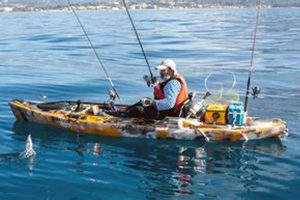
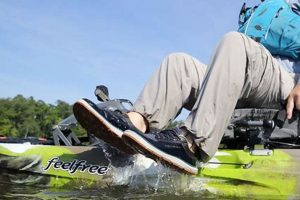
A waterproof, full-body garment designed for immersion in cold water, this specialized attire provides essential protection for anglers pursuing their sport from kayaks. It offers insulation against low temperatures and shields the wearer from wind and spray, allowing for comfortable and safe fishing even in challenging weather conditions. An example would be a breathable, tri-laminate suit with latex gaskets at the wrists, neck, and ankles to prevent water ingress.
This type of protective gear allows anglers to extend their fishing season into colder months and access otherwise inaccessible waters. By maintaining a stable core body temperature, it enhances safety and improves performance by mitigating the risks of hypothermia and cold-water shock. Historically, similar suits were used in watersports like diving and whitewater kayaking, but advancements in materials and design have led to the development of specialized versions tailored to the specific needs of kayak anglers. These advancements include features like articulated joints for paddling comfort and strategically placed pockets for essential fishing gear.
The following sections will explore the key features to consider when selecting such apparel, popular manufacturers, and proper care and maintenance techniques. Additionally, the discussion will delve into the different types of materials used in construction and the varying price points available to consumers.
Kayak Fishing Drysuit Tips
Proper selection, use, and maintenance are crucial for maximizing the effectiveness and lifespan of specialized fishing apparel. The following tips offer guidance on these critical aspects.
Tip 1: Consider Water Temperature: Water temperature dictates the necessary thermal protection. Neoprene suits are suitable for moderately cold conditions, whereas tri-laminate suits with additional insulation layers are essential for frigid environments.
Tip 2: Prioritize Fit and Mobility: A proper fit allows for a full range of motion during paddling and casting. Articulated joints and a comfortable cut are vital for extended periods on the water.
Tip 3: Inspect Gaskets Regularly: Latex gaskets at the wrists, neck, and ankles prevent water entry. Regular inspection and proper care are essential to maintain their integrity and prevent leaks.
Tip 4: Choose Appropriate Undergarments: Moisture-wicking base layers and insulating mid-layers enhance comfort and thermal performance. Avoid cotton materials, which retain moisture and can contribute to hypothermia.
Tip 5: Practice Self-Rescue Techniques: Knowing how to re-enter a kayak while wearing a drysuit is crucial for safety. Practice these techniques in a controlled environment before venturing into open water.
Tip 6: Store the Suit Properly: Proper storage prolongs the lifespan of the garment. Store it in a cool, dry place, away from direct sunlight and sharp objects. Avoid folding the suit at the gaskets.
Tip 7: Understand Relief Zipper Options: Consider a relief zipper for added convenience during extended trips, especially for those new to using this type of apparel.
Tip 8: Research Manufacturer Reputation: Quality and durability vary between manufacturers. Researching reputable brands known for their reliable products is essential.
By adhering to these guidelines, anglers can significantly improve their comfort, safety, and overall fishing experience while using specialized protective apparel. These measures ensure optimal performance and longevity of the investment.
The following section will conclude with a summary of key findings and recommendations for further exploration of this specialized gear.
1. Safety

Safety is paramount in kayak fishing, and the use of a drysuit significantly contributes to mitigating risks associated with cold water immersion. Cold shock, hypothermia, and drowning are serious threats, particularly during colder months or in unpredictable weather conditions. A drysuit provides a crucial barrier against these dangers, extending safe fishing opportunities and enhancing overall angler well-being.
- Immersion Protection
Drysuits provide a waterproof barrier, preventing cold water from directly contacting the skin. This protection is critical in preventing cold shock, a potentially fatal physiological response to sudden immersion in cold water. For example, an angler who capsizes in cold water without a drysuit is immediately susceptible to cold shock, whereas a drysuit provides critical time for self-rescue and recovery.
- Thermal Insulation
Maintaining core body temperature in cold water is essential for survival. Drysuits, particularly those used with appropriate insulating layers, offer significant thermal protection. This insulation delays the onset of hypothermia, allowing anglers more time to reach safety or await rescue. This is especially critical in situations where immediate self-rescue is challenging due to weather conditions or remoteness.
- Increased Buoyancy
Many drysuits incorporate inherent buoyancy, aiding in flotation if an angler enters the water. This added buoyancy can be life-saving, assisting with self-rescue or providing additional time for rescuers to arrive. While not a replacement for a personal flotation device, this supplementary buoyancy can be crucial in emergency situations. For instance, an unconscious angler in the water benefits from the extra buoyancy provided by the drysuit.
- Enhanced Visibility
Some drysuits feature bright colors and reflective elements, enhancing visibility in low-light conditions or during search and rescue operations. Increased visibility improves the chances of being spotted by other boaters or rescue personnel. This is particularly important in remote areas or during periods of reduced daylight. The bright colors contrast sharply with the water surface, making the angler more noticeable.
These combined safety features significantly contribute to a safer kayaking experience, allowing anglers to focus on their sport with reduced risk. The investment in a drysuit, therefore, represents an investment in personal safety, enhancing preparedness and resilience in challenging aquatic environments.
2. Comfort
Comfort is a critical factor influencing performance and enjoyment during kayak fishing excursions. A comfortable drysuit allows anglers to focus on fishing rather than contending with distractions caused by an ill-fitting or restrictive garment. Extended periods on the water necessitate apparel that facilitates freedom of movement, effective temperature regulation, and overall well-being. The following facets explore the essential elements contributing to drysuit comfort.
- Mobility and Flexibility
Unrestricted movement is essential for paddling, casting, and reeling. Drysuits designed with articulated joints and flexible materials allow for a full range of motion without hindering these activities. For example, a suit with pre-bent knees and elbows facilitates comfortable paddling, while flexible shoulder panels allow for unrestricted casting. Restrictive suits can lead to fatigue and discomfort, impacting fishing performance.
- Breathability and Moisture Management
Physical exertion generates perspiration, even in cold weather. Breathable drysuit fabrics allow moisture vapor to escape, preventing overheating and maintaining a comfortable internal environment. This breathability is often achieved through advanced membrane technologies that allow moisture vapor to pass through while preventing liquid water from entering. A non-breathable suit can trap perspiration, leading to discomfort and reduced thermal efficiency.
- Fit and Sizing
A properly fitted drysuit is crucial for both comfort and safety. A suit that is too tight can restrict movement and breathing, while a suit that is too loose can allow for excessive water entry and reduce thermal efficiency. Proper sizing ensures a snug fit without compromising comfort or mobility. Manufacturers typically provide detailed sizing charts to assist anglers in selecting the appropriate size.
- Features and Design Elements
Specific design features contribute significantly to overall comfort. Examples include adjustable cuffs and neck seals, relief zippers for convenience, and strategically placed pockets for essential gear. These features enhance usability and reduce distractions, allowing anglers to focus on the fishing experience. A well-designed suit minimizes discomfort and maximizes functionality.
These elements of comfort collectively contribute to a positive and productive kayak fishing experience. A comfortable drysuit enhances an angler’s ability to focus on the task at hand, maximizing enjoyment and minimizing distractions caused by ill-fitting or restrictive apparel. The investment in a comfortable drysuit is an investment in overall fishing experience quality.
3. Durability
Durability is a critical factor in evaluating kayak fishing drysuits, directly impacting the garment’s lifespan and overall value. The demanding environment of kayak fishing, characterized by exposure to abrasive surfaces, sharp objects, and potential impacts, necessitates a robust and resilient outer shell. A durable drysuit withstands these rigors, providing reliable protection and extending the usable life of the garment, maximizing return on investment.
Material selection significantly influences a drysuit’s durability. Fabrics like Cordura and Kevlar are known for their abrasion resistance and tear strength, providing enhanced protection against punctures and tears from rocks, fishing hooks, or other sharp objects encountered during kayak fishing excursions. Reinforced stitching in high-stress areas, such as the knees, elbows, and seat, further enhances durability. For example, a drysuit constructed with a heavy-duty Cordura outer shell and reinforced stitching will likely withstand years of use in challenging environments, whereas a lighter-weight, less robust material may show signs of wear and tear more quickly. This difference in durability translates to a longer lifespan and greater value for the more durable garment.
Understanding the relationship between material selection, construction techniques, and expected durability empowers informed purchasing decisions. Evaluating the specific needs of the fishing environment, considering factors like frequency of use and potential hazards, guides appropriate drysuit selection. Prioritizing durability ensures long-term performance and minimizes the need for frequent replacements, ultimately benefiting both the angler’s budget and reducing environmental impact. A well-maintained, durable drysuit can provide years of reliable service, allowing anglers to focus on their passion rather than equipment concerns. This understanding contributes to a more sustainable and cost-effective approach to kayak fishing apparel.
4. Breathability

Breathability in a kayak fishing drysuit is crucial for regulating body temperature and ensuring comfort during strenuous activity. While the waterproof nature of these garments provides essential protection from the elements, it also presents a potential challenge in managing moisture buildup from perspiration. A breathable drysuit addresses this challenge by allowing water vapor to escape while preventing liquid water from entering. This balance between waterproofing and breathability is essential for maintaining a comfortable internal microclimate and maximizing performance on the water.
- Moisture Vapor Transmission Rate (MVTR)
MVTR quantifies a fabric’s breathability by measuring the rate at which water vapor passes through it. A higher MVTR indicates greater breathability. Drysuit manufacturers often provide MVTR values to help consumers compare different fabrics and select a suit appropriate for their activity level. For example, a drysuit with a higher MVTR is better suited for high-exertion activities like paddling against strong currents, whereas a lower MVTR might be sufficient for less strenuous fishing conditions. Understanding MVTR values empowers informed decision-making based on individual needs and expected activity levels.
- Membrane Technology
Modern drysuits achieve breathability through specialized membrane technologies. These membranes contain microscopic pores that allow water vapor molecules to pass through while blocking larger liquid water molecules. Different membrane types, such as Gore-Tex, eVent, and proprietary membrane systems, offer varying levels of breathability and durability. For instance, Gore-Tex is known for its high breathability and waterproofness, making it a popular choice for high-performance drysuits. Understanding the characteristics of different membrane technologies allows anglers to select a drysuit tailored to their specific requirements.
- Impact of Layering
The effectiveness of a drysuit’s breathability is influenced by the layering system worn underneath. Moisture-wicking base layers play a crucial role in transporting perspiration away from the skin to the drysuit’s membrane, where it can evaporate. Avoid wearing cotton garments, as they absorb and retain moisture, hindering the breathability of the drysuit and increasing the risk of discomfort and chilling. Choosing appropriate undergarments optimizes the drysuit’s performance and enhances overall comfort.
- Environmental Factors
External factors, such as temperature and humidity, can impact the perceived breathability of a drysuit. High humidity reduces the rate of evaporation, potentially leading to increased moisture buildup inside the suit. Similarly, colder temperatures can reduce the breathability of some membranes. Understanding the influence of environmental conditions allows anglers to adjust their layering strategies and expectations accordingly. For example, wearing lighter undergarments in warmer, humid conditions can improve comfort, whereas additional insulation may be necessary in colder environments to compensate for potentially reduced breathability.
The interplay of these factors determines a drysuit’s overall breathability and its impact on angler comfort and performance. Selecting a drysuit with appropriate breathability for the intended use and environmental conditions is essential for a comfortable and enjoyable kayak fishing experience. This careful consideration ensures optimal moisture management, allowing anglers to stay dry and comfortable even during strenuous activities.
5. Fit

Proper fit is paramount for both performance and safety when selecting a kayak fishing drysuit. An ill-fitting suit can restrict movement, compromise paddling efficiency, and potentially create safety hazards in the event of capsizing. Conversely, a well-fitting drysuit allows for unrestricted movement, enhances thermal efficiency, and contributes to overall comfort and safety on the water. Understanding the key elements contributing to proper fit is crucial for informed drysuit selection.
- Body Type and Measurements
Manufacturers typically provide detailed sizing charts based on a combination of height, weight, chest, and waist measurements. Accurate self-measurement is essential for selecting the appropriate size. Some manufacturers offer specialized fits for different body types, such as those tailored for women or individuals with broader shoulders. Consulting these charts and considering individual body type ensures a proper fit. For example, an angler with a longer torso might require a suit with a longer inseam or a taller neck gasket to avoid discomfort and restriction.
- Try Before You Buy
Whenever possible, trying on a drysuit before purchase is highly recommended. This allows for assessment of fit and range of motion. Mimicking paddling motions and other on-the-water movements while wearing the drysuit can reveal potential fit issues that might not be apparent when simply standing. For instance, raising arms overhead to simulate casting can reveal whether the suit restricts shoulder movement or creates uncomfortable tightness in the armpits.
- Layering Considerations
The fit of a drysuit should accommodate the necessary insulating layers worn underneath. Trying on the drysuit with the intended undergarments provides a realistic assessment of fit and ensures sufficient room for layering without excessive constriction. For example, an angler planning to wear thick fleece layers under the drysuit should ensure the suit accommodates these layers without restricting movement or creating pressure points.
- Gasket Fit
Properly fitted gaskets at the neck, wrists, and ankles are crucial for creating a watertight seal. Gaskets should be snug but not overly tight, allowing for comfortable movement without excessive pressure or chafing. Overly tight gaskets can restrict blood flow and cause discomfort, while loose gaskets can leak. For example, a neck gasket should seal comfortably against the skin without feeling constrictive or causing chafing.
These facets of fit collectively influence the overall comfort, performance, and safety of a kayak fishing drysuit. Careful consideration of these elements during the selection process ensures an optimal fit, maximizing both on-water performance and safety. A properly fitting drysuit becomes an extension of the angler, allowing for unrestricted movement and providing essential protection from the elements, ultimately contributing to a more enjoyable and safe kayaking experience.
6. Maintenance
Maintenance plays a crucial role in maximizing the lifespan and performance of a kayak fishing drysuit. Regular care preserves the integrity of the suit’s waterproof membrane, gaskets, and zippers, ensuring continued protection from the elements and enhancing safety on the water. Neglecting maintenance can lead to premature wear and tear, leaks, and reduced thermal efficiency, compromising both comfort and safety. For example, failing to rinse a drysuit after exposure to saltwater can lead to corrosion of zippers and deterioration of the waterproof coating, potentially resulting in leaks and reduced functionality.
Proper post-fishing care includes rinsing the drysuit thoroughly with fresh water, both inside and out, to remove salt, dirt, and other contaminants. Allowing the suit to dry completely in a well-ventilated area, away from direct sunlight or heat, prevents mildew growth and maintains the integrity of the waterproof membrane. Regular inspection of gaskets and zippers for signs of wear or damage is essential for proactive maintenance. Replacing worn gaskets or addressing zipper issues promptly prevents minor problems from escalating into major repairs. Storing the drysuit properly, hanging it loosely in a cool, dry place, further extends its lifespan. For instance, storing a drysuit folded tightly can damage the waterproof membrane and create creases that weaken the material over time.
Consistent maintenance represents a proactive approach to preserving the investment value and functional integrity of a kayak fishing drysuit. This proactive care minimizes the risk of unexpected failures, enhances safety on the water, and contributes to a longer, more cost-effective lifespan for this essential piece of kayaking apparel. Understanding the connection between proper maintenance and the long-term performance of a drysuit empowers anglers to take appropriate care of their gear, maximizing its utility and ensuring continued protection from the elements. Addressing minor issues promptly prevents more costly repairs down the road and contributes to a safer and more enjoyable kayaking experience.
7. Cost

Cost represents a significant factor in kayak fishing drysuit acquisition. Prices vary considerably based on material, features, and manufacturer. Entry-level suits constructed from less breathable fabrics and offering fewer features typically command lower prices than premium suits constructed from advanced breathable materials with specialized features like reinforced seams, integrated socks, and relief zippers. For example, a basic neoprene drysuit might cost several hundred dollars, while a high-end tri-laminate suit with advanced features can cost well over a thousand dollars. This price range reflects differences in material quality, construction complexity, and incorporated features. Understanding this cost spectrum allows anglers to align their investment with individual needs and budget constraints.
While cost is an important consideration, prioritizing quality and features aligned with individual needs and the anticipated fishing environment is crucial. A less expensive suit might suffice for occasional use in mild conditions, whereas frequent fishing in extreme environments necessitates investment in a more durable and feature-rich, albeit more expensive, option. Investing in a higher-quality suit often translates to greater durability, enhanced comfort, and improved safety, resulting in a higher cost of acquisition but potentially lower long-term costs associated with repairs or replacements. For instance, a durable, well-maintained drysuit might last for many years, whereas a less expensive, less durable suit might require more frequent repairs or replacement, potentially exceeding the initial cost savings in the long run. Evaluating cost in relation to expected lifespan, durability, and features empowers anglers to make informed purchasing decisions that balance budget constraints with long-term value and performance needs.
Ultimately, the cost of a kayak fishing drysuit should be viewed as an investment in safety, comfort, and extended fishing opportunities. Balancing initial investment with long-term value, durability, and features ensures a sound decision aligned with individual needs and budget. A thorough assessment of cost versus performance benefits empowers anglers to select the most appropriate drysuit for their specific fishing requirements and financial constraints. This understanding facilitates informed purchasing decisions, contributing to a more satisfying and cost-effective ownership experience.
Frequently Asked Questions
This section addresses common inquiries regarding kayak fishing drysuits, providing concise and informative responses to facilitate informed decision-making and enhance understanding of these specialized garments.
Question 1: What is the difference between a drysuit and a wetsuit?
Drysuits are designed to prevent water entry, keeping the wearer completely dry, while wetsuits allow a small amount of water to enter, which is then warmed by body heat. Drysuits offer superior protection in cold water environments.
Question 2: What are the key features to consider when choosing a kayak fishing drysuit?
Key features include material (breathability and durability), fit (allowing for a full range of motion), gasket type and quality, relief zipper options, and pocket placement and size.
Question 3: How should a drysuit be maintained to ensure longevity?
Regular rinsing with fresh water after each use, proper drying (avoiding direct sunlight and heat), and periodic inspection of gaskets and zippers are essential maintenance practices.
Question 4: Are drysuits inherently buoyant?
While some drysuits offer a degree of inherent buoyancy, they are not a substitute for a properly fitted personal flotation device (PFD). A PFD should always be worn when kayak fishing.
Question 5: What type of undergarments are recommended for use with a drysuit?
Moisture-wicking base layers and insulating mid-layers made of synthetic or merino wool fabrics are recommended. Avoid cotton, which absorbs moisture and can contribute to hypothermia.
Question 6: How much do drysuits typically cost?
Costs vary widely based on material, features, and manufacturer, ranging from several hundred dollars for entry-level models to over a thousand dollars for premium suits. Investing in quality and features appropriate for the intended use typically yields greater long-term value.
Careful consideration of these frequently asked questions empowers informed drysuit selection, promoting safe and enjoyable kayak fishing experiences.
The next section will provide a concluding summary of key information presented in this article.
Kayak Fishing Drysuits
This exploration of kayak fishing drysuits has highlighted their crucial role in ensuring angler safety, comfort, and performance in cold-water environments. Key aspects discussed include material selection, focusing on durability and breathability; the importance of proper fit for mobility and safety; essential maintenance practices for longevity; and the cost considerations associated with various features and brands. Understanding these elements empowers informed decision-making, leading to the acquisition of a drysuit best suited to individual needs and fishing conditions. Proper use and maintenance ensure optimal performance and maximize the lifespan of this essential piece of kayaking equipment.
Kayak fishing drysuit technology continues to evolve, promising further advancements in materials, design, and features. Continued research and careful consideration of individual needs remain essential for maximizing safety and enjoyment on the water. Prioritizing safety and investing in appropriate protective apparel contributes significantly to a more rewarding and secure kayak fishing experience, allowing anglers to pursue their passion with confidence and preparedness.