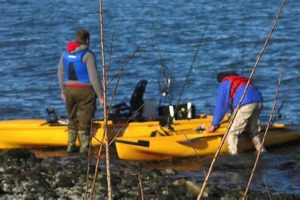
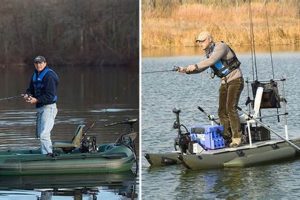
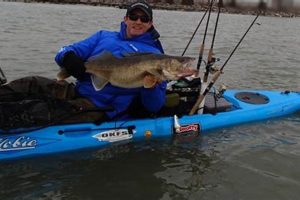
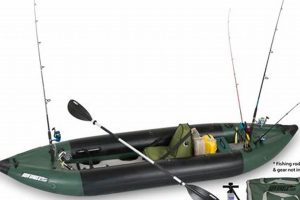
The sport of angling from small, human-powered vessels in the coastal waters near Corpus Christi, Texas, offers a unique blend of recreation and connection with nature. This area provides access to diverse ecosystems, including bays, estuaries, and the Gulf of Mexico, supporting a wide variety of fish species.
This activity provides numerous advantages. The shallow draft of these boats allows access to areas unreachable by larger vessels, opening up prime fishing spots. It offers a quiet, non-motorized approach, minimizing disturbance to fish and enhancing the overall experience. The regions generally calm waters and abundant sunshine make it an ideal location for this pursuit. Furthermore, the local economy benefits from the associated tourism and related industries.
The following sections will delve into specific aspects of this popular pastime, including recommended locations, target species, necessary equipment, and relevant regulations. Safety considerations and responsible angling practices will also be addressed to ensure a sustainable and enjoyable experience for all.
Tips for Kayak Fishing in Corpus Christi, Texas
Careful planning and preparation contribute significantly to a successful and enjoyable fishing experience from a kayak in the Corpus Christi area. The following tips provide valuable guidance for anglers of all skill levels.
Tip 1: Check Weather and Tide Charts: Wind and tidal currents can significantly impact kayak handling. Consulting forecasts before heading out ensures optimal conditions and enhances safety.
Tip 2: Choose the Right Launch Site: Different launch sites offer varying access to fishing grounds. Researching locations beforehand helps anglers reach desired areas efficiently. Consider factors like parking, fees, and amenities.
Tip 3: Pack Essential Gear: Proper equipment is crucial. This includes appropriate fishing tackle, safety gear (personal flotation device, whistle, signaling devices), and navigation aids (GPS, charts, compass).
Tip 4: Prioritize Safety: Wearing a personal flotation device is paramount. Informing someone of planned fishing locations and estimated return times is also a recommended safety precaution. Carrying a communication device, such as a VHF radio or waterproofed cell phone, is advised.
Tip 5: Employ Proper Kayak Fishing Techniques: Utilizing appropriate anchoring methods prevents drifting and maintains desired fishing positions. Learning kayak-specific casting and retrieval techniques maximizes fishing effectiveness.
Tip 6: Respect Local Regulations: Awareness and adherence to all applicable fishing regulations, including licensing requirements and size/catch limits, are essential for conservation and responsible angling.
Tip 7: Practice Leave No Trace Principles: Minimizing environmental impact by packing out all trash and avoiding disturbance to wildlife preserves the natural beauty of the area for future generations.
By adhering to these guidelines, anglers can enhance their chances of a productive and fulfilling fishing experience while prioritizing safety and environmental responsibility.
Following these preparatory steps and practical tips sets the stage for a rewarding experience on the waters of Corpus Christi.
1. Target Species

The diversity of fish species inhabiting the waters around Corpus Christi significantly influences the appeal of kayak fishing in the area. Anglers can target specific species based on their preferences and skill levels. Redfish, known for their powerful runs, are a popular choice, particularly in the shallow flats and marshes accessible by kayak. Speckled trout, prized for their sporting qualities and table fare, are another common target, often found near grass beds and oyster reefs. Flounder, masters of camouflage, present a unique angling challenge, especially in sandy or muddy bottom areas. The presence of these and other species like black drum and sheepshead contributes to the thriving kayak fishing scene in Corpus Christi.
Understanding the habits and preferred habitats of target species enhances angling success. Redfish, for example, are often targeted with lures that mimic the crabs and shrimp they feed on. Knowledge of tidal movements and water temperature further increases the likelihood of locating these fish. Similarly, speckled trout often respond to lures that imitate small baitfish. Focusing fishing efforts in areas with suitable structure, such as submerged vegetation or oyster bars, improves the chances of encountering speckled trout. By tailoring techniques to specific species, anglers maximize their chances of a successful catch.
The ability to target specific species contributes to the overall appeal and sustainability of kayak fishing in Corpus Christi. Anglers can refine their techniques and equipment choices, resulting in a more focused and rewarding experience. Furthermore, targeting specific species allows for selective harvesting, minimizing the impact on non-target populations and contributing to the long-term health of the fishery. This targeted approach ensures the continued enjoyment of this activity for future generations.
2. Launch Locations

Launch locations play a crucial role in kayak fishing within Corpus Christi, Texas, directly influencing accessibility to diverse fishing grounds and overall angling success. Strategic selection of a launch site considers factors such as target species, prevailing conditions, and desired fishing experience. Varied environments, from protected bays and shallow flats to deeper channels and open Gulf access points, cater to specific angling preferences. The geographic layout of Corpus Christi presents unique opportunities, with numerous public boat ramps, kayak-specific launches, and even accessible shoreline entry points providing anglers with options tailored to their needs.
Several popular launch locations offer distinct advantages. The Packery Channel, known for its consistent tidal flow and proximity to both bay and Gulf waters, attracts anglers seeking redfish, speckled trout, and flounder. Bird Island Basin, a relatively shallow and protected area, provides excellent opportunities for wading and kayak fishing, especially for those targeting redfish and black drum. Mustang Island State Park offers convenient beach access, ideal for launching kayaks directly into the Gulf of Mexico. Choosing a suitable launch location based on species preferences, weather conditions, and tidal movements maximizes fishing success and enhances overall enjoyment. For instance, anglers targeting speckled trout might choose a launch point near known grass beds or oyster reefs, while those seeking redfish might prefer areas with shallow flats and access to marsh systems.
Careful consideration of launch locations is essential for maximizing fishing success and ensuring a safe and enjoyable experience. Factors such as parking availability, proximity to amenities, and the presence of currents or other navigational hazards must be evaluated. Understanding the nuances of specific launch locations empowers anglers to make informed decisions, optimizing their time on the water and increasing their chances of a successful outing. This strategic approach ultimately contributes to a more fulfilling and productive kayak fishing experience in Corpus Christi.
3. Kayak Selection
Appropriate kayak selection significantly impacts the overall experience of kayak fishing in Corpus Christi, Texas. Choosing the right vessel enhances stability, maneuverability, and overall fishing effectiveness within the diverse coastal environments. Consideration of factors like hull design, length, and features specific to fishing contributes to both safety and enjoyment on the water.
- Stability
Stability is paramount, especially in the often-choppy waters of the bays and near-shore Gulf. Wider, flatter hulls generally provide greater initial stability, crucial for casting, reeling, and landing fish from a seated position. However, stability can be influenced by factors like kayak length and weight distribution. A stable platform allows anglers to focus on fishing rather than constantly correcting balance, enhancing both safety and enjoyment. For example, a wider, sit-on-top kayak offers enhanced stability compared to a narrower, sit-inside model, particularly for less experienced paddlers.
- Maneuverability
Maneuverability is crucial for navigating shallow flats, winding channels, and areas with submerged vegetation or other obstacles. Shorter kayaks generally turn more easily, while longer kayaks track better in open water. The chosen fishing location influences maneuverability needs. Kayaks designed for fishing often incorporate features like rudders or skegs, improving directional control in windy conditions or currents. In shallow areas, the ability to quickly change direction is vital for pursuing fish or avoiding submerged hazards. For instance, a shorter, lighter kayak is preferable for navigating tight mangrove trails, while a longer kayak with a rudder is better suited for open bays or the Gulf.
- Storage and Features
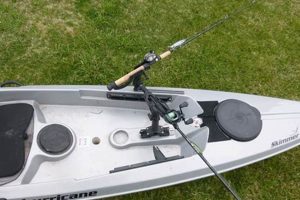
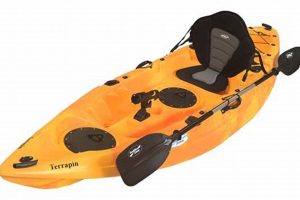
Ample storage space for tackle, rods, and other equipment is a key consideration. Kayaks designed specifically for fishing typically incorporate features like rod holders, tackle compartments, and even livewells. These features improve organization and efficiency on the water. Having essential gear readily accessible minimizes disruption to the fishing process. For example, integrated rod holders allow for hands-free trolling or drifting, while dedicated tackle storage keeps essential gear organized and protected from the elements. A kayak equipped with a livewell can keep baitfish fresh and lively throughout the fishing trip.
- Hull Design
Hull design impacts speed, tracking, and stability. Sit-on-top kayaks are generally preferred for fishing due to their self-bailing capabilities and ease of entry and exit. Sit-inside kayaks offer greater protection from the elements but can be more challenging to recover from a capsize. Choosing the appropriate hull design depends on individual preferences, prevailing conditions, and the type of fishing pursued. For instance, a sit-on-top kayak is well-suited for warmer weather and shallow-water fishing, while a sit-inside kayak might be preferred for colder conditions or longer excursions in open water.
The careful consideration of these facets of kayak selection directly contributes to a more productive and enjoyable kayak fishing experience in Corpus Christi. Matching the kayak’s characteristics to the specific conditions and target species enhances both safety and fishing effectiveness, allowing anglers to fully appreciate the unique opportunities this area offers.
4. Essential Gear

Appropriate gear is crucial for a safe and successful kayak fishing experience in Corpus Christi, Texas. The coastal environment presents unique challenges and opportunities, necessitating specific equipment choices to maximize fishing effectiveness and ensure angler safety. Careful consideration of essential gear contributes significantly to a positive and productive outing.
- Personal Flotation Device (PFD)
A properly fitted PFD is paramount for safety. Coastal waters can be unpredictable, and a PFD provides essential buoyancy in case of capsize or unexpected immersion. Texas law requires all vessels, including kayaks, to carry one approved PFD per person on board. Inflatable PFDs designed for fishing provide comfort and freedom of movement while offering crucial protection in emergencies.
- Paddle and Leash
A reliable paddle is essential for propulsion and maneuvering. A leash tethers the paddle to the kayak, preventing loss in case of a drop or capsize. Paddle length should be appropriate for the paddler’s height and kayak width. A comfortable grip and lightweight construction minimize fatigue during long paddling sessions.
- Fishing Tackle and Equipment
Rods, reels, lines, lures, and other terminal tackle should be selected based on target species and fishing techniques. Light to medium tackle is generally suitable for the common species found in Corpus Christi waters. A variety of lures and baits, including soft plastics, topwater plugs, and jigs, can be effective. A tackle box or bag keeps gear organized and readily accessible.
- Safety and Navigation Equipment
Essential safety equipment includes a whistle, signaling devices (mirror, flares), and a first-aid kit. Navigation aids such as a GPS unit, chart, or compass assist in route planning and staying oriented, especially in open water or unfamiliar areas. A waterproof bag or container protects electronic devices and other valuables from the elements. A VHF radio enables communication in emergencies and provides access to weather reports.
The selection and proper use of essential gear significantly influence the safety and success of kayak fishing excursions in Corpus Christi. Prioritizing safety equipment, choosing appropriate fishing tackle, and utilizing navigational aids enhances both the enjoyment and productivity of time spent on the water. Appropriate gear preparation allows anglers to focus on the fishing experience while mitigating potential risks and maximizing opportunities.
5. Safety Precautions
Safety precautions are paramount for kayak fishing in Corpus Christi, Texas, directly impacting angler well-being and the overall success of any outing. The coastal environment presents inherent risks, including changing weather conditions, strong currents, and vessel traffic. Implementing appropriate safety measures mitigates these risks, enabling a more enjoyable and secure experience. Neglecting safety protocols can lead to serious consequences, ranging from minor injuries to life-threatening situations. For example, venturing out without checking the marine forecast can expose anglers to sudden storms or high winds, creating hazardous paddling conditions. Similarly, ignoring tidal currents can lead to unexpected drift and difficulty returning to the launch site.
Several key safety precautions are essential. Wearing a properly fitted personal flotation device (PFD) is non-negotiable. A PFD provides crucial buoyancy in case of capsize or accidental immersion. Carrying a communication device, such as a VHF radio or waterproofed cell phone, enables contact in emergencies. Informing someone onshore of planned fishing locations and estimated return times provides an additional layer of security. Checking weather forecasts and tide charts prior to departure allows anglers to anticipate changing conditions and make informed decisions. Carrying essential safety gear, including a whistle, signaling devices, and a first-aid kit, further enhances preparedness. For instance, a whistle can attract attention in case of distress, while a signaling mirror can aid in long-distance communication.
Prioritizing safety precautions is integral to responsible kayak fishing in Corpus Christi. Understanding and mitigating potential risks ensures angler well-being and allows for a more focused and enjoyable experience. Adherence to established safety protocols fosters a culture of responsible angling, preserving the enjoyment of this activity for all. The combination of proper planning, appropriate gear, and continuous awareness of environmental conditions creates a safer and ultimately more rewarding experience on the water. This commitment to safety benefits not only individual anglers but also the broader community by reducing the need for emergency responses and promoting sustainable recreational practices.
6. Local Regulations
Adherence to local regulations is essential for the sustainable practice of kayak fishing within Corpus Christi, Texas. These regulations, established by the Texas Parks and Wildlife Department, govern aspects such as licensing requirements, catch limits, size restrictions, and permitted fishing methods. They aim to conserve fish populations, protect sensitive ecosystems, and ensure equitable access to resources. Non-compliance can result in fines, confiscation of equipment, and suspension of fishing privileges. Understanding and adhering to these regulations is not merely a legal obligation but a critical component of responsible angling practice. For example, observing size and bag limits for redfish helps maintain healthy populations of this popular game fish, ensuring its continued availability for future generations. Similarly, adhering to regulations regarding the use of live bait helps prevent the introduction of invasive species, protecting the ecological balance of the bay system.
Specific regulations relevant to kayak fishing in Corpus Christi include licensing requirements for anglers over the age of 17, varying bag and size limits for different species, and restrictions on certain fishing gear or methods in designated areas. For instance, specific areas may be designated as “catch and release only” for certain species during spawning seasons to protect breeding populations. Furthermore, regulations may prohibit the use of certain types of fishing nets or traps to minimize bycatch and protect non-target species. Awareness of these specific regulations, which can be accessed through the Texas Parks and Wildlife Department website, is crucial for all anglers. Understanding these regulations enables informed decision-making and fosters a culture of responsible fishing within the community. This responsible approach ensures the long-term health of the fishery and preserves the opportunity for future generations to enjoy the unique angling experiences offered in Corpus Christi.
Compliance with local regulations fosters a sustainable fishing environment and preserves the valuable resources of the Corpus Christi area. This commitment to responsible angling practices benefits not only the local ecosystem but also the long-term viability of the recreational fishing industry. By respecting these regulations, anglers contribute to the overall health of the fishery and ensure continued access to the diverse angling opportunities this region offers. Challenges can arise from variations in regulations across different bodies of water or changes implemented over time. Therefore, staying informed about current regulations remains crucial for maintaining legal compliance and promoting ethical angling practices. This proactive approach reinforces the importance of responsible stewardship of the natural environment and fosters a sustainable future for kayak fishing in Corpus Christi.
7. Environmental Impact
The environmental impact of kayak fishing in Corpus Christi, Texas, necessitates careful consideration and responsible practices. While generally considered a low-impact activity compared to motorized boating, kayak fishing can still affect the delicate coastal ecosystem. Potential impacts include disturbance to wildlife, habitat degradation, and pollution from discarded fishing gear or other debris. The shallow-draft nature of kayaks allows access to sensitive areas like seagrass beds and shallow marshes, increasing the potential for disturbance to nesting birds, fish nurseries, and other crucial habitats. Discarded fishing line, hooks, and other tackle can entangle wildlife, causing injury or death. Furthermore, improper disposal of bait or fish remains can alter local nutrient cycles and attract scavengers, disrupting natural ecological processes. For example, monofilament fishing line, if not disposed of properly, can persist in the environment for hundreds of years, posing a significant entanglement hazard to birds, turtles, and marine mammals. Similarly, the repeated grounding of kayaks in shallow seagrass beds can damage these vital habitats, affecting the numerous species that rely on them for food and shelter.
Minimizing environmental impact requires proactive measures and responsible angling practices. Utilizing appropriate anchoring techniques, such as stake-out poles or drift socks, minimizes disturbance to the seabed in shallow areas. Proper disposal of all trash, including fishing line and other debris, prevents pollution and protects wildlife. Practicing catch-and-release techniques, when appropriate, helps maintain healthy fish populations. Educating anglers about responsible kayaking practices, including proper waste disposal and respect for wildlife, fosters a culture of environmental stewardship. Supporting local conservation initiatives, such as coastal cleanups or habitat restoration projects, further contributes to the long-term health of the ecosystem. For instance, participating in organized shoreline cleanups helps remove accumulated debris, mitigating the impact of pollution on coastal habitats. Similarly, supporting organizations that advocate for responsible fishing practices and habitat conservation strengthens the collective effort to protect these valuable resources.
Understanding the potential environmental impacts and adopting responsible practices are crucial for ensuring the sustainability of kayak fishing in Corpus Christi. Balancing recreational enjoyment with environmental protection safeguards the delicate coastal ecosystem and preserves its value for future generations. Challenges remain in effectively communicating these principles to all anglers and ensuring consistent adherence to responsible practices. Ongoing efforts to educate and engage the kayaking community, combined with effective enforcement of existing regulations, are essential for minimizing the environmental footprint of this popular activity and maintaining the health and vitality of the Corpus Christi coastal ecosystem. This commitment to environmental stewardship ultimately benefits not only the natural environment but also the long-term viability of kayak fishing in the region.
Frequently Asked Questions about Kayak Fishing in Corpus Christi, Texas
This FAQ section addresses common inquiries regarding kayak fishing in Corpus Christi, providing concise and informative responses to assist anglers in planning successful and enjoyable outings.
Question 1: What are the most common target species for kayak anglers in Corpus Christi?
Redfish, speckled trout, and flounder are among the most frequently targeted species. Other popular targets include black drum, sheepshead, and various species of inshore sharks.
Question 2: Are there specific licensing requirements for kayak fishing in Texas?
Anglers over the age of 17 are generally required to hold a valid Texas fishing license with a saltwater endorsement. Exemptions apply in certain circumstances, such as fishing from designated piers or within state parks.
Question 3: Where can suitable kayak launch locations be found in Corpus Christi?
Numerous public boat ramps and kayak-specific launch sites provide access to various fishing areas. Popular locations include Packery Channel, Bird Island Basin, and Mustang Island State Park. Shoreline access is also available in certain areas.
Question 4: What safety precautions should be taken when kayak fishing in Corpus Christi?
Wearing a personal flotation device (PFD) is crucial. Checking weather forecasts and tide charts before departing is essential. Informing someone of planned fishing locations and estimated return times is also recommended. Carrying a communication device, such as a VHF radio or waterproofed cell phone, is advisable.
Question 5: What type of kayak is best suited for fishing in Corpus Christi waters?
Stable, sit-on-top kayaks designed specifically for fishing are generally preferred. Features like rod holders, ample storage, and rudder systems enhance fishing effectiveness and maneuverability.
Question 6: What environmental considerations should kayak anglers be mindful of in Corpus Christi?
Minimizing disturbance to wildlife and habitats is essential. Proper disposal of all trash, including fishing line and other debris, is crucial. Adherence to catch-and-release guidelines for certain species helps maintain healthy fish populations.
Addressing these common inquiries provides valuable insights for prospective kayak anglers, promoting both safe and responsible fishing practices within the Corpus Christi area. This knowledge contributes to enjoyable and sustainable angling experiences.
The following section offers further guidance on specific techniques and strategies for successful kayak fishing in Corpus Christi.
Kayak Fishing Corpus Christi Texas
This exploration of kayak fishing within the Corpus Christi, Texas, region has highlighted key elements contributing to successful and sustainable angling experiences. From species selection and launch site considerations to equipment choices and safety protocols, informed preparation is crucial. Respecting local regulations and minimizing environmental impact underscore the importance of responsible angling practices. The unique opportunities presented by this coastal environment, coupled with mindful planning and execution, cultivate rewarding experiences for anglers.
The future of kayak fishing in Corpus Christi hinges on the continued commitment to conservation and responsible stewardship. Prioritizing environmental protection and adhering to established regulations ensures the long-term health of the fishery and preserves this valuable resource for generations to come. Through informed decision-making and a collective dedication to sustainable practices, the vibrant kayak fishing community can ensure continued access to the diverse and rewarding angling opportunities offered within this unique coastal ecosystem.