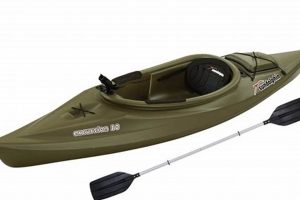
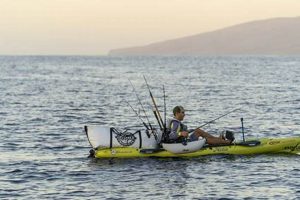
This activity involves angling from a small, human-powered watercraft in the coastal waters off Clearwater, Florida. It offers a unique blend of recreation and sport, allowing anglers to access shallow-water areas often unreachable by larger vessels. For example, anglers might target species such as redfish, snook, or trout in the estuaries and back bays.
The shallow draft of kayaks grants access to diverse fishing grounds, including mangrove forests, seagrass beds, and shallow flats, promoting close contact with the natural environment. This method can be both a physically engaging and environmentally conscious way to experience the abundant marine life Clearwater offers. Historically, smaller vessels have always played a role in fishing; however, the increasing popularity of kayaks has brought a new dimension to the sport, emphasizing maneuverability and a personalized angling experience.
This article will further explore topics such as suitable kayak types, recommended fishing gear, popular fishing spots in the area, necessary safety precautions, and relevant local regulations. It will also offer guidance on choosing appropriate bait and tackle, along with tips for improving angling success.
Kayak Fishing Tips for Clearwater
Successful kayak angling in Clearwater requires preparation and awareness. The following tips offer guidance for a safe and productive experience.
Tip 1: Check Weather and Tides: Prior to launching, consult marine forecasts for wind speed, wave height, and tidal currents. Favorable conditions enhance safety and improve fishing prospects. Strong winds and outgoing tides can create challenging conditions, especially for less experienced paddlers.
Tip 2: Choose Appropriate Gear: Select a kayak designed for stability and fishing functionality. Essential equipment includes a paddle, personal flotation device, anchor, and appropriate fishing rods, reels, and tackle. Rod holders and tackle storage within the kayak are crucial for organization and efficiency.
Tip 3: Plan a Route and Inform Someone: Establish a planned route, including designated fishing spots and estimated return time. Sharing this information with a contact on shore enhances safety and provides a point of contact in case of emergencies.
Tip 4: Respect Wildlife and the Environment: Practice catch-and-release whenever possible to preserve fish populations. Adhere to local fishing regulations and avoid disturbing sensitive habitats such as seagrass beds and nesting areas. Proper disposal of fishing line and other waste is crucial for environmental preservation.
Tip 5: Understand Local Regulations: Obtain necessary fishing licenses and familiarize oneself with local regulations regarding catch limits, permitted species, and restricted areas. This knowledge ensures legal compliance and contributes to sustainable fishing practices.
Tip 6: Prioritize Safety: Carry a signaling device such as a whistle or flare, and consider a VHF radio for communication in emergencies. A first-aid kit should also be readily accessible. Staying hydrated and sun-protected is essential for physical well-being during longer outings.
Tip 7: Learn Basic Kayak Handling: Acquire fundamental paddling skills and practice maneuvering the kayak before venturing into open water. Understanding how to control the kayak in different wind and current conditions improves safety and fishing effectiveness.
By adhering to these guidelines, anglers can significantly enhance their safety and improve their chances of a successful and enjoyable fishing experience. Responsible practices contribute to the long-term health of the Clearwater fishery and ensure its continued enjoyment for future generations.
In conclusion, careful planning and informed decision-making are key to successful kayak fishing. This article now proceeds to offer a detailed examination of recommended fishing spots within Clearwater waters.
1. Clearwater Locations

Clearwater, Florida, offers diverse inshore and nearshore fishing locations ideal for kayak angling. Choosing the right location is crucial for a successful and enjoyable fishing experience. The following explores key location considerations for kayak anglers in Clearwater.
- Caladesi Island State Park:
The calm, shallow waters surrounding Caladesi Island provide excellent opportunities for spotting and targeting redfish, snook, and trout. Kayak access allows anglers to navigate the island’s mangrove-lined shores and explore the shallow flats. The protected nature of the park minimizes boat traffic, creating a serene fishing environment. However, it’s important to be mindful of tidal currents and wind conditions, as they can affect paddling and fishing.
- Clearwater Harbor and the Intracoastal Waterway:
The Intracoastal Waterway (ICW) offers miles of protected waters ideal for kayak fishing. Clearwater Harbor, with its bridges, docks, and seawalls, provides structure that attracts various fish species. Anglers can target sheepshead, snapper, and grouper around these structures. The ICW presents a diverse environment, but navigating boat traffic requires caution. Understanding channel markers and maintaining safe paddling practices are essential.
- Honeymoon Island State Park:
Honeymoon Island offers a blend of sheltered mangrove estuaries and open-water access to the Gulf of Mexico. Kayak anglers can explore the shallow grass flats for snook and redfish or venture further out for species like mackerel and kingfish. The island’s varied habitats provide diverse fishing opportunities. However, anglers venturing offshore should carefully assess weather and sea conditions.
- Sand Key Park:
The nearshore waters of Sand Key Park offer opportunities for kayak anglers targeting species like snapper, grouper, and Spanish mackerel. The park’s location allows relatively easy access to deeper waters. While offering exciting fishing prospects, this location requires careful consideration of wind and currents, which can significantly impact kayak handling.
Selecting an appropriate Clearwater location is essential for maximizing kayak fishing success. Factors such as target species, angler experience, and prevailing conditions influence location choice. Researching specific locations and understanding their characteristics contributes significantly to a productive and enjoyable outing.
2. Kayak Selection
Appropriate kayak selection significantly impacts success and enjoyment while kayak fishing in Clearwater. Clearwater’s diverse fishing environments, ranging from calm estuaries to open Gulf waters, necessitate careful consideration of kayak characteristics. Choosing the right vessel enhances stability, maneuverability, and overall fishing effectiveness.
- Hull Design:
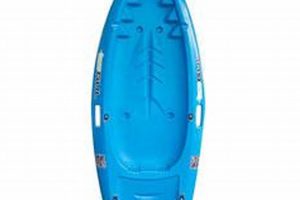
Hull design directly influences kayak stability and performance. Sit-on-top kayaks offer inherent stability and self-bailing capabilities, making them suitable for beginners and calmer waters. Sit-in kayaks provide better protection from the elements and increased speed, advantageous in open water or challenging conditions. A wider, flatter hull provides greater initial stability, while a longer, narrower hull enhances tracking and speed. Selecting a hull design appropriate for the intended fishing environment and angler experience is crucial in Clearwater’s varied waters.
- Length and Width:
Kayak dimensions influence maneuverability and stability. Shorter kayaks are more agile in tight spaces like mangrove tunnels, while longer kayaks track better in open water and offer increased storage capacity. Wider kayaks offer enhanced stability, particularly important for stand-up fishing, while narrower kayaks are faster and more efficient for paddling longer distances. Clearwater’s diverse fishing environments require anglers to balance maneuverability and stability when choosing kayak dimensions.
- Propulsion System:
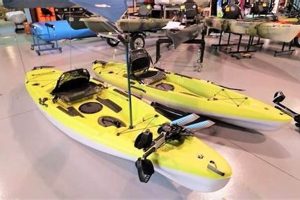
Kayaks utilize various propulsion systems, each with advantages and disadvantages. Paddle kayaks offer simplicity and affordability, relying on human power for movement. Pedal kayaks provide hands-free operation, beneficial for fishing, and offer increased speed and range. Motorized kayaks, while less common for inshore fishing, offer the greatest range and speed, suitable for covering larger distances in open water. Clearwater anglers should consider the distances they intend to cover and their preferred fishing style when selecting a propulsion system.
- Features and Accessories:
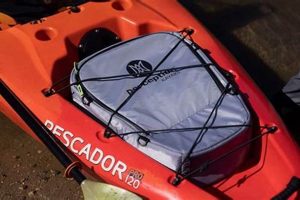
Specialized features enhance fishing functionality. Rod holders, tackle storage compartments, and anchor trolleys improve organization and efficiency on the water. Features like live wells and fish finders cater to specific angling needs. Adding accessories like rudder systems or GPS units further enhances kayak control and navigation. The availability of these features influences kayak selection, particularly for anglers targeting specific species or techniques in Clearwater.
Successful kayak fishing in Clearwater depends on selecting a kayak suited to the angler’s skill level, target species, and the specific fishing environment. Careful evaluation of hull design, dimensions, propulsion system, and available features ensures optimal performance, safety, and enjoyment on the water. The diverse conditions encountered in Clearwater necessitate a thoughtful approach to kayak selection to maximize the overall fishing experience.
3. Targeted Species

The range of species targeted significantly influences kayak fishing practices in Clearwater. Specific fish behavior, habitat preferences, and seasonal availability dictate equipment choices, location selection, and angling techniques. Understanding the connection between target species and kayak fishing in Clearwater is crucial for maximizing angling success and promoting responsible fishing practices. For example, targeting redfish, known for their inshore presence in shallow grass flats, requires a stable kayak with a shallow draft, allowing anglers to navigate these areas effectively. Conversely, pursuing pelagic species like kingfish or Spanish mackerel necessitates a more stable, seaworthy kayak capable of handling open water conditions and equipped for trolling or drifting techniques.
Clearwater’s diverse ecosystem supports a variety of game fish. Common targets include redfish, snook, trout, tarpon, snapper, grouper, and various pelagic species. Each species exhibits unique behaviors and habitat preferences. Redfish and snook often inhabit shallow grass flats and mangrove shorelines, while trout prefer deeper channels and seagrass beds. Pelagic species like kingfish and mackerel roam open waters, requiring different angling approaches. Matching kayak selection, tackle, and fishing techniques to the target species enhances success rates. Furthermore, understanding seasonal migrations and spawning patterns influences location choices and timing of fishing trips. For instance, tarpon migrate through Clearwater waters during specific months, creating a focused angling opportunity for kayak anglers prepared for their size and strength.
Targeting specific species in Clearwater requires adhering to local regulations and conservation guidelines. Size and bag limits, seasonal closures, and permitted fishing methods ensure the sustainability of fish populations and the long-term health of the ecosystem. Understanding these regulations is essential for responsible kayak fishing practices. Furthermore, proper handling and release techniques minimize stress on caught fish, promoting their survival. By aligning kayak fishing practices with the specific characteristics of targeted species and adhering to ethical guidelines, anglers contribute to the preservation of Clearwater’s valuable fishery and ensure its enjoyment for future generations. This targeted approach enhances the overall fishing experience and reinforces the importance of conservation within the sport.
4. Fishing Techniques
Fishing techniques employed in Clearwater’s waters from a kayak differ significantly from those used in larger vessels. Kayak angling necessitates adaptation to the smaller platform and closer proximity to the water. Specific techniques maximize success given these unique constraints. Drift fishing, for example, proves highly effective in areas with tidal flow. Anglers position the kayak to drift naturally with the current, presenting bait or lures to fish holding in ambush points along the current seams. This technique allows efficient coverage of a larger area while maintaining a natural presentation. Similarly, anchoring in strategic locations near structures like oyster bars or mangrove roots provides opportunities for targeted bottom fishing. Using lighter tackle and smaller lures becomes advantageous when casting from a kayak, reducing the risk of entanglement and maximizing precision. Adapting techniques to the kayak’s unique characteristics is crucial for successful angling in Clearwater’s diverse waters.
Several specialized techniques further enhance kayak fishing success in Clearwater. Trolling artificial lures behind the kayak while paddling slowly allows anglers to cover water efficiently, particularly when targeting pelagic species. Similarly, sight fishing, where anglers spot fish in the shallows and present lures or bait directly, becomes highly effective from the low vantage point of a kayak. The stealthy nature of kayak movement allows closer approaches to wary fish without disturbing them. Furthermore, techniques like jigging or using topwater lures can prove highly productive around structures or in areas with active baitfish. Mastering these specialized techniques, tailored to the kayak fishing experience, significantly increases the chances of success in Clearwater’s rich fishing grounds.
Effective kayak fishing in Clearwater hinges on understanding and adapting techniques to the unique challenges and opportunities this platform presents. Choosing appropriate techniques based on target species, location, and prevailing conditions maximizes angling effectiveness. Furthermore, prioritizing safety remains paramount when implementing various fishing techniques from a kayak. Maintaining stability, avoiding entanglement with fishing lines, and adhering to safe anchoring practices are crucial considerations. By skillfully integrating technique, location knowledge, and safety awareness, kayak anglers can fully enjoy and capitalize on the unique fishing opportunities Clearwater offers.
5. Safety Precautions
Safety precautions are paramount in kayak fishing within Clearwater waters. The environment presents inherent risks mitigated through informed preparation and responsible behavior. Ignoring safety protocols can lead to serious consequences, ranging from minor injuries to life-threatening situations. For instance, an angler neglecting to wear a personal flotation device (PFD) risks drowning if capsized, particularly in challenging conditions such as strong currents or rough seas. Similarly, failing to check weather forecasts before embarking can expose anglers to sudden storms or high winds, creating hazardous paddling conditions. Understanding and implementing appropriate safety measures forms an integral part of responsible kayak fishing in Clearwater.
Several key safety precautions apply specifically to kayak fishing in Clearwater. Given the area’s often shallow waters and abundant marine life, wearing appropriate footwear protects against cuts from oyster beds or stings from marine organisms. Carrying a signaling device, such as a whistle or flare, enables communication in emergencies, particularly given the limited visibility from a kayak. Furthermore, informing someone ashore of the intended fishing route and estimated return time provides an additional safety net. Should an unforeseen event occur, this information allows for timely assistance. Practical application of these precautions demonstrates a commitment to responsible angling practices and significantly reduces potential risks. Real-life examples highlight their importance; a kayaker stranded due to equipment failure relies on their signaling device to alert nearby vessels, while a pre-informed contact ashore can initiate search and rescue if an angler fails to return as planned.
Careful consideration of safety precautions is essential for successful and incident-free kayak fishing in Clearwater. Integrating these practices into every fishing trip ensures angler well-being and fosters a culture of responsible engagement with the marine environment. Challenges such as changing weather patterns, varying water conditions, and potential interactions with marine life necessitate constant vigilance and adaptation of safety measures. Addressing these challenges through consistent implementation of safety protocols underscores the importance of preparedness and informed decision-making in kayak fishing.
Frequently Asked Questions
This section addresses common inquiries regarding kayak fishing in Clearwater, Florida. The information provided aims to offer practical guidance and promote safe and responsible angling practices.
Question 1: What are the essential safety precautions for kayak fishing in Clearwater?
Essential safety precautions include wearing a personal flotation device (PFD), checking weather forecasts before embarking, informing someone of the intended fishing route and return time, carrying a signaling device, and being aware of potential hazards such as boat traffic and changing weather conditions.
Question 2: What fishing license requirements apply to kayak fishing in Clearwater?
Florida fishing license regulations apply to kayak fishing. Anglers must possess a valid fishing license appropriate for the species targeted and the type of fishing pursued (freshwater or saltwater). License requirements vary based on residency and duration. Consulting the Florida Fish and Wildlife Conservation Commission (FWC) website provides detailed information and ensures compliance.
Question 3: What are the recommended kayak types for fishing in Clearwater?
Kayak choice depends on the intended fishing location and angler experience. Sit-on-top kayaks offer stability and are suitable for beginners and calmer waters. Sit-in kayaks provide better protection from the elements and increased speed, beneficial in open water. Consider hull design, length, width, and propulsion systems based on individual needs and preferences.
Question 4: What are the top target species for kayak anglers in Clearwater?
Clearwater offers diverse fishing opportunities. Popular target species include redfish, snook, trout, tarpon, snapper, grouper, Spanish mackerel, and kingfish. Species preference often dictates location selection and fishing techniques. Researching specific species habitats and behaviors enhances angling success.
Question 5: What are the best times to fish from a kayak in Clearwater?
Fishing success depends on various factors, including tides, weather, and target species behavior. Generally, fishing during moving tides, early mornings, and late evenings proves productive. Understanding tidal flows and their influence on fish movement enhances fishing outcomes. Researching specific species’ feeding patterns also contributes to successful timing.
Question 6: Where can one find information regarding local fishing regulations and restrictions in Clearwater?
The Florida Fish and Wildlife Conservation Commission (FWC) website provides comprehensive information on fishing regulations, including size and bag limits, seasonal closures, and permitted fishing methods. Local bait and tackle shops can also offer valuable insights into current regulations and fishing conditions.
Addressing these common questions provides a foundation for a safe and successful kayak fishing experience in Clearwater. Thorough preparation and adherence to regulations ensure both angler enjoyment and the preservation of the local ecosystem.
The next section will offer detailed maps and further resources pertinent to kayak fishing within the Clearwater area.
Kayak Fishing Clearwater
This exploration of kayak fishing in Clearwater, Florida, has highlighted key aspects of this popular activity. From location selection and kayak choice to targeted species and essential safety precautions, the information presented provides a comprehensive overview for anglers of all experience levels. Emphasis has been placed on the importance of responsible angling practices, including adherence to local regulations and conservation guidelines, ensuring the sustainability of Clearwater’s valuable fishery. Understanding the interplay between environmental factors, target species behavior, and appropriate fishing techniques contributes significantly to angling success and promotes a deeper appreciation for the marine ecosystem.
Kayak fishing in Clearwater offers a unique opportunity to connect with nature while enjoying the thrill of the sport. The information provided equips anglers to embark on safe and rewarding fishing adventures, fostering a culture of respect for the environment and a commitment to preserving this valuable resource for future generations. Continued exploration of Clearwater’s diverse fishing grounds, coupled with responsible angling practices, promises enriching experiences and contributes to the long-term health and vitality of this exceptional coastal ecosystem.