The cost of a kayak can vary significantly based on several factors, including the type of kayak (recreational, touring, fishing, whitewater), the materials used in its construction (plastic, fiberglass, composite), its size and features (single/tandem, rudder/skeg, storage capacity), and the brand reputation. For instance, a basic recreational kayak might cost a few hundred dollars, while a high-end fishing kayak with advanced features could cost several thousand. Understanding these factors is crucial for making informed purchasing decisions.
Informed consumers benefit from researching the market. Having a clear budget and understanding the relationship between cost and features allows for more efficient decision-making and ultimately a more satisfying purchase. Historically, kayaks were primarily constructed from natural materials like wood and animal skins, influencing their cost and accessibility. Modern materials and manufacturing processes have broadened the market, offering various options at different price points.
This article delves further into the factors affecting cost, offering guidance on evaluating various kayak types, materials, and features to help readers determine the best value for their individual needs and budget. Subsequent sections will explore specific kayak categories and offer comparative pricing analyses.
Acquiring a kayak requires careful consideration of budgetary constraints and desired features. The following tips offer guidance for navigating the market effectively.
Tip 1: Define Intended Use: Clarifying the kayak’s primary purposerecreation, fishing, touring, or whitewatersignificantly narrows the field and helps establish a realistic budget.
Tip 2: Research Materials: Understanding the advantages and disadvantages of various construction materialsplastic, fiberglass, compositeinforms decisions regarding durability, performance, and cost.
Tip 3: Consider Size and Features: Evaluating needs regarding seating capacity (single vs. tandem), storage, rudder/skeg systems, and other features allows for a more focused search.
Tip 4: Compare Brands and Retailers: Exploring different manufacturers and retailers often reveals variations in pricing and warranty offerings for comparable models.
Tip 5: Explore Used Options: The pre-owned market can provide significant cost savings, but thorough inspection and assessment of condition are essential.
Tip 6: Factor in Accessories: Remembering additional expenses like paddles, life vests, roof racks, and storage solutions ensures a comprehensive budget.
Tip 7: Seek Expert Advice: Consulting with experienced kayakers or reputable retailers provides valuable insights and personalized recommendations.
By considering these factors, consumers can make informed purchasing decisions aligned with their individual needs and budgetary constraints, ensuring a satisfying kayaking experience.
These tips offer a starting point for informed decision-making. The following sections will provide a more in-depth exploration of specific kayak types and pricing considerations.
1. Material

Kayak construction materials significantly influence cost, durability, performance, and overall value. Understanding the properties of common materials allows for informed decisions aligned with individual needs and budget constraints. Material selection represents a crucial step in the kayak acquisition process.
- Polyethylene (Plastic)
Polyethylene kayaks, often rotomolded, represent the most common and generally most affordable option. Durable and impact-resistant, they suit recreational use and handle typical wear and tear. However, they can be heavier than other materials and may be less efficient for longer journeys. Rotational molding creates a seamless, virtually indestructible hull.
- Fiberglass
Fiberglass kayaks offer a balance of performance and affordability. Lighter and more efficient than polyethylene, they provide better speed and maneuverability. However, they require more careful handling to avoid scratches and cracks. Fiberglass construction involves layering fiberglass cloth and resin, resulting in a stiff, lightweight hull.
- Composite (Carbon Fiber, Kevlar, etc.)
Composite materials, including carbon fiber and Kevlar, produce the lightest, stiffest, and highest-performing kayaks. Their superior efficiency and responsiveness come at a premium price. These kayaks require meticulous care to prevent damage. Composite construction involves advanced techniques and materials, resulting in a premium, high-performance hull.
- Inflatable/Folding Kayaks
Constructed from durable materials like PVC or Hypalon, these kayaks prioritize portability and storage convenience. Generally less expensive than rigid kayaks, they offer versatility for users with limited storage space. Performance characteristics vary depending on design and materials. Some high-end inflatable kayaks can offer surprisingly good performance approaching that of rigid kayaks.
The interplay between material choice, performance characteristics, and price underscores the importance of careful consideration during the kayak selection process. Balancing desired performance attributes with budgetary limitations ensures a satisfying purchase. By understanding the advantages and disadvantages of each material, consumers can make informed decisions aligned with their individual paddling needs and financial resources.
2. Type

Kayak type significantly influences price, reflecting design complexity, materials used, and intended purpose. Understanding the distinctions between various kayak types empowers informed purchasing decisions aligned with individual paddling needs and budgetary constraints. Kayak categorization provides a crucial framework for evaluating cost and performance expectations.
- Recreational Kayaks
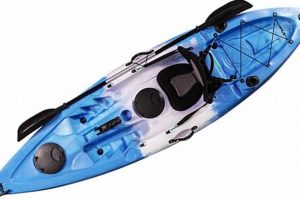
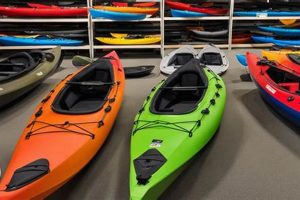
Designed for calm waters and shorter trips, recreational kayaks prioritize stability and ease of use. Generally shorter and wider than other types, they are constructed from durable, often less expensive materials like rotomolded polyethylene. Their simplicity and affordability make them a popular entry-level option. Examples include sit-on-top and sit-inside recreational models suitable for lakes and slow-moving rivers.
- Touring Kayaks
Built for longer journeys and open water conditions, touring kayaks prioritize efficiency, tracking, and storage capacity. Longer and narrower than recreational kayaks, they often feature rudders or skegs for enhanced directional control. Construction materials typically include fiberglass or composite, contributing to higher price points. Examples include sea kayaks and expedition kayaks designed for multi-day trips and challenging conditions.
- Fishing Kayaks
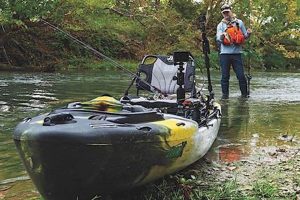
Equipped with specialized features like rod holders, live wells, and anchor trolleys, fishing kayaks cater to anglers. Stability is a key consideration, with designs often incorporating wider hulls and specialized seating systems. Prices vary depending on features and materials, ranging from affordable sit-on-top models to premium pedal-powered versions. Examples include sit-on-top and sit-inside fishing kayaks designed for freshwater and saltwater environments.
- Whitewater Kayaks
Engineered for navigating rapids and challenging river conditions, whitewater kayaks prioritize maneuverability and durability. Shorter and more rockered than other types, they are constructed from high-impact-resistant materials. Specialized features like thigh straps and spray skirts enhance control and safety. Prices reflect design complexity and material selection, often placing them at a higher price point than recreational kayaks. Examples include creek boats, playboats, and river runners designed for different whitewater environments.
The relationship between kayak type and price reflects a complex interplay of design, materials, and intended use. By carefully considering individual paddling needs and budgetary constraints, consumers can navigate the various kayak categories effectively. Evaluating performance characteristics and features within each type ensures a satisfying purchase aligned with specific on-the-water objectives. The cost of a kayak is ultimately an investment in the experiences it enables.
3. Features

Features significantly influence kayak cost, reflecting design complexity, material choices, and added functionality. Understanding the impact of various features on overall price empowers informed purchasing decisions aligned with individual needs and budgetary constraints. Feature selection represents a crucial aspect of balancing desired performance attributes with cost considerations.
- Seating and Comfort
Seating systems range from basic molded seats to adjustable, padded configurations with enhanced back support. Upgraded seating typically increases cost but contributes significantly to comfort, especially during longer trips. Examples include adjustable backrests, thigh braces, and integrated lumbar support. Ergonomic design and premium materials enhance comfort but often come at a premium price.
- Storage Options
Storage capacity and accessibility influence cost, reflecting design complexity and material choices. Kayaks with larger hatches, dry storage compartments, and integrated bungee systems offer enhanced practicality but often come at a higher price. Examples include watertight hatches, recessed storage wells, and deck rigging for securing gear. Ample storage space is crucial for longer expeditions and carrying essential equipment.
- Rudder and Skeg Systems
Rudders and skegs enhance directional control, particularly in windy or challenging conditions. These features add complexity and cost, reflecting the mechanical components and installation requirements. Rudder systems offer active control, while skegs provide passive tracking assistance. The choice between a rudder and a skeg depends on paddling style and intended use. These features improve tracking and maneuverability, particularly in open water or currents.
- Propulsion Systems
Beyond traditional paddles, kayaks may feature pedal-powered or motorized propulsion systems. These systems significantly increase cost but offer advantages in speed, endurance, and hands-free fishing. Pedal drives utilize either propeller or fin systems, while electric motors provide direct power. These features impact price, reflecting the complexity and technology involved. Propulsion systems offer alternatives to paddling, enhancing speed, range, and fishing capabilities.
The cumulative impact of features on kayak cost requires careful evaluation during the selection process. Balancing desired functionality with budgetary limitations ensures a satisfying purchase. By understanding the contribution of each feature to overall price and performance, consumers can make informed decisions aligned with their individual paddling needs and financial resources. Features enhance the kayaking experience, but careful selection is crucial to optimize value and avoid unnecessary expenses.
4. Brand
Brand reputation significantly influences kayak pricing. Established brands often command higher prices, reflecting perceived quality, advanced manufacturing techniques, innovative designs, and robust warranties. This premium represents an investment in expected durability, performance, and customer support. Conversely, lesser-known brands may offer lower prices, potentially representing value for budget-conscious consumers. However, thorough research into quality, materials, and warranty coverage is crucial when considering less-established manufacturers. For instance, brands like Wilderness Systems, Perception Kayaks, and Old Town Canoe & Kayak typically occupy a higher price bracket due to their established reputation and track record. Newer or smaller brands might offer comparable features at lower prices, but careful consideration of quality and long-term durability is essential.
Several factors contribute to the brand-price relationship. Research and development investments by established brands often lead to innovative designs, advanced materials, and enhanced performance characteristics. These advancements contribute to higher manufacturing costs, reflected in the final price. Furthermore, comprehensive warranties and robust customer support networks add value to the brand, justifying a price premium. Consumers often associate established brands with higher quality control standards, reducing the perceived risk of manufacturing defects or premature wear. Practical implications of understanding this relationship include making informed decisions based on individual needs, budget constraints, and risk tolerance. Investing in a reputable brand often provides peace of mind and access to reliable customer service, while exploring lesser-known brands may offer cost savings for discerning consumers willing to conduct thorough research.
Navigating the brand landscape requires balancing cost considerations with desired quality and features. Recognizing the factors that contribute to brand reputation empowers informed purchasing decisions. While established brands often represent a higher initial investment, they can provide long-term value through enhanced durability, performance, and customer support. Evaluating lesser-known brands requires careful research to assess quality and warranty coverage. Ultimately, understanding the brand-price relationship empowers consumers to make informed decisions aligned with individual needs, budgetary constraints, and risk tolerance.
5. Condition (New/Used)

The condition of a kayakwhether new or useddirectly impacts its price. New kayaks carry the full manufacturer’s suggested retail price and offer the assurance of undamaged components and a full warranty. Used kayaks, however, offer potential cost savings, though require careful assessment to balance price against potential wear, tear, and necessary repairs. Understanding the implications of purchasing a new versus used kayak allows for informed decisions aligned with budget and risk tolerance.
- New Kayaks
Purchasing a new kayak provides the assurance of pristine condition, undamaged components, and the full manufacturer’s warranty. This comes at a premium price, reflecting the absence of wear and tear. New kayaks offer peace of mind, especially for those new to the sport or seeking specific features without compromise. Retailers offer a range of new kayak models, providing ample opportunity to compare features, brands, and pricing.
- Used Kayaks
Used kayaks offer significant cost savings compared to new models. However, careful inspection is crucial to assess the condition of the hull, deck, seating, and any included accessories. Evaluating wear and tear, potential repairs, and remaining lifespan factors into determining fair market value. Sources for used kayaks include online marketplaces, classified ads, and local paddling clubs. Purchasing a used kayak allows for potential entry into the sport at a lower price point or access to higher-end models within a given budget.
- Factors Affecting Used Kayak Prices
Several factors influence the price of a used kayak. Age, usage, storage conditions, and any previous repairs significantly impact value. Proper storage and maintenance contribute to higher resale value. Signs of wear, such as scratches, dents, or fading, typically lower the asking price. Assessing the overall condition and comparing prices against similar models helps determine a fair offer. Understanding these factors empowers informed negotiations and ensures a reasonable purchase price.
- Warranty Considerations
New kayaks typically include a manufacturer’s warranty covering defects in materials and workmanship. Used kayaks may have a remaining warranty period, offering some protection against unforeseen issues. Transferability of warranties varies depending on the manufacturer and specific terms. Clarifying warranty coverage before purchase is crucial, as it impacts the overall value and risk associated with a used kayak. A remaining warranty can provide valuable peace of mind and potential cost savings on repairs.
Balancing the desire for a pristine kayak with budgetary constraints requires careful consideration of the condition-price relationship. New kayaks offer the assurance of quality and warranty coverage, while used kayaks present potential cost savings balanced against the need for thorough inspection and assessment. Ultimately, understanding the factors influencing price in both new and used markets empowers informed decisions aligned with individual needs and risk tolerance. The choice between a new and used kayak depends on a combination of budget, desired features, and the level of risk one is willing to accept.
Frequently Asked Questions (FAQ)
This section addresses common inquiries regarding kayak pricing, aiming to provide clarity and facilitate informed purchasing decisions.
Question 1: What is the average price range for a recreational kayak?
Recreational kayak prices typically range from $300 to $1,000, depending on size, features, and material. Entry-level models fall at the lower end of this spectrum, while feature-rich recreational kayaks with upgraded seating or storage options reach the higher end.
Question 2: How does the price of a fishing kayak compare to a recreational kayak?
Fishing kayaks generally command a higher price than comparable recreational models due to specialized features like rod holders, live wells, and anchor trolleys. Expect to pay a premium for these additions, ranging from several hundred dollars to over a thousand, depending on the complexity and integration of these features.
Question 3: Are inflatable kayaks a cost-effective alternative to rigid kayaks?
Inflatable kayaks often present a lower initial cost compared to rigid kayaks, particularly those constructed from composite materials. While providing a budget-friendly entry point, performance characteristics and durability should be carefully considered. High-end inflatable kayaks, however, can rival rigid kayaks in performance but often come at a comparable price.
Question 4: How does brand reputation affect kayak pricing?
Established brands often command higher prices, reflecting perceived quality, advanced manufacturing processes, innovative designs, and comprehensive warranties. This premium represents an investment in expected durability, performance, and customer support. Lesser-known brands may offer competitive pricing, requiring careful evaluation of quality and features.
Question 5: What factors should be considered when evaluating the price of a used kayak?
Evaluating a used kayak requires assessing age, usage, storage conditions, and any previous repairs. Visible wear, such as scratches, dents, or fading, impacts value. Determining a fair price requires comparing similar models and considering the remaining lifespan of the kayak.
Question 6: How do added features like rudders, skegs, and upgraded seating affect the overall price?
Added features contribute to higher kayak costs. Rudders and skegs improve tracking and maneuverability, adding mechanical complexity. Upgraded seating enhances comfort but utilizes premium materials and design. Evaluating the necessity of these features against budget constraints ensures a balanced purchase decision.
Understanding the factors influencing kayak cost empowers informed purchasing decisions. Balancing desired features, brand reputation, and condition against budgetary constraints ensures a satisfying kayak ownership experience.
The next section will delve into specific kayak recommendations based on budget and intended use.
Kayak Boat Price
Navigating the kayak market requires a comprehensive understanding of the factors influencing cost. Material selection, kayak type, included features, brand reputation, and condition (new or used) all play a crucial role in determining the overall expenditure. Informed purchasers benefit from evaluating these factors in relation to individual needs and budgetary constraints. A thorough assessment ensures a balanced decision, optimizing value and maximizing on-the-water enjoyment.
Ultimately, the cost of a kayak represents an investment in experience. Careful consideration of the factors outlined herein empowers informed decision-making, leading to a satisfying purchase and countless hours of paddling enjoyment. Prudent evaluation ensures that the chosen kayak aligns seamlessly with individual needs, paddling style, and budgetary parameters, fostering a fulfilling and enriching connection with the water.