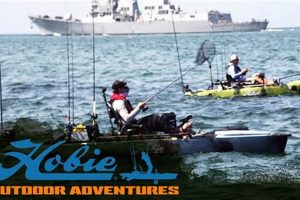
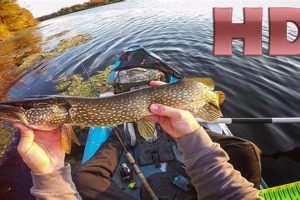
This activity involves angling from a small, human-powered vessel in the waters surrounding the Republic of Panama. It offers access to diverse marine environments, from sheltered bays and mangroves to nearshore reefs and islands. The practice can range from leisurely angling for smaller reef fish to targeting larger pelagic species.
The combination of a readily accessible, biologically rich ecosystem and a non-motorized approach presents significant advantages. It allows for a quiet, low-impact exploration of diverse habitats, offering a closer connection with nature. The relatively shallow draft of kayaks permits entry into areas unreachable by larger vessels, opening up unique fishing opportunities. This form of angling has grown in popularity in recent years, reflecting a global trend towards sustainable and experiential tourism.
Further exploration of this topic will encompass considerations such as suitable locations, target species, equipment needs, licensing and regulations, and responsible fishing practices. It will also touch upon the broader context of sport fishing in Panama and its contribution to the local economy and conservation efforts.
Tips for Kayak Fishing in Panama
Careful planning and preparation are essential for a successful and enjoyable experience. The following tips offer guidance for anglers of all skill levels.
Tip 1: Research and select appropriate locations. Different areas offer varying conditions and species. Consider factors such as target species, water depth, currents, and accessibility.
Tip 2: Choose suitable equipment. Kayak selection depends on intended fishing style and location. Essential gear includes rods, reels, tackle, and safety equipment like a personal flotation device (PFD), whistle, and signaling mirror.
Tip 3: Prioritize safety. Check weather forecasts before departure and be aware of changing conditions. Carry communication devices and inform someone of your plans.
Tip 4: Understand local regulations. Obtain necessary fishing permits and familiarize oneself with size and catch limits. Adhere to responsible fishing practices to ensure the sustainability of fish populations.
Tip 5: Engage local guides. Local guides offer invaluable insights into the best fishing spots, techniques, and local conditions. They can significantly enhance the fishing experience and contribute to local economies.
Tip 6: Pack essential supplies. Bring ample water, sunscreen, insect repellent, and a hat. A dry bag is recommended for protecting electronic devices and other valuables.
Tip 7: Respect the environment. Practice catch and release whenever possible. Properly dispose of fishing line and other waste to minimize environmental impact.
Adhering to these guidelines will contribute to a safe, productive, and environmentally responsible experience. Careful planning and a respect for the natural environment are key to maximizing enjoyment and preserving these valuable resources for future generations.
This information serves as a starting point for anglers considering this activity. Further research and preparation will contribute to a rewarding experience on the waters of Panama.
1. Location Selection

Strategic location selection is paramount for successful angling in Panama’s diverse waters. The chosen locale directly influences the species encountered, the fishing techniques employed, and the overall experience. Careful consideration of factors such as target species, water conditions, and accessibility is essential for maximizing fishing success and ensuring a safe and enjoyable outing.
- Coastal Environments
Panama’s extensive coastline presents a variety of nearshore environments suitable for kayak angling. Sheltered bays and estuaries offer calmer waters ideal for targeting smaller species like snapper and snook. Rocky coastlines and reefs provide habitat for larger game fish such as grouper and amberjack. Choosing the appropriate coastal environment aligns with the angler’s skill level and target species.
- Island Archipelagos
The Pearl Islands and the Bocas del Toro archipelago offer exceptional opportunities for kayak fishing. These islands provide access to diverse habitats, including mangroves, coral reefs, and deep-water drop-offs. The abundance of marine life and the relatively protected waters make these locations attractive for anglers seeking a variety of species and challenging fishing experiences.
- Freshwater Rivers and Lakes
Beyond saltwater environments, Panama offers opportunities for freshwater kayak fishing in rivers and lakes. Gatun Lake, created during the construction of the Panama Canal, is a prime example, known for its peacock bass and other freshwater species. River systems throughout the country offer further possibilities for exploring diverse freshwater ecosystems.
- Accessibility and Logistics
Accessibility plays a crucial role in location selection. Some areas require longer boat rides or challenging overland travel. Considering factors like launch points, available facilities, and proximity to accommodations is crucial for a seamless and enjoyable experience. Prior research and logistical planning are essential for navigating the diverse terrain and accessing desired fishing spots.
Effective location selection optimizes the chances of a successful and rewarding kayak fishing experience in Panama. By carefully evaluating the characteristics of different locations and aligning them with personal fishing goals and logistical considerations, anglers can maximize their enjoyment and connect with the rich aquatic biodiversity of this region.
2. Target Species

The diverse marine and freshwater ecosystems of Panama support a rich variety of fish species, making it a compelling destination for anglers. Selecting target species influences location choices, tackle and bait selection, and overall fishing strategies. Understanding the behavior and habitat preferences of desired species is crucial for a successful and rewarding kayak fishing experience.
- Inshore Species
Inshore areas such as mangroves, estuaries, and shallow reefs offer opportunities to target species like snook, snapper, tarpon, and jacks. These fish are often targeted using lighter tackle and lures, providing an engaging experience for anglers of varying skill levels. Knowledge of tidal patterns and baitfish activity enhances success in these environments.
- Offshore Pelagic Species
Venturing further offshore in a kayak allows anglers to pursue pelagic species such as tuna, mahi-mahi (dorado), wahoo, and marlin. These powerful fish require heavier tackle and specialized techniques like trolling or live bait fishing. Offshore kayak fishing demands careful planning, attention to weather conditions, and appropriate safety precautions.
- Reef-Associated Species
Coral reefs and rocky structures harbor a variety of fish species, including grouper, snapper, amberjack, and barracuda. These areas offer opportunities for bottom fishing, jigging, and casting lures. Understanding the structure of the reef and the preferred habitat of target species is essential for success.
- Freshwater Species
Panama’s freshwater environments, including Gatun Lake and various river systems, offer opportunities to target species such as peacock bass, snook, and tarpon. These areas often require different fishing techniques and tackle compared to saltwater environments. Understanding the specific conditions and species present in each freshwater system is essential for a productive fishing trip.
Careful consideration of target species is integral to planning a successful kayak fishing trip in Panama. Matching location, tackle, and techniques to the specific species sought maximizes the chances of a rewarding experience and allows anglers to connect with the diverse aquatic life of this region. Further research into the specific characteristics and behaviors of target species enhances fishing success and contributes to a deeper understanding of the ecosystem.
3. Equipment Essentials
Appropriate equipment is fundamental to a successful and enjoyable kayak fishing experience in Panama. The selection of gear directly impacts safety, fishing effectiveness, and overall comfort. Careful consideration of the specific conditions and target species will guide equipment choices and ensure anglers are well-prepared for the challenges and opportunities presented by Panama’s diverse waters.
- Kayak Selection
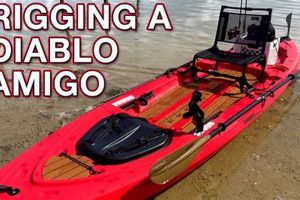
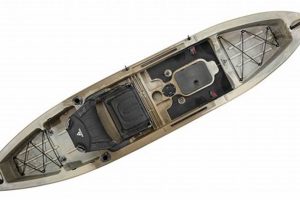
Kayak choice depends on the intended fishing environment and personal preferences. Sit-on-top kayaks offer stability and ease of re-entry in warmer climates, while sit-inside kayaks provide better protection from the elements in cooler conditions or rougher waters. Consider factors like length, width, and weight capacity when selecting a kayak for fishing. Specialized fishing kayaks often feature built-in rod holders, storage compartments, and other angler-specific features.
- Fishing Gear
Rods, reels, and tackle should be chosen based on the target species and fishing techniques employed. Lighter tackle is suitable for inshore fishing, while heavier gear is necessary for offshore pursuits. A selection of lures, hooks, and lines appropriate for the target species is essential. Consider including a landing net and fish grips for handling fish safely and efficiently.
- Safety Equipment
Safety should be a paramount concern. A personal flotation device (PFD) is mandatory and should be worn at all times. A whistle, signaling mirror, and VHF radio enhance safety in case of emergencies. A first-aid kit and a waterproof bag for essential electronics and documents are also recommended. Navigation tools like a GPS device or chart plotter can be valuable, particularly in unfamiliar waters.
- Personal Gear
Protecting oneself from the elements is crucial for comfort and safety. Wear appropriate clothing for sun protection, including a hat, long-sleeved shirt, and sunglasses. Sunscreen and insect repellent are essential in tropical climates. Pack ample water and snacks to maintain energy levels throughout the fishing trip. A dry bag or waterproof container protects valuables from splashes and unexpected rain.
The careful selection and proper use of essential equipment contribute significantly to a positive and productive kayak fishing experience in Panama. Investing in quality gear enhances safety, improves fishing effectiveness, and ensures comfort on the water. A well-prepared angler can focus on the enjoyment of fishing and fully appreciate the unique opportunities offered by Panama’s rich marine and freshwater ecosystems.
4. Safety Precautions
Safety is paramount in kayak fishing, particularly in the diverse and sometimes challenging environments found in Panama. Neglecting safety precautions can lead to serious incidents, jeopardizing not only the fishing trip but also personal well-being. Understanding and implementing appropriate safety measures is essential for a responsible and enjoyable experience.
- Weather Awareness
Weather conditions in Panama can change rapidly. Checking marine forecasts before embarking and remaining vigilant throughout the trip is crucial. Sudden squalls, strong winds, and lightning storms pose significant threats to kayakers. Postponing trips due to adverse weather demonstrates prudent judgment and prioritizes safety.
- Navigation and Communication
Carrying a reliable communication device, such as a VHF radio or a satellite phone, is vital for contacting help in emergencies. Knowledge of basic navigation principles and familiarity with the area’s waterways reduces the risk of disorientation. Carrying a GPS device and a waterproof chart or map provides valuable backup navigation tools. Informing someone onshore of the planned route and estimated return time is a fundamental safety practice.
- Personal Flotation and Safety Gear
Wearing a properly fitted personal flotation device (PFD) at all times is non-negotiable. A PFD provides essential buoyancy in case of capsizing or unexpected entry into the water. Carrying a whistle, signaling mirror, and a first-aid kit further enhances preparedness for emergencies. Regularly inspecting and maintaining safety equipment ensures its effectiveness when needed.
- Wildlife Awareness
Panama’s waters are home to a diverse range of marine life, some of which can pose hazards to kayakers. Awareness of potential encounters with sharks, stingrays, or jellyfish is important. Understanding how to react in such situations minimizes risks. Respecting wildlife and maintaining a safe distance contributes to both personal safety and the preservation of the marine environment.
Adhering to these safety precautions significantly mitigates risks associated with kayak fishing in Panama. A proactive approach to safety ensures a more enjoyable and responsible experience, allowing anglers to fully appreciate the beauty and bounty of Panama’s waters while minimizing potential hazards.
5. Local Regulations
Adherence to local regulations is essential for responsible and sustainable kayak fishing in Panama. These regulations aim to preserve fish populations, protect fragile ecosystems, and ensure equitable access to resources. Ignoring these rules can lead to penalties, damage the environment, and negatively impact the experiences of other anglers. Understanding and complying with these regulations is therefore a fundamental aspect of ethical and enjoyable kayak fishing.
Specific regulations govern fishing licenses, catch limits, size restrictions, and permitted fishing areas. Fishing licenses are typically required for both residents and visitors, and different licenses may apply to specific species or regions. Catch limits restrict the number of fish an angler can keep per day, helping to maintain healthy fish populations. Size restrictions ensure that younger fish have the opportunity to reproduce before being harvested. Designated fishing areas protect sensitive habitats and ensure that fishing activities do not disturb critical breeding grounds or other ecologically important zones. For example, certain areas may be closed during specific seasons to protect spawning fish. Understanding these regulations and obtaining necessary permits before embarking on a fishing trip is crucial. Resources such as the Autoridad de los Recursos Acuticos de Panam (ARAP) website provide detailed information on current regulations and licensing procedures.
Compliance with local regulations demonstrates respect for the environment and contributes to the long-term sustainability of Panama’s valuable fisheries. It fosters a culture of responsible angling and ensures that future generations can continue to enjoy the rich biodiversity of these waters. Disregarding regulations undermines conservation efforts and can lead to the depletion of fish stocks and damage to fragile ecosystems. By understanding and adhering to these rules, kayak anglers contribute to the preservation of Panama’s aquatic resources and uphold the principles of ethical and sustainable fishing.
6. Environmental Impact
Minimizing environmental impact is a crucial aspect of responsible kayak fishing in Panama. The fragility of coastal ecosystems and the potential for disturbance from human activities necessitate a mindful approach. Understanding the potential impacts and adopting sustainable practices ensures the preservation of these valuable resources for future generations.
- Habitat Disturbance
Kayaks, while less intrusive than motorized vessels, can still disturb sensitive habitats like seagrass beds and coral reefs if navigated carelessly. Running aground or dragging kayaks across shallow areas can damage these vital ecosystems. Practicing proper kayaking techniques, such as using designated channels and avoiding shallow areas, minimizes physical impacts on these habitats.
- Fishing Practices
Certain fishing practices can have detrimental effects on fish populations and the broader ecosystem. Overfishing, using illegal fishing gear, or targeting vulnerable species can deplete fish stocks and disrupt the natural balance. Adhering to catch and release practices, using appropriate gear, and respecting size and catch limits promotes sustainable fishing and preserves biodiversity.
- Pollution and Waste Disposal
Improper disposal of fishing line, hooks, and other waste can pollute waterways and harm marine life. Discarded fishing gear can entangle marine animals, causing injury or death. Carrying all trash back to shore and properly disposing of it minimizes pollution and protects the health of the ecosystem. Avoiding the use of single-use plastics further reduces environmental impact.
- Interaction with Wildlife
Close interactions with marine wildlife, while tempting, can disrupt animal behavior and cause stress. Maintaining a respectful distance from marine mammals, sea turtles, and seabirds allows them to thrive undisturbed. Avoiding feeding wildlife, as this can alter their natural foraging patterns and create dependence on human interaction.
By understanding and mitigating these potential environmental impacts, kayak anglers contribute to the long-term health and sustainability of Panama’s marine ecosystems. Adopting responsible fishing practices and respecting the natural environment ensures that these valuable resources remain vibrant and productive for generations to come. Integrating environmental awareness into every aspect of kayak fishing enhances the overall experience and fosters a deeper appreciation for the delicate balance of these ecosystems.
Frequently Asked Questions
This section addresses common inquiries regarding kayak fishing in Panama, providing concise and informative responses to facilitate informed decision-making and enhance the overall experience.
Question 1: What are the typical costs associated with kayak fishing in Panama?
Costs vary depending on factors such as kayak rental or purchase, guided tour participation, accommodation choices, and travel expenses. Independent anglers may incur lower costs compared to those opting for guided tours or all-inclusive packages.
Question 2: Are fishing licenses required, and how are they obtained?
Fishing licenses are generally required and can be obtained through the Autoridad de los Recursos Acuticos de Panam (ARAP) or authorized vendors. Regulations and fees vary depending on the type of fishing and the duration of the license.
Question 3: What are the best times of year for kayak fishing in Panama?
Panama’s tropical climate allows for year-round fishing, but specific species may be more prevalent during certain seasons. Researching target species and consulting local fishing reports can inform optimal timing decisions.
Question 4: What safety precautions should one take when kayak fishing in Panama?
Essential safety measures include wearing a personal flotation device (PFD), checking weather forecasts, carrying communication devices, and informing someone of intended fishing locations and return times. Awareness of local conditions, including currents and tides, is crucial.
Question 5: What are the recommended fishing techniques for kayak anglers in Panama?
Effective techniques vary based on target species and location. Common methods include trolling, casting lures, bottom fishing, and drift fishing. Local guides can provide valuable insights into effective techniques for specific areas.
Question 6: What are the regulations regarding catch limits and size restrictions?
Specific regulations govern catch limits, size restrictions, and permitted fishing areas. Consulting the ARAP website or local authorities provides essential information on current regulations and ensures compliance with established rules.
Thorough planning and adherence to regulations contribute significantly to a positive and responsible kayak fishing experience in Panama. Further research and consultation with local experts can provide additional insights and enhance preparedness for this unique angling opportunity.
For further information on specific aspects of kayak fishing in Panama, please consult the detailed sections provided throughout this resource.
Panama Kayak Fishing
This exploration of Panama kayak fishing has highlighted the diverse opportunities and important considerations associated with this activity. From the selection of suitable locations and target species to the essential equipment and safety precautions, careful planning is paramount for a successful and rewarding experience. Adherence to local regulations and a commitment to minimizing environmental impact are crucial for ensuring the sustainability of this valuable resource. The information presented provides a comprehensive overview of the key aspects, empowering anglers to make informed decisions and engage responsibly with Panama’s rich aquatic ecosystems.
The future of Panama kayak fishing rests on the continued commitment to sustainable practices and responsible angling. Preserving the delicate balance of these ecosystems ensures that future generations can continue to enjoy the unique opportunities offered by this activity. Further research and engagement with local communities will contribute to a deeper understanding and appreciation of the ecological significance of Panama’s waters. The potential for growth in this sector hinges on responsible management and a collective effort to protect these valuable resources.