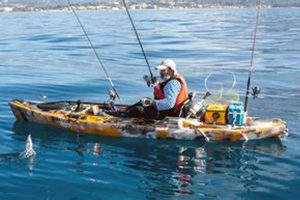
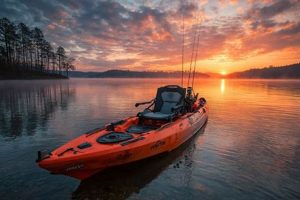
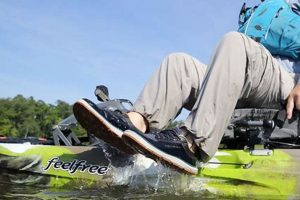
The question of enjoyment derived from angling from a small, human-powered watercraft hinges on individual preferences and expectations. It combines the challenges and rewards of fishing with the unique experience of navigating waterways in a kayak. For example, the quiet movement allows anglers to approach fish stealthily, while the low profile offers a different perspective on the aquatic environment.
This activity offers several potential advantages. It provides access to shallow or otherwise difficult-to-reach fishing spots often inaccessible to larger boats. The physical activity involved can be invigorating, and the close connection to nature enhances the overall experience. Historically, kayaks have been used for fishing and hunting for millennia by various cultures, demonstrating the enduring practicality and appeal of this method. The modern evolution of specialized fishing kayaks with features like rod holders and livewells testifies to its continued popularity.
This exploration serves as a starting point for a deeper dive into the specifics of this activity. Topics such as choosing appropriate gear, safety considerations, popular fishing techniques from a kayak, and selecting ideal locations will be examined further.
Tips for Kayak Fishing
Careful planning and preparation contribute significantly to a successful and enjoyable kayak fishing experience. The following tips offer guidance for anglers of all skill levels.
Tip 1: Choose the Right Kayak. Kayak selection depends on the intended fishing environment (calm lakes, rivers, or open ocean) and personal preferences. Sit-on-top kayaks offer stability and ease of re-entry, while sit-inside kayaks provide better protection from the elements.
Tip 2: Prioritize Safety. Always wear a personal flotation device (PFD). Carry a whistle, signaling device, and communication equipment. Check weather forecasts before embarking and inform someone of the intended fishing location and return time.
Tip 3: Pack Essential Gear. Essential items include appropriate fishing rods and reels, tackle, a landing net, pliers, and a first-aid kit. Dry bags or waterproof containers protect electronics and other sensitive items.
Tip 4: Practice Basic Kayak Maneuvers. Familiarization with paddling techniques, turning, and maintaining balance is crucial, especially in challenging conditions. Practice in calm water before venturing into more complex environments.
Tip 5: Learn Effective Fishing Techniques. Adapt fishing techniques to the kayak environment. Consider using shorter rods and lighter tackle. Practice casting from a seated position and learn how to manage fish alongside the kayak.
Tip 6: Respect the Environment. Adhere to local fishing regulations and practice catch-and-release whenever possible. Pack out all trash and minimize disturbance to wildlife and their habitats.
Tip 7: Dress Appropriately. Wear clothing suitable for the weather conditions, including layers for changing temperatures. Consider sun protection, such as hats, sunglasses, and sunscreen.
By following these tips, anglers can enhance their safety, improve their chances of success, and foster a greater appreciation for the sport.
This guidance prepares anglers to embark on rewarding kayak fishing excursions. Further research and practice will contribute to continued growth and enjoyment of this unique pursuit.
1. Tranquility

The tranquility inherent in kayak fishing significantly contributes to its potential for enjoyment. The quiet, often solitary nature of the activity allows for a unique connection with the natural environment, fostering a sense of peace and escape. This section examines key facets of this tranquility and their impact on the overall experience.
- Escape from Daily Life
Kayak fishing offers a refuge from the pressures of daily life. The act of paddling away from shore, surrounded by water and nature, creates a sense of detachment and allows for mental rejuvenation. The focus required for fishing further enhances this sense of escape, promoting mindfulness and reducing stress. For example, an angler might find respite from a demanding work week by spending a quiet morning fishing on a secluded lake.
- Immersion in Nature
The quiet movement of a kayak allows for a deeper immersion in nature than motorized boats. The sounds of wildlife become more apparent, and the subtle movements of the water’s surface are readily observed. This heightened awareness of the surrounding environment fosters a sense of connection with the natural world. Paddling through a marsh at dawn, observing herons taking flight, exemplifies this immersive quality.
- Solitude and Reflection
Kayak fishing often provides opportunities for solitude, which can be conducive to reflection and introspection. The absence of distractions allows for contemplation and a deeper appreciation of one’s surroundings. This aspect contributes significantly to the restorative nature of the experience. An angler fishing alone in a quiet cove might find this solitude particularly valuable.
- Minimal Noise Pollution
The absence of a motor contributes significantly to the tranquility of kayak fishing. The quiet paddling allows anglers to approach fish stealthily and minimizes disruption to the natural environment. This quiet environment enhances the overall sense of peace and connection with nature. The contrast between the noise of a motorboat and the quiet paddle of a kayak highlights this difference.
These facets of tranquility intertwine to create a unique and potentially deeply rewarding experience. The escape, immersion, solitude, and minimal noise offered by kayak fishing contribute significantly to its appeal and support the argument for its enjoyment. The degree to which individuals value these aspects will ultimately determine how “fun” they find kayak fishing.
2. Accessibility

Accessibility plays a crucial role in the enjoyment of kayak fishing. The ease with which diverse locations and fishing opportunities can be accessed contributes significantly to the overall appeal of this activity. This section examines key facets of accessibility and their influence on the perceived enjoyment of kayak fishing.
- Launch Points and Portability
Kayaks offer access to a wide range of launch points inaccessible to larger boats. Their portability allows anglers to launch from small ramps, beaches, or even directly from the shore. This eliminates the need for developed boat ramps and expands fishing opportunities. For example, a small, lightweight kayak can be easily transported to a remote pond or carried down a short trail to a secluded river access point. This ease of transport and launch contributes significantly to the perceived fun factor.
- Shallow Water Access
Kayaks excel in shallow water environments where larger boats cannot navigate. This opens up opportunities to fish in areas often teeming with fish, such as shallow flats, backwater creeks, and protected coves. Anglers can exploit these productive areas with minimal disturbance to fish or their habitat. Exploring a shallow estuary teeming with juvenile fish exemplifies this advantage. The ability to reach these areas increases the likelihood of successful catches, thereby enhancing enjoyment.
- Navigating Restricted Waterways
Kayaks’ maneuverability allows navigation through narrow channels, overhanging vegetation, and other obstacles that would restrict larger vessels. This opens up diverse fishing grounds often holding trophy fish seeking refuge or feeding opportunities. Successfully navigating a tight, winding creek choked with fallen trees to reach a secluded pool demonstrates this capability. Such unique access enhances the sense of adventure and discovery, contributing to the overall enjoyment.
- Affordability and Ease of Storage
Compared to larger motorized boats, kayaks are generally more affordable to purchase and maintain. Their compact size also simplifies storage, requiring minimal space. This ease of ownership makes kayak fishing accessible to a wider range of individuals. Storing a kayak in a garage or even on a small apartment balcony, as opposed to needing a dedicated boat slip or trailer storage, illustrates this advantage. Lower barriers to entry increase the potential for individuals to discover and enjoy the sport.
These aspects of accessibility collectively enhance the enjoyment potential of kayak fishing. The ability to reach diverse fishing grounds, combined with the ease of transport, launch, and ownership, makes kayak fishing a readily available and potentially rewarding pursuit. The accessibility further contributes to the perception of kayak fishing as a fun and engaging activity.
3. Challenge

The challenge inherent in kayak fishing contributes significantly to its appeal for many anglers. Successfully navigating and fishing from a small, self-propelled vessel presents a unique set of obstacles that can enhance the sense of accomplishment and satisfaction. This section explores key facets of this challenge and their relationship to the enjoyment derived from kayak fishing.
- Physical Exertion and Endurance
Kayak fishing demands a certain level of physical fitness. Paddling, especially against currents or wind, can be strenuous, and maintaining balance while casting and reeling requires core strength and coordination. Successfully landing a large fish from a kayak presents an additional physical test. For example, paddling several miles to reach a distant fishing spot or battling strong headwinds requires significant exertion. This physical engagement can be invigorating and contribute to a sense of accomplishment, enhancing the overall enjoyment for those seeking an active pursuit.
- Mastering Kayak Control and Maneuvering
Controlling a kayak in varying water and weather conditions presents a continuous challenge. Learning to maneuver effectively, especially in wind, currents, or waves, requires practice and skill. Maintaining stability while simultaneously fishing adds another layer of complexity. Successfully navigating a swift-flowing river or holding position in a windy bay while casting requires precise paddle control. Mastering these skills enhances the angler’s sense of competence and control, contributing to the enjoyment derived from overcoming these challenges.
- Adapting Fishing Techniques
Traditional fishing techniques often require adaptation for the kayak environment. Casting from a seated position, managing lines and tackle in a confined space, and landing fish alongside the kayak present unique challenges. Effectively hooking and landing a fish while maintaining balance and kayak control requires practice and specialized techniques. Adapting fly fishing techniques to a kayak, for example, requires significant adjustments in casting style and line management. Successfully modifying these techniques enhances the angler’s versatility and adds a layer of skill development to the experience, increasing the sense of accomplishment.
- Dealing with Unpredictable Conditions
Kayak anglers are exposed to the elements and must be prepared for changing weather conditions, unexpected encounters with wildlife, and equipment malfunctions. Responding effectively to these challenges requires preparedness, adaptability, and problem-solving skills. Successfully managing a sudden shift in wind direction or handling a gear malfunction in a remote location demonstrates resilience and resourcefulness. This ability to overcome unforeseen challenges fosters a sense of self-reliance and adds an element of adventure to the experience, enhancing the overall enjoyment for those who embrace these uncertainties.
These challenges, while demanding, contribute significantly to the rewarding nature of kayak fishing. The physical exertion, mastery of kayak control, adaptation of fishing techniques, and ability to handle unpredictable conditions combine to create a unique and engaging experience. The sense of accomplishment derived from overcoming these challenges contributes directly to the enjoyment and perceived “fun” of kayak fishing.
4. Connection with Nature

A profound connection with nature significantly contributes to the enjoyment derived from kayak fishing. The immersive experience, facilitated by the kayak’s quiet movement and intimate perspective, fosters a heightened awareness and appreciation of the natural world. This connection can enhance the overall sense of satisfaction and contribute to the perceived “fun” of the activity. The direct interaction with the aquatic environment, unobstructed by the confines of a larger vessel, creates a sense of presence and participation in the natural world. Observing wildlife in their natural habitat, feeling the subtle changes in water temperature and current, and experiencing the tranquility of a secluded cove all contribute to this profound connection. For example, an angler might witness a kingfisher diving for prey or observe a family of otters playing along the riverbank, adding an enriching dimension to the fishing experience.
This connection with nature offers more than just a fleeting sense of enjoyment; it can foster a deeper understanding and respect for the environment. The close proximity to the aquatic ecosystem provides firsthand observation of its delicate balance and the interconnectedness of its inhabitants. This awareness can inspire a sense of stewardship and encourage responsible fishing practices, such as catch-and-release and minimizing environmental impact. Understanding the fragility of the ecosystem can also motivate anglers to participate in conservation efforts and advocate for the protection of natural resources. An angler witnessing the impact of pollution on a waterway might be motivated to participate in a local cleanup initiative, directly contributing to the preservation of the environment they enjoy.
The connection with nature inherent in kayak fishing represents a significant component of its overall appeal. This connection fosters a sense of tranquility, enhances the appreciation of natural beauty, and encourages environmental stewardship. The practical significance of this understanding lies in its potential to promote responsible angling practices and contribute to the long-term sustainability of the sport and the health of the aquatic ecosystems it relies upon. Recognizing the importance of this connection can lead to a more meaningful and rewarding experience for individual anglers and contribute to the broader conservation efforts aimed at preserving these valuable natural resources.
5. Exercise

The physical activity inherent in kayak fishing contributes significantly to its potential for enjoyment. While the degree of exertion varies depending on factors such as water conditions, distance traveled, and fishing techniques employed, the activity typically engages multiple muscle groups and provides a moderate cardiovascular workout. This physical engagement can offer several benefits that enhance the overall experience. Paddling, for instance, strengthens upper body muscles, including the back, shoulders, and arms, while maneuvering the kayak engages core muscles for stability. Repeated casting motions can further contribute to muscle development and improve coordination. The sustained, low-impact nature of the exercise can benefit cardiovascular health without placing undue stress on joints. For example, a day of kayak fishing can provide a comparable workout to a moderate-intensity gym session, offering a blend of strength training and aerobic exercise within a recreational context.
The physical exertion involved in kayak fishing offers more than just a physical workout; it can contribute to a heightened sense of well-being and contribute to the overall enjoyment of the activity. The release of endorphins during exercise can improve mood, reduce stress, and promote relaxation, enhancing the sense of tranquility often associated with being on the water. Furthermore, the physical challenge of paddling and maneuvering the kayak can provide a sense of accomplishment and boost self-esteem. Successfully navigating challenging currents or paddling to a distant fishing spot can be a rewarding experience that reinforces the angler’s physical capabilities and connection with the environment. This sense of achievement, coupled with the physiological benefits of exercise, contributes positively to the perception of kayak fishing as a fun and engaging activity.
Understanding the role of exercise in the enjoyment of kayak fishing can lead to a more informed approach to the activity. Recognizing the physical demands allows anglers to prepare adequately, ensuring they have the necessary fitness level and stamina to fully enjoy the experience. This understanding can also encourage anglers to view kayak fishing as a viable form of recreation that combines physical activity with the pursuit of a rewarding hobby. The practical implications of this understanding include the potential for improved physical health, enhanced mental well-being, and a greater appreciation for the multifaceted nature of kayak fishing. Addressing potential physical limitations through appropriate conditioning can further expand access to this enjoyable and beneficial activity.
6. Stealth

Stealth plays a crucial role in the potential enjoyment of kayak fishing. A kayak’s inherent quietness and low profile allow anglers to approach fish with minimal disturbance, increasing the likelihood of successful catches and enhancing the overall fishing experience. This section explores the various facets of stealth in kayak fishing and their contribution to its appeal.
- Quiet Movement
Unlike motorized boats, kayaks produce minimal noise, allowing anglers to approach fish without alerting them. The absence of engine noise, combined with the gentle sound of paddles dipping into the water, creates a stealthy approach that is particularly effective in shallow water or calm conditions. For example, an angler paddling a kayak can often get within casting distance of wary fish in clear water without disturbing them, whereas a motorboat would likely spook them. This quiet approach significantly increases the chances of a successful hookup, adding to the enjoyment of the experience.
- Low Profile
A kayak’s low profile reduces its visibility to fish, further enhancing stealth. The angler sits close to the waterline, presenting a less imposing silhouette than a larger boat. This low profile is particularly advantageous when fishing in clear water or sight fishing for species like redfish or bonefish. For instance, an angler in a kayak can often approach fish in shallow flats without being detected, while a larger boat’s higher profile would cast shadows and alert the fish. This reduced visibility significantly increases the likelihood of getting close enough for a successful cast, enhancing the enjoyment of the experience.
- Maneuverability in Shallow Water and Vegetation
Kayaks’ maneuverability allows anglers to navigate shallow water and dense vegetation quietly and effectively. This enables them to reach areas inaccessible to larger boats, where fish often seek refuge or feed. The ability to navigate quietly through shallows, around submerged logs, or along weed lines allows anglers to target fish in their preferred habitats. For example, an angler in a kayak can quietly weave through a maze of mangrove roots to access a secluded pool teeming with fish, whereas a motorboat would be unable to reach such a spot. This access to prime fishing locations, combined with the quiet approach, significantly increases the chances of a successful fishing trip, contributing to the overall enjoyment.
- Reduced Pressure on Fish
The stealthy nature of kayak fishing contributes to reduced pressure on fish populations. The minimal disturbance allows fish to remain less wary and more receptive to lures or bait, increasing the likelihood of catching fish and providing a more sustainable fishing experience. For instance, in heavily fished areas, fish often become highly sensitive to the noise and presence of motorboats, making them difficult to catch. Kayak anglers, however, can often experience greater success in these areas due to their stealthy approach. This can lead to a more rewarding fishing experience and contributes to the long-term health of the fishery.
These facets of stealth combine to create a unique advantage for kayak anglers, enhancing the enjoyment and increasing the likelihood of success. The ability to approach fish undetected, access secluded areas, and minimize disturbance contributes significantly to the appeal of kayak fishing. This quiet approach fosters a more intimate connection with the natural environment and adds an element of skill and challenge to the experience, further contributing to its perceived “fun”.
7. Versatility
Versatility significantly contributes to the enjoyment of kayak fishing. Adaptability to diverse environments and fishing styles expands angling opportunities and allows individuals to tailor the experience to their preferences. This adaptability encompasses several key aspects, contributing to the overall appeal and perceived “fun” of kayak fishing. The ability to transition seamlessly between different fishing techniques, such as trolling, casting, or jigging, allows anglers to target a wider variety of species and adapt to changing conditions. For example, an angler might begin the day trolling for offshore species and then switch to casting lures in shallower waters as the tide changes. This adaptability enhances the overall fishing experience and increases the likelihood of success, contributing to the enjoyment of the activity.
Kayaks are readily adaptable to various water bodies, from small ponds and rivers to larger lakes and coastal waters. This versatility allows anglers to explore diverse environments and target different fish species, expanding the range of fishing opportunities. Furthermore, kayaks can be customized with specialized equipment, such as rod holders, fish finders, and anchor trolleys, to enhance specific fishing styles and further increase versatility. For example, an angler might equip their kayak with a downrigger for trolling deep lakes or add a stake-out pole for fishing in shallow flats. This adaptability to diverse environments and fishing styles enhances the overall experience and allows anglers to tailor their approach to specific targets and conditions, increasing the potential for enjoyment.
The versatility inherent in kayak fishing extends beyond mere adaptability; it fosters a sense of freedom and exploration. The ability to access diverse fishing grounds, experiment with different techniques, and customize equipment empowers anglers to curate their own unique experiences. This freedom to personalize the activity contributes significantly to its perceived “fun” and allows individuals to develop a deeper connection with the sport. The practical significance of this versatility lies in its potential to broaden the appeal of kayak fishing, making it accessible and enjoyable to a wider range of individuals with varying interests and skill levels. Recognizing and embracing this versatility can lead to a more enriching and rewarding fishing experience.
Frequently Asked Questions
This section addresses common inquiries regarding the enjoyment and practicality of kayak fishing, providing concise and informative responses.
Question 1: Is kayak fishing suitable for beginners?
While experience in both kayaking and angling is beneficial, beginners can certainly enjoy kayak fishing. Starting in calm, sheltered waters and gradually progressing to more challenging environments is recommended. Professional instruction can provide foundational skills and enhance safety.
Question 2: What are the primary safety concerns associated with kayak fishing?
Key safety concerns include proper use of personal flotation devices (PFDs), awareness of weather conditions and water currents, and carrying appropriate safety equipment such as whistles, signaling devices, and communication tools. Informing someone of the intended fishing location and estimated return time is crucial.
Question 3: What type of kayak is best suited for fishing?
Kayak selection depends on the intended fishing environment and personal preferences. Sit-on-top kayaks offer stability and ease of re-entry, making them suitable for beginners and calm waters. Sit-inside kayaks provide better protection from the elements and are often preferred for colder conditions or rougher waters. Specialized fishing kayaks often include features such as rod holders, storage compartments, and anchor trolleys.
Question 4: Is specialized equipment required for kayak fishing?
While specialized equipment can enhance the experience, standard fishing gear can be adapted for kayak fishing. Shorter rods are often preferred for easier maneuverability in the confined space of a kayak. A kayak-specific fishing PFD, dry bags for storing gear, and an anchor trolley system are beneficial additions but not strictly essential.
Question 5: What are the typical costs associated with kayak fishing?
Costs vary significantly depending on the type of kayak, fishing gear, and accessories chosen. Entry-level kayaks can be purchased for a few hundred dollars, while high-end models can cost several thousand. Adding fishing-specific gear and accessories further increases the investment. Compared to motorized boats, however, kayak fishing is generally considered a more affordable option.
Question 6: How does one choose a suitable location for kayak fishing?
Location selection depends on target species, personal preferences, and skill level. Calm lakes and ponds are ideal for beginners, while experienced anglers might prefer rivers, estuaries, or coastal waters. Researching local fishing regulations, access points, and potential hazards is essential before embarking on a kayak fishing trip.
Careful consideration of these frequently asked questions can assist individuals in making informed decisions about pursuing kayak fishing and contribute to a safer and more enjoyable experience.
Further exploration of specific fishing techniques, location selection, and equipment choices will enhance preparedness and enjoyment on the water.
Is Kayak Fishing Fun? A Concluding Perspective
The exploration of whether kayak fishing constitutes an enjoyable activity reveals a multifaceted pursuit with diverse contributing factors. Key elements such as tranquility, accessibility, challenge, connection with nature, exercise, stealth, and versatility intertwine to shape individual experiences. The quietude offered by human-powered watercraft, combined with access to otherwise unreachable fishing grounds, presents a unique appeal. The physical and mental engagement required for successful kayak angling adds a layer of challenge and reward. Furthermore, the intimate interaction with the natural environment fosters a deeper appreciation for aquatic ecosystems.
Ultimately, the determination of whether kayak fishing qualifies as “fun” rests upon individual preferences and priorities. Objective analysis suggests considerable potential for enjoyment across a wide spectrum of individuals. Further investigation and personal experience offer the most reliable pathway to a definitive answer. The activity’s potential to foster both recreational enjoyment and environmental stewardship warrants serious consideration from anglers and outdoor enthusiasts seeking enriching experiences.