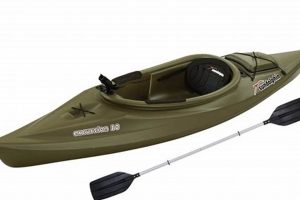
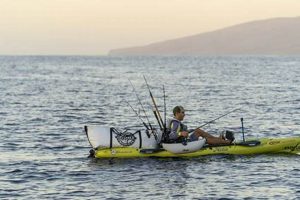
Anglers often employ specialized equipment to secure their rods while kayaking. These devices, typically constructed from durable materials like plastic or metal, are designed to attach firmly to the kayak, freeing the angler’s hands for paddling, landing fish, or other tasks. They come in various configurations, including flush-mounted, adjustable, and rotating models, accommodating diverse fishing styles and rod types.
Secure rod storage contributes significantly to both safety and fishing success. A properly secured rod prevents loss overboard, minimizes line tangling, and allows for quick access when a fish strikes. This is particularly valuable in situations requiring rapid maneuverability or when dealing with challenging currents or weather conditions. The evolution of these specialized holders reflects the growing popularity of kayak fishing and the ongoing pursuit of more efficient and enjoyable angling experiences.
The subsequent sections delve into specific types of these helpful accessories, exploring their features, benefits, and ideal applications. Further discussion will also cover installation methods, material considerations, and selecting the optimal setup for different kayaking environments and fishing techniques.
Tips for Choosing and Using Rod Holders
Proper selection and utilization of rod holders enhance safety and fishing efficacy. Careful consideration of several factors ensures optimal performance and enjoyment on the water.
Tip 1: Compatibility is Key: Verify holder compatibility with the specific kayak model. Consider gunwale width, mounting track systems, and available space.
Tip 2: Material Matters: Opt for durable, corrosion-resistant materials like marine-grade stainless steel or high-impact plastic for longevity in harsh environments.
Tip 3: Adjustability Enhances Versatility: Adjustable holders accommodate various rod lengths and angling techniques, offering flexibility for diverse fishing scenarios.
Tip 4: Secure Installation is Paramount: Ensure holders are mounted securely to prevent movement or detachment during use. Follow manufacturer instructions carefully.
Tip 5: Positioning for Optimal Access: Strategically position holders for easy reach and minimal interference with paddling or other onboard activities.
Tip 6: Rod and Reel Considerations: Match holder size and style to the intended rod and reel combination for a secure and stable fit.
Tip 7: Regular Maintenance: Inspect holders regularly for signs of wear or damage. Tighten loose screws and lubricate moving parts as needed.
By adhering to these guidelines, anglers can significantly improve their kayak fishing experience. Proper holder selection and usage contribute to efficient angling, reduced equipment loss, and increased overall safety on the water.
Following these practical tips ensures a more productive and enjoyable fishing excursion, maximizing the benefits of specialized equipment.
1. Secure Rod Storage

Secure rod storage stands as a cornerstone of effective kayak fishing. Specialized holders integrated into the kayak’s structure offer a dedicated and secure location for rods, minimizing risks and maximizing fishing efficiency. This facet proves crucial for both seasoned anglers and newcomers alike.
- Preventing Loss and Damage
Rod holders significantly reduce the risk of losing valuable fishing rods overboard, especially during challenging conditions or unexpected maneuvers. A securely held rod also minimizes the chance of damage from impacts or entanglement. Consider a scenario where an angler encounters unexpected rough water; a secured rod remains safe, while a loose rod risks being swept away. This facet preserves equipment investment and ensures continued functionality throughout the fishing trip.
- Facilitating Hands-Free Operation
Securely stored rods free the angler’s hands for critical tasks like paddling, navigating, and landing fish. This is particularly vital in situations requiring swift action or intricate maneuvers. For example, when paddling through narrow channels or battling strong currents, hands-free operation becomes essential for maintaining kayak control and stability.
- Streamlining the Fishing Process
Dedicated rod holders eliminate the need to constantly manage rods, allowing anglers to focus on fishing techniques and respond quickly to bites. This organized approach contributes to a smoother, more efficient fishing experience. Transitioning between different fishing techniques, such as switching from trolling to casting, becomes seamless with rods readily accessible and secure.
- Enhancing Safety Onboard
Loose rods in a kayak present a safety hazard, potentially causing entanglement or injury. Secure rod storage mitigates these risks, creating a safer and more organized onboard environment. In the event of a sudden capsize, secured rods pose less of a threat compared to loose equipment that could cause harm or hinder escape.
These facets of secure rod storage, facilitated by dedicated kayak holders, collectively contribute to a safer, more organized, and ultimately, more successful kayak fishing experience. By mitigating risks, streamlining processes, and enhancing angler control, these specialized holders prove invaluable for optimizing fishing efficiency and enjoyment on the water.
2. Hands-Free Fishing

Hands-free fishing represents a significant advantage provided by specialized kayak rod holders. This capability allows anglers to manage essential tasks without compromising rod security or fishing readiness. The direct connection between hands-free fishing and these specialized holders lies in their ability to securely hold rods, freeing the angler’s hands for other activities. This connection translates into improved safety, efficiency, and overall fishing success.
Consider navigating challenging waters: Strong currents or narrow passages demand focused paddling and maneuvering. Without secure rod storage, anglers face the difficult choice of holding the rod or controlling the kayak. Dedicated holders eliminate this dilemma, enabling simultaneous rod security and hands-free kayak operation. Similarly, landing a fish requires two hands; a secured rod allows the angler to focus on the catch without risking rod loss or line tangling. These real-world scenarios highlight the practical significance of hands-free fishing facilitated by rod holders.
The ability to perform essential tasks without relinquishing fishing preparedness underscores the value of hands-free operation. This translates to more efficient fishing, increased safety margins, and an overall enhanced angling experience. Challenges such as changing lures, adjusting tackle, or operating electronic devices become manageable without compromising rod security. Ultimately, hands-free fishing, facilitated by kayak rod holders, empowers anglers to navigate diverse fishing scenarios with increased control and confidence.
3. Enhanced Kayak Control
Enhanced kayak control forms a critical link with the utilization of specialized rod holders. Securely stowed fishing rods contribute directly to improved maneuverability and stability, crucial factors for safe and efficient kayak fishing. The absence of loose rods eliminates potential interference with paddling strokes, allowing for unimpeded movement and precise directional control. This becomes particularly evident in challenging conditions such as navigating strong currents, narrow waterways, or windy environments. Imagine maneuvering through a tight channel choked with submerged debris; the secure storage of rods prevents entanglement and allows for quick adjustments to avoid obstacles.
This enhanced control translates to increased safety margins, especially in unpredictable waters. The angler can react swiftly to changing conditions or sudden shifts in the kayak’s balance without the added burden of managing loose equipment. Consider the scenario of a sudden gust of wind destabilizing the kayak; with rods securely held, the angler can concentrate on regaining balance and maintaining course without the distraction or potential injury from shifting rods. This ability to react efficiently enhances overall safety and reduces the risk of capsizing or other accidents.
Improved maneuverability extends beyond mere navigation. Precise boat control becomes essential for specific fishing techniques, such as positioning the kayak for an optimal cast or maintaining a desired drift. Securely held rods allow for refined adjustments and precise maneuvering, optimizing angling strategy and maximizing fishing effectiveness. By eliminating the need to constantly adjust and secure loose rods, the angler can dedicate full attention to the fishing process, leading to a more productive and enjoyable experience on the water. The connection between enhanced kayak control and specialized rod holders thus represents a fundamental aspect of safe and successful kayak fishing.
4. Organized Equipment

Organized equipment is paramount for efficient and enjoyable kayak fishing. Dedicated rod holders play a crucial role in this organization, transforming the kayak from a potentially cluttered space into a streamlined fishing platform. This organized approach minimizes wasted time and effort, allowing anglers to focus on the task at hand: catching fish. The following facets highlight the connection between organized equipment and the strategic use of rod holders in a kayak fishing context.
- Reduced Tangling and Snags
Multiple rods lying loose in a kayak inevitably lead to tangled lines, frustrating delays, and potential equipment damage. Rod holders provide designated storage, separating rods and minimizing the risk of tangles. This is particularly crucial when using different lines or rigs, as it prevents frustrating snarls that can disrupt the flow of fishing. Picture a scenario where an angler hooks a fish, only to find the line tangled with another rod; a rod holder prevents this, enabling a smooth retrieval.
- Efficient Lure and Tackle Changes
Quick access to lures and tackle is essential for adapting to changing fishing conditions. With rods securely stored in holders, anglers can easily access tackle boxes and other equipment without the impediment of loose rods. This streamlined organization allows for swift lure changes, maximizing fishing time and increasing the chances of success. Imagine needing to switch to a heavier lure in response to stronger currents; organized equipment facilitated by rod holders makes this transition seamless.
- Improved Safety and Balance
Loose equipment in a kayak compromises both safety and balance. Rod holders secure rods, minimizing the risk of tripping or entanglement, especially in dynamic fishing situations. This contributes to a safer onboard environment and allows for greater freedom of movement. Consider navigating through shallow water or landing a large fish; organized equipment enhances stability and reduces the risk of capsizing.
- Maximized Fishing Space
Kayak space is at a premium. Rod holders maximize available space by securely storing rods, leaving more room for essential gear, tackle boxes, and other equipment. This optimized use of space creates a more comfortable and efficient fishing environment. The difference becomes apparent when comparing a kayak cluttered with loose rods to one with rods neatly stored in holders; the latter offers greater freedom of movement and easier access to other equipment.
These facets demonstrate the integral role of organized equipment, facilitated by kayak rod holders, in creating a more efficient, safe, and ultimately, more successful fishing experience. By minimizing clutter, maximizing space, and streamlining essential processes, rod holders contribute significantly to the overall enjoyment and productivity of kayak fishing. This organized approach allows anglers to focus on what truly matters: enjoying the sport and reeling in the catch.
5. Improved Safety

Improved safety represents a crucial benefit linked directly to the integration of fishing rod holders in kayaks. Secure rod storage contributes significantly to accident prevention and enhances overall angler security, promoting a more focused and enjoyable fishing experience. These specialized holders mitigate various risks associated with loose rods in a dynamic kayaking environment.
- Reduced Risk of Entanglement
Loose fishing rods present a significant entanglement hazard, particularly during casting, retrieving, or navigating through challenging waters. Lines can easily wrap around legs, paddles, or other equipment, hindering movement and potentially leading to capsizing. Rod holders eliminate this risk by securing rods and preventing unintended line entanglement. Imagine navigating through dense vegetation; secured rods prevent snags and allow for unimpeded passage, whereas loose rods could easily become entangled, hindering progress and potentially causing the kayak to overturn. This enhanced safety promotes angler confidence and allows for greater focus on the fishing process.
- Minimized Hooking Hazards
Exposed hooks on loose rods pose a serious threat to anglers and passengers alike. Sudden movements or unexpected shifts in the kayak can lead to accidental hooking injuries. Rod holders provide a secure location for rods, minimizing the risk of exposed hooks and preventing potential injuries. Consider a scenario where a fish strikes unexpectedly; a secured rod directs the hook away from the angler, while a loose rod could swing dangerously, potentially causing injury. This aspect of safety is particularly important when kayaking with children or pets.
- Improved Stability and Balance
Loose rods can shift unexpectedly, affecting the kayak’s balance and potentially leading to capsizing, especially in rough waters or during sudden maneuvers. Secured rods contribute to overall stability, allowing for greater control and reducing the risk of tipping. Imagine encountering a sudden wake or wave; secured rods maintain the kayak’s center of gravity, while loose, shifting rods could compromise balance and lead to capsizing. This added stability enhances angler confidence, especially in challenging conditions.
- Clearer Deck Space
A cluttered kayak deck increases the risk of tripping and falling, particularly when maneuvering or landing fish. Rod holders create a more organized and spacious deck, minimizing tripping hazards and enhancing overall safety. This is particularly important when dealing with active fish or navigating through confined spaces. Picture landing a large fish; a clear deck provides secure footing and reduces the risk of stumbling, whereas a cluttered deck could lead to a fall, potentially overboard. This clear space contributes significantly to angler safety and allows for more efficient movement within the kayak.
These interconnected facets demonstrate the crucial role of rod holders in enhancing kayak fishing safety. By mitigating entanglement risks, minimizing hooking hazards, improving stability, and creating a clearer deck space, rod holders contribute to a safer and more secure fishing environment. This enhanced safety empowers anglers to focus on the fishing experience, knowing that potential hazards are minimized, promoting a more enjoyable and productive time on the water.
Frequently Asked Questions
This section addresses common inquiries regarding the selection, installation, and utilization of kayak fishing rod holders.
Question 1: What materials are best suited for kayak rod holders?
Marine-grade stainless steel and high-impact plastics are generally preferred for their corrosion resistance and durability in harsh marine environments.
Question 2: How are rod holders typically attached to a kayak?
Common attachment methods include track mounting systems, flush mounts, and clamp-on installations, each offering specific advantages depending on kayak design and angler preference. Careful consideration of kayak compatibility and intended usage is crucial for optimal selection.
Question 3: Are adjustable rod holders preferable to fixed-position holders?
Adjustable holders offer greater versatility for different fishing techniques and rod types, allowing anglers to customize rod angles and positioning. Fixed holders provide a more permanent and often more stable solution for specific angling styles.
Question 4: How many rod holders are recommended for a kayak?
The optimal number depends on individual fishing preferences and local regulations. Two holders often suffice for most kayak anglers, while some prefer more for varied techniques or carrying spare rods.
Question 5: What maintenance is required for kayak rod holders?
Regular inspection for signs of wear, corrosion, or loose components is recommended. Periodic cleaning and lubrication of moving parts ensure optimal performance and prolong holder lifespan.
Question 6: Can rod holders be installed on any type of kayak?
While many kayaks are designed for rod holder installation, some designs may present limitations. Consulting the kayak manufacturer’s guidelines is crucial for determining compatibility and appropriate installation procedures.
Understanding these key aspects of kayak rod holders contributes to informed decision-making and ensures optimal selection and utilization for enhanced fishing experiences.
The following section provides detailed instructions on installing different types of rod holders.
Conclusion
Specialized rod holders represent a significant advancement in kayak fishing equipment. Analysis reveals their multifaceted contribution to enhanced angling experiences, encompassing improved safety, increased organization, and optimized fishing efficiency. From preventing rod loss and minimizing entanglement hazards to facilitating hands-free operation and maximizing kayak control, these specialized accessories prove invaluable for anglers of all skill levels. The integration of secure rod storage directly translates into a more streamlined, productive, and ultimately safer time on the water.
Further exploration of specific holder types, materials, and mounting techniques empowers anglers to tailor their kayak setups to individual needs and fishing styles. The ongoing development of innovative designs promises continued advancements in functionality and performance, further enhancing the kayak fishing experience. Strategic equipment choices, informed by a thorough understanding of available options and their benefits, remain crucial for maximizing success and enjoyment in this evolving sport.