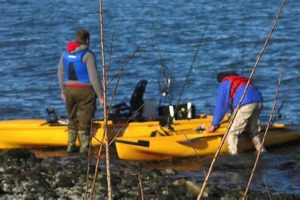
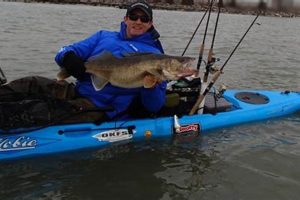
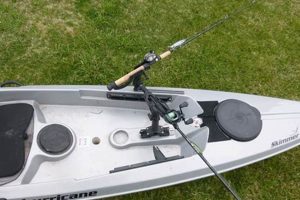
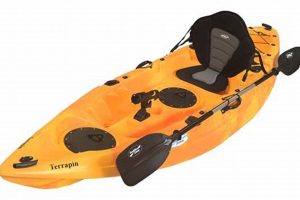
Specialized kayaks designed for angling offer a unique blend of mobility and stability on the water, allowing access to diverse fishing locations, from calm lakes and rivers to challenging ocean environments. These vessels typically feature specialized storage for rods, tackle, and often include additional features like livewells, rod holders, and anchor trolleys. Publications and media outlets focusing on outdoor recreation, such as those with a historical connection to activities like hunting and fishing, provide valuable resources for enthusiasts seeking information on this specialized equipment, including reviews, fishing location guides, and technique advice.
The ability to navigate shallow waters, approach fish stealthily, and explore areas inaccessible to larger boats has elevated the popularity of angling from these small, maneuverable watercraft. Historically, fishing has relied on diverse methods, from shore casting to motorized boats. The introduction and refinement of specialized kayaks have provided anglers with a new level of versatility and access, expanding opportunities for both recreational and sporting fishing. This specialized equipment contributes to the continued growth and evolution of angling traditions.
The subsequent sections will delve into specific kayak features ideal for different fishing environments, discuss effective techniques for casting and retrieving from a kayak, and offer guidance on selecting appropriate safety gear and navigation tools.
Essential Kayak Fishing Tips
Optimal kayak angling experiences necessitate careful planning and preparation. The following tips offer guidance for enhancing safety and maximizing success on the water.
Tip 1: Stability is Paramount: Select a kayak offering sufficient stability for casting and reeling, especially in moving water. Wider hulls generally provide enhanced stability.
Tip 2: Gear Organization is Key: Organize tackle and equipment strategically for easy access. Utilize waterproof storage solutions to protect essential items from moisture.
Tip 3: Paddle Selection Matters: Choose a paddle appropriate for kayak width and personal paddling style. Consider adjustable paddles for versatility.
Tip 4: Safety First: Always wear a personal flotation device (PFD) and carry essential safety gear, including a whistle, signaling device, and first-aid kit. Inform someone of planned fishing locations and estimated return times.
Tip 5: Respect Wildlife and the Environment: Practice catch-and-release whenever possible. Adhere to local fishing regulations and minimize environmental impact by packing out all trash.
Tip 6: Master Basic Kayak Maneuvers: Practice fundamental paddling strokes and turning techniques before venturing into challenging waters. Consider taking a kayaking safety course.
Tip 7: Weather Awareness: Check weather forecasts before heading out and be prepared for changing conditions. Avoid fishing in thunderstorms or high winds.
Adherence to these guidelines contributes significantly to safer and more productive angling excursions, allowing for a more enjoyable and fulfilling experience on the water.
These preparations enhance the likelihood of successful fishing trips and contribute to an overall positive experience. The following section will explore advanced techniques for various fishing styles from a kayak.
1. Specialized Kayak Selection

Effective angling from a kayak hinges on selecting the appropriate vessel. Specialized kayak selection significantly impacts maneuverability, stability, and overall fishing success in diverse environments, from tranquil streams to open waters. Careful consideration of hull design, features, and intended use ensures optimal performance and angler comfort.
- Hull Design and Stability:
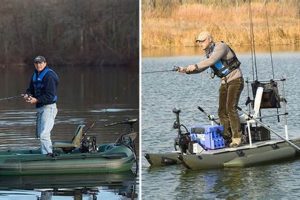
Hull design directly influences stability and tracking. Wider, flatter hulls offer enhanced stability, ideal for calmer waters and stand-up fishing, while longer, narrower hulls provide better tracking and speed, suited for covering greater distances or navigating currents. Pontoon-style hulls maximize stability, catering to anglers prioritizing stability over speed. Understanding these design variations allows anglers to prioritize stability and maneuverability based on target fishing locations and personal preferences.
- Sit-on-Top vs. Sit-Inside Kayaks:
Sit-on-top kayaks offer superior stability and ease of entry/exit, advantageous for anglers frequently entering and exiting the water or fishing in warmer climates. Sit-inside kayaks provide greater protection from the elements and offer a drier ride in colder conditions or rougher waters. This choice depends on anticipated weather conditions and fishing style.
- Features and Accessories:
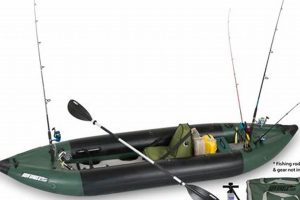
Integrated features like rod holders, tackle storage, and anchor trolleys streamline fishing operations. Specialized features such as livewells and fish finders further enhance the angling experience. Prioritizing these features contributes to efficient gear management and improved angling outcomes.
- Kayak Length and Weight Capacity:
Kayak length and weight capacity must accommodate the angler, gear, and potential catch. Longer kayaks offer more storage, while higher weight capacities ensure safe and stable operation. Careful consideration of these factors ensures safe and efficient performance on the water.
Strategic kayak selection, based on these factors, directly correlates with angling success and overall enjoyment on the water. A well-chosen kayak enhances angler mobility, access to diverse fishing locations, and overall comfort, contributing to a more productive and rewarding experience in the field and stream.
2. Essential Gear and Tackle
Effective kayak angling necessitates specialized gear and tackle tailored to the unique demands of this fishing style. The confined space and dynamic nature of a kayak environment require careful equipment selection for both efficiency and safety. Rod and reel choices often favor shorter lengths for easier maneuverability within the kayak’s confines. Lightweight yet durable rods, coupled with reels featuring smooth drag systems, are crucial for battling fish from a mobile platform. Tackle selection depends heavily on target species and fishing location; lures, hooks, weights, and lines should be organized and readily accessible in waterproof storage solutions. Essential safety gear, including a personal flotation device (PFD), signaling devices, and a first-aid kit, remain paramount for any on-the-water excursion. A well-chosen anchor and appropriate paddle further enhance kayak control and positioning.
Consider a scenario targeting bass in a shallow, weedy lake. A shorter, medium-power spinning rod paired with a reel spooled with braided line allows for precise casts and effective retrieval of weedless lures. Alternatively, when trolling for trout in deeper waters, a slightly longer rod with a baitcasting reel and a selection of diving plugs might prove more effective. Understanding the interplay between target species, fishing environment, and appropriate gear significantly impacts angling success from a kayak.
Careful gear selection directly correlates with angler safety, efficiency, and overall success in kayak fishing. Appropriate tackle selection, combined with strategic organization and essential safety equipment, empowers anglers to effectively target desired species while maintaining a safe and enjoyable experience on the water. This understanding enhances angler preparedness, allowing for more efficient use of time and resources while minimizing potential challenges associated with the unique demands of kayak angling within the field and stream context.
3. Suitable Fishing Locations
The selection of suitable fishing locations forms an integral component of successful kayak angling. Kayaks, due to their smaller size and maneuverability, grant access to a range of environments often inaccessible to larger motorized boats. These locations include shallow-water flats, secluded coves, upstream stretches of rivers, and protected estuaries. Such environments often serve as prime habitats for various fish species, offering anglers unique opportunities. For instance, calm, shallow lakes with abundant vegetation often harbor bass, while slow-moving rivers can be ideal for targeting panfish or catfish. Coastal saltwater marshes provide access to redfish and speckled trout, while sheltered bays offer opportunities for flounder or snapper. Matching the target species to the appropriate environment significantly increases the likelihood of successful angling from a kayak. The “field and stream” aspect highlights the diversity of accessible locations, encompassing both freshwater and saltwater ecosystems, expanding the potential range of fishing experiences.
Consider a scenario where an angler seeks to target trout. A small, clear stream, accessible by kayak and featuring overhanging trees and deeper pools, presents a more favorable location compared to a large, open lake. The kayak allows the angler to navigate the stream effectively, reaching prime fishing spots while remaining stealthy. Conversely, an angler targeting larger pelagic species in the ocean would opt for a stable, seaworthy kayak and choose locations with appropriate water depth and currents, such as offshore reefs or near-shore drop-offs. Understanding the relationship between target species, suitable locations, and kayak capabilities maximizes angling effectiveness. This understanding empowers anglers to plan more productive trips, targeting specific species in their preferred habitats. Furthermore, considering factors like water clarity, current flow, and bottom structure enhances the potential for a successful outing.
Strategic location selection, based on target species, environmental factors, and kayak capabilities, is fundamental to successful kayak angling. Leveraging the inherent advantages of kayaksmaneuverability, shallow-water access, and stealthallows anglers to explore a diverse range of fishing locations within the broader “field and stream” context. This understanding, coupled with awareness of species-specific habitat preferences, contributes significantly to a more rewarding and productive angling experience.
4. Effective Kayaking Techniques

Effective kayaking techniques are essential for successful angling from a kayak, impacting maneuverability, stealth, and overall fishing success within diverse environments. Proficient paddling, precise boat control, and strategic positioning enhance angling opportunities and contribute to a safer and more enjoyable experience within the “field and stream” context. Mastery of these techniques allows anglers to navigate varied water conditions, approach fish discreetly, and maintain optimal positioning for casting and retrieving.
- Paddle Strokes and Maneuvering:
Efficient paddle strokes, including forward strokes, reverse strokes, and sweep strokes, enable precise kayak control. Mastering these strokes allows for efficient navigation through various water conditions, from calm lakes to flowing rivers. For example, a forward stroke with proper blade angle and body rotation propels the kayak efficiently, while a sweep stroke facilitates turning. Precise maneuvering is crucial for navigating tight spots, approaching fishing areas stealthily, and maintaining desired positions against currents or wind. In the context of “fishing kayaks field and stream,” these techniques are essential for accessing diverse fishing locations and optimizing angling opportunities.
- Boat Control and Positioning:
Maintaining boat position in flowing water or wind requires specific techniques, such as eddy turns and ferry glides. An eddy turn, executed by paddling into an eddy (a reverse current behind an obstacle), allows an angler to hold position and target fish within the calmer water. A ferry glide utilizes the current to move laterally across a river. These skills are particularly relevant in river fishing, enabling anglers to target specific areas and maintain optimal casting positions. In the context of “fishing kayaks field and stream,” these techniques are essential for navigating varied currents and maintaining optimal fishing positions.
- Anchoring and Drifting:
Proper anchoring techniques, including the use of appropriate anchor types and deployment strategies, allow anglers to maintain a stationary position in chosen fishing locations. Drifting, on the other hand, involves allowing the current to carry the kayak downstream, presenting lures or bait naturally. Knowing when to anchor and when to drift maximizes angling opportunities in different environments. For instance, anchoring might be preferred in areas with concentrated fish activity, while drifting can be effective for covering larger stretches of a river or stream. Within the “field and stream” context, these techniques adapt fishing approaches to specific water conditions and target species.
- Stealth and Approach:
Minimizing noise and disturbance is crucial for approaching fish without spooking them. Quiet paddle strokes, minimized boat movement, and awareness of water reflections and shadows enhance stealth. For example, approaching a shallow flat with slow, deliberate paddle strokes and minimal splashing increases the chances of a successful cast to wary fish. In the context of “fishing kayaks field and stream,” these techniques are particularly important in clear, shallow waters where fish are easily disturbed. Understanding how to approach fish subtly is crucial for maximizing catch rates, particularly in heavily fished areas or when targeting pressured species.
Mastery of these kayaking techniques empowers anglers to navigate diverse aquatic environments effectively, position themselves strategically for optimal casting, and approach fish with stealth. These skills contribute significantly to a more productive and enjoyable kayak fishing experience within the “field and stream” context, enhancing opportunities for success in various fishing locations. Combining these techniques with appropriate gear and location selection creates a synergistic approach to kayak angling, maximizing the potential for a rewarding experience on the water.

Safe navigation and adherence to precautionary measures are paramount in kayak angling, particularly within the “field and stream” context. These environments present inherent risks, including changing weather conditions, fluctuating water levels, submerged obstacles, and potential interactions with motorized vessels. Neglecting safety protocols can lead to serious consequences, from capsizing and equipment loss to severe injury or even fatalities. Understanding navigational tools, including charts, compasses, and GPS devices, is crucial for planning routes, avoiding hazards, and ensuring safe return. Real-life examples underscore the importance of preparedness. A sudden squall on a large lake can easily capsize a kayak if the angler lacks proper safety gear and training. Similarly, navigating a fast-flowing river without understanding current dynamics can lead to dangerous situations. Practical understanding of self-rescue techniques, including re-entry into a capsized kayak, is essential.
Further enhancing safety involves appropriate gear selection. Wearing a personal flotation device (PFD) is non-negotiable. Carrying a whistle, signaling devices (flares or mirrors), and a waterproof communication device (VHF radio or satellite phone) facilitates emergency communication. Weather awareness, including checking forecasts before embarking and monitoring conditions throughout the trip, is critical. Informational resources, including local fishing regulations, navigational charts, and tide tables (for coastal areas), contribute significantly to informed decision-making and risk mitigation. Practical applications include informing someone of the planned fishing location and estimated return time, and carrying a basic first-aid kit for minor injuries. Packing essential supplies, including water, food, and sun protection, further enhances preparedness for unforeseen circumstances.
In summary, prioritizing safety precautions and navigation in kayak angling, especially within the dynamic “field and stream” context, is not merely advisableit is essential. Understanding navigational tools, adhering to safety protocols, carrying appropriate gear, and possessing practical knowledge of self-rescue techniques contribute significantly to mitigating risks and ensuring a safe and enjoyable experience. Addressing potential challenges proactively through preparedness and informed decision-making empowers anglers to navigate these environments safely and responsibly, maximizing the enjoyment of this unique angling pursuit.
6. Environmental Stewardship
Environmental stewardship represents a crucial aspect of responsible kayak angling, particularly within the “field and stream” context. These environments, characterized by their diverse ecosystems and often fragile nature, require careful consideration and proactive measures to minimize human impact. Sustainable practices ensure the preservation of these natural resources for future generations of anglers and contribute to the overall health of aquatic ecosystems. Understanding the interconnectedness between angling activities and environmental well-being is essential for responsible participation in this recreational pursuit.
- Leave No Trace Principles:
Adhering to “Leave No Trace” principles minimizes environmental impact. These principles encompass packing out all trash, minimizing campfire impacts (if applicable), respecting wildlife, and avoiding disturbing vegetation. Practical examples include carrying a dedicated trash bag for collecting discarded fishing line and removing any debris encountered along waterways. Within the “field and stream” context, these practices help preserve the pristine nature of fishing locations, ensuring continued enjoyment for all.
- Responsible Catch and Release:
Practicing catch and release minimizes stress on fish populations. Using appropriate handling techniques, minimizing air exposure, and employing barbless hooks contribute to fish survival. For instance, wetting hands before handling fish reduces the removal of their protective slime coat. In the “field and stream” environment, this practice helps maintain healthy fish populations and ensures sustainable angling opportunities for the future.
- Respect for Aquatic Habitats:
Avoiding disturbance of sensitive habitats, such as spawning beds and submerged vegetation, contributes to ecosystem health. Kayaks, due to their maneuverability, allow access to shallow areas; however, care must be taken to avoid grounding or dragging the kayak over sensitive vegetation or disrupting spawning areas. This respect for aquatic habitats within the “field and stream” context helps maintain biodiversity and supports healthy fish populations.
- Water Quality Awareness:
Preventing pollution from entering waterways is crucial for maintaining water quality. Proper disposal of fishing line, avoiding the use of harmful chemicals, and minimizing fuel spills (if using motorized kayaks) contribute to cleaner waters. For example, using biodegradable sunscreen helps prevent chemical contamination of aquatic environments. Within the “field and stream” context, maintaining water quality ensures healthy ecosystems and safeguards both fish populations and human health.
Integrating environmental stewardship into kayak angling practices ensures the long-term health and viability of the “field and stream” environments. By embracing these principles, anglers contribute to the preservation of these valuable resources, enabling future generations to enjoy the same opportunities. This conscious approach to angling reinforces the interconnectedness between recreational activities and environmental responsibility, promoting a sustainable and ethical approach to enjoying the natural world.
Frequently Asked Questions
This section addresses common inquiries regarding specialized kayaks designed for angling, offering concise and informative responses to enhance understanding and facilitate informed decision-making.
Question 1: What advantages do fishing kayaks offer over traditional boats?
Fishing kayaks provide enhanced access to shallow waters, improved maneuverability in confined spaces, and a stealthier approach compared to larger, motorized vessels. Their affordability and ease of transport further contribute to their appeal.
Question 2: How does one choose the right fishing kayak?
Kayak selection depends on individual needs and intended fishing environments. Factors to consider include hull design (stability vs. speed), length, weight capacity, and integrated features (rod holders, storage). Researching various models and considering personal fishing styles aids in selecting the optimal kayak.
Question 3: What essential safety gear is recommended for kayak angling?
Essential safety equipment includes a personal flotation device (PFD), a whistle, visual signaling devices (mirror or flares), and a communication device (VHF radio or satellite phone). A first-aid kit, appropriate clothing, and knowledge of self-rescue techniques are also strongly advised.
Question 4: What are the primary differences between sit-on-top and sit-inside kayaks for fishing?
Sit-on-top kayaks offer superior stability and ease of entry/exit, while sit-inside kayaks provide greater protection from the elements and a drier ride. Anglers fishing in warmer climates or frequently entering the water may prefer sit-on-tops, while those in colder conditions might opt for sit-inside models.
Question 5: What environmental considerations are relevant to kayak angling?
Minimizing environmental impact through practices like “Leave No Trace,” responsible catch and release, and respect for aquatic habitats is crucial. Proper disposal of fishing line and avoidance of polluting chemicals contribute to preserving these environments.
Question 6: Where can one find reliable information on fishing kayak selection, techniques, and safety?
Reputable outdoor publications, online resources specializing in angling, and local kayak fishing clubs offer valuable insights into equipment selection, effective techniques, and essential safety protocols. Consulting experienced anglers can further enhance knowledge and preparedness.
Careful consideration of these frequently asked questions enhances angler preparedness and promotes responsible enjoyment of this specialized outdoor activity. Informed decision-making and proactive safety measures contribute to a rewarding and sustainable fishing experience.
The following section will provide further resources and recommendations for enhancing your fishing kayak adventures.
Fishing Kayaks Field and Stream
Exploration of specialized fishing kayaks within the broader context of field and stream environments reveals the unique advantages and inherent responsibilities associated with this specialized angling pursuit. From kayak selection and essential gear to effective techniques, safety precautions, and environmental stewardship, each aspect contributes significantly to a successful and sustainable experience. Maneuverability within diverse aquatic ecosystems, coupled with a focus on minimizing environmental impact, underscores the potential for rewarding angling opportunities while preserving these natural resources.
The continued growth and evolution of kayak angling necessitates a focus on responsible practices and informed decision-making. Prioritizing safety, respecting aquatic ecosystems, and engaging in continuous learning enhance both individual experiences and the long-term health of these valuable environments. Through thoughtful consideration of the elements discussed, anglers contribute to a sustainable future for this unique pursuit within the field and stream.