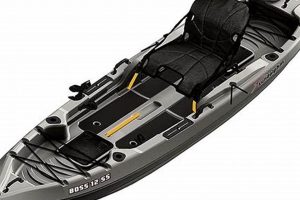
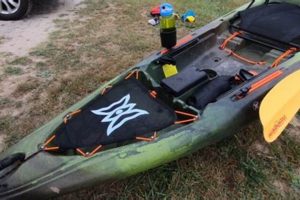
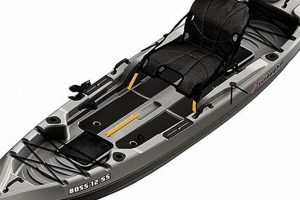
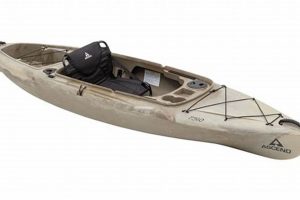
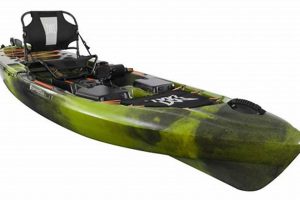
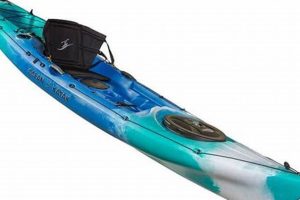
This style of kayak features a closed cockpit, offering the paddler a lower center of gravity and increased protection from the elements, such as water, wind, and cold temperatures. Imagine a small, personal watercraft, enclosed like a cockpit, designed specifically for angling. This design affords anglers stability and a dry, comfortable experience, even in challenging conditions.
The enclosed design contributes significantly to enhanced stability, a crucial factor for anglers casting lines and reeling in catches. This stability also proves valuable in navigating choppy waters or strong currents. Historically, these vessels evolved from traditional kayaks used for hunting and transportation, gradually incorporating features tailored for fishing, such as rod holders, storage compartments, and specialized seating. This evolution reflects a growing recognition of their effectiveness and adaptability for angling activities.
From the practical advantages of stability and protection to the historical evolution and specialized features, this kayak design offers a distinct approach to the sport of fishing. Exploration of specific features, material construction, and comparisons with other kayak styles will further illuminate the nuances of this particular angling platform.
Tips for Choosing and Using Sit-Inside Fishing Kayaks
Careful consideration of various factors ensures optimal selection and utilization of a sit-inside fishing kayak, maximizing comfort, stability, and overall angling success.
Tip 1: Prioritize Stability: Hull design significantly influences stability. Wider hulls generally offer greater initial stability, beneficial for casting and reeling. Longer hulls provide better tracking and glide in open water.
Tip 2: Consider Water Conditions: Shorter kayaks are more maneuverable in rivers and creeks, while longer kayaks excel in larger lakes and open water environments. Choose accordingly based on typical fishing locations.
Tip 3: Evaluate Storage Capacity: Adequate storage is essential for tackle, gear, and potential catches. Assess available storage compartments and their accessibility.
Tip 4: Assess Comfort and Fit: Cockpit size and seat design impact comfort, especially during longer fishing trips. Ensure ample legroom and adjustability for personalized comfort.
Tip 5: Factor in Weight Capacity: Select a kayak with a weight capacity exceeding the combined weight of the angler, gear, and potential catch to maintain optimal performance and safety.
Tip 6: Choose Appropriate Materials: Kayaks are typically constructed from polyethylene or composites. Polyethylene offers durability, while composites provide lighter weight and enhanced performance.
By considering these factors, anglers can select a vessel suited to their individual needs and the demands of their fishing environment. This careful evaluation ultimately contributes to a more productive and enjoyable angling experience.
From selection considerations to practical usage advice, these tips aim to equip anglers with the knowledge necessary to make informed decisions and fully utilize the advantages offered by this style of kayak. The subsequent conclusion will synthesize key information and reinforce the value of this specialized angling platform.
1. Stability

Stability forms a cornerstone of effective angling from a sit-inside kayak, directly influencing casting accuracy, fish fighting capability, and overall safety. A stable platform allows anglers to focus on the task at hand without the constant concern of capsizing, especially in challenging conditions. Understanding the components contributing to stability is crucial for informed kayak selection and confident on-the-water performance.
- Center of Gravity
A lower center of gravity inherently enhances stability. The seated position within the kayak’s cockpit places the paddler closer to the waterline, lowering the overall center of gravity and increasing resistance to tipping. This lower center of gravity is particularly advantageous when encountering waves, currents, or sudden movements from fighting a fish.
- Hull Design
Hull design plays a significant role in determining stability. Wider hulls offer greater initial stability, providing a secure platform ideal for casting and reeling. However, wider hulls may sacrifice some maneuverability and tracking performance. Conversely, narrower hulls enhance speed and tracking but offer reduced initial stability. The choice of hull design depends on individual fishing style and typical water conditions.
- Weight Distribution
Proper weight distribution within the kayak further optimizes stability. Evenly distributing gear and tackle within the storage compartments, avoiding excessive weight at either end, contributes to balanced performance. Shifting body weight strategically can also counterbalance external forces, maintaining stability in dynamic conditions.
- Water Conditions
Water conditions invariably influence stability. Calm, flat water presents minimal stability challenges, while choppy water or strong currents demand enhanced stability characteristics. Choosing a kayak with appropriate stability for the intended fishing environment is paramount for safety and successful angling.
These facets of stability interact dynamically to determine the overall performance of a sit-inside fishing kayak. Consideration of center of gravity, hull design, weight distribution, and water conditions informs the selection process, enabling anglers to choose a vessel that provides the stability required for their particular fishing style and environment. This informed approach maximizes both safety and angling effectiveness on the water.
2. Protection

The enclosed cockpit of a sit-inside fishing kayak offers a significant degree of protection from the elements, a crucial factor impacting angler comfort, safety, and overall fishing experience. This inherent protection extends beyond mere convenience, influencing the angler’s ability to remain on the water for extended periods, regardless of weather conditions. Consider an angler fishing in cold, windy conditions. The enclosed cockpit minimizes exposure to wind and spray, preserving body heat and preventing hypothermia. Similarly, during rain showers, the cockpit acts as a shield, keeping the angler relatively dry and allowing them to continue fishing uninterrupted.
This protection translates directly into extended fishing sessions, maximizing opportunities for success. Anglers can comfortably endure less-than-ideal conditions, pursuing their passion without compromise. Beyond weather protection, the enclosed cockpit also offers a measure of protection in the event of a capsize. While self-rescue techniques remain crucial, the cockpit can provide a temporary refuge, aiding in recovery and preventing complete submersion. This enhanced safety margin can be particularly important in colder water or challenging sea conditions.
The protective qualities of a sit-inside fishing kayak contribute significantly to angler comfort, safety, and the ability to extend fishing sessions. This protection from the elements and potential capsize scenarios allows anglers to focus on the pursuit of fish, enhancing the overall experience and increasing the likelihood of success. Understanding the extent and limitations of this protection enables informed decision-making regarding appropriate gear and safety precautions, crucial for maximizing both enjoyment and safety on the water.
3. Control

Control over a fishing kayak directly influences angling effectiveness and safety. A sit-inside design contributes significantly to enhanced control, enabling precise maneuvering in various water conditions. The enclosed cockpit allows paddlers to utilize their lower body and core muscles for enhanced leverage and responsiveness, crucial for navigating tight spaces, swift currents, or windy conditions. Consider navigating a narrow, winding creek. The enhanced control offered by a sit-inside kayak enables precise adjustments, preventing collisions with obstacles and maximizing fishing opportunities in otherwise inaccessible areas.
This level of control extends beyond mere navigation, influencing boat positioning and stability while casting and retrieving. Maintaining a desired position, even in challenging conditions, allows anglers to present lures effectively and react quickly to fish strikes. Imagine battling a strong fish in choppy water. The enhanced control provided by a sit-inside kayak allows the angler to maintain balance and effectively manage the line, increasing the likelihood of a successful landing. This advantage becomes even more pronounced in demanding environments like fast-flowing rivers or windy coastal areas.
The precise control afforded by sit-inside fishing kayaks enhances angling effectiveness and safety. This control translates directly into improved maneuverability, precise boat positioning, and enhanced stability in various water conditions, ultimately increasing the angler’s ability to successfully target and land fish while maintaining a safe and controlled experience on the water. Understanding the relationship between design and control empowers anglers to choose a kayak that meets their specific needs and fishing style.
4. Comfort

Comfort plays a pivotal role in the overall fishing experience from a sit-inside kayak. Extended periods on the water necessitate a comfortable seating arrangement and ample space within the cockpit. Discomfort can lead to fatigue, reduced focus, and a shortened fishing trip. Conversely, a comfortable environment allows anglers to concentrate on fishing, maximizing enjoyment and potentially increasing success. Consider an angler spending hours on the water pursuing their quarry. A well-designed seat and spacious cockpit contribute significantly to sustained comfort, enabling prolonged focus and enjoyment. An uncomfortable seating position, however, can lead to back pain, stiffness, and a premature end to the fishing trip.
Several factors influence comfort within a sit-inside fishing kayak. Seat design, including cushioning, back support, and adjustability, directly impacts long-term comfort. Cockpit dimensions, particularly legroom and width, dictate available space and freedom of movement. Material choices influence breathability and temperature regulation, impacting comfort in varying weather conditions. A poorly designed seat lacking adequate support can quickly become uncomfortable, leading to fatigue and hindering the angler’s ability to react swiftly to fish strikes. A cramped cockpit can restrict movement, making casting and retrieving difficult, and further contributing to discomfort. Conversely, an ergonomic seat with ample padding and adjustable features promotes proper posture and reduces strain, enabling extended fishing sessions. A spacious cockpit allows for comfortable movement and gear accessibility, contributing to a more positive overall experience.
Prioritizing comfort in a sit-inside fishing kayak contributes directly to an enhanced angling experience. Understanding the elements influencing comfort seat design, cockpit dimensions, and materials empowers informed decision-making during kayak selection. This informed approach leads to increased fishing time, improved focus, and ultimately, a more enjoyable and potentially more successful time on the water. Investing in a comfortable sit-inside kayak proves worthwhile, transforming extended fishing trips from potential endurance tests into opportunities for sustained enjoyment and connection with nature.
5. Storage
Effective storage solutions are integral to the functionality and enjoyment of a sit-inside fishing kayak. Organized and accessible storage directly impacts angling efficiency, allowing for quick retrieval of essential gear and safe stowage of catches. Insufficient or poorly designed storage can lead to frustration, wasted time, and compromised safety on the water. The following facets explore the key considerations regarding storage in sit-inside fishing kayaks.
- Types of Storage
Sit-inside fishing kayaks offer various storage options, including rear tank wells, front hatches, side pockets, and integrated compartments. Rear tank wells accommodate larger items like tackle boxes and coolers. Front hatches provide secure storage for gear sensitive to water exposure. Side pockets offer quick access to frequently used items such as pliers and line cutters. Integrated compartments within the cockpit provide specialized storage for smaller items like lures and leader material. The diversity of storage options allows anglers to customize their kayak setup to suit individual needs and fishing styles.
- Accessibility
Ease of access to stored items is crucial for maintaining fishing momentum. Conveniently located hatches and compartments minimize disruption during fishing, allowing for seamless transitions between casting, retrieving, and gear adjustments. Awkwardly positioned or difficult-to-open storage can lead to frustration and lost fishing time, especially in dynamic conditions. Consider an angler needing to quickly change lures. Easily accessible storage enables a swift change without compromising boat stability or fishing rhythm.
- Capacity
Storage capacity dictates the amount of gear and potential catch that can be accommodated. Anglers targeting larger species or embarking on longer trips require greater storage capacity. Understanding storage limitations influences gear selection and trip planning, ensuring adequate space for essential equipment and anticipated catches. An angler planning an overnight trip needs ample storage for camping gear, food, and potential catches. Insufficient capacity necessitates difficult choices regarding gear selection and can compromise both comfort and safety.
- Security
Secure storage prevents gear loss and protects valuable items from water damage. Well-sealed hatches and compartments safeguard against water intrusion, preserving sensitive electronics and other essential gear. Secure storage also prevents items from shifting during transit or rough water conditions, minimizing the risk of damage or loss. A securely fastened hatch cover ensures that essential gear, such as a first-aid kit or communication device, remains dry and functional, even in the event of a capsize or unexpected wave action.
The various facets of storage in sit-inside fishing kayaks types, accessibility, capacity, and security contribute significantly to overall angling effectiveness and enjoyment. Careful consideration of these elements during kayak selection ensures that storage solutions align with individual fishing styles and anticipated needs. Adequate and well-designed storage streamlines gear management, maximizes fishing time, and enhances the overall on-the-water experience. A well-organized kayak allows anglers to focus on the task at hand catching fish rather than grappling with inadequate or inaccessible storage solutions.
6. Specialized Features
Specialized features distinguish fishing kayaks from recreational models, enhancing angling effectiveness and overall experience. These purpose-built additions cater specifically to the needs of anglers, streamlining essential tasks and maximizing time on the water. Integration of these features directly impacts fishing success and enjoyment. Understanding the function and benefits of these specialized features empowers informed decision-making during kayak selection.
- Rod Holders
Rod holders secure fishing rods, freeing hands for other tasks like paddling, maneuvering, or landing fish. Multiple rod holders allow anglers to employ various fishing techniques simultaneously. Flush-mounted rod holders minimize interference with paddling, while adjustable rod holders offer versatility in positioning rods for specific techniques. An angler trolling with multiple lines benefits significantly from dedicated rod holders, keeping lines organized and readily accessible.
- Tackle Storage
Specialized tackle storage compartments keep lures, hooks, weights, and other essential gear organized and readily accessible. Designated compartments for specific items streamline tackle management, reducing time spent searching for gear and maximizing fishing time. Waterproof compartments protect sensitive electronics and gear from water damage. An angler needing a specific lure can quickly locate it in a well-organized tackle storage compartment, minimizing disruption and maintaining fishing momentum.
- Fish Finders and Electronics Mounts
Integrated mounts accommodate fish finders, GPS units, and other electronic devices crucial for locating fish and navigating waterways. These mounts provide secure placement for electronics, ensuring clear visibility and convenient operation. Integrated wiring systems streamline power supply to electronic devices. An angler using a fish finder to locate underwater structure benefits from a secure and conveniently positioned mounting point, allowing for efficient interpretation of sonar data.
- Anchor Trolleys and Systems
Anchor trolleys and anchoring systems provide controlled positioning in specific locations, crucial for techniques like drift fishing or maintaining position in current. These systems allow anglers to adjust anchor position efficiently, optimizing boat positioning relative to fish-holding areas. Integrated anchor trolley systems minimize line entanglement and streamline anchor deployment and retrieval. An angler fishing in a river can use an anchor trolley system to control drift speed and maintain position in a prime fishing location.
These specialized features collectively enhance the functionality and effectiveness of sit-inside fishing kayaks. Rod holders, tackle storage solutions, electronics mounts, and anchor systems contribute to a streamlined and efficient angling experience. Understanding the benefits of these features allows anglers to select a kayak equipped to meet their specific needs and fishing style, ultimately maximizing their enjoyment and success on the water. These specialized features transform a standard kayak into a dedicated fishing platform, optimizing every aspect of the angling experience.
7. Performance

Performance characteristics significantly influence a fishing kayak’s effectiveness on the water. Factors such as speed, maneuverability, tracking, and stability contribute to overall performance, impacting an angler’s ability to reach desired locations, navigate various water conditions, and maintain optimal positioning for fishing. Understanding the interplay of these factors enables informed kayak selection based on individual fishing styles and target environments.
- Hull Design
Hull design plays a crucial role in determining a kayak’s performance characteristics. Longer, narrower hulls generally offer greater speed and efficient tracking, making them suitable for open water and long-distance paddling. Shorter, wider hulls prioritize stability and maneuverability, advantageous in rivers, creeks, and areas requiring frequent turning. A longer hull excels in covering distance quickly on a large lake, while a shorter hull allows for nimble navigation in a tight, mangrove-lined creek.
- Length and Width
Length and width directly impact speed, stability, and maneuverability. Longer kayaks track straighter and glide more efficiently, while shorter kayaks turn more easily. Wider kayaks offer enhanced stability, while narrower kayaks provide increased speed. A longer, narrower kayak might be preferred for traversing large open water bodies, while a shorter, wider kayak proves beneficial in confined spaces or areas with strong currents.
- Material and Weight
Kayak construction materials influence weight, durability, and performance. Lighter kayaks require less effort to paddle and transport, while heavier kayaks offer increased stability and durability. Composite materials like fiberglass and carbon fiber create lighter, higher-performing kayaks, while polyethylene offers durability and affordability. A lightweight kayak reduces fatigue during long paddling sessions, while a heavier, more durable kayak can withstand impacts in rocky or shallow environments.
- Water Conditions
Water conditions significantly impact a kayak’s performance. Calm, flat water allows for optimal speed and tracking, while choppy water or strong currents demand enhanced stability and maneuverability. Wind conditions also affect performance, requiring kayaks with sufficient tracking ability to maintain course. A kayak designed for open water may perform poorly in tight, winding streams, while a highly maneuverable kayak may struggle to track straight in strong winds or open water.
The performance attributes of a sit-inside fishing kayak significantly influence its suitability for specific fishing environments and techniques. Hull design, length and width, material and weight, and prevailing water conditions all interact to determine a kayak’s overall performance. Careful consideration of these factors ensures selection of a kayak optimized for individual angling needs and desired on-the-water experience. A kayak’s performance ultimately dictates its effectiveness as a fishing platform, impacting an angler’s ability to reach target locations, maintain desired positions, and efficiently navigate varying water conditions.
Frequently Asked Questions
This section addresses common inquiries regarding sit-inside fishing kayaks, providing concise and informative responses to facilitate informed decision-making.
Question 1: What are the primary advantages of a sit-inside fishing kayak compared to a sit-on-top model?
Sit-inside kayaks offer enhanced protection from the elements and improved paddling efficiency in cold or rough water conditions due to the lower center of gravity and reduced wind resistance. They also tend to be warmer and drier, which can be advantageous in colder climates.
Question 2: Are sit-inside fishing kayaks suitable for beginners?
While potentially initially less stable than sit-on-tops, sit-inside kayaks can be suitable for beginners with proper instruction and practice. The lower center of gravity can contribute to a feeling of security once acclimated.
Question 3: How does one choose the correct size sit-inside fishing kayak?
Kayak size selection depends on individual paddler weight and intended use. Heavier paddlers or those carrying substantial gear require kayaks with higher weight capacities. Longer kayaks offer better tracking for open water, while shorter kayaks provide enhanced maneuverability in tighter spaces.
Question 4: What safety precautions should one take when using a sit-inside fishing kayak?
Essential safety precautions include wearing a personal flotation device, carrying a whistle or other signaling device, informing someone of the planned fishing location and estimated return time, and checking weather conditions before embarking. Learning self-rescue techniques is also highly recommended.
Question 5: What essential gear should one bring on a sit-inside fishing kayak trip?
Essential gear includes appropriate paddling attire, a personal flotation device, a paddle, fishing rods and tackle, a first-aid kit, signaling devices, navigation tools (map, compass, GPS), and appropriate storage containers for catches.
Question 6: How does one maintain and store a sit-inside fishing kayak?
Proper maintenance includes rinsing the kayak with fresh water after each use, especially after exposure to saltwater. Store the kayak in a cool, dry place out of direct sunlight. Regular inspection for damage and timely repairs contribute to extended kayak lifespan.
Careful consideration of these frequently asked questions equips prospective sit-inside kayak anglers with essential knowledge for informed decision-making and safe, enjoyable fishing experiences.
For a deeper understanding of specialized fishing kayak features and their applications, consult the subsequent sections detailing specific equipment choices and angling techniques.
Conclusion
This exploration of sit-inside fishing kayaks has highlighted their unique attributes, emphasizing the benefits of stability, protection, control, and specialized features tailored for angling. From the analysis of hull design and material construction to the consideration of comfort, storage, and performance characteristics, the multifaceted nature of these specialized vessels has been thoroughly examined. The discussion encompassed essential safety precautions, maintenance practices, and answers to frequently asked questions, providing a comprehensive overview for both prospective and experienced anglers.
The sit-inside fishing kayak represents a significant evolution in angling platforms, offering a distinct approach to the sport. Careful consideration of individual needs, fishing styles, and target environments empowers informed decision-making, leading to the selection of a vessel optimized for maximizing both enjoyment and success on the water. The future of kayak fishing continues to evolve, with ongoing innovations in design and technology promising further enhancements to this dynamic and engaging pursuit.