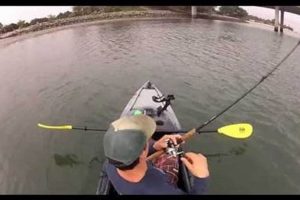
Kayak angling in the Dallas-Fort Worth metroplex offers a unique blend of urban convenience and access to diverse waterways. From the Trinity River and Lake Worth to smaller suburban lakes and ponds, the region provides ample opportunities for anglers to pursue a variety of fish species from a human-powered vessel. This approach allows for quiet exploration of shallow waters and hard-to-reach areas often inaccessible to larger boats.
This style of fishing provides several advantages. The low profile of a kayak allows for stealthy approaches, increasing the chances of a successful catch. It’s also an environmentally friendly mode of transportation, minimizing disturbance to aquatic ecosystems. Furthermore, the physical activity inherent in paddling offers a healthy and engaging outdoor experience. While the areas history of fishing predates modern kayaks, their increasing popularity reflects a growing appreciation for this accessible and versatile angling method.
The following sections will explore suitable locations, recommended equipment, effective techniques, and relevant regulations for this activity in the Dallas-Fort Worth area. This information aims to provide a complete resource for both novice and experienced anglers interested in exploring local waters from the unique perspective of a kayak.
Tips for Kayak Fishing in the Dallas-Fort Worth Area
Successful kayak angling requires careful planning and execution. The following tips offer guidance for a safe and productive experience on the region’s waterways.
Tip 1: Research Suitable Locations: Water access, fish species, and local regulations vary across different bodies of water. Thorough research ensures selection of an appropriate fishing spot. Public access points, fish stocking information, and license requirements should be investigated prior to any outing.
Tip 2: Prioritize Safety Equipment: A personal flotation device (PFD) is essential. Carrying a whistle, signaling device, and first-aid kit is also recommended. Weather conditions can change rapidly, so checking forecasts before departure and having appropriate clothing is crucial.
Tip 3: Choose Appropriate Tackle: Shorter rods and reels are generally preferred for kayak fishing due to space constraints. Lure selection should reflect target species and prevailing water conditions. Live bait can be effective but requires proper storage and handling.
Tip 4: Practice Kayak Control: Maneuvering a kayak effectively is critical for safe and efficient fishing. Practice paddling and maneuvering in calm water before venturing into more challenging conditions. Understanding wind and current effects is also important.
Tip 5: Employ Effective Anchoring Techniques: Maintaining position while fishing is often necessary. Anchor selection should consider bottom type and water depth. Deploying and retrieving an anchor from a kayak requires careful technique to prevent capsizing.
Tip 6: Respect Wildlife and the Environment: Minimizing disturbance to aquatic ecosystems is crucial. Proper disposal of fishing line and other refuse is mandatory. Observing local regulations regarding catch limits and protected species is essential for conservation efforts.
Tip 7: Plan for Weather Changes: Conditions can change rapidly. Having a plan for inclement weather, including potential escape routes or nearby shelter, is essential. Monitoring weather forecasts before and during outings can prevent dangerous situations.
Adhering to these guidelines contributes significantly to angler safety and enhances the overall fishing experience. Careful preparation and responsible practices lead to greater enjoyment and preservation of local resources.
By understanding these critical aspects of kayak fishing, anglers can fully appreciate the unique opportunities afforded by this engaging pursuit.
1. Location Selection

Strategic location selection is paramount for a successful kayak fishing outing in the Dallas-Fort Worth area. The diverse waterways offer a range of fishing opportunities, each with unique characteristics impacting angler success. Careful consideration of factors such as target species, water conditions, and accessibility is essential.
- Target Species Considerations
Different fish species inhabit specific environments. Researching the prevalent species in a given body of water and understanding their habitat preferences informs location choices. For example, anglers seeking largemouth bass might target areas with submerged vegetation or fallen timber, while those pursuing crappie might focus on deeper, cooler areas near structures. Matching location to target species increases catch probability.
- Water Accessibility and Conditions
Evaluating water accessibility involves assessing launch points, parking availability, and potential hazards such as shallow areas or strong currents. Lake Grapevine, for instance, offers multiple developed boat ramps suitable for kayak launching, while smaller ponds may require portage access. Additionally, prevailing water conditions, including clarity, temperature, and flow rate, can significantly influence fish behavior and angling success.
- Regulations and Permitting
Understanding local regulations and permit requirements is crucial for legal and responsible fishing. Some areas may have specific restrictions on fishing times, allowed methods, or size and catch limits. Public access points typically require adherence to posted rules and regulations, while fishing in private waters often necessitates obtaining landowner permission. Checking Texas Parks and Wildlife Department guidelines ensures compliance.
- Proximity and Convenience
Balancing fishing potential with logistical considerations such as travel time and distance contributes to a positive experience. Anglers residing in the northern parts of the metroplex may find convenient access to Lake Ray Roberts, while those in the south might prefer Joe Pool Lake. Evaluating proximity to amenities like restrooms, tackle shops, and emergency services can further enhance convenience and safety.
Effective location selection optimizes fishing potential and overall enjoyment. By carefully considering target species preferences, accessibility, prevailing water conditions, applicable regulations, and logistical factors, anglers can maximize their chances of a successful and rewarding kayak fishing experience within the diverse waters of the Dallas-Fort Worth region.
2. Equipment Essentials

Appropriate equipment is fundamental to a safe and productive kayak fishing experience in the Dallas-Fort Worth area. The unique demands of this activity necessitate careful selection of essential gear, balancing functionality, comfort, and safety. The following facets highlight crucial equipment considerations for anglers exploring the region’s waterways.
- Kayak Selection
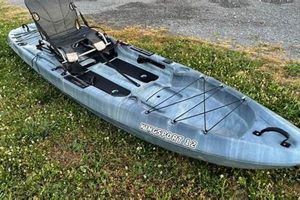
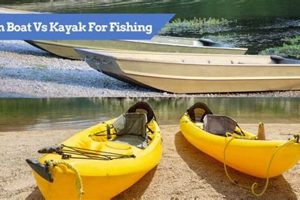
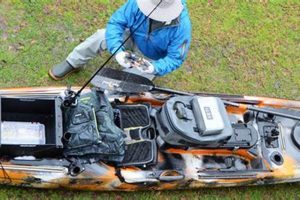
Kayak choice significantly impacts maneuverability, stability, and storage capacity. Shorter, wider kayaks offer greater stability, ideal for calmer waters and novice anglers. Longer, narrower kayaks provide increased speed and tracking, beneficial for covering larger distances on open lakes like Lake Ray Hubbard. Sit-on-top kayaks are favored for their self-bailing design and ease of re-entry after a water landing, while sit-inside kayaks provide greater protection from the elements, crucial during colder months. Specialized fishing kayaks often feature built-in rod holders, tackle storage, and anchor systems.
- Paddle Choice and Propulsion
Paddle length and blade shape influence paddling efficiency and comfort. Properly sized paddles reduce fatigue and maximize propulsion. Lightweight paddles constructed from materials like fiberglass or carbon fiber minimize strain during longer outings. Pedal-driven kayaks offer hands-free propulsion, allowing anglers to focus on fishing. Electric motors provide an alternative, particularly helpful when navigating against wind or current on larger bodies of water such as Eagle Mountain Lake.
- Safety and Navigation Gear
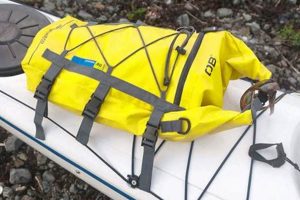
Prioritizing safety is paramount. A properly fitted personal flotation device (PFD) is mandatory and should be worn at all times. A whistle, signaling mirror, and waterproof flashlight aid in emergency situations. A first-aid kit equipped to handle common fishing-related injuries is essential. Navigation tools such as a GPS device or chartplotter assist in wayfinding, especially in unfamiliar waters or during periods of reduced visibility. Carrying a dry bag protects essential items like phones and wallets from water damage.
- Fishing-Specific Equipment
Rods and reels suitable for kayak fishing typically feature shorter lengths for easier handling in confined spaces. Lure selection should reflect target species and prevailing water conditions. Tackle storage solutions designed for kayak use maximize organization and efficiency. A landing net facilitates safe and efficient fish handling. An anchor system, including an appropriate anchor and line, allows anglers to maintain position in desired fishing spots, crucial in areas with current or wind.
Careful consideration of these equipment essentials ensures preparedness, safety, and ultimately, a more enjoyable and successful kayak fishing experience in the diverse waters of the Dallas-Fort Worth metroplex. Selecting appropriate gear tailored to individual needs and target environments enhances angler comfort, efficiency, and overall success.
3. Safety Procedures
Safety procedures are paramount for kayak fishing in the Dallas-Fort Worth area. The region’s diverse waterways present varying conditions, from calm ponds to large reservoirs with substantial boat traffic. Neglecting safety protocols can lead to serious consequences, including injuries, property damage, or even fatalities. Understanding and implementing appropriate safety measures significantly mitigates these risks.
A key component of safe kayak fishing involves careful planning and preparation. Checking weather forecasts before embarking on a fishing trip helps anglers avoid potentially hazardous conditions like thunderstorms or high winds. Informing someone of the intended fishing location and estimated return time provides an additional layer of security. Carrying essential safety gear such as a personal flotation device (PFD), whistle, and signaling device ensures preparedness for unexpected events. For example, a PFD is crucial should a kayak capsize, particularly in colder water temperatures present in the region during certain seasons. A whistle can attract attention in case of an emergency, while a signaling mirror aids in rescue efforts. Knowledge of basic first aid and carrying a well-stocked first-aid kit allows for immediate response to minor injuries.
Navigating waterways safely requires awareness of other boat traffic and potential hazards. Maintaining a safe distance from motorized vessels reduces the risk of collisions. Awareness of shallow areas, submerged debris, and changing water conditions helps prevent accidents. Practicing self-rescue techniques, such as re-entering a kayak after capsizing, equips anglers with essential skills for handling emergencies. Conscientious adherence to safety procedures contributes significantly to a positive and incident-free kayak fishing experience in the Dallas-Fort Worth area. Understanding potential risks and implementing appropriate precautions allows anglers to enjoy the regions diverse waterways while minimizing potential dangers. This proactive approach promotes both personal safety and responsible use of aquatic resources.
4. Fishing Techniques
Effective fishing techniques in the Dallas-Fort Worth area require adaptation to the unique constraints and opportunities presented by kayak angling. Unlike fishing from larger boats, kayak anglers must consider factors such as limited space, maneuverability, and the need for stealth. Understanding these factors and employing appropriate techniques significantly influences angling success.
- Casting Considerations
Casting from a kayak demands precision and control due to the smaller, less stable platform. Shorter rods and reels are generally preferred for ease of handling within the confines of a kayak. Sidearm or underhand casting techniques minimize the risk of snagging overhead branches or losing balance. Accurate casts near structures like submerged logs or weed beds are crucial for targeting species such as bass or crappie, commonly found in these habitats within DFW waters.
- Drift Fishing Techniques
Drift fishing allows anglers to cover water efficiently, presenting bait or lures to a wider range of fish. Utilizing wind or current to propel the kayak across a fishing area maximizes coverage. Maintaining a controlled drift, often achieved by deploying a drift sock or anchor, keeps bait or lures at the desired depth and presentation speed. This technique proves particularly effective for targeting catfish or white bass schooling in open water areas of reservoirs like Lake Worth.
- Trolling from a Kayak
Trolling involves dragging lures or bait behind a moving kayak, covering a large area and enticing fish to strike. Slower trolling speeds are generally preferred, mirroring natural prey movements. Multiple rods can be deployed, increasing the chances of attracting different species. Using a fish finder helps locate areas with higher fish concentrations, enhancing trolling effectiveness. This technique is commonly employed for striped bass and hybrid stripers in larger lakes like Grapevine.
- Stealth and Approach
The low profile of a kayak offers a significant advantage in approaching fish stealthily, particularly in shallow, clear waters. Minimizing noise and sudden movements prevents spooking wary fish. Using a paddle quietly and efficiently maintains a stealthy approach. Approaching fish from upwind or upcurrent prevents detection through sound or scent. This technique is particularly important for targeting species like largemouth bass in heavily pressured urban ponds throughout the metroplex.
Adapting fishing techniques to the specific characteristics of kayak angling in the Dallas-Fort Worth area maximizes success. By considering platform limitations and employing appropriate strategies, kayak anglers can effectively target a diverse range of species and enjoy the unique challenges and rewards of this specialized angling pursuit.
5. Local Regulations
Adherence to local regulations is essential for responsible and legal kayak fishing within the Dallas-Fort Worth metroplex. These regulations, established by the Texas Parks and Wildlife Department, govern aspects such as licensing requirements, catch limits, permitted fishing methods, and designated fishing areas. Compliance ensures the sustainability of fish populations and protects the integrity of aquatic ecosystems. Ignoring these regulations can result in fines, confiscation of equipment, and suspension of fishing privileges.
Licensing requirements vary depending on angler age and residency status. Individuals born before September 1, 1930, are generally exempt from licensing requirements, while others must possess a valid Texas fishing license. Different license types exist, including all-water licenses providing access to all public waters and limited licenses restricted to specific areas. Possessing the correct license for the intended fishing location is mandatory. For example, fishing on Lake Ray Roberts requires a valid freshwater fishing license. Catch limits dictate the number and size of fish that can be legally harvested. These limits vary by species and are designed to prevent overfishing and maintain healthy populations. Exceeding catch limits for species like largemouth bass, a popular target in DFW waters, can result in penalties. Permitted fishing methods also vary. Certain areas may restrict the use of live bait, while others may prohibit specific fishing techniques like juglines or trotlines. Understanding these restrictions before fishing ensures compliance.
Understanding and adhering to local regulations safeguards aquatic resources and promotes ethical angling practices. Compliance demonstrates respect for the environment and contributes to the long-term sustainability of fishing opportunities within the Dallas-Fort Worth area. Resources such as the Texas Parks and Wildlife Department website provide detailed information on current regulations, ensuring anglers possess the knowledge necessary for legal and responsible participation in this popular recreational activity. Awareness and adherence benefit both the environment and the angling community.
6. Environmental Respect

Environmental respect is integral to sustainable kayak fishing within the Dallas-Fort Worth metroplex. The region’s diverse waterways, supporting a variety of aquatic life, face increasing pressures from urbanization and recreational activities. Minimizing the environmental impact of kayak fishing ensures the preservation of these valuable resources for future generations. Responsible angling practices demonstrate a commitment to conservation and contribute to the long-term health of the ecosystem.
- Minimizing Disturbance to Aquatic Habitats
Kayaks offer a relatively low-impact method of accessing waterways, but careful navigation remains crucial. Avoiding shallow areas with sensitive vegetation or spawning beds protects critical habitats. Paddling quietly and minimizing noise reduces disturbance to fish and other wildlife. For example, refraining from paddling directly through dense stands of emergent vegetation protects crucial habitat for juvenile fish and invertebrates in areas like the Trinity River Audubon Center. Respectful navigation ensures the preservation of these vital ecosystems.
- Proper Waste Disposal and Pollution Prevention
Disposing of fishing line, hooks, and other tackle properly prevents entanglement of wildlife and minimizes plastic pollution. Carrying a trash bag and collecting any discarded items encountered during a fishing trip contributes to overall cleanliness. Avoiding the use of harmful chemicals or soaps when cleaning kayaks or equipment prevents contamination of water sources. For instance, disposing of used fishing line in designated receptacles at boat ramps around Lake Grapevine prevents entanglement of birds and turtles. Responsible waste management safeguards water quality and preserves the aesthetic value of the environment.
- Respecting Wildlife and Observing Regulations
Observing catch limits and size restrictions for target species ensures sustainable fish populations. Handling fish carefully during catch and release minimizes stress and injury, increasing survival rates. Avoiding interaction with or harassment of non-target wildlife, such as nesting birds or basking turtles, promotes their well-being. Adhering to designated fishing areas and closures protects vulnerable habitats. For example, respecting closures during fish spawning seasons on Mountain Creek Lake safeguards reproductive success and sustains fish populations. Respectful interaction with wildlife ensures their long-term survival.
- Promoting Conservation Awareness
Educating fellow anglers about responsible fishing practices and environmental stewardship fosters a culture of conservation within the kayak fishing community. Participating in local cleanup events or habitat restoration projects actively contributes to environmental improvement. Supporting organizations dedicated to water quality and conservation strengthens collective efforts. Sharing positive examples of environmental stewardship through social media or online forums promotes broader awareness. Encouraging responsible behavior among fellow anglers amplifies the impact of individual actions and fosters a collective commitment to environmental protection.
By integrating environmental respect into all aspects of kayak fishing, anglers contribute to the long-term health and sustainability of the Dallas-Fort Worth waterways. Responsible practices ensure the continued enjoyment of these valuable resources for future generations. This commitment to conservation strengthens the connection between anglers and the environment, fostering a deeper appreciation for the natural world and ensuring the future of this rewarding recreational activity.
Frequently Asked Questions about Kayak Fishing in the Dallas-Fort Worth Area
This section addresses common inquiries regarding kayak fishing in the Dallas-Fort Worth area, providing concise and informative responses to assist both novice and experienced anglers.
Question 1: What are the most suitable locations for kayak fishing in the DFW metroplex?
Numerous locations cater to kayak anglers, including Lake Worth, Lake Grapevine, Joe Pool Lake, Ray Roberts Lake, Eagle Mountain Lake, and various smaller ponds and rivers. Suitability depends on target species and angler experience. Researching specific locations beforehand is advised.
Question 2: What essential equipment is required for kayak fishing in this region?
Essential equipment includes a kayak, paddle, personal flotation device (PFD), appropriate fishing rods and reels, tackle, and safety gear such as a whistle and signaling device. Specialized fishing kayaks often incorporate features like rod holders and anchor systems.
Question 3: Are there specific regulations or licensing requirements for kayak fishing in DFW?
A valid Texas fishing license is generally required, with exemptions for certain individuals. Specific regulations regarding catch limits, permitted fishing methods, and designated fishing areas vary by location. Consulting the Texas Parks and Wildlife Department website provides comprehensive information.
Question 4: What safety precautions should be taken when kayak fishing in this area?
Checking weather forecasts, informing someone of fishing plans, wearing a PFD, carrying safety gear, and being aware of other boat traffic are crucial safety precautions. Practicing self-rescue techniques is also recommended.
Question 5: What are some effective fishing techniques for kayak anglers in DFW?
Effective techniques include drift fishing, trolling, and casting near structures. Adapting techniques to target species and prevailing conditions enhances success. Stealth and minimizing disturbance are often advantageous.
Question 6: How can kayak anglers minimize their environmental impact while fishing in DFW?
Minimizing impact involves adhering to leave-no-trace principles. Proper disposal of fishing line and other waste, respecting wildlife and their habitats, and observing local regulations contribute to environmental preservation.
Careful consideration of these frequently asked questions enhances angler preparedness, promotes safety, and fosters responsible fishing practices within the Dallas-Fort Worth kayak fishing community.
Further exploration of specific topics related to kayak fishing in the Dallas-Fort Worth area follows in the subsequent sections.
Dallas-Fort Worth Kayak Fishing
This exploration of kayak fishing within the Dallas-Fort Worth metroplex has highlighted the unique opportunities and considerations inherent in this pursuit. From location selection and equipment essentials to safety procedures, fishing techniques, local regulations, and environmental respect, the multifaceted nature of this activity necessitates careful planning and execution. The region’s diverse waterways offer rewarding experiences for anglers willing to adapt to the specific demands of kayak-based angling. Understanding the nuances of local ecosystems, respecting wildlife, and adhering to responsible fishing practices contribute to the sustainability of this recreational activity.
Kayak fishing offers a distinct connection with the natural environment, promoting appreciation for aquatic ecosystems and fostering a sense of stewardship. Continued growth and development within the Dallas-Fort Worth kayak fishing community relies on responsible practices and informed decision-making. Through ongoing education, resource management, and collaborative efforts, the future of this engaging pursuit remains promising, ensuring enjoyment for generations to come.