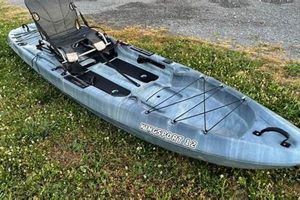
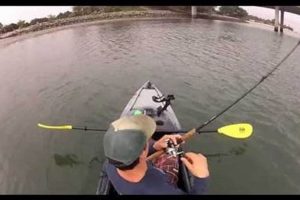
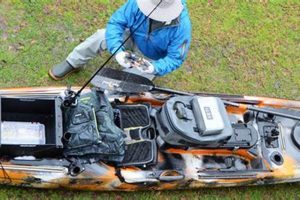
This sit-on-top vessel is a specific model of a personal watercraft designed for angling. It combines a stable platform with features tailored for fishing, such as rod holders and storage compartments. The “10t” designation typically refers to a specific size or version within the product line.
A stable and efficient watercraft designed for angling offers significant advantages to the fishing enthusiast. It provides access to otherwise difficult-to-reach fishing spots, enhancing the angling experience. Such vessels often incorporate specialized design elements, contributing to increased stability, improved maneuverability, and convenient storage for fishing gear. These features can lead to a more productive and enjoyable time on the water. The increasing popularity of kayak fishing reflects a growing appreciation for the sport’s unique blend of challenge and tranquility.
The following sections will delve deeper into the specifications, features, performance, and overall value proposition of this particular fishing platform. This detailed exploration will provide prospective buyers with the information necessary to make informed decisions.
Tips for Utilizing a Fishing Kayak
Effective use of a fishing kayak maximizes angling success and overall enjoyment on the water. The following tips provide guidance for optimizing the experience.
Tip 1: Stability and Balance: Maintaining balance is crucial. Distribute weight evenly and avoid sudden movements. Practice entering and exiting the kayak in shallow water to build confidence.
Tip 2: Paddle Selection: Choose a paddle appropriate for individual height and kayak width. Proper paddle length contributes to efficient paddling and reduces fatigue.
Tip 3: Safety Gear: Always wear a personal flotation device (PFD). Carry a whistle, signaling device, and first-aid kit. Inform someone of the intended fishing location and estimated return time.
Tip 4: Navigation and Planning: Study maps and charts of the intended fishing area. Be mindful of weather conditions and water currents. Plan routes and identify potential hazards.
Tip 5: Fishing Gear Organization: Organize fishing gear strategically for easy access. Utilize rod holders and storage compartments. Minimize clutter to maintain a stable and efficient fishing platform.
Tip 6: Respect Wildlife and the Environment: Practice catch-and-release whenever possible. Dispose of fishing line and other waste properly. Respect wildlife and their natural habitats.
Tip 7: Anchoring Techniques: Utilize appropriate anchoring techniques to maintain position in desired fishing locations. Consider anchor type and water depth for effective anchoring.
Adhering to these guidelines enhances safety, improves fishing efficiency, and promotes responsible enjoyment of the sport.
These practical tips provide a foundation for a successful and rewarding kayak fishing experience. The next section concludes with a summary of key takeaways and considerations for prospective kayak anglers.
1. Stability

Stability represents a critical performance attribute in fishing kayaks, directly influencing angling success and overall safety. The Ascend 10T kayak addresses this crucial aspect through several design elements. A wider hull and a flat bottom contribute to enhanced primary stability, resisting initial tipping. This characteristic proves especially beneficial when casting, reeling, and landing fish. The positioning of the seat and the kayak’s center of gravity further contribute to overall balance. For instance, a lower center of gravity reduces the likelihood of capsizing. Understanding these design considerations allows anglers to appreciate how the 10T prioritizes stability for a secure and confident on-the-water experience. In practical terms, this translates to fewer unintended dips and a more stable platform for focusing on fishing.
Beyond inherent design characteristics, several factors influence on-the-water stability. Proper weight distribution plays a crucial role. Evenly distributing gear and maintaining a balanced posture minimize rocking and swaying. Environmental conditions also impact stability. Calm waters generally present fewer stability challenges compared to choppy conditions or strong currents. Anglers must adapt their techniques and body positioning to maintain balance in varying environments. For example, leaning into a wave or current can help maintain equilibrium. Recognizing these dynamic factors allows anglers to proactively adjust and maintain optimal stability regardless of the fishing scenario.
In conclusion, the Ascend 10T kayak’s stability derives from a combination of design features and user practices. The wider hull, flat bottom, and low center of gravity provide an inherently stable platform. However, proper weight distribution and adaptation to environmental conditions remain essential for maximizing stability. Understanding this interplay between design and user responsibility allows anglers to fully leverage the 10T’s stability features for a more secure and productive fishing experience. This knowledge ultimately enhances both safety and enjoyment on the water.
2. Maneuverability
Maneuverability represents a crucial performance characteristic in fishing kayaks, impacting the ability to navigate diverse water environments and access prime fishing locations. This attribute significantly influences the overall angling experience with the Ascend 10T kayak.
- Tracking and Turning Performance
Tracking refers to the kayak’s ability to maintain a straight course, while turning performance dictates how efficiently it changes direction. The 10T’s hull design influences both aspects. A longer kayak generally tracks better in open water, while a shorter kayak turns more readily. The 10Ts specific design seeks to balance these characteristics for efficient paddling and navigation. For example, a moderate hull length combined with a defined keel line can improve tracking, while a slightly rockered hull (curved upwards at the bow and stern) facilitates turning. Effective tracking minimizes wasted effort and maximizes paddling efficiency, particularly over longer distances. Responsive turning allows for swift navigation through tight spaces, such as narrow creeks or around obstacles. The balance of these attributes impacts the overall efficiency and agility of the kayak.
- Influence of Water Conditions
Water conditions significantly impact maneuverability. Calm, flat water presents minimal resistance, facilitating both tracking and turning. Conversely, strong currents, wind, and choppy water demand increased effort and paddling skill to maintain desired course and maneuver effectively. In windy conditions, a kayak may drift off course, requiring corrective strokes to maintain intended direction. Strong currents can similarly challenge navigation, demanding precise paddle strokes to navigate effectively. Understanding the influence of prevailing conditions enables paddlers to anticipate challenges and adjust paddling techniques accordingly. This adaptability is essential for maintaining control and maximizing maneuverability in dynamic water environments.
- Role of Paddle Technique
Paddle technique directly influences a kayak’s responsiveness and control. Efficient paddle strokes maximize propulsion and minimize wasted energy. Different paddle strokes serve distinct purposes. Forward strokes propel the kayak, while sweep strokes facilitate turning. Reverse strokes provide braking or directional adjustments. Mastering various paddle techniques enables paddlers to precisely control the kayaks movement and optimize maneuverability. For example, a strong forward stroke with proper blade angle maximizes propulsion and maintains efficient tracking. A well-executed sweep stroke facilitates sharp turns, crucial for navigating tight spaces or avoiding obstacles. Proficient paddle technique translates to enhanced responsiveness and precise control, essential for confident maneuvering in diverse water conditions.
- Impact of Kayak Load
The weight and distribution of gear carried within the kayak directly influence its maneuverability. A heavier load reduces responsiveness and requires increased effort for both paddling and turning. Proper weight distribution is crucial for maintaining balance and optimizing performance. Concentrating heavier items closer to the center of gravity enhances stability and reduces the impact on maneuverability. Distributing weight evenly also minimizes drag and improves tracking. For instance, overloading the stern can make the kayak sluggish and difficult to turn. Conversely, overloading the bow can create excessive drag and reduce tracking efficiency. Careful consideration of weight distribution allows anglers to optimize performance and maintain responsive handling, even with a full load of gear. This mindful approach to loading ensures efficient and enjoyable navigation in various fishing environments.
The interplay of these factors directly impacts the Ascend 10T’s maneuverability, influencing its suitability for various fishing environments. Understanding the kayak’s design characteristics, the prevailing water conditions, and the impact of paddling technique and load distribution empowers anglers to maximize its maneuverability and optimize on-the-water performance. This comprehensive understanding contributes significantly to a more successful and enjoyable fishing experience.
3. Storage Capacity

Storage capacity significantly impacts a fishing kayak’s practicality and overall effectiveness. The Ascend 10T kayak addresses this crucial aspect through various integrated storage solutions designed to accommodate essential fishing gear and personal items. Ample storage facilitates organization, accessibility, and efficient use of space, contributing to a more productive and enjoyable fishing experience. For instance, dedicated compartments for tackle boxes, rod holders, and onboard storage wells offer convenient access to frequently used items. Sufficient storage space minimizes clutter, enhances safety, and allows anglers to focus on fishing rather than managing gear. Practical examples include storing tackle boxes within easy reach, securing rods in designated holders, and stowing personal items like dry bags or small coolers in designated compartments.
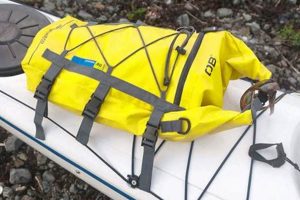
Several factors influence the effective utilization of storage capacity. Careful planning and organization maximize available space and ensure efficient retrieval of items. Prioritizing essential gear and utilizing appropriate storage solutions, such as waterproof bags or containers, protect equipment and maintain order. Understanding weight distribution considerations is also essential. Distributing weight evenly throughout the kayak maintains balance and stability, influencing overall performance. For example, storing heavier items closer to the center of gravity enhances stability, while lighter items can be stowed towards the bow or stern. This strategic approach to weight management optimizes the kayak’s performance and ensures a comfortable and stable fishing platform. Considering these factors collectively allows anglers to maximize the 10T’s storage capacity and enhance their overall fishing experience.
In conclusion, the Ascend 10T’s storage solutions contribute significantly to its practicality as a fishing platform. Dedicated compartments, rod holders, and storage wells offer convenient storage for essential gear and personal items. Effective utilization of this storage capacity relies on careful planning, organization, and consideration of weight distribution principles. By understanding and implementing these strategies, anglers can optimize their on-the-water experience, maximizing both efficiency and enjoyment. This practical approach to storage management ensures that anglers can focus on the task at hand catching fish without the distraction of managing a disorganized or cumbersome load.
4. Fishing Features
Specialized features distinguish fishing kayaks from recreational models. These features enhance angling effectiveness and overall on-the-water experience. The Ascend 10T kayak incorporates several key fishing features designed to cater to the specific needs of anglers.
- Rod Holders
Rod holders provide secure storage for fishing rods, freeing hands for other tasks such as paddling, maneuvering, and landing fish. The 10T typically includes flush-mounted rod holders and adjustable rod holders. Flush-mounted holders offer a streamlined profile for trolling or navigating tight spaces, while adjustable holders allow for customized rod positioning based on fishing techniques and preferences. Multiple rod holders enable anglers to carry several rods rigged with different lures or lines. This versatility allows for quick adaptation to changing fishing conditions or target species. For example, an angler might carry one rod rigged for bottom fishing and another for topwater lures.
- Tackle Storage
Dedicated tackle storage compartments keep essential fishing gear organized and readily accessible. These compartments often include removable tackle trays or boxes for customized organization. Easy access to lures, hooks, weights, and other terminal tackle streamlines the fishing process and minimizes time spent searching for gear. Dry storage compartments protect sensitive items from water damage, preserving their functionality. For example, an angler can quickly switch lures based on fish activity or change fishing techniques without rummaging through a disorganized tackle bag. Dry storage safeguards electronic devices, wallets, and other valuables from splashes or unexpected submersion.
- Fish Finder Mounts
Many fishing kayaks, including the 10T, offer integrated mounts or transducer scuppers for fish finders. These electronic devices utilize sonar technology to locate fish, identify underwater structures, and determine water depth. Fish finders provide valuable information that enhances angling success. Knowing the water depth, bottom contour, and the presence of fish allows anglers to target specific areas and depths, increasing the likelihood of a successful catch. Integrated mounts provide convenient and secure installation options for fish finders, ensuring they remain stable and functional during use.
- Other Fishing-Specific Features
The 10T may incorporate additional features such as paddle parks, anchor trolleys, and gear tracks. Paddle parks secure the paddle when not in use, preventing accidental loss or interference with fishing activities. Anchor trolleys allow for controlled drifting and precise positioning in current or wind. Gear tracks provide versatile mounting points for accessories like cameras, GPS units, and additional rod holders. These features enhance the kayak’s functionality and adaptability, catering to specific angling needs. For instance, an angler might use an anchor trolley to maintain position along a weed line or utilize gear tracks to mount a camera for recording catches.
These integrated features collectively enhance the 10T’s functionality as a dedicated fishing platform, distinguishing it from recreational kayaks. The strategic incorporation of rod holders, tackle storage, fish finder mounts, and other fishing-specific features optimizes the angling experience, contributing to increased efficiency, organization, and overall success on the water.
5. Portability

Portability significantly influences the practicality and overall usability of a kayak, especially for those without dedicated transport infrastructure. The Ascend 10T kayak addresses this critical aspect through design and material choices that aim to balance performance with ease of transport and storage. Understanding the factors affecting portability provides valuable insights for potential users.
- Weight and Dimensions
The kayak’s weight and dimensions directly impact transport and storage logistics. The 10T’s length and width influence how easily it fits onto roof racks, trailers, or inside vehicles. Its weight dictates the ease of carrying and maneuvering the kayak, particularly for individuals handling it alone. For example, a lighter kayak requires less effort to lift and carry, simplifying transport from vehicle to water’s edge. Compact dimensions facilitate storage in garages, sheds, or even apartments.
- Hull Material and Construction
The hull material influences both weight and durability. The 10T typically utilizes rotomolded polyethylene, a durable and relatively lightweight plastic. This material offers a balance of impact resistance and portability. While more robust than some other materials, polyethylene contributes to the overall weight of the kayak. Understanding the material’s properties allows users to assess its suitability for their specific transport and storage needs. For instance, a lighter material might be preferable for users frequently transporting the kayak over long distances or up and down stairs.
- Transportation Options and Accessories
Various transportation options and accessories facilitate easier handling and transport. Roof racks, kayak carts, and trailers provide convenient solutions for transporting the kayak on vehicles. These accessories minimize manual lifting and carrying, particularly over longer distances. Selecting appropriate transportation solutions depends on vehicle type and individual circumstances. For example, a roof rack might be suitable for vehicles with sufficient roof clearance, while a kayak cart proves more practical for transporting the kayak short distances from parking area to launch site.
- Storage Considerations
Storage requirements vary depending on available space and living arrangements. The 10T’s dimensions dictate the necessary storage space. Compact storage options, such as vertical or overhead storage racks, maximize space utilization in garages or sheds. Users with limited storage space benefit from the kayak’s relatively compact size, allowing for convenient storage even in smaller spaces. Planning storage arrangements in advance ensures the kayak remains protected and readily accessible for future use.
Considering these portability factors collectively informs purchasing decisions and ensures the Ascend 10T aligns with individual needs and logistical constraints. The balance of weight, dimensions, material, and transportation options impacts the kayak’s overall practicality and ease of use. Understanding these elements empowers users to make informed choices that enhance their overall kayaking experience, from initial transport to final storage.
Frequently Asked Questions
This section addresses common inquiries regarding the Ascend 10T fishing kayak, providing concise and informative responses.
Question 1: What is the weight capacity of the Ascend 10T?
The Ascend 10T typically boasts a weight capacity of around 400 lbs. though it is advisable to verify this with the manufacturer’s specifications. This capacity includes the combined weight of the paddler, gear, and any additional equipment.
Question 2: Is the Ascend 10T suitable for use in saltwater environments?
The Ascend 10T is designed for use in both freshwater and saltwater environments. The rotomolded polyethylene hull resists corrosion and can withstand exposure to saltwater. However, rinsing the kayak with freshwater after saltwater use is recommended to prolong its lifespan and maintain its appearance.
Question 3: What is the overall length and width of the Ascend 10T?
The Ascend 10T generally measures approximately 10 feet in length and around 32-34 inches in width. These dimensions influence its stability, maneuverability, and transport considerations. Precise dimensions may vary slightly depending on the specific model year or version.
Question 4: Does the Ascend 10T come with a paddle and PFD?
The standard package for the Ascend 10T typically does not include a paddle or personal flotation device (PFD). These items are usually purchased separately, allowing individuals to select equipment that best suits their needs and preferences. It’s essential to acquire a properly fitting PFD and a paddle appropriate for kayak fishing.
Question 5: How stable is the Ascend 10T for standing and fishing?
While the Ascend 10T offers decent stability for a sit-on-top kayak, standing and fishing requires careful consideration of individual balance and prevailing water conditions. The kayak’s flat bottom and wider beam contribute to stability, but practicing standing and fishing in calm, shallow water before venturing into more challenging conditions is recommended.
Question 6: What are the storage options available on the Ascend 10T?
The Ascend 10T typically features various storage options designed for fishing gear and personal belongings. These include a rear tank well with bungee cords, a front storage hatch, and side storage compartments. Some models also incorporate rod holders and specialized compartments for tackle boxes or other fishing accessories.
Addressing these frequently asked questions provides essential information for prospective buyers considering the Ascend 10T fishing kayak. Understanding the kayak’s capabilities, features, and limitations empowers informed decisions aligned with individual needs and expectations. The next section explores user experiences and reviews, providing further insights into real-world performance and satisfaction.
Continue reading for user reviews and firsthand experiences with the Ascend 10T. These accounts offer practical perspectives on the kayak’s performance in various fishing scenarios.
Conclusion
This exploration of the Ascend fishing kayak 10t encompassed key aspects relevant to prospective buyers. Stability, maneuverability, storage capacity, specialized fishing features, and portability considerations were examined in detail. Each attribute contributes to the kayak’s overall suitability for angling purposes. The analysis aimed to provide a comprehensive understanding of this specific model’s strengths and limitations within the broader context of fishing kayak selection.
Careful consideration of individual needs, fishing style, and target environments remains crucial in the kayak selection process. A thorough evaluation of available options, combined with an understanding of key performance characteristics, empowers informed decisions. Ultimately, the selection of a suitable fishing kayak enhances on-the-water experiences, contributing to increased enjoyment and angling success.