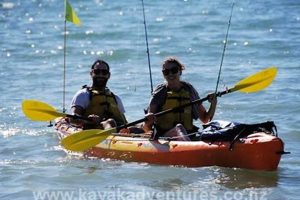
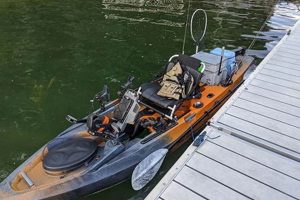
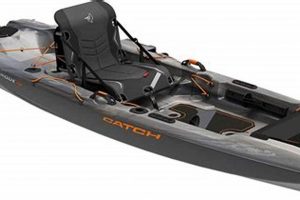
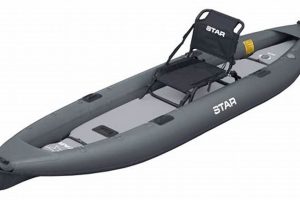
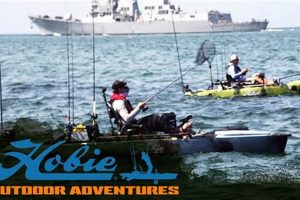
This specific type of watercraft is designed for angling, offering stability and specialized features for a comfortable and efficient fishing experience. These vessels typically include features like rod holders, storage compartments for tackle and gear, and often a comfortable, elevated seat.
Angling from this style of small boat provides advantages such as access to shallow or otherwise difficult-to-reach fishing spots, enhanced maneuverability, and a closer connection with the water. The evolution of these specialized boats reflects a growing demand for watercraft tailored to specific recreational activities. Their increasing popularity contributes significantly to the broader landscape of recreational fishing and the outdoor industry.
Further exploration will delve into specific design elements, popular models, and essential accessories to consider when choosing a suitable vessel for angling. Discussions on maintenance, safety practices, and popular fishing techniques employed from this type of watercraft will also be addressed.
Tips for Angling from a Small, Specialized Watercraft
Proper preparation and technique are essential for a successful and enjoyable fishing experience from a small, purpose-built boat.
Tip 1: Prioritize Stability: Weight distribution is crucial. Gear should be evenly distributed and secured to prevent shifting during movement. Low center of gravity enhances stability.
Tip 2: Master Paddling Techniques: Efficient paddling conserves energy and allows for precise maneuvering. Practice different strokes for navigating various water conditions.
Tip 3: Choose Appropriate Gear: Rods and reels should be suited to the target species and the environment. Tackle selection should consider the specific fishing techniques employed.
Tip 4: Plan and Research: Understanding the fishing location, including water depth, currents, and potential hazards, is essential for a safe and productive outing.
Tip 5: Respect the Environment: Adhere to catch-and-release guidelines when appropriate. Proper disposal of fishing line and other waste minimizes environmental impact.
Tip 6: Prioritize Safety: Always wear a personal flotation device and carry essential safety equipment. Inform someone of the fishing plan and expected return time.
Tip 7: Practice Regularly: Time on the water builds confidence and improves skills. Regular practice enhances paddling technique and fishing proficiency.
By adhering to these guidelines, anglers can maximize their success and enjoyment while ensuring a safe and responsible experience on the water.
This foundational knowledge provides a basis for further exploration of specific techniques and strategies discussed in the concluding sections.
1. Stability

Stability is a paramount consideration in fishing kayak design, directly influencing angler safety and fishing effectiveness. A stable platform allows for comfortable casting, retrieval, and landing of fish, minimizing the risk of capsizing, especially in challenging conditions such as currents or wind. Hull design, including width, shape, and length, significantly contributes to stability. A wider hull generally provides greater initial stability, resisting tipping. However, it can compromise maneuverability. A longer, narrower hull may offer superior tracking but be more susceptible to tipping. The Cobra fishing kayak’s design aims to strike a balance between these factors, prioritizing stability without sacrificing maneuverability. For instance, a specific hull design might incorporate a wider beam and a flatter bottom to enhance stability, enabling anglers to stand and cast comfortably.
Understanding the factors influencing stability empowers informed decision-making when selecting a fishing kayak. Consider the intended fishing environment and anticipated conditions. Calm lakes and slow-moving rivers permit greater flexibility in hull design, while ocean fishing or navigating fast currents demands enhanced stability. Additional features, like outriggers or stabilizers, can further augment stability, though they may impact maneuverability and storage. Weight distribution within the kayak also plays a crucial role. Properly distributing gear and maintaining a low center of gravity enhances stability and reduces the risk of tipping. Practical experience and experimentation on the water can refine an angler’s understanding of stability principles and their impact on performance.
In conclusion, stability is an essential attribute of a successful fishing kayak. The interplay between hull design, environmental factors, and user practices dictates the overall stability of the vessel. A comprehensive understanding of these factors allows anglers to make informed choices, prioritizing safety and optimizing their fishing experience. This understanding further emphasizes the importance of researching and selecting a kayak that meets specific needs and intended usage scenarios.
2. Maneuverability

Maneuverability is a critical performance characteristic in fishing kayaks, directly influencing access to fishing locations and overall angling effectiveness. Efficient navigation through various water conditions, including shallow areas, tight corners, and obstacle-rich environments, is crucial for reaching prime fishing spots. The ability to precisely position the kayak for optimal casting and retrieval further amplifies the importance of maneuverability.
- Hull Design:
Hull design significantly impacts maneuverability. Shorter kayaks generally turn more quickly, while longer kayaks offer superior tracking in straight lines. Hull shape also plays a role. A flatter bottom enhances maneuverability in shallow water, while a V-shaped hull provides better tracking in deeper water. The specific hull design of the Cobra fishing kayak seeks to balance these factors, providing sufficient maneuverability for navigating diverse fishing environments while maintaining adequate tracking capabilities.
- Paddling Efficiency:
Efficient paddling techniques are essential for maximizing maneuverability. Proper stroke mechanics and paddle selection influence turning radius and speed. A shorter paddle offers quicker turning, while a longer paddle provides more power for straight-line paddling. Experience and practice contribute significantly to paddling proficiency, enhancing the angler’s ability to precisely control the kayak’s movement.
- Water Conditions:
Water conditions, including current, wind, and obstacles, directly affect maneuverability. Strong currents and winds can challenge even the most maneuverable kayak, requiring adjustments in paddling technique and positioning. Navigating around submerged obstacles or vegetation necessitates precise control and awareness of the kayak’s position. Understanding how these external factors influence maneuverability is crucial for safe and efficient navigation.
- Weight Distribution:
Proper weight distribution within the kayak contributes to balanced handling and improved maneuverability. Evenly distributed gear prevents imbalances that can hinder turning or tracking. A low center of gravity further enhances stability, which indirectly improves maneuverability by allowing for more confident and controlled paddling.
These factors collectively influence the maneuverability of a fishing kayak. The Cobra fishing kayak, with its specific design features, seeks to optimize these elements to provide anglers with efficient and responsive control on the water. Understanding the interplay between hull design, paddling technique, environmental conditions, and weight distribution empowers anglers to maximize the kayak’s maneuverability, enhancing their fishing experience and access to productive fishing locations.
3. Storage Capacity

Storage capacity is a critical feature in fishing kayaks, directly impacting organization, efficiency, and the overall angling experience. Sufficient storage allows anglers to carry essential gear, including tackle boxes, rods, reels, safety equipment, and personal items, ensuring readily accessible equipment and a clutter-free environment. The Cobra fishing kayak’s storage design considers the specific needs of anglers, aiming to maximize storage capacity without compromising stability or maneuverability. For instance, dedicated compartments for tackle boxes keep lures and hooks organized and protected, while bungee cords or recessed areas secure larger items like rods and paddles.
The impact of inadequate storage extends beyond mere inconvenience. A cluttered kayak can impede casting, hinder movement, and pose safety risks. Reaching for misplaced gear can compromise balance, increasing the risk of tipping. Conversely, well-designed storage facilitates efficient retrieval of necessary equipment, allowing anglers to focus on fishing rather than managing gear. Consider the scenario of an angler needing to quickly change lures based on changing fish behavior. Easy access to a well-organized tackle box allows for a seamless transition, maximizing fishing time and potential success. Furthermore, ample storage enables anglers to carry essential safety equipment, such as a first-aid kit, signaling devices, and extra clothing, ensuring preparedness for unforeseen circumstances.
In summary, adequate storage capacity is a fundamental element of a well-designed fishing kayak. The Cobra fishing kayak’s storage solutions aim to meet the specific demands of anglers, promoting organization, efficiency, and safety on the water. Understanding the practical implications of storage capacity empowers anglers to select a kayak that aligns with their individual needs and fishing style, contributing to a more enjoyable and productive angling experience. This understanding further reinforces the importance of considering storage solutions when evaluating fishing kayaks and planning fishing excursions.
4. Comfort Features
Comfort features in a fishing kayak significantly influence the overall angling experience, impacting both enjoyment and endurance. Extended periods on the water necessitate a comfortable seating arrangement, adequate back support, and strategically placed footrests. Discomfort can lead to fatigue, reduced focus, and a shortened fishing trip. The Cobra fishing kayak’s design prioritizes comfort, recognizing its direct correlation with angler performance and satisfaction. Consider a scenario where an angler experiences back pain due to inadequate lumbar support. This discomfort can distract from fishing, limit mobility, and ultimately curtail the outing. Conversely, a comfortable and supportive seat allows the angler to maintain focus and fish effectively for extended durations.
Specific comfort features often include adjustable seating systems, padded backrests, and multiple footrest positions to accommodate varying body types and preferences. High-quality seating materials contribute to breathability and moisture management, enhancing comfort in warm weather. Ergonomic design principles further inform the placement and configuration of these features, promoting natural posture and minimizing strain. For instance, an adjustable backrest allows anglers to customize the level of support to their specific needs, while adjustable footrests ensure proper leg extension and balance. The impact of these comfort considerations extends beyond physical well-being. A comfortable angler is more likely to remain focused, patient, and attentive, increasing the chances of a successful and enjoyable fishing experience.
In conclusion, comfort features play a crucial role in the overall effectiveness and enjoyment of a fishing kayak. The Cobra fishing kayak’s design incorporates these features to enhance angler comfort and prolong fishing excursions. Recognizing the interconnectedness between comfort, performance, and overall satisfaction allows anglers to make informed decisions when selecting a kayak and emphasizes the practical significance of prioritizing comfort in fishing kayak design. This understanding extends to the broader context of fishing gear selection and the importance of optimizing equipment for individual needs and preferences.
5. Fishing-Specific Design
Fishing-specific design differentiates specialized fishing kayaks from recreational models, optimizing performance and angler effectiveness. Features like rod holders, tackle storage, and transducer mounts directly address the practical needs of anglers. These integrated design elements streamline fishing processes, allowing for efficient lure changes, convenient rod storage, and seamless integration of fish-finding technology. Consider the scenario of an angler needing to quickly switch rods while fighting a fish. A readily accessible rod holder allows for a smooth transition, minimizing disruption and maximizing the chance of landing the catch. Conversely, a kayak lacking specialized rod storage may necessitate awkward maneuvering or precarious balancing of rods, compromising safety and fishing effectiveness. The Cobra fishing kayak exemplifies this design philosophy, incorporating specialized features to enhance functionality and angling success.
Furthermore, fishing-specific designs often consider stability requirements unique to angling. A stable platform enables anglers to stand and cast, providing greater leverage and visibility. Features like wider hulls, outriggers, or specialized seating configurations contribute to this enhanced stability. For example, an angler targeting sight-fishing species benefits significantly from a stable platform that allows for standing and casting with precision. Additionally, transducer mounts facilitate seamless integration of fish-finding electronics, providing crucial underwater insights and enhancing fishing strategy. The practical application of these design elements translates directly to improved angling outcomes, highlighting the significance of fishing-specific design in kayak selection.
In summary, fishing-specific design represents a critical consideration in kayak selection for serious anglers. The Cobra fishing kayak embodies this principle, integrating specialized features to optimize functionality, efficiency, and overall fishing performance. Understanding the practical implications of these design choices empowers anglers to make informed decisions based on individual needs and target species. This understanding further underscores the value of specialized equipment and the direct correlation between design and performance in the context of angling from a kayak.
6. Durability

Durability is a critical factor in evaluating fishing kayaks, directly influencing lifespan, maintenance requirements, and overall value. The demanding nature of fishing environments, characterized by exposure to sun, water, and potential impacts, necessitates robust construction and resilient materials. A durable kayak withstands these challenges, minimizing wear and tear, and ensuring extended usability. The Cobra fishing kayak’s construction emphasizes durability, utilizing high-quality materials and robust manufacturing processes to enhance longevity. Consider a scenario where a kayak is frequently dragged across rocky shorelines or encounters submerged debris. A durable hull material resists punctures and abrasions, maintaining the kayak’s structural integrity and preventing leaks. Conversely, a less durable kayak might sustain damage, requiring repairs and potentially compromising safety.
Material selection plays a crucial role in determining kayak durability. High-density polyethylene (HDPE) is a common choice due to its impact resistance, UV stability, and overall robustness. Other materials, like fiberglass or composites, offer varying degrees of durability and performance characteristics. Manufacturing processes, including welding, molding, and finishing techniques, further influence the kayak’s structural integrity and resistance to wear. Regular maintenance, such as cleaning and proper storage, also contributes to long-term durability, maximizing the kayak’s lifespan and preserving its value. For instance, regularly rinsing the kayak with fresh water after use helps remove salt deposits and other corrosive substances, preventing long-term damage.
In conclusion, durability represents a significant consideration in fishing kayak selection. The Cobra fishing kayak’s focus on durable construction contributes to long-term performance, reduced maintenance, and enhanced value. Understanding the factors influencing durability empowers informed decision-making, ensuring the kayak withstands the rigors of fishing environments and provides years of reliable service. This understanding extends to the broader context of equipment investment, emphasizing the long-term benefits of prioritizing durability in outdoor gear selection.
Frequently Asked Questions
This section addresses common inquiries regarding specialized fishing watercraft, offering concise and informative responses.
Question 1: What are the key advantages of a specialized fishing watercraft over traditional recreational kayaks?
Specialized fishing watercraft offer enhanced stability, integrated features like rod holders and tackle storage, and often a design optimized for maneuverability in fishing environments.
Question 2: How does hull design influence stability and maneuverability?
Wider hulls generally provide greater initial stability, while longer, narrower hulls often enhance tracking. Specific hull designs balance these factors to optimize performance based on intended usage.
Question 3: What are the essential safety considerations when using this type of watercraft for angling?
Wearing a personal flotation device, carrying essential safety equipment, informing someone of the fishing plan, and understanding local water conditions are crucial safety precautions.
Question 4: What factors should be considered when choosing a paddle for a fishing kayak?
Paddle length and blade shape influence paddling efficiency and maneuverability. Shorter paddles offer quicker turning, while longer paddles provide more power for straight-line paddling.
Question 5: How does storage capacity impact the fishing experience?
Ample storage allows for organized gear, efficient retrieval of equipment, and a clutter-free environment, enhancing both safety and fishing effectiveness.
Question 6: What maintenance practices are recommended to ensure the longevity of a fishing kayak?
Regular cleaning, proper storage, and timely repairs contribute to the long-term durability and performance of a fishing kayak.
Understanding these aspects contributes to informed decision-making and enhances the overall fishing experience.
The subsequent section will explore specific techniques and strategies for successful angling from a specialized fishing watercraft.
Cobra Fishing Kayak
This exploration has provided a comprehensive overview of the Cobra fishing kayak, encompassing design features, performance characteristics, and practical considerations for anglers. Key attributes such as stability, maneuverability, storage capacity, comfort features, fishing-specific design elements, and durability have been examined in detail, highlighting their individual and collective contributions to the overall fishing experience. The analysis underscores the importance of selecting a kayak that aligns with individual angling needs, target species, and intended fishing environments.
The Cobra fishing kayak represents a specialized tool designed to enhance angling effectiveness and enjoyment. Careful consideration of the discussed features and principles empowers informed decision-making, leading to a more productive and fulfilling experience on the water. Continued exploration of advanced techniques and strategies will further refine angling skills and maximize the potential of the Cobra fishing kayak as a dedicated fishing platform.