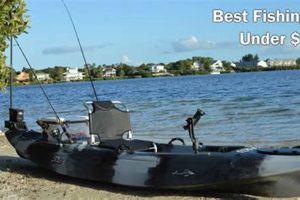
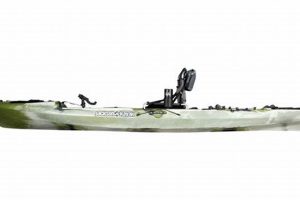
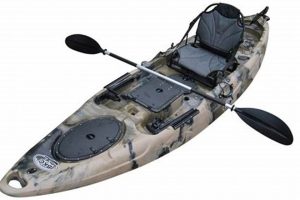
A high-quality fishing kayak offering optimal features and performance at a competitive price point represents a significant advantage for anglers. This balance of quality and affordability allows more individuals to access the sport and enjoy its benefits. Consider factors like stability, storage capacity, and comfort alongside price when evaluating potential purchases. For example, a kayak with ample rod holders and a comfortable seat might be considered a good value even if slightly more expensive than a bare-bones model.
Affordable, well-equipped kayaks enable anglers to explore diverse waterways, target various species, and experience the tranquility and excitement of fishing from a unique perspective. This accessibility has broadened the appeal of kayak fishing, making it increasingly popular in recent years. Historically, fishing from small, human-powered vessels has been a common practice across cultures. Modern kayak fishing builds upon this tradition, incorporating advanced materials and design elements to enhance performance and comfort.
Understanding the key features that contribute to both quality and value in a fishing kayak is crucial for making an informed purchase. Topics such as hull design, material construction, propulsion systems, and essential accessories will be explored in detail to guide potential buyers.
Tips for Selecting a Fishing Kayak
Choosing a fishing kayak requires careful consideration of various factors to ensure optimal performance, comfort, and value. These tips offer guidance for navigating the selection process.
Tip 1: Prioritize Stability: Stability is paramount, especially when fishing in moving water or standing to cast. Wider kayaks generally offer greater stability than narrower models.
Tip 2: Consider Storage Capacity: Ample storage is essential for carrying fishing gear, tackle boxes, and personal items. Look for kayaks with dedicated storage compartments and bungee systems.
Tip 3: Evaluate Comfort and Ergonomics: A comfortable seat and adjustable footrests are crucial for long hours on the water. Test the kayak’s seating system before making a purchase, if possible.
Tip 4: Assess Hull Design: Different hull designs offer varying performance characteristics. A sit-on-top kayak is generally preferred for fishing due to its self-bailing capabilities and ease of entry and exit.
Tip 5: Choose Appropriate Propulsion: Paddle kayaks are more affordable and offer excellent exercise, while pedal-driven kayaks provide hands-free fishing and increased speed. Consider individual needs and preferences.
Tip 6: Research Material Construction: Kayaks are typically constructed from polyethylene or composites. Polyethylene kayaks are more durable and affordable, while composite kayaks are lighter and offer improved performance.
Tip 7: Factor in Essential Accessories: Rod holders, paddle clips, and anchor systems are important accessories that enhance the fishing experience. Consider these additions when budgeting for a kayak.
By carefully evaluating these factors, anglers can select a fishing kayak that offers the ideal balance of performance, features, and affordability.
A well-chosen kayak significantly enhances the fishing experience, providing access to diverse fishing locations and promoting enjoyment of the sport.
1. Stability

Stability represents a critical factor in determining the overall value of a fishing kayak. A stable platform allows anglers to cast confidently, reel in fish effectively, and remain secure in various water conditions. This stability contributes directly to fishing success and overall enjoyment on the water. Compromised stability, conversely, can lead to difficulty casting, reduced fishing efficiency, and even the risk of capsizing, significantly diminishing the value proposition of the kayak. For example, an angler attempting to hook a large fish in a less stable kayak risks losing balance and potentially losing both the fish and essential gear.
Several design elements influence kayak stability. Hull width, hull shape, and center of gravity play crucial roles. Wider hulls generally provide greater initial stability, while specific hull shapes, such as flat bottoms or pontoon designs, further enhance stability. A lower center of gravity also contributes to stability. Understanding these factors helps anglers choose kayaks offering optimal stability for their intended fishing environment and style. For instance, anglers fishing in calm lakes might prioritize stability for standing and casting, while those navigating rivers might prioritize secondary stability, the ability to remain upright after being tilted by currents or waves.
Prioritizing stability in a fishing kayak ensures not only safety and comfort but also enhances fishing effectiveness. This factor, therefore, contributes significantly to the overall value assessment. While other features like speed and maneuverability are important, stability remains a foundational element for a positive and productive fishing experience. Choosing a kayak with appropriate stability for the intended use ultimately maximizes long-term value and enjoyment.
2. Storage Capacity

Storage capacity significantly influences a fishing kayak’s overall value. Adequate storage facilitates organized transport of essential fishing gear, including rods, reels, tackle boxes, and safety equipment. This directly impacts fishing efficiency and enjoyment. Insufficient storage, conversely, limits the amount of gear carried, potentially hindering fishing success and overall experience. For example, an angler limited by storage space might need to make difficult choices about which lures or rods to bring, potentially missing opportunities to target specific species. Conversely, ample, well-designed storage allows anglers to carry a wider selection of gear, adapting to changing conditions and maximizing fishing potential.
Various storage solutions contribute to a kayak’s value proposition. Dedicated compartments for tackle boxes, rod holders, and bungee cord systems for securing loose items all enhance functionality. The type and placement of storage also play crucial roles. Recessed storage areas protect sensitive gear from water damage, while strategically placed rod holders offer easy access during fishing. Evaluating storage options based on individual fishing styles and target species is essential. A bass angler might prioritize readily accessible rod holders and storage for a variety of lures, while a fly fisherman might require specialized storage for fly boxes and lines. Understanding these specific needs allows for informed decisions that maximize long-term value.
Optimal storage capacity directly enhances fishing effectiveness and enjoyment, contributing significantly to a kayak’s overall value. Careful consideration of individual fishing needs and available storage solutions ensures anglers can transport all necessary equipment comfortably and efficiently. This, in turn, maximizes time on the water and increases the likelihood of a successful and rewarding fishing experience. Investing in a kayak with appropriate storage capacity proves crucial for long-term satisfaction and represents a key element in determining the best value for any angler.
3. Comfort

Comfort plays a crucial role in determining the overall value of a fishing kayak. Extended periods on the water require a comfortable and supportive seating arrangement to minimize fatigue and maximize fishing enjoyment. Discomfort can curtail fishing trips, limiting time on the water and reducing overall fishing effectiveness. A comfortable kayak, conversely, enables anglers to focus on fishing, enhancing the overall experience and contributing significantly to long-term value.
- Seat Design and Adjustability
Seat design significantly impacts comfort. Features like adjustable backrests, padded seating surfaces, and breathable materials enhance support and minimize pressure points. An adjustable seat allows anglers to customize the seating position for optimal comfort and reduces strain during long fishing trips. A poorly designed seat, conversely, can lead to discomfort, back pain, and a shortened fishing experience, diminishing the kayak’s overall value. For example, a kayak with a rigid, non-adjustable seat might prove uncomfortable for taller anglers, limiting their enjoyment and use of the kayak.
- Legroom and Footrests
Adequate legroom and adjustable footrests contribute significantly to comfort, especially during extended periods on the water. Proper leg positioning reduces fatigue and allows for efficient paddling or pedaling. Adjustable footrests accommodate anglers of varying heights, ensuring a comfortable and ergonomic paddling position. Restricted legroom or poorly positioned footrests, conversely, can lead to cramping, discomfort, and reduced paddling efficiency, negatively impacting the overall fishing experience. A kayak with ample legroom and adjustable footrests allows anglers to maintain a comfortable and efficient paddling position, maximizing time on the water and enhancing overall value.
- Standing Platform Stability
For anglers who prefer to stand while fishing, the stability and design of the standing platform become crucial comfort considerations. A stable and spacious platform provides a secure and comfortable stance for casting and retrieving. Features like non-slip surfaces enhance stability and reduce the risk of falls. An unstable or cramped standing platform, conversely, can lead to discomfort, insecurity, and a decreased ability to fish effectively, reducing the kayak’s value for stand-up fishing. A well-designed standing platform enhances comfort and fishing effectiveness, contributing significantly to the overall value proposition for anglers who prefer this fishing style.
- Cockpit Design and Ergonomics
The overall cockpit design and ergonomics influence comfort and fishing efficiency. A well-designed cockpit provides easy access to essential gear and allows for comfortable movement within the kayak. Features like strategically placed rod holders, cup holders, and storage compartments contribute to a comfortable and organized fishing experience. A cramped or poorly designed cockpit, conversely, can hinder movement, limit access to gear, and create discomfort, negatively impacting the overall fishing experience and reducing perceived value. A spacious, ergonomically designed cockpit enhances comfort and fishing functionality, maximizing time on the water and contributing to the overall value of the kayak.
These comfort factors significantly contribute to the overall value proposition of a fishing kayak. A comfortable kayak allows for longer, more enjoyable fishing trips, maximizing time on the water and enhancing fishing success. Investing in a comfortable kayak ultimately enhances the overall fishing experience and ensures long-term satisfaction, contributing to the perception of value for the angler.
4. Durability

Durability directly influences the long-term value of a fishing kayak. A durable kayak withstands regular use, exposure to various environmental conditions, and the inevitable bumps and scrapes encountered during transport and launch. This resilience translates to a longer lifespan, reducing the need for frequent repairs or replacements and ultimately maximizing the return on investment. Conversely, a less durable kayak may require costly repairs, potentially exceeding the initial cost savings and diminishing overall value. For example, a kayak constructed from high-density polyethylene can withstand impacts and abrasion better than a lower-density polyethylene kayak, contributing to its longevity and overall value.
Several factors contribute to kayak durability. Material selection plays a crucial role, with options like high-density polyethylene, fiberglass, and carbon fiber offering varying levels of impact resistance, abrasion resistance, and UV protection. Construction methods, such as rotomolding or thermoforming, also influence overall durability. Reinforcements in high-stress areas, like the hull and deck, further enhance resilience. Considering these factors during the selection process helps ensure long-term performance and value. For instance, a kayak designed with reinforced scupper holes and a robust keel protector will better withstand dragging and grounding, common occurrences during launching and landing.
Prioritizing durability in a fishing kayak contributes significantly to its long-term value proposition. A durable kayak withstands the rigors of regular use, minimizing repair costs and maximizing lifespan. This translates to more time on the water and a greater return on investment. Understanding the factors that contribute to durability empowers informed purchasing decisions, ensuring long-term satisfaction and optimal value. Choosing a durable kayak ensures not just a reliable fishing platform, but a sound investment that provides years of enjoyment on the water.
5. Maneuverability
Maneuverability represents a critical factor in determining the overall value of a fishing kayak. Efficient and precise maneuvering allows anglers to navigate diverse waterways, access secluded fishing spots, and position themselves effectively for optimal casting. This directly impacts fishing success and contributes significantly to the overall enjoyment on the water. A less maneuverable kayak can limit access to prime fishing locations and hinder fishing effectiveness, diminishing its overall value proposition. Understanding the factors that influence maneuverability empowers informed purchasing decisions and ensures long-term satisfaction.
- Hull Design and Length
Hull design significantly influences kayak maneuverability. Shorter kayaks with flatter hulls tend to turn more quickly, making them ideal for navigating tight spaces and maneuvering in shallow water or around obstacles. Longer kayaks with more streamlined hulls track better in open water and offer increased speed but may be less agile in confined areas. For example, a shorter, wider kayak excels in navigating narrow creeks and maneuvering around fallen trees, while a longer, narrower kayak performs better in open lakes or coastal areas.
- Waterline Length and Shape
The waterline length and shape directly impact tracking and turning performance. A longer waterline typically results in better tracking and increased speed, while a shorter waterline enhances maneuverability. The shape of the waterline, whether straight or curved, also influences turning characteristics. A kayak with a more pronounced rocker (upward curve at the bow and stern) will turn more easily than a kayak with a flatter hull. Understanding these factors helps anglers select a kayak with maneuverability characteristics suited to their preferred fishing environments. A kayak designed for river fishing will likely have a shorter waterline and more rocker than a kayak designed for open-water fishing.
- Rudder or Skeg Systems
Rudders and skegs enhance tracking and maneuverability, particularly in windy conditions or moving water. A rudder provides directional control and improves tracking performance, while a skeg enhances stability and reduces yaw (side-to-side movement). These features contribute to more efficient paddling and allow anglers to maintain desired positions in challenging conditions. For example, a rudder allows anglers to maintain a straight course in strong winds or currents, while a skeg enhances stability in choppy water, improving overall control and maneuverability.
- Weight and Distribution
Kayak weight and weight distribution influence maneuverability. Lighter kayaks are generally easier to maneuver than heavier kayaks, requiring less effort to turn and accelerate. Weight distribution also plays a role; a kayak with a balanced weight distribution will be more responsive and easier to control than a kayak with uneven weight distribution. This factor becomes particularly important when considering the weight of fishing gear and its placement within the kayak. Proper weight distribution enhances both stability and maneuverability, contributing to a more enjoyable and efficient fishing experience.
Maneuverability significantly contributes to the overall value and effectiveness of a fishing kayak. The ability to navigate efficiently and position oneself strategically enhances fishing success and enjoyment. Considering factors such as hull design, waterline length, rudder systems, and weight distribution allows anglers to choose a kayak with maneuverability characteristics suited to their specific needs and fishing environments. Prioritizing maneuverability in the selection process ultimately enhances the overall fishing experience and maximizes the long-term value of the kayak. Selecting the right balance of maneuverability and other key features ensures a fishing kayak provides optimal performance and enjoyment on the water.
6. Features (rod holders, etc.)
Integrated features significantly influence a fishing kayak’s value proposition. Features like rod holders, tackle storage compartments, anchor trolleys, and paddle clips directly enhance fishing functionality and efficiency. These purpose-built features streamline fishing processes, allowing anglers to focus on the sport rather than managing equipment. Conversely, a lack of integrated features can lead to frustration, decreased fishing efficiency, and a less enjoyable experience. For example, strategically placed rod holders allow anglers to keep multiple rods rigged and ready, maximizing fishing opportunities, while an integrated anchor trolley system facilitates precise boat positioning in current, enhancing fishing effectiveness. A kayak lacking these features might require anglers to improvise solutions, compromising both efficiency and enjoyment.
Specific features contribute differently to overall value depending on individual fishing styles and target species. A bass angler might prioritize multiple rod holders and readily accessible tackle storage, while a fly fisherman might value a standing platform and specialized fly line management systems. Understanding these specific needs and selecting a kayak with features tailored to those needs maximizes long-term value and satisfaction. For example, a kayak with integrated mounting tracks allows for customization and the addition of specialized accessories, enhancing versatility and long-term value. Evaluating features based on individual fishing requirements ensures the chosen kayak effectively supports the angler’s specific fishing style and contributes to a more productive and enjoyable experience.
The selection and integration of specific features contribute significantly to a fishing kayak’s overall value. Features enhance functionality, efficiency, and enjoyment on the water. Careful consideration of individual fishing needs and available features ensures anglers select a kayak that aligns with their specific fishing style and maximizes their investment. Prioritizing functional, well-integrated features contributes directly to long-term satisfaction and reinforces the perception of value in a fishing kayak. A well-equipped kayak not only supports fishing effectiveness but also enhances the overall experience, making each outing more enjoyable and productive. This alignment of features with individual needs ultimately defines the best value for any angler.
7. Price Point
Price point represents a critical factor in determining the best value in a fishing kayak. While a lower price may initially seem attractive, it’s essential to consider the long-term value proposition. A less expensive kayak may lack essential features, compromise durability, or offer suboptimal performance, potentially requiring upgrades or replacements in the future, thus negating initial cost savings. Evaluating price point in relation to features, durability, and performance provides a comprehensive understanding of true value.
- Budget Categories
Kayaks typically fall into different budget categories: entry-level, mid-range, and high-end. Entry-level kayaks offer basic functionality at lower price points, suitable for casual anglers or those with limited budgets. Mid-range kayaks provide a balance of features and performance at a moderate price, catering to a wider range of anglers and fishing styles. High-end kayaks offer premium materials, advanced features, and superior performance, designed for serious anglers seeking the best possible experience. Understanding these categories helps anglers define realistic budget expectations and align them with desired features and performance levels. For example, an angler seeking a high-performance kayak with advanced features should expect to invest more than an angler seeking a basic recreational kayak.
- Cost vs. Features
Analyzing the cost of a kayak relative to its features helps determine overall value. A kayak offering a comprehensive set of features, such as multiple rod holders, ample storage, and a comfortable seat, may represent a better value than a less expensive kayak lacking these features, even if the initial price is higher. Consider the long-term benefits of integrated features, such as increased fishing efficiency and enjoyment, when evaluating cost versus features. For example, a kayak with built-in rod holders and a comfortable seat may justify a higher price by enhancing the fishing experience and reducing the need for aftermarket accessories.
- Durability and Long-Term Costs
Durability directly impacts long-term costs. A durable kayak constructed with high-quality materials and robust construction methods may have a higher initial price but offers greater longevity, reducing the need for repairs and replacements. A less durable kayak, while initially cheaper, may require frequent repairs or even replacement, ultimately exceeding the initial cost savings. Evaluating durability and potential long-term maintenance costs provides a more accurate assessment of overall value. For example, a kayak made from high-density polyethylene might cost more initially but offer greater resistance to impact and abrasion, reducing long-term repair costs compared to a less durable model.
- Resale Value
Considering potential resale value contributes to the overall value assessment. Kayaks from reputable brands with a track record of quality and performance tend to retain their value better than lesser-known brands or models. This factor becomes important if anglers anticipate upgrading or selling their kayak in the future. Researching resale values of different brands and models informs purchasing decisions and ensures a better return on investment should the angler decide to sell the kayak later. Choosing a well-regarded brand known for quality and durability often translates to better resale value, further enhancing the overall value proposition.
Understanding price point in relation to features, durability, performance, and resale value allows anglers to make informed purchasing decisions. A higher initial price doesn’t necessarily equate to better value, and conversely, a lower price doesn’t always represent the best deal. Careful consideration of these factors ensures anglers select a fishing kayak that offers the optimal balance of quality, performance, and cost-effectiveness, maximizing long-term value and enjoyment on the water. The best value kayak for fishing is the one that meets individual needs and budget while providing long-term durability and performance, ensuring years of enjoyable and productive fishing experiences.
Frequently Asked Questions
This section addresses common inquiries regarding the selection of a fishing kayak that offers optimal value.
Question 1: What features distinguish a fishing kayak from a recreational kayak?
Fishing kayaks typically incorporate specialized features such as rod holders, tackle storage compartments, anchor trolleys, and standing platforms, enhancing fishing functionality. Recreational kayaks prioritize comfort and stability for general paddling activities, often lacking these specialized features.
Question 2: How does hull design impact fishing performance?
Hull design influences stability, maneuverability, and tracking. Wider, flatter hulls offer greater stability, while longer, narrower hulls provide better tracking and speed. Specialized hull designs, such as pontoon hulls, maximize stability for stand-up fishing.
Question 3: What materials are commonly used in fishing kayak construction, and how do they impact durability?
Common materials include high-density polyethylene (HDPE), fiberglass, and carbon fiber. HDPE offers excellent durability and impact resistance, while fiberglass and carbon fiber provide lighter weight and enhanced performance. Material choice influences overall kayak durability and lifespan.
Question 4: What factors should be considered when determining an appropriate budget for a fishing kayak?
Budget considerations should align with desired features, performance expectations, and long-term value. Entry-level kayaks offer basic functionality at lower price points, while mid-range and high-end kayaks provide progressively more features, enhanced performance, and increased durability at higher price points.
Question 5: How does storage capacity influence fishing effectiveness and overall value?
Ample storage capacity allows anglers to carry essential gear, including rods, reels, tackle boxes, and safety equipment. Adequate storage enhances fishing efficiency and enjoyment, while limited storage can hinder fishing success and overall experience.
Question 6: What role does comfort play in the overall value assessment of a fishing kayak?
Comfort significantly impacts fishing enjoyment and endurance. Features like adjustable seating, ample legroom, and ergonomic design elements contribute to long-term comfort, allowing anglers to spend more time on the water and maximize their fishing experience.
Careful consideration of these factors ensures informed purchasing decisions aligned with individual fishing needs and budget constraints.
For further information on specific kayak models and comparisons, consult detailed product reviews and expert recommendations.
Conclusion
Selecting a fishing kayak offering optimal value requires careful evaluation of various interconnected factors. Prioritizing stability ensures a secure and efficient fishing platform. Ample storage capacity accommodates essential gear, while comfort features maximize time on the water. Durability ensures long-term performance and minimizes future costs. Maneuverability allows access to diverse fishing locations, and integrated features enhance fishing functionality. Balancing these factors against price point determines true value, ensuring a worthwhile investment that enhances fishing experiences.
A well-chosen fishing kayak represents an investment in enhanced fishing opportunities and enjoyment. Careful consideration of these key elements empowers informed decisions, leading to a rewarding and productive experience on the water for years to come. The pursuit of the best value represents not just a financial consideration, but a commitment to maximizing enjoyment and success in the sport of kayak fishing.