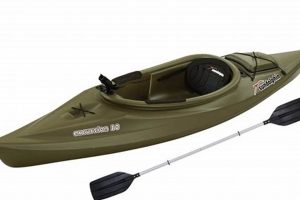
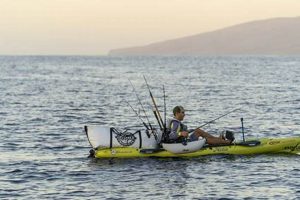
This activity involves angling from a small, human-powered watercraft in the waters surrounding Hilton Head Island, South Carolina. It offers a unique blend of recreation and sport, allowing close contact with the natural environment while pursuing various fish species. Anglers often target redfish, trout, flounder, and other species prevalent in the area’s estuaries, creeks, and nearshore ocean.
The shallow-water access provided by kayaks opens up numerous fishing opportunities unavailable to larger boats. This method is known for its quiet approach, allowing anglers to get closer to fish without disturbing them. Furthermore, the physical exercise involved adds another layer of enjoyment. Historically, small boats have been used for fishing in the region, but the modern sport with specialized kayaks and equipment has grown in popularity in recent years due to its accessibility and sustainability.
The following sections will explore topics essential to planning and executing successful fishing trips in this location. These include choosing the right equipment, understanding local regulations and licensing requirements, identifying productive fishing spots, and employing effective techniques tailored to the target species and conditions.
Tips for Kayak Fishing Hilton Head
Successful kayak angling in Hilton Head requires preparation and knowledge. The following tips offer valuable insights for a productive and enjoyable experience.
Tip 1: Research Tides and Currents: Tidal fluctuations significantly impact fish behavior and accessibility to shallow-water habitats. Consulting tide charts and understanding current patterns is crucial for maximizing fishing success.
Tip 2: Choose the Right Kayak: Select a kayak designed for stability and suitable for the intended fishing environment. Consider factors like storage capacity, maneuverability, and comfort.
Tip 3: Utilize Appropriate Gear: Employ fishing rods, reels, lines, and lures designed for the target species and the local conditions. Lighter tackle is often preferred in the calmer waters of estuaries and creeks.
Tip 4: Prioritize Safety: Always wear a personal flotation device (PFD) and carry essential safety equipment, including a whistle, signaling device, and first-aid kit. Be aware of weather conditions and water traffic.
Tip 5: Respect Local Regulations: Obtain the necessary fishing licenses and adhere to all size and catch limits. Practice catch-and-release whenever possible to conserve fish populations.
Tip 6: Employ Stealth Techniques: Approach fishing spots quietly and avoid sudden movements that may spook fish. Utilize natural drift and minimal paddling to maintain a low profile.
Tip 7: Hire a Guide (Optional): Consider hiring a local fishing guide for personalized instruction and access to prime fishing locations, especially for those unfamiliar with the area.
By adhering to these tips, anglers can increase their chances of a successful and rewarding fishing experience while promoting responsible angling practices.
Careful planning, appropriate equipment, and respect for the environment contribute to a positive and sustainable approach to this unique sport. The following section concludes with additional resources and considerations for planning a memorable Hilton Head kayak fishing adventure.
1. Location Scouting

Effective location scouting is paramount for successful kayak fishing around Hilton Head Island. Identifying promising fishing spots beforehand maximizes angling opportunities and reduces time spent searching unproductive waters. Strategic scouting involves understanding fish behavior, habitat preferences, and the influence of tides and currents.
- Tidal Creeks and Flats:
Shallow creeks and flats offer prime feeding grounds for various species, particularly during rising and falling tides. These areas become accessible by kayak, allowing anglers to target redfish, trout, and flounder as they move with the changing water levels. Scouting these locations involves identifying channels, oyster beds, and other structures that attract fish.
- Nearshore Reefs and Structures:
Nearshore reefs, artificial structures, and wrecks attract larger game fish like cobia, snapper, and sharks. Kayak anglers can access these locations during calmer sea conditions. Pre-trip scouting using nautical charts and online resources helps identify promising areas and navigate safely.
- Marsh Grass Edges and Docks:
The edges of marsh grass and the shaded areas around docks provide ambush points for predatory fish. Kayaks allow quiet access to these locations, enabling anglers to present lures or bait without disturbing the fish. Scouting these areas involves observing signs of baitfish activity and identifying potential hiding spots.
- Bridges and Causeways:
The deeper water around bridges and causeways often holds larger fish seeking shelter and stronger currents. Kayak anglers can position themselves strategically to target these fish. Scouting involves identifying current flows, eddies, and areas where fish are likely to congregate.
By thoroughly scouting locations beforehand, kayak anglers in Hilton Head can significantly improve their chances of success. Combining knowledge of fish behavior with an understanding of local geography and tides allows anglers to strategically target specific areas, maximizing fishing time and increasing the likelihood of memorable catches.
2. Tidal Awareness

Tidal awareness is paramount for successful kayak fishing around Hilton Head Island. Tides significantly influence fish behavior, accessibility to fishing grounds, and overall safety. Understanding tidal fluctuations and their effects is crucial for planning effective fishing trips and maximizing catch rates.
- Current Flow and Fish Behavior
Tidal currents dictate the movement of baitfish and, consequently, the predatory fish that pursue them. Strong incoming tides often bring baitfish into shallow creeks and flats, creating feeding opportunities for species like redfish and trout. Conversely, outgoing tides can concentrate fish in channels and deeper holes. Recognizing these patterns allows anglers to position themselves strategically for optimal fishing.
- Accessibility and Navigation
Tidal fluctuations dramatically affect water depths and access to certain areas. Shallow creeks and flats may become impassable during low tide, while areas previously inaccessible become reachable during high tide. Consulting tide charts before launching ensures safe navigation and access to desired fishing spots. For instance, a shallow creek productive for redfish during high tide may be completely dry during low tide, requiring alternative locations.
- Safety and Planning
Tidal currents can create challenging conditions for kayak anglers, especially in narrow channels or near inlets. Strong outgoing tides can make paddling against the current difficult and potentially hazardous. Understanding tidal flow is essential for planning safe routes and avoiding dangerous situations. Launching against a strong outgoing tide could lead to exhaustion or difficulty returning to the launch point.
- Species-Specific Tidal Strategies
Different fish species exhibit varying behaviors in response to tidal changes. For example, flounder often move onto shallow flats during flood tides to feed, while redfish might prefer the deeper channels during ebb tides. Tailoring fishing strategies to specific species and their tidal preferences enhances angling success. Targeting flounder during high tide on shallow flats with a slow-retrieved lure might prove more effective than fishing deeper channels during low tide.
By integrating tidal awareness into fishing strategies, kayak anglers in Hilton Head gain a significant advantage. Understanding tidal influences allows for better planning, safer navigation, and increased opportunities to encounter target species. This knowledge, combined with appropriate fishing techniques and location selection, contributes significantly to a successful and rewarding kayak fishing experience.
3. Equipment Selection

Appropriate equipment selection is fundamental to a successful and enjoyable kayak fishing experience in Hilton Head. The chosen gear directly impacts angler comfort, safety, and effectiveness on the water. Careful consideration of various factors, including target species, fishing location, and prevailing conditions, informs optimal equipment choices. A balanced approach between specialized gear and versatile options maximizes preparedness for diverse fishing scenarios.
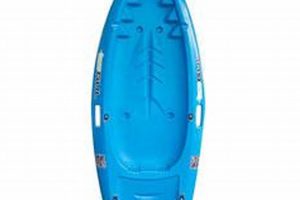
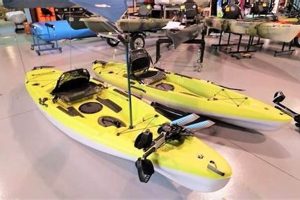
Kayak selection itself represents a crucial initial decision. Stable, sit-on-top kayaks offer maneuverability and ease of access to shallow-water fishing grounds. Longer kayaks provide increased speed and tracking for covering greater distances, while shorter models offer enhanced maneuverability in tight creeks and marshes. Features like rod holders, storage compartments, and anchor trolleys contribute to fishing efficiency. For example, targeting larger game fish offshore necessitates a stable, ocean-capable kayak with ample storage for heavier tackle, whereas fishing in calm estuaries favors a shorter, more agile kayak. Rod and reel combinations should match target species and fishing techniques. Lighter tackle suits inshore fishing for smaller species like trout and flounder, while heavier setups are necessary for larger game fish. Line selection depends on water clarity and target species, with braided lines offering greater sensitivity and strength in heavier cover. Lure choices vary based on target species and prevailing conditions, with topwater lures, soft plastics, and jigs proving effective in different scenarios. Essential safety equipment includes personal flotation devices (PFDs), whistles, signaling devices, and first-aid kits. Proper safety gear prioritizes angler well-being and preparedness for unforeseen circumstances.
Informed equipment choices significantly enhance the overall kayak fishing experience. Investing in appropriate gear not only improves fishing success but also prioritizes safety and comfort. Understanding the interplay between equipment selection and the specific demands of Hilton Head’s diverse fishing environments allows anglers to optimize their approach and maximize enjoyment on the water.
4. Safety Procedures
Safe practices are paramount in kayak fishing, particularly in the dynamic environment of Hilton Head. The combination of open water, tidal currents, and potential weather changes necessitates a proactive approach to safety, ensuring angler well-being and a positive experience. Understanding and implementing appropriate safety procedures contributes significantly to mitigating potential risks and fostering responsible enjoyment of this activity.
- Personal Flotation Devices (PFDs)
Wearing a properly fitted PFD is non-negotiable. PFDs provide essential buoyancy in the event of capsizing or unexpected immersion, significantly increasing chances of survival. In the context of Hilton Head, where tidal currents and varying water depths are common, PFDs are crucial for angler safety. Even experienced swimmers can encounter challenging situations, and a PFD provides a critical safety net.
- Weather Monitoring and Awareness
Hilton Head’s coastal location makes it susceptible to rapid weather changes. Checking weather forecasts before launching and remaining vigilant for changing conditions throughout the trip is crucial. Sudden storms, strong winds, and lightning strikes pose significant threats. Having a plan for seeking shelter or returning to shore quickly is essential. For example, monitoring approaching storms via a weather app and heading back to shore preemptively can prevent hazardous situations.
- Navigation and Communication
Carrying a waterproof chart, compass, or GPS device aids navigation, especially in areas with complex waterways or limited visibility. A fully charged cell phone in a waterproof case provides a means of communication in emergencies. Informing someone on shore of the planned fishing route and estimated return time further enhances safety. Knowing one’s location and having the ability to contact help are critical in unforeseen circumstances.
- Equipment Checks and Maintenance
Regularly inspecting kayak hulls for damage, ensuring proper functioning of paddles and rudders, and verifying the integrity of fishing gear contributes to overall safety. A well-maintained kayak and functioning equipment minimize the risk of malfunctions on the water. For instance, checking for leaks or cracks in the kayak hull before launching prevents potential issues during the fishing trip. A secure and functioning anchor trolley is crucial for maintaining position in strong currents.
Prioritizing these safety procedures significantly enhances the overall kayak fishing experience in Hilton Head. A proactive approach to safety ensures angler well-being, allowing for a more focused and enjoyable time on the water. Integrating these practices into every fishing trip promotes responsible engagement with the environment and fosters a culture of safety within the kayak fishing community.
5. Species Targeting
Effective species targeting is crucial for successful kayak fishing in Hilton Head. Understanding the habits, habitats, and feeding preferences of various fish species allows anglers to optimize their approach, increasing the likelihood of successful catches. The diverse estuarine and nearshore environments around Hilton Head offer opportunities to target a variety of species, each requiring specific techniques and strategies. A targeted approach enhances both fishing efficiency and the overall experience.
- Redfish (Red Drum)
Redfish are a popular target due to their aggressive nature and prevalence in Hilton Head’s shallow-water habitats. They often inhabit creeks, flats, and oyster beds, where they ambush prey. Targeting redfish involves using lures or bait that mimic their natural food sources, such as shrimp, crabs, and small fish. Techniques like sight-fishing in shallow water or drifting live bait along channels prove effective. Knowledge of tidal influence on redfish behavior is essential for successful targeting.
- Spotted Seatrout (Speckled Trout)
Spotted seatrout, prized for their sporting qualities and table fare, inhabit grassy flats, oyster bars, and deeper channels. They are opportunistic feeders, consuming a variety of baitfish and crustaceans. Targeting seatrout often involves using soft plastic lures, topwater plugs, or live shrimp. Drifting or slowly retrieving lures near structures is a productive technique. Understanding water temperature and clarity influences seatrout behavior and helps refine targeting strategies.
- Flounder (Summer Flounder)
Flounder are ambush predators, camouflaging themselves on the seabed to ambush prey. They frequent sandy or muddy bottoms in shallow bays, estuaries, and inlets. Targeting flounder requires presenting lures or bait near the bottom. Drifting live bait or slowly retrieving jigs or soft plastics tipped with shrimp or minnows are effective techniques. Understanding tidal currents and their influence on flounder movement enhances targeting success.
- Other Species
Beyond these primary targets, Hilton Head’s waters offer opportunities to pursue other species, including black drum, sheepshead, Spanish mackerel, and various sharks. Targeting these species often requires specialized techniques and knowledge of their specific habitats and feeding patterns. Researching the seasonal presence and preferred baits for these less-common species enhances the potential for successful catches.
By tailoring techniques and strategies to specific target species, kayak anglers in Hilton Head can maximize their chances of success. Understanding the nuances of each species’ behavior, preferred habitat, and feeding patterns contributes to a more rewarding and efficient fishing experience. This targeted approach not only increases catch rates but also fosters a deeper appreciation for the diverse fish populations within the Hilton Head ecosystem.
6. Local Regulations
Adherence to local regulations is essential for sustainable and legal kayak fishing around Hilton Head Island. These regulations, established by the South Carolina Department of Natural Resources (SCDNR), aim to conserve fish populations, protect sensitive habitats, and ensure fair access for all anglers. Understanding and complying with these rules contributes directly to the long-term health of the local ecosystem and the continued enjoyment of the sport.
Regulations encompass several key aspects, including licensing requirements, catch limits, size restrictions, and permitted fishing methods. Anglers must possess a valid South Carolina fishing license, obtainable online or through licensed vendors. Catch limits dictate the number of each species an angler can retain per day, helping prevent overfishing. Size restrictions, specifying minimum and sometimes maximum lengths for certain species, protect juvenile fish and breeding populations. Regulations also address permitted fishing methods, including gear restrictions and allowable bait types. For example, using certain types of nets or fishing in designated sanctuary areas may be prohibited. Ignorance of these regulations is not a valid defense, and violations can result in fines or suspension of fishing privileges. Checking the SCDNR website for the most up-to-date regulations before each fishing trip is crucial, as rules can change seasonally or in response to conservation needs.
Compliance with local regulations demonstrates responsible angling practices and contributes directly to the preservation of Hilton Head’s valuable fishery resources. By understanding and respecting these rules, kayak anglers participate in ensuring sustainable fishing practices and maintaining the ecological balance of the region. This commitment benefits not only the environment but also the future of kayak fishing in Hilton Head, guaranteeing continued access and enjoyment for generations to come. Resources such as the SCDNR website and local bait and tackle shops provide valuable information and assistance in understanding and complying with all applicable regulations.
Frequently Asked Questions
This section addresses common inquiries regarding kayak fishing in Hilton Head, providing concise and informative responses to facilitate informed decision-making and enhance the overall angling experience.
Question 1: What are the most common fish species targeted by kayak anglers in Hilton Head?
Common targets include redfish, spotted seatrout, flounder, black drum, and sheepshead. Nearshore waters may also yield species like Spanish mackerel, cobia, and various sharks.
Question 2: Is a fishing license required for kayak fishing in Hilton Head?
A valid South Carolina fishing license is required for residents and non-residents. Licenses can be obtained online through the South Carolina Department of Natural Resources (SCDNR) website or at licensed vendors.
Question 3: What type of kayak is recommended for fishing in Hilton Head?
Stable, sit-on-top kayaks are generally recommended for their maneuverability and ease of use in shallow-water environments. Kayaks specifically designed for fishing often feature built-in rod holders and storage compartments.
Question 4: What are the best times to fish in Hilton Head?
Fishing can be productive year-round, but certain species are more prevalent during specific seasons. Tidal fluctuations also significantly impact fishing success. Consulting tide charts and understanding local fish behavior patterns are recommended.
Question 5: Are there guided kayak fishing tours available in Hilton Head?
Several local outfitters offer guided kayak fishing tours, catering to various skill levels. Guided tours provide valuable insights into local fishing spots, techniques, and regulations.
Question 6: What safety precautions should be taken when kayak fishing in Hilton Head?
Wearing a personal flotation device (PFD) is essential. Checking weather forecasts before launching and being aware of tidal currents are crucial. Carrying a communication device and informing someone of fishing plans are also recommended safety practices.
Understanding these frequently asked questions contributes to a more informed and enjoyable kayak fishing experience in Hilton Head. Preparation, adherence to regulations, and prioritizing safety enhance angler success and promote responsible engagement with the local environment.
Further exploration of specific fishing techniques, location recommendations, and seasonal fishing patterns can enhance trip planning and maximize angling opportunities. The following resources provide additional information for those seeking a deeper understanding of kayak fishing in Hilton Head.
Kayak Fishing Hilton Head
Exploration of this popular Hilton Head Island activity reveals a rewarding pursuit requiring careful planning and execution. Key elements include understanding tidal influences, selecting appropriate equipment, adhering to safety protocols, and respecting local regulations. Targeting specific species requires knowledge of their behavior and preferred habitats. Scouting productive locations and employing effective techniques enhance the likelihood of successful catches. Ultimately, responsible angling practices ensure the sustainability of this valuable recreational activity.
The combination of natural beauty, diverse fish populations, and accessible waterways makes this activity a compelling option for anglers of all skill levels. Continued focus on conservation efforts and responsible angling practices will ensure the preservation of this unique coastal ecosystem and the enjoyment of future generations. Embracing sustainable practices and a deep respect for the environment guarantees the long-term viability and enjoyment of this exceptional pursuit.