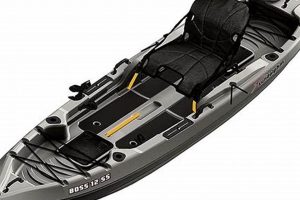
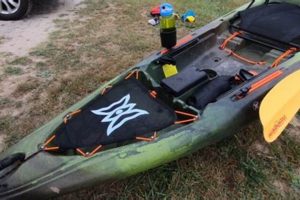
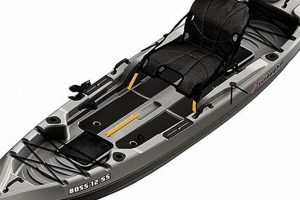
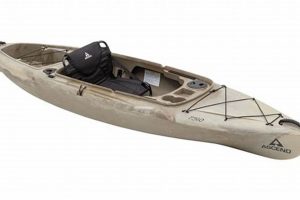
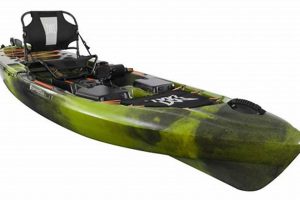
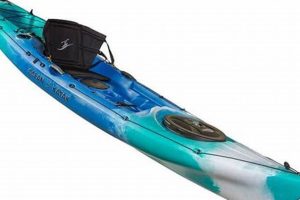
High-quality, angler-focused vessels designed for stability and open-water angling define a superior category of fishing kayaks. These watercraft typically feature specialized design elements, including rod holders, ample storage for tackle and gear, and comfortable seating arrangements conducive to long hours on the water. For example, one might find integrated fish finders, live wells, or rudder systems on a premium model.
Choosing a top-tier fishing kayak offers significant advantages for anglers. Enhanced stability and maneuverability improve casting accuracy and overall fishing performance. Dedicated storage and integrated features streamline the angling experience, allowing for greater focus on the task at hand. The evolution of these specialized kayaks reflects a growing demand for comfortable and efficient fishing platforms, moving beyond basic recreational paddling to purpose-built angling vessels. This progression has led to innovations in materials, design, and features, resulting in highly capable and durable craft.
The subsequent sections will delve into specific features to consider when selecting such a kayak, discuss various top-rated models available on the market, and offer guidance on making an informed purchase decision based on individual angling needs and preferences.
Tips for Selecting a Top-Rated Sit-On-Top Fishing Kayak
Choosing the right fishing kayak requires careful consideration of various factors. These tips offer guidance for selecting a vessel optimized for individual angling needs and preferences.
Tip 1: Consider Hull Design. Hull design significantly impacts stability and maneuverability. A wider, flatter hull offers greater stability, ideal for calm waters and stand-up fishing. A longer, narrower hull provides better tracking and speed, suitable for covering larger distances or paddling in currents.
Tip 2: Evaluate Weight Capacity. Ensure the kayak’s weight capacity accommodates the angler’s weight, plus gear and any potential catch. Exceeding the capacity compromises stability and performance.
Tip 3: Assess Storage Options. Ample storage is crucial for carrying tackle, safety equipment, and personal belongings. Consider the size, location, and accessibility of storage compartments.
Tip 4: Examine Seating Comfort. A comfortable seat is essential for long hours on the water. Look for adjustable seating systems with adequate back support and cushioning.
Tip 5: Check for Rod Holders and Other Fishing Features. Dedicated rod holders, integrated fish finders, and other fishing-specific features enhance angling convenience and efficiency.
Tip 6: Factor in Transportation and Storage. Consider the kayak’s size and weight concerning transportation and storage limitations. Roof racks, trailers, or compact, easily stored models might be necessary.
Tip 7: Research Reputable Brands and Reviews. Opting for established brands with positive customer reviews often indicates quality construction and reliable performance. Consult online resources and angler forums for insights.
Tip 8: Set a Realistic Budget. High-quality fishing kayaks represent an investment. Establish a budget beforehand to narrow down options and prioritize essential features.
By carefully considering these factors, anglers can select a fishing kayak optimized for their specific needs and maximize their on-the-water experience.
Ultimately, the ideal fishing kayak aligns seamlessly with individual angling style, target species, and preferred fishing environment. The following section will explore some of the top-rated models currently available.
1. Stability

Stability forms a cornerstone of performance in top-rated sit-on-top fishing kayaks. A stable platform allows anglers to cast effectively, fight fish with confidence, and even stand to gain a better vantage point. Compromised stability, conversely, can lead to capsizing, hindering fishing effectiveness and potentially jeopardizing safety. The inherent design of sit-on-top kayaks, with their wider beams and open decks, contributes to stability, particularly in calm waters. However, factors like hull design, weight distribution, and water conditions further influence stability. For example, a kayak with a pontoon-style hull offers enhanced stability compared to a V-shaped hull, particularly beneficial for anglers fishing in sheltered bays or lakes.
Different fishing scenarios demand varying degrees of stability. Anglers targeting larger game fish from a seated position prioritize initial stability the resistance to tipping when at rest. Those sight-fishing or fly fishing while standing require secondary stability the ability to remain upright when leaning or shifting weight. Understanding these nuances allows anglers to select a kayak optimized for their specific fishing style. A kayak designed for stand-up fishing might incorporate a wider hull and a lower center of gravity to maximize stability in dynamic conditions, whereas one designed for seated fishing might emphasize initial stability for a secure and comfortable platform.
Choosing a kayak with appropriate stability features ultimately enhances angling success and safety. Manufacturers often provide stability ratings, offering valuable insights for prospective buyers. Furthermore, understanding the interplay between hull design, weight capacity, and intended use allows for informed decision-making. Ignoring stability considerations can lead to a compromised fishing experience and potentially dangerous situations, particularly in challenging conditions. Prioritizing stability ensures a safe and productive experience on the water, allowing anglers to focus on their technique and maximize their chances of success.
2. Comfort

Comfort plays a pivotal role in the overall angling experience, directly influencing endurance and focus during long hours on the water. A comfortable kayak enables anglers to maintain concentration and effectively react to fishing opportunities, while discomfort can lead to fatigue, distraction, and a shortened fishing trip. In the context of top-rated sit-on-top fishing kayaks, comfort is a crucial factor that distinguishes superior models from less effective alternatives.
- Seat Design and Adjustability
Seat design is paramount for comfort. High-quality kayaks often feature adjustable seats with ample padding and ergonomic back support. These features accommodate individual body types and preferences, minimizing strain and pressure points during extended use. For example, a well-designed seat with adjustable lumbar support can significantly reduce back fatigue, allowing anglers to fish comfortably for longer periods. Inadequate seating can lead to discomfort and even pain, detracting from the fishing experience.
- Legroom and Footrests
Sufficient legroom and adjustable footrests contribute to a comfortable and stable paddling position. Proper leg extension reduces cramping and allows for efficient power transfer during paddling. Adjustable footrests accommodate varying leg lengths and ensure a customized fit, promoting balanced posture and reducing fatigue. A kayak with limited legroom or fixed footrests can restrict movement and compromise paddling efficiency, particularly for taller individuals.
- Deck Padding and Layout
Deck padding enhances comfort and provides a non-slip surface for standing or moving around the kayak. Strategic padding placement cushions sensitive areas like knees and elbows, reducing pressure and enhancing stability. A well-designed deck layout also considers angler movement and access to essential gear. For instance, recessed areas for foot placement improve stability while standing, and strategically placed handles facilitate easy re-entry after a swim.
- Backrests and Support Systems
Ergonomically designed backrests and support systems significantly impact long-term comfort. Adjustable backrests allow anglers to customize the level of support, catering to individual preferences and reducing strain on the back and spine. High-back seats with lumbar support offer additional comfort and stability, particularly during rough water conditions or when fighting larger fish. A poorly designed backrest can contribute to back pain and fatigue, limiting fishing time and enjoyment.
These comfort features collectively enhance the overall fishing experience, allowing anglers to focus on the task at hand and maximize their time on the water. Top-rated sit-on-top fishing kayaks prioritize comfort, recognizing its direct impact on angler performance and enjoyment. Investing in a comfortable kayak ultimately leads to more productive and enjoyable fishing trips, justifying the importance of these features in the selection process.
3. Storage Capacity
Ample storage capacity directly correlates with the efficacy and enjoyment derived from using top-tier sit-on-top fishing kayaks. These specialized vessels demand significant storage for essential gear, including tackle boxes, rods, safety equipment, and personal items. Insufficient storage compromises organization, accessibility, and ultimately, fishing success. For example, an angler lacking adequate storage might struggle to locate essential lures or tools quickly, losing valuable fishing time and potentially missing key opportunities. Conversely, well-designed storage facilitates efficient retrieval of gear, promoting a seamless and productive fishing experience. Kayaks with dedicated compartments for specific items, such as tackle boxes or rods, further enhance organization and accessibility.
Several factors influence the practicality of kayak storage. The size and type of fishing pursued dictate storage requirements. Anglers targeting larger species or engaging in multi-day expeditions require significantly more storage than those pursuing smaller fish on shorter trips. Kayak design also impacts storage solutions. Recessed compartments offer protection from the elements, while bungee cords and tie-down points secure loose items. Weight distribution is another critical consideration. Properly distributing weight across the kayak maintains balance and prevents instability, which is crucial for safety and maneuverability. Overloading a kayak, particularly in the stern, can negatively impact performance and even lead to capsizing.
Understanding the interplay between storage capacity, fishing style, and kayak design is essential for selecting the optimal vessel. Prioritizing storage solutions tailored to specific fishing needs enhances efficiency, organization, and overall enjoyment. Failure to adequately address storage requirements can detract significantly from the fishing experience, highlighting the practical significance of this often-overlooked aspect. Investing in a kayak with ample and well-designed storage contributes to a more streamlined, productive, and ultimately successful fishing experience.
4. Maneuverability

Maneuverability represents a critical performance attribute in top-rated sit-on-top fishing kayaks, directly influencing angling effectiveness and overall on-the-water experience. Efficient navigation through diverse water conditions, including tight creeks, winding rivers, and open lakes, necessitates responsive handling. A highly maneuverable kayak allows anglers to position themselves strategically for optimal casting angles, navigate obstacles effectively, and respond quickly to changing fish behavior. Conversely, a sluggish or unresponsive kayak can hinder fishing success and limit access to prime fishing locations. For instance, navigating a shallow, mangrove-lined creek requires a kayak capable of tight turns and precise movements, while tracking across open water demands a design that maintains course efficiently.
Several factors contribute to kayak maneuverability. Hull design plays a significant role. Shorter kayaks with a wider beam generally offer enhanced maneuverability in tight spaces, while longer, narrower kayaks excel in tracking and speed across open water. The presence of a rudder or skeg system further enhances directional control, particularly in windy or current-prone environments. Paddle length and blade shape also influence maneuverability. Shorter paddles offer quicker strokes and tighter turning radii, while longer paddles provide more power for covering greater distances. Weight distribution within the kayak impacts balance and responsiveness. Properly distributing weight enhances stability and maneuverability, while uneven weight distribution can hinder performance.
Understanding the interplay between these factors allows anglers to select a kayak optimized for their specific fishing environment and style. Prioritizing maneuverability empowers anglers to explore diverse waters, access secluded fishing spots, and position themselves advantageously for casting and retrieving. Ignoring maneuverability can limit fishing opportunities and negatively impact overall success. The ability to navigate efficiently and respond effectively to changing conditions is a hallmark of top-rated sit-on-top fishing kayaks, contributing significantly to enhanced angling performance and enjoyment.
5. Durability
Durability stands as a cornerstone of performance and value in top-rated sit-on-top fishing kayaks. These vessels routinely encounter harsh marine environments, including sun exposure, saltwater corrosion, and impacts from rocks or submerged obstacles. Robust construction ensures long-term performance, minimizing maintenance and replacement costs. A durable kayak withstands regular use and challenging conditions, providing a reliable platform for years of angling enjoyment. Conversely, a poorly constructed kayak may crack, warp, or degrade quickly, requiring frequent repairs or premature replacement. For example, a kayak fabricated from high-quality, UV-resistant polyethylene exhibits superior durability compared to one made from less resilient materials. Similarly, reinforced hulls and decks better withstand impacts and abrasion, preserving structural integrity over time. Choosing a durable kayak represents a sound investment, ensuring lasting performance and minimizing long-term costs.
Several factors contribute to kayak durability. Material selection is paramount. High-density polyethylene (HDPE) is a popular choice due to its impact resistance, UV stability, and relatively low cost. Other materials, such as rotomolded plastic and composites, offer varying degrees of durability and performance characteristics. Construction methods also influence durability. Rotomolding creates a seamless, one-piece hull with superior strength and impact resistance compared to traditional joining methods. Reinforcements in high-stress areas, such as the keel and deck, further enhance durability. Proper care and maintenance also play a crucial role in prolonging kayak lifespan. Regular cleaning, UV protection, and proper storage minimize wear and tear, preserving the kayak’s structural integrity and appearance.
Recognizing the significance of durability in selecting a top-rated sit-on-top fishing kayak is essential for making an informed purchase decision. A durable kayak provides a reliable platform for angling adventures, minimizing maintenance requirements and maximizing long-term value. Prioritizing durability ensures years of dependable performance, allowing anglers to focus on the pursuit of fish rather than equipment concerns. Failure to consider durability can lead to premature wear, costly repairs, and ultimately, a compromised fishing experience. Durability represents an investment in long-term performance and enjoyment, a key characteristic differentiating top-rated models from less robust alternatives.
Frequently Asked Questions
This section addresses common inquiries regarding high-quality sit-on-top fishing kayaks, providing concise and informative responses to facilitate informed purchasing decisions.
Question 1: What are the primary advantages of a sit-on-top kayak for fishing?
Sit-on-top kayaks offer enhanced stability, ease of entry and exit, self-bailing capabilities, and ample storage for fishing gear, making them well-suited for angling activities.
Question 2: How does hull design impact fishing kayak performance?
Hull design influences stability, maneuverability, and tracking. Wider hulls provide greater stability, while longer, narrower hulls enhance speed and tracking performance. Specialized hull designs cater to specific fishing styles and water conditions.
Question 3: What weight capacity should one consider when choosing a fishing kayak?
Weight capacity should accommodate the angler’s weight, plus all gear, and potential catch. Exceeding the specified weight capacity compromises stability and performance.
Question 4: What essential features should one look for in a top-rated fishing kayak?
Essential features include comfortable seating, ample storage compartments, multiple rod holders, integrated mounting tracks, and rudder or skeg systems for enhanced control.
Question 5: How does one maintain and care for a sit-on-top fishing kayak?
Regular cleaning with mild soap and water, UV protection, and proper storage prolong kayak lifespan. Inspecting and addressing minor damage promptly prevents further deterioration.
Question 6: What are the key considerations when choosing between a pedal-powered and paddle-powered fishing kayak?
Pedal kayaks offer hands-free fishing and increased speed, while paddle kayaks provide greater maneuverability in tight spaces and are generally more affordable. The choice depends on individual fishing style, target species, and budget.
Careful consideration of these frequently asked questions equips prospective buyers with the knowledge necessary to select a fishing kayak optimized for individual needs and preferences.
The following section delves into specific product recommendations, offering insights into some of the market’s best-rated sit-on-top fishing kayaks.
Conclusion
Careful selection from among the best rated sit-on-top fishing kayaks is paramount for maximizing angling success and enjoyment. Factors such as stability, comfort, storage capacity, maneuverability, and durability directly influence on-the-water performance and long-term satisfaction. Understanding the interplay of these elements empowers anglers to choose a vessel optimized for individual needs, target species, and fishing environments. Prioritizing quality construction and features tailored to specific angling styles ensures a rewarding and productive experience on the water.
The pursuit of angling excellence demands equipment that enhances, rather than hinders, performance. Investing in a top-rated sit-on-top fishing kayak represents a commitment to maximizing angling potential and experiencing the full enjoyment of this demanding yet rewarding pursuit. The ideal kayak seamlessly integrates with angler technique, fostering a harmonious connection between angler and environment. Choosing wisely unlocks opportunities, elevates performance, and ultimately enriches the angling experience.