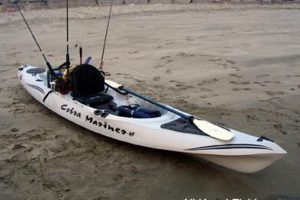
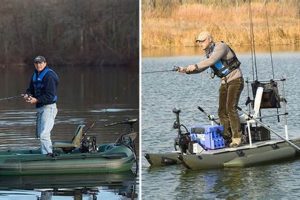
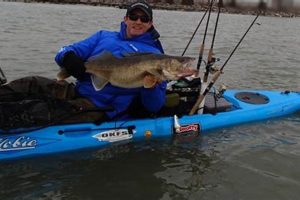
Television programs centered on angling from kayaks, broadcast on the Discovery Channel, offer viewers a unique perspective on this increasingly popular sport. These programs typically showcase anglers navigating various waterways, targeting diverse fish species, and employing specialized kayak fishing techniques. Examples might include demonstrations of specific rigging strategies, discussions of ideal kayak setups for different fishing environments, or profiles of individual anglers and their approaches to the sport.
Such programming provides valuable educational content for both novice and experienced kayak anglers. Viewers can gain insights into effective fishing strategies, learn about new equipment and technologies, and explore diverse fishing locations. Furthermore, these shows contribute to the growing popularity of kayak fishing by highlighting its accessibility, affordability, and eco-friendly nature. By showcasing the unique challenges and rewards inherent in this approach to angling, these programs foster a sense of community and inspire viewers to experience the sport firsthand.
This article will further explore key aspects of kayak fishing as depicted on the Discovery Channel, including popular destinations, essential gear, and the conservation efforts often highlighted within these programs.
Kayak Fishing Tips
Strategic approaches enhance angling success and safety while kayak fishing. Implementing these techniques can improve catch rates and overall enjoyment on the water.
Tip 1: Stability is Paramount: Prioritize stability when outfitting a kayak. Proper weight distribution and low centers of gravity are crucial, especially in challenging conditions. Consider using stabilizers or outriggers for added security.
Tip 2: Plan and Research: Thorough pre-trip planning is essential. Research potential fishing locations, including water depth, currents, and prevalent species. Check weather forecasts and inform someone of the planned route and return time.
Tip 3: Essential Gear Selection: Select gear specifically designed for kayak fishing. Rod holders, anchor trolleys, and specialized tackle storage systems maximize efficiency and minimize clutter.
Tip 4: Paddle and Pedal Propulsion: Choose a propulsion system appropriate for the fishing environment. Paddle kayaks offer maneuverability and affordability, while pedal-driven kayaks provide speed and hands-free fishing opportunities.
Tip 5: Safety First: Always wear a personal flotation device (PFD) and carry essential safety equipment, including a whistle, signaling device, and first-aid kit. Be mindful of changing weather conditions and potential hazards.
Tip 6: Respectful Angling Practices: Adhere to local fishing regulations and practice catch-and-release whenever possible. Minimize environmental impact by properly disposing of waste and avoiding sensitive habitats.
Tip 7: Master Basic Kayak Maneuvers: Practice essential kayak maneuvering techniques, such as turning, stopping, and reversing, in calm waters before venturing into more challenging environments.
By implementing these strategies, anglers can improve their kayak fishing experience while prioritizing safety and environmental responsibility. These core principles contribute to successful and enjoyable outings on the water.
These tips provide a foundational understanding of effective kayak fishing practices. The following section will further explore advanced techniques and specialized equipment for targeting specific species.
1. Engaging Angling Action

Engaging angling action forms a cornerstone of successful kayak fishing shows on Discovery Channel. The depiction of dynamic fishing experiences captures viewer attention and drives interest in the sport. Several key facets contribute to this engagement.
- The Thrill of the Catch:
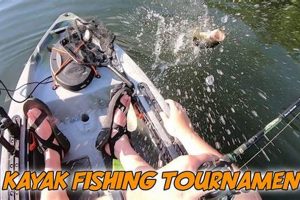
Dramatic moments of hooking, fighting, and landing fish create excitement and suspense. Close-up shots of powerful strikes, tense battles between angler and fish, and the eventual triumphant retrieval of the catch heighten viewer engagement. These moments showcase the raw energy and challenge inherent in kayak fishing.
- Species Diversity:
Showcasing a variety of fish species adds depth and intrigue. Targeting different species requires varied techniques and equipment, offering viewers a broader understanding of kayak fishing approaches. From battling large game fish to pursuing elusive panfish, diverse catches maintain viewer interest and showcase the adaptability of kayak angling.
- Navigational Challenges:
Maneuvering through diverse water environments, from rushing rivers to open ocean, presents inherent challenges and visual interest. Successfully navigating these environments while simultaneously targeting fish adds a layer of complexity and excitement to the viewing experience. Overcoming obstacles like currents, rapids, or challenging weather conditions further enhances the sense of adventure.
- Technique and Skill:
Demonstrating specialized kayak fishing techniques, such as precise casting in tight quarters or effectively utilizing specific lures and baits, offers educational value and visual appeal. Showcasing the angler’s expertise and problem-solving abilities in overcoming challenging situations enhances viewer engagement and promotes respect for the sport’s intricacies.
These facets collectively contribute to the compelling narrative of kayak fishing shows. By showcasing the challenges, triumphs, and technical skills involved in the pursuit of fish from a kayak, these programs captivate audiences and promote the excitement and accessibility of the sport.
2. Educational Content
Educational content plays a crucial role in kayak fishing shows on Discovery Channel, enriching the viewing experience while promoting safe and responsible angling practices. This content serves to inform viewers about various aspects of the sport, from basic techniques to advanced strategies, fostering a deeper appreciation for kayak fishing’s complexities and rewards.
Several key educational elements frequently appear within these programs. Detailed explanations of knot tying, rigging techniques, and lure selection provide practical knowledge directly applicable to viewers’ own fishing endeavors. Discussions of kayak selection, outfitting, and safety procedures enhance awareness of essential equipment and responsible practices. Insights into fish behavior, habitat preferences, and seasonal patterns deepen understanding of aquatic ecosystems and promote conservation-minded angling. For instance, a show might demonstrate the proper way to rig a live bait for targeting specific species, explain the advantages of using a particular type of fishing line in certain conditions, or discuss the importance of respecting spawning seasons and size limits.
The practical significance of this educational content is substantial. Viewers gain valuable skills and knowledge that can improve their own fishing success and safety. Promoting ethical angling practices through educational segments fosters environmental stewardship and contributes to the long-term health of fisheries. Furthermore, by demystifying the technical aspects of kayak fishing, these programs encourage broader participation in the sport. The integration of educational content within entertaining programming creates a powerful platform for promoting responsible and sustainable angling practices while inspiring viewers to experience the joys of kayak fishing firsthand.
3. Scenic Locations

Scenic locations are integral to kayak fishing shows on Discovery Channel, serving as more than mere backdrops. They enhance the program’s appeal, contributing to the overall viewing experience and promoting tourism. The visual appeal of pristine waterways, dramatic coastlines, and vibrant underwater ecosystems captivates audiences. Locations often play a central role in the narrative, influencing the type of fish targeted, the challenges faced, and the overall atmosphere of the program. For example, a show filmed in the crystal-clear waters of the Florida Keys might focus on bonefish or tarpon, showcasing the unique challenges of sight fishing in shallow flats. Conversely, a program set amidst the rugged fjords of Norway could highlight the pursuit of halibut or cod in deep, cold waters. This connection between location and angling activity enriches the program’s content and offers viewers a virtual journey to diverse and captivating fishing destinations.
The selection of scenic locations also serves a practical purpose. Destinations known for their abundant fish populations and diverse aquatic life offer opportunities for exciting angling action and educational content. Highlighting these locations can stimulate local tourism and promote economic growth within the fishing and outdoor recreation industries. Furthermore, showcasing pristine environments underscores the importance of conservation efforts. By presenting the beauty and fragility of these ecosystems, kayak fishing shows can inspire viewers to appreciate and protect natural resources. For example, a program featuring a catch-and-release fishing trip on a remote river might emphasize the importance of preserving clean water and healthy fish populations.
In summary, the strategic selection of scenic locations in kayak fishing shows on Discovery Channel serves multiple purposes. Visually appealing settings enhance viewer engagement, while showcasing diverse ecosystems and angling opportunities provides valuable educational content. Furthermore, highlighting pristine environments promotes conservation awareness and can contribute to local tourism. This multifaceted approach reinforces the importance of location as a core element of successful kayak fishing programming.
4. Experienced Anglers

Experienced anglers are essential to successful kayak fishing shows on Discovery Channel. Their expertise provides credibility, educational value, and engaging content. Knowledge of effective techniques, species-specific behaviors, and suitable equipment enhances the program’s informational depth. These anglers’ ability to navigate challenging waters and consistently locate fish contributes to exciting angling action. For example, an experienced angler might demonstrate advanced casting techniques for reaching difficult-to-access areas or explain the nuances of lure selection based on water temperature and clarity. Their insights provide valuable learning opportunities for viewers, regardless of their own fishing experience.
Beyond technical expertise, experienced anglers often possess a deep understanding of conservation principles and ethical angling practices. Their commitment to responsible fishing, such as catch-and-release techniques and respect for aquatic ecosystems, reinforces the importance of environmental stewardship. This integration of conservation themes within the program’s narrative adds depth and resonates with environmentally conscious viewers. Furthermore, the seasoned angler’s storytelling ability and genuine passion for the sport create a compelling narrative that captivates audiences. Sharing personal anecdotes and insights, honed through years of experience, adds authenticity and fosters a connection between the angler and the viewer. For instance, an angler might recount a memorable encounter with a particularly challenging fish or discuss the evolution of their fishing techniques over time.
In summary, experienced anglers provide a crucial foundation for compelling kayak fishing programming. Their technical expertise, conservation ethic, and engaging storytelling abilities combine to create informative and entertaining content. This combination of skill, knowledge, and passion elevates the quality of these shows and fosters a deeper appreciation for the sport of kayak fishing. Their presence ensures credibility and enhances the educational value, ultimately inspiring viewers to explore the world of kayak angling themselves.
5. Conservation Themes
Conservation themes are increasingly integral to kayak fishing shows on Discovery Channel, reflecting a growing awareness of environmental responsibility within the angling community. This integration serves to educate viewers about the importance of protecting aquatic ecosystems and promotes sustainable fishing practices. The emphasis on conservation creates a positive impact by raising awareness of critical issues such as habitat destruction, pollution, and overfishing. Shows often highlight the fragility of these environments and the interconnectedness of species within them. For example, a program might illustrate the detrimental effects of plastic pollution on marine life or demonstrate the importance of riparian buffers in maintaining water quality.
Furthermore, kayak fishing shows frequently showcase practical conservation actions. Catch-and-release fishing is often emphasized, demonstrating proper handling techniques to minimize stress on released fish. Programs may also feature segments on habitat restoration projects, such as planting native vegetation along shorelines or removing debris from waterways. By showcasing these tangible actions, the programs empower viewers to participate in conservation efforts within their own communities. This active promotion of responsible angling practices fosters a sense of stewardship among viewers and encourages them to become advocates for environmental protection. For example, a show might feature a segment on how to build and install artificial reefs to enhance fish habitat or demonstrate the proper techniques for removing invasive plant species from a lake.
In conclusion, the incorporation of conservation themes within kayak fishing shows on Discovery Channel plays a vital role in promoting environmental awareness and responsible angling practices. By showcasing the beauty and fragility of aquatic ecosystems, highlighting the importance of conservation efforts, and demonstrating practical actions viewers can take, these programs contribute to a more sustainable future for the sport. This approach not only educates and engages audiences but also empowers them to become active participants in protecting the natural resources that support the sport they enjoy. This integration benefits both the environment and the long-term health of the fishing community.
Frequently Asked Questions
This FAQ section addresses common inquiries regarding kayak fishing programs featured on the Discovery Channel, providing concise and informative responses.
Question 1: What types of fish are typically featured in these programs?
Targeted species vary depending on the program’s location and the angler’s expertise. Commonly featured fish include bass, redfish, trout, snook, tarpon, and other popular sport fish. Programs may also focus on specialized angling techniques for specific species.
Question 2: Do these shows promote catch-and-release fishing?
Many kayak fishing programs emphasize catch-and-release practices to ensure the sustainability of fish populations and promote responsible angling. Proper handling and release techniques are often demonstrated to minimize stress on the fish.
Question 3: What type of equipment is typically used in kayak fishing programs?
Specialized equipment designed for kayak fishing, such as rod holders, anchor trolleys, and fish finders, is frequently showcased. Programs often discuss the advantages of different kayak types, paddles, and fishing gear.
Question 4: Are these programs suitable for novice anglers?
While experienced anglers may appreciate the technical aspects, many programs offer valuable insights for beginners. Educational segments on basic techniques, equipment selection, and safety procedures benefit anglers of all skill levels.
Question 5: How do these programs address safety concerns related to kayak fishing?
Safety is often emphasized, with programs highlighting the importance of wearing personal flotation devices (PFDs), carrying essential safety gear, and checking weather conditions before embarking on fishing trips.
Question 6: Where are these programs typically filmed?
Filming locations vary widely, showcasing diverse aquatic environments from saltwater coastal regions to inland freshwater lakes and rivers. The chosen location often dictates the targeted fish species and the challenges faced by the anglers.
Understanding these frequently asked questions provides a clearer perspective on the content and objectives of kayak fishing programs on the Discovery Channel. These programs offer valuable insights into the sport, promoting both responsible angling practices and an appreciation for the natural world.
This FAQ section concludes the overview of kayak fishing programs featured on Discovery Channel. Further exploration of specific programs and featured anglers can provide additional insights.
Conclusion
Television programs focused on kayak fishing, broadcast on the Discovery Channel, offer valuable insights into this evolving sport. These programs provide educational content on techniques, equipment, and locations, while showcasing the inherent challenges and rewards of angling from a kayak. The integration of conservation themes underscores the importance of responsible fishing practices and environmental stewardship. Exposure to diverse aquatic environments and experienced anglers enhances viewer understanding and appreciation for this unique approach to fishing.
The increasing popularity of kayak fishing reflects a growing desire for accessible and engaging outdoor experiences. These programs serve as both an educational resource and an inspiration for individuals interested in exploring the sport. Continued emphasis on responsible angling practices and conservation awareness will be crucial for the long-term sustainability of kayak fishing and the preservation of the aquatic ecosystems that support it.