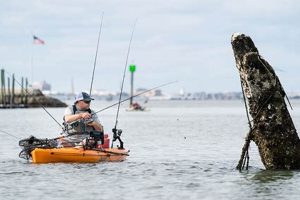
These multi-day outdoor adventures combine the thrill of angling from a kayak with the immersive experience of camping in nature. Participants paddle to a chosen destination, often a secluded shoreline or island, and establish a temporary campsite. This setup allows for extended fishing opportunities in diverse locations while enjoying the tranquility and self-sufficiency of wilderness camping.
Such excursions offer a unique blend of recreation and connection with the natural world. The quiet, non-motorized approach of kayaking provides access to pristine waters and minimizes disturbance to aquatic life, enhancing the fishing experience. Establishing a base camp eliminates the need for daily travel, allowing for more focused fishing and a deeper immersion in the chosen environment. This type of trip fosters self-reliance and outdoor skills development. Historically, small watercraft have been used for both sustenance fishing and travel, and these trips can be seen as a modern evolution of that tradition.
Key aspects of planning and executing these adventures include selecting appropriate gear, choosing a suitable location, ensuring safety precautions are taken, and understanding relevant regulations. Further exploration of these topics will provide a comprehensive guide to enjoying and maximizing the benefits of this rewarding outdoor pursuit.
Tips for Kayak Fishing Camping Trips
Careful planning is essential for successful and enjoyable kayak fishing camping trips. The following tips provide guidance for a safe and rewarding experience.
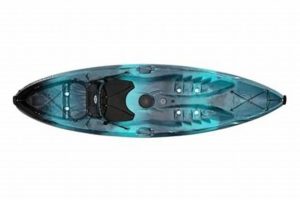
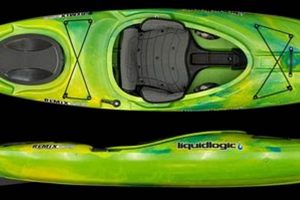
Tip 1: Choose the Right Kayak: Select a kayak designed for stability and ample storage. Longer, wider kayaks offer greater stability, while sit-on-top models provide easier access to gear. Consider weight capacity, including the combined weight of the angler, gear, and potential catch.
Tip 2: Pack Essential Gear: A comprehensive packing list is crucial. Essential items include navigation tools (GPS, maps, compass), safety equipment (PFD, whistle, first-aid kit), fishing gear, camping essentials (tent, sleeping bag, cooking supplies), and appropriate clothing. Dry bags are essential for protecting electronics and other sensitive items.
Tip 3: Plan the Route and Campsite: Research potential destinations and choose a location suited to skill level and desired fishing opportunities. Identify potential campsites in advance and be aware of any permits or regulations. Factor in weather conditions and water currents when planning the route.
Tip 4: Prioritize Safety: Inform someone of the trip plan, including the intended route and return date. Check weather forecasts before departure and during the trip. Carry a communication device (e.g., satellite phone or VHF radio) for emergencies. Practice self-rescue techniques and be aware of potential hazards such as changing weather conditions, strong currents, and wildlife encounters.
Tip 5: Practice Proper Catch and Release: Minimize the impact on fish populations by practicing proper catch-and-release techniques. Use appropriate tackle, handle fish gently, and minimize air exposure. Revive fish in the water before release.
Tip 6: Minimize Environmental Impact: Pack out all trash and avoid disturbing vegetation or wildlife. Use designated campsites whenever possible and practice Leave No Trace principles. Dispose of human waste properly.
Tip 7: Check Regulations: Research and adhere to all applicable fishing regulations, including licensing requirements and catch limits. Be aware of any specific regulations related to kayaking or camping in the chosen area.
Careful preparation enhances safety and enjoyment. By following these tips, participants can maximize the rewarding aspects of these unique outdoor adventures.
These preparations contribute to a fulfilling experience, allowing adventurers to focus on the immersive combination of angling and nature.
1. Planning
Planning forms the cornerstone of successful kayak fishing camping trips. A well-structured plan mitigates potential risks, maximizes enjoyment, and contributes to a more sustainable interaction with the natural environment. The planning process necessitates careful consideration of several interconnected factors, each influencing the overall outcome of the trip. These factors include destination selection, route mapping, gear preparation, safety precautions, and contingency planning.
For instance, choosing a destination involves evaluating factors like fish species, water conditions, campsite availability, and accessibility. Mapping the route requires analyzing potential hazards, estimated travel times, and alternative routes in case of unforeseen circumstances. Gear preparation entails selecting appropriate clothing, navigation tools, safety equipment, fishing tackle, and camping essentials, all while considering weight and space limitations within the kayak. Safety precautions encompass communication plans, emergency procedures, and awareness of potential weather changes or wildlife encounters. Contingency planning addresses potential scenarios like equipment malfunctions, sudden weather changes, or medical emergencies, ensuring appropriate responses are readily available. Neglecting these planning stages can lead to significant challenges, ranging from minor inconveniences like inadequate gear to serious safety risks posed by unpredictable weather or navigational errors.
In summary, thorough planning is not merely a recommended practice but a fundamental requirement for safe and rewarding kayak fishing camping trips. Meticulous attention to detail during the planning phase ensures preparedness for various scenarios, minimizes potential risks, and ultimately allows participants to fully immerse themselves in the experience, fostering a deeper connection with nature and a greater appreciation for the delicate balance of these unique environments. The investment in planning translates directly into a more fulfilling and sustainable outdoor adventure.
2. Gear Selection
Appropriate gear selection is paramount for successful kayak fishing camping trips. The chosen equipment directly impacts safety, comfort, and the overall success of the endeavor. Careful consideration of specific gear categories ensures preparedness for diverse conditions and contributes to a more enjoyable and rewarding experience.
- Kayak Choice:
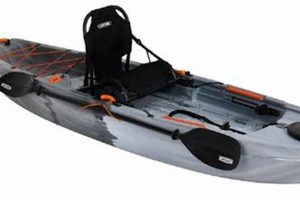
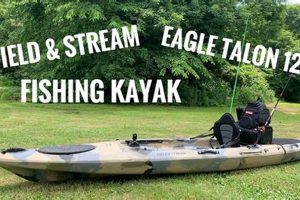
Kayak selection hinges on factors such as stability, storage capacity, and intended fishing environment. Longer, wider kayaks offer increased stability, particularly beneficial in challenging conditions. Sit-on-top models provide easier access to gear and re-entry after a water landing. Weight capacity dictates the amount of gear and supplies that can be safely carried. A specialized fishing kayak often includes features like rod holders, tackle storage, and anchor trolleys, enhancing angling efficiency.
- Paddle Selection:
Paddle choice influences paddling efficiency and comfort. Lightweight paddles reduce fatigue during long paddling sessions. Paddle length should correspond to kayaker height and kayak width. Durable materials ensure longevity and reliable performance. A spare paddle acts as a crucial backup in case of breakage or loss.
- Safety Equipment:
Prioritizing safety necessitates carrying essential safety gear. A personal flotation device (PFD) is non-negotiable. A signaling device, such as a whistle or air horn, aids in attracting attention in emergencies. A first-aid kit equipped to handle common injuries is crucial. Navigation tools, including a GPS, map, and compass, are vital for route planning and staying oriented, especially in unfamiliar waters.
- Fishing Gear:
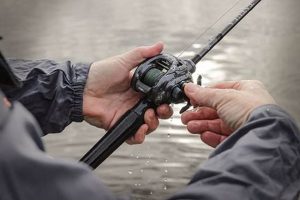
Fishing gear selection depends on targeted species and fishing techniques. Rods, reels, lines, lures, and tackle should be chosen based on the expected fishing conditions. A tackle box organizes essential fishing gear, while a landing net assists in safely retrieving catches. Rod holders and anchor trolleys fitted to the kayak further streamline the fishing process.
The interplay between these gear categories contributes significantly to a successful trip. A stable kayak paired with an efficient paddle allows for comfortable travel to fishing destinations. Appropriate safety equipment ensures preparedness for unexpected situations, while specialized fishing gear maximizes angling opportunities. The synergistic effect of carefully chosen gear enhances the overall experience, allowing participants to focus on the enjoyment of fishing and the immersive connection with nature.
3. Location Scouting

Location scouting represents a critical pre-trip phase for kayak fishing camping trips. Appropriate site selection directly influences not only angling success but also overall safety and enjoyment. Careful consideration of several key facets ensures the chosen location aligns with skill level, desired fishing opportunities, and camping preferences.
- Accessibility & Safety:
Evaluating accessibility involves considering launch points, potential portages, and water conditions. Calm, protected waters are generally preferred, especially for less experienced kayakers. Identifying potential emergency exits and proximity to help in case of unforeseen circumstances enhances safety. For example, a location with a designated kayak launch and nearby emergency services is preferable to a remote area with challenging access. This facet directly impacts both the ease of accessing the fishing grounds and the ability to respond effectively to emergencies.
- Target Species & Fishing Regulations:
Researching prevalent fish species in potential locations allows for gear selection tailored to specific fishing targets. Understanding local fishing regulations, including licensing requirements, catch limits, and seasonal closures, ensures legal compliance and contributes to sustainable fishing practices. Consulting local fishing reports or guides often provides valuable insights into current fishing conditions. For instance, a location known for trout fishing will necessitate different gear compared to a saltwater location targeting redfish. Adherence to regulations ensures a responsible and ethical fishing experience.
- Campsite Selection & Regulations:
Choosing a suitable campsite requires considering factors like proximity to fishing grounds, availability of amenities (e.g., fire pits, restrooms), and potential environmental impacts. Designated campsites often minimize environmental disturbance and provide essential facilities. Understanding camping regulations, including permit requirements and fire restrictions, ensures compliance and contributes to responsible land use. For example, a secluded beach campsite with a fire pit offers a different experience compared to a designated campground with established facilities. Understanding regulations related to camping practices ensures minimal impact on the environment.
- Weather Patterns & Water Conditions:
Evaluating prevailing weather patterns and typical water conditions is crucial for safety and planning. Strong winds, currents, or sudden weather changes can significantly impact kayak navigation and overall safety. Checking weather forecasts before and during the trip is essential. Choosing locations sheltered from prevailing winds or currents enhances safety and comfort. For instance, a location known for strong afternoon winds may necessitate adjusting fishing times or seeking sheltered areas. Adapting to prevailing conditions contributes significantly to a safe and enjoyable experience.
These interconnected facets collectively determine the suitability of a location for kayak fishing camping trips. Thorough location scouting ensures the chosen destination aligns with angler experience, desired fishing opportunities, and camping preferences. The interplay between accessibility, fishing potential, campsite suitability, and environmental conditions shapes the overall experience. A well-scouted location enhances not only the chances of angling success but also the safety and enjoyment of the entire adventure, fostering a deeper connection with nature and a greater appreciation for the outdoor environment.
4. Safety Procedures
Safety procedures are paramount for kayak fishing camping trips, directly impacting the well-being and successful outcome of the experience. Implementing comprehensive safety measures mitigates potential risks inherent in the activity, allowing participants to focus on the enjoyment of fishing and the immersive connection with nature. Neglecting these crucial procedures can lead to significant consequences, ranging from minor inconveniences to life-threatening situations.
- Pre-Trip Planning:
Thorough pre-trip planning forms the foundation of a safe excursion. This includes informing someone of the trip plan, including intended route, campsites, and estimated return time. Providing contact information and emergency procedures ensures a point of contact in case of unforeseen circumstances. Checking weather forecasts and familiarizing oneself with potential hazards such as strong currents or changing tides are crucial components of pre-trip planning. For example, leaving a detailed itinerary with a trusted individual allows for appropriate responses if communication is lost. This proactive approach ensures timely assistance if needed.
- Essential Safety Equipment:
Carrying appropriate safety equipment is non-negotiable. A properly fitted personal flotation device (PFD) must be worn at all times while on the water. A signaling device, such as a whistle, air horn, or flares, can attract attention in emergencies. A waterproof VHF radio enables communication with other boaters and emergency services. A well-stocked first-aid kit, including essential medications and supplies for common injuries, is crucial. Regularly inspecting and maintaining safety equipment ensures functionality when needed. For example, a brightly colored PFD increases visibility in the water, while a VHF radio allows for communication beyond cellular range. The availability of these essential tools can prove life-saving in critical situations.
- On-Water Safety Practices:
Adhering to safe on-water practices further enhances safety. Maintaining awareness of surrounding boat traffic and potential hazards such as submerged obstacles or changing weather conditions is crucial. Avoiding paddling alone, especially in remote areas, increases safety. Practicing self-rescue techniques, such as re-entering a kayak after capsizing, builds confidence and preparedness for unexpected situations. Carrying a spare paddle prevents being stranded in case of paddle breakage. Regularly checking weather updates during the trip allows for adjustments to plans based on changing conditions. For example, paddling close to shore in unfamiliar areas provides a safety margin in case of capsizing or sudden weather changes. These practices mitigate risks and enhance the overall safety of the experience.
- Campsite Safety:
Maintaining safety at the campsite is equally important. Proper food storage techniques, such as using bear-resistant containers or hanging food from trees, prevent wildlife encounters. Being mindful of fire safety, including properly extinguishing campfires and adhering to fire restrictions, minimizes fire hazards. Storing gear securely prevents loss or damage from weather or wildlife. Maintaining a clean campsite reduces the risk of attracting insects or other pests. Awareness of potential hazards at the campsite, such as falling branches or uneven terrain, further enhances safety. For example, storing food in sealed containers prevents attracting animals to the campsite, minimizing the risk of potentially dangerous encounters. These practices contribute to a secure and comfortable camping experience.
These interconnected safety procedures contribute significantly to a positive and secure kayak fishing camping experience. Pre-trip planning establishes a foundation for informed decision-making, while essential safety equipment provides tools for responding to emergencies. Adhering to on-water safety practices mitigates risks during paddling and fishing, and maintaining campsite safety ensures a secure and comfortable environment. The collective implementation of these procedures empowers participants to enjoy the adventure with greater confidence, fostering a deeper appreciation for the natural environment and the rewarding aspects of kayak fishing camping trips.
5. Environmental Awareness

Environmental awareness constitutes a critical element of responsible kayak fishing camping trips. The inherent nature of these excursions places participants in direct contact with delicate ecosystems, necessitating a mindful approach to minimize environmental impact. Understanding the interconnectedness of human actions and environmental consequences is crucial for preserving these natural spaces for future generations. This awareness translates into practical actions designed to mitigate potential harm and promote sustainable interactions with the natural world.
Cause and effect relationships between human activities and environmental impacts are readily apparent in these settings. Improper waste disposal, for example, can pollute waterways and harm aquatic life. Disturbing vegetation or wildlife disrupts natural habitats and can have cascading effects on the ecosystem. Unsustainable fishing practices deplete fish populations and disrupt the delicate balance of the food chain. Noise pollution from human activities can stress wildlife and alter their natural behaviors. Understanding these cause-and-effect relationships underscores the importance of responsible actions. For instance, packing out all trash, using established campsites, and practicing catch-and-release fishing minimizes human impact and contributes to environmental preservation. Choosing biodegradable soaps and avoiding the use of chemical repellents further reduces potential harm to aquatic ecosystems. These practical applications of environmental awareness demonstrate a commitment to responsible outdoor recreation.
Integrating environmental awareness as a core component of kayak fishing camping trips fosters a deeper appreciation for the natural world and promotes a sense of stewardship. Recognizing the fragility of these environments encourages responsible behavior and inspires a commitment to preserving their pristine condition. The practical significance of this understanding lies in the long-term health and sustainability of these valuable ecosystems. Challenges remain, including educating participants on best practices and enforcing responsible behavior. However, by promoting environmental awareness and providing practical guidelines, these challenges can be addressed, ensuring that kayak fishing camping trips remain a sustainable and rewarding way to experience the natural world.
Frequently Asked Questions
This section addresses common inquiries regarding kayak fishing camping trips, providing concise and informative responses to facilitate informed decision-making and enhance the overall experience.
Question 1: What type of kayak is best suited for these trips?
Kayaks designed for fishing and touring typically offer the best combination of stability, storage capacity, and comfort. Sit-on-top kayaks are often preferred for their ease of entry and exit, as well as self-bailing capabilities. Consider kayak length and width for stability, and ensure sufficient weight capacity for gear and potential catch.
Question 2: What essential safety equipment should be carried?
Essential safety equipment includes a properly fitted personal flotation device (PFD), a signaling device (whistle, air horn, or flares), a first-aid kit, navigation tools (GPS, map, compass), and a communication device (VHF radio or satellite phone). A spare paddle is also recommended. Regularly inspecting and maintaining this equipment is crucial.
Question 3: How should food be stored during the camping portion of the trip?
Food storage should prioritize minimizing wildlife interaction. Utilizing bear-resistant containers or suspending food from trees using a bear bag system are effective methods. Properly disposing of food waste also helps prevent attracting animals to the campsite.
Question 4: What are the typical costs associated with these trips?
Costs vary depending on factors such as location, trip duration, gear ownership, and camping fees. Expenses may include kayak rental, camping permits, transportation, food, and fishing licenses. Investing in personal gear can reduce long-term costs.
Question 5: What are some common challenges encountered on these trips?
Common challenges include changing weather conditions, navigation difficulties, equipment malfunctions, and wildlife encounters. Thorough planning, appropriate gear selection, and adherence to safety procedures mitigate these challenges. Developing contingency plans addresses unforeseen circumstances.
Question 6: How can environmental impact be minimized?
Minimizing environmental impact involves adhering to Leave No Trace principles. Packing out all trash, using designated campsites, practicing proper catch and release fishing, and avoiding disturbing vegetation or wildlife contribute to responsible environmental stewardship.
Careful consideration of these frequently asked questions prepares individuals for the unique demands and potential challenges of kayak fishing camping trips. Addressing these concerns proactively enhances safety, enjoyment, and responsible interaction with the natural environment.
Further exploration of specific planning, gear, and safety considerations provides a more comprehensive understanding of these rewarding outdoor adventures.
Conclusion
Kayak fishing camping trips offer a unique blend of outdoor pursuits, demanding careful planning and execution. Successful excursions rely on informed gear selection, diligent location scouting, unwavering adherence to safety protocols, and a demonstrable commitment to environmental stewardship. These interconnected elements contribute not only to a rewarding experience but also to the long-term preservation of these natural environments.
The allure of these adventures lies in the harmonious integration of human engagement with the natural world. The opportunity to explore pristine waterways, engage in the challenge of angling, and experience the tranquility of wilderness camping fosters a deeper appreciation for the delicate balance of these ecosystems. Continued emphasis on responsible practices ensures the sustainability of these rewarding experiences for generations to come.