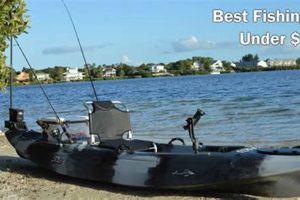
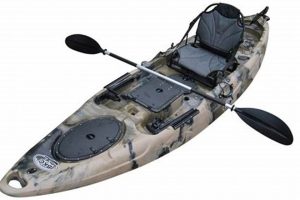
A premium, purpose-built storage system designed for kayak anglers offers organized and readily accessible tackle within the limited space of a kayak. Such systems typically feature waterproof construction, specialized compartments for lures, hooks, and tools, and secure mounting options compatible with kayak configurations. An example would be a compact, waterproof box with adjustable dividers and a secure latch, mounted within easy reach of the angler’s seat.
Efficient tackle management is crucial for successful kayak fishing. A well-designed storage solution maximizes fishing time by minimizing the search for specific items, reducing clutter, and preventing gear loss due to water exposure or tipping. Furthermore, it contributes to safety by maintaining a clear and uncluttered deck. While traditional tackle boxes have long served anglers, the unique demands of kayak fishing limited space, stability considerations, and exposure to the elements have driven the evolution of specialized storage solutions tailored to this specific angling style.
The following sections will explore key features to consider when selecting a suitable tackle storage system for kayak fishing, including size, material, compartmentalization, and mounting options. Additional discussion points will cover popular designs and brands, as well as tips for organizing and maintaining tackle within a kayak environment.
Tips for Selecting and Utilizing Kayak Fishing Tackle Storage
Optimizing tackle storage contributes significantly to a successful and enjoyable kayak fishing experience. Careful consideration of the following tips will aid anglers in selecting and utilizing a system that enhances efficiency and safety on the water.
Tip 1: Prioritize Waterproof Construction: Exposure to water, whether from rain, splashes, or accidental submersion, necessitates a fully waterproof or highly water-resistant storage solution. Look for sealed compartments and robust latches to protect valuable tackle from corrosion and damage.
Tip 2: Consider Kayak Compatibility: Ensure compatibility with the kayak’s design. Consider available mounting space and preferred access points when selecting a system. Choose mounting hardware appropriate for the kayak’s material and structure.
Tip 3: Optimize Size and Weight: Space and stability are critical on a kayak. Select a system that provides adequate storage without being overly bulky or heavy. A compact, lightweight design enhances maneuverability and prevents imbalance.
Tip 4: Evaluate Compartmentalization Options: Adjustable dividers and specialized compartments for different lure types, hooks, weights, and tools facilitate efficient organization and quick access to specific items. Consider dedicated compartments for frequently used items.
Tip 5: Secure Mounting is Essential: Secure mounting prevents movement or dislodgement during paddling and fishing. Utilize robust mounting hardware and ensure proper installation to prevent loss or damage to the tackle system.
Tip 6: Regular Maintenance Extends Lifespan: Regularly inspect the system for wear and tear, clean it after each trip, and lubricate moving parts as needed. Proper maintenance ensures continued functionality and prolongs the life of the storage system.
Tip 7: Practice Efficient Organization: Organize tackle logically based on lure type, size, and frequency of use. Consider using clear containers or labels for easy identification. A well-organized system minimizes search time and maximizes fishing efficiency.
By adhering to these recommendations, anglers can create a highly effective and customized tackle storage system tailored to their specific kayak fishing needs. This, in turn, improves efficiency, safety, and overall enjoyment on the water.
This detailed exploration of tackle storage concludes with a final overview of key considerations and recommendations for selecting the optimal solution for individual angling styles and preferences.
1. Durability

Durability stands as a cornerstone in the selection of a superior kayak fishing tackle storage system. Exposure to the elements, including saltwater, UV radiation, and potential impacts, necessitates a system built to withstand rigorous conditions and maintain functionality over extended periods. A durable system safeguards valuable tackle and ensures consistent performance, contributing significantly to a positive angling experience.
- Material Strength
The materials employed in construction directly impact a tackle box’s resistance to wear and tear. High-impact plastics, such as ABS and polycarbonate, offer superior strength and resilience compared to less robust alternatives. For instance, a tackle box constructed from high-impact plastic will better withstand accidental drops or collisions with rocks compared to one made from brittle, low-quality plastic. Choosing a system built with robust materials is an investment in longevity and sustained performance.
- Hardware Quality
Latches, hinges, and other hardware components are critical to a system’s overall durability. Rust-resistant stainless steel or corrosion-resistant polymer hardware ensures continued functionality in harsh marine environments. A stainless steel latch, for example, will maintain smooth operation and secure closure even after repeated exposure to saltwater, unlike a standard steel latch that may corrode and fail. Attention to hardware quality ensures long-term reliability.
- Construction Techniques
Manufacturing techniques significantly influence a tackle box’s structural integrity. Reinforced corners, robust seams, and thick wall construction contribute to overall strength and resistance to damage. A box with reinforced corners will better withstand impacts and resist cracking compared to one with weaker joints. The choice of construction techniques reflects the manufacturer’s commitment to quality and durability.
- UV Resistance
Prolonged exposure to sunlight can degrade certain plastics, leading to discoloration, brittleness, and eventual failure. UV-resistant materials preserve a tackle box’s structural integrity and appearance over time. A UV-resistant system will maintain its color and strength even after prolonged sun exposure, unlike a non-UV-resistant system that might become brittle and crack. This characteristic is essential for preserving the long-term aesthetic and functional value of the tackle box.
The durability of a kayak fishing tackle box directly correlates with its overall value and effectiveness. Investing in a system built with durable materials, high-quality hardware, and robust construction techniques ensures long-term performance and protection of valuable tackle, contributing to a more satisfying and productive angling experience. Choosing a system that prioritizes durability ultimately enhances the overall kayak fishing experience.
2. Waterproof Design

Waterproof design is paramount in defining a superior kayak fishing tackle storage system. The inherent proximity to water, whether from rain, splashing, or accidental submersion, necessitates robust protection against moisture intrusion. A truly waterproof system safeguards valuable tackle from corrosion and damage, preserving its functionality and extending its lifespan, thus proving crucial for a positive and productive angling experience.
- Sealed Compartments
Individual compartments sealed with waterproof gaskets or O-rings prevent water ingress, even during full submersion. This protects sensitive items like electronic scales, fishing line, and terminal tackle from moisture damage. For instance, a sealed compartment can safeguard a spare mobile phone or a crucial electronic fish finder from accidental water exposure, maintaining essential communication and navigation capabilities during an outing. Such compartmentalization significantly enhances the security and longevity of stored items.
- Waterproof Latches and Closures
Robust latches and closures are essential for maintaining a watertight seal. Tightly sealed closures prevent water from entering the tackle box, even during rough conditions or capsizing. A secure latch system, unlike a simple friction fit, ensures that the contents remain dry even if the box is dropped overboard, protecting valuable equipment from damage. This feature is critical for maintaining the integrity and usability of stored items.
- Waterproof Materials
Construction materials play a critical role in overall waterproofness. High-density plastics and specialized waterproof fabrics offer inherent resistance to moisture penetration. A box constructed from waterproof, high-density plastic will remain impervious to water even after prolonged exposure, unlike a cardboard or fabric box that would quickly absorb moisture and damage its contents. The use of waterproof materials safeguards stored items and ensures the system’s long-term functionality.
- Drainage Systems
While a fully waterproof design aims to prevent water entry, some systems incorporate drainage channels or scupper holes to allow any incidental water ingress to escape, preventing accumulation within the box. This feature, while secondary to a fully sealed design, adds an extra layer of protection by minimizing the risk of prolonged moisture exposure. These drainage systems maintain a drier environment within the box, reducing the potential for corrosion or damage to tackle and equipment.
The efficacy of a waterproof design directly impacts the long-term performance and usability of a kayak fishing tackle box. A system that prioritizes waterproof features ensures the protection of valuable equipment, enhancing both the efficiency and enjoyment of the angling experience. This, in turn, contributes to a more successful and rewarding time on the water, underlining the importance of waterproof integrity in a premium kayak fishing tackle storage solution.
3. Size and Weight

Size and weight are critical factors in determining the suitability of a tackle storage system for kayak fishing. Kayaks, by nature, have limited space and weight capacity. An oversized or excessively heavy tackle box can negatively impact stability, maneuverability, and overall performance. A compact and lightweight system, conversely, maximizes available space, enhances stability, and allows for greater freedom of movement while fishing. For example, a bulky tackle box might restrict paddling motion or shift the kayak’s center of gravity, increasing the risk of capsizing, whereas a smaller, lighter system minimizes these risks. Understanding this balance is crucial for optimizing both safety and fishing effectiveness.
The ideal size and weight of a tackle box depend on the specific kayak’s dimensions and the angler’s individual needs. Larger kayaks can accommodate slightly larger storage systems, while smaller kayaks require more compact solutions. Similarly, anglers carrying more equipment might prioritize a larger box, while those focused on minimalism will benefit from a smaller, lighter option. For instance, an angler targeting larger species might require a larger tackle box to accommodate heavier lures and tackle, while an angler pursuing panfish could manage effectively with a smaller, lighter system. Careful consideration of individual fishing styles and target species aids in selecting an appropriately sized and weighted system.
Finding the optimal balance between storage capacity and weight is essential for maximizing efficiency and enjoyment on the water. A system that is too large or heavy compromises stability and maneuverability, while a system that is too small limits tackle options and potentially necessitates multiple trips. Selecting a system that aligns with both the kayak’s capacity and the angler’s specific needs is paramount for a successful and enjoyable fishing experience. This balance ultimately contributes to a more streamlined and productive outing.
4. Customizable Compartments

Customizable compartments represent a defining feature of a high-quality kayak fishing tackle storage system. The ability to tailor the internal organization to specific needs dramatically enhances efficiency and streamlines tackle management. Effective compartmentalization minimizes search time, maximizes storage space utilization, and safeguards against tackle entanglement or damage. This level of organization proves crucial for maintaining focus and maximizing fishing time on the water.
- Adjustable Dividers
Adjustable dividers allow anglers to configure the interior space according to the size and shape of their tackle. This adaptability accommodates a wide range of lure types, from small jigs to bulky crankbaits, ensuring each item has a dedicated space and preventing tangling or damage. For example, an angler can configure compartments specifically for hooks, weights, and swivels, separating them from lures and preventing snags. This adaptability ensures efficient organization and quick access to specific items.
- Specialized Compartments
Dedicated compartments designed for specific items, such as leader spools, pliers, or small tools, further enhance organization. These specialized compartments keep essential tools readily accessible and prevent them from becoming lost or damaged amongst other tackle. A designated compartment for pliers, for instance, ensures they are always within easy reach for removing hooks or cutting line, minimizing fumbling and maximizing fishing time. This level of organization contributes significantly to efficiency and preparedness.
- Clear Lids or Containers
Clear lids or containers provide immediate visibility of the contents within each compartment, eliminating the need to open multiple boxes or rummage through tackle. This visual access streamlines the tackle selection process and allows for quick identification of specific items. Clear containers for hooks, for example, allow anglers to quickly identify the correct size and type without having to sort through multiple opaque containers. This visual clarity significantly improves efficiency and reduces wasted time.
- Removable Trays or Boxes
Removable trays or boxes offer additional versatility, allowing anglers to pre-organize tackle for specific trips or techniques. These pre-organized units can be easily swapped in and out of the main tackle box as needed, streamlining preparation and maximizing adaptability. For instance, an angler can prepare a tray specifically for topwater lures and quickly exchange it with a tray of bottom-fishing tackle when changing locations or target species. This modularity enhances adaptability and simplifies tackle management across various fishing scenarios.
The level of customization offered by a tackle storage system directly correlates with its overall effectiveness and contribution to a positive kayak fishing experience. A well-organized and adaptable system enhances efficiency, reduces frustration, and allows anglers to focus on the task at hand catching fish. The ability to tailor compartmentalization to individual needs and preferences ultimately distinguishes a truly “best” kayak fishing tackle box, maximizing both convenience and angling success. This customization contributes directly to a more streamlined and enjoyable experience on the water.
5. Secure Mounting System
A secure mounting system is integral to the definition of a “best kayak fishing tackle box.” The dynamic nature of kayak fishing, with its inherent movement and potential for unexpected shifts, necessitates a robust and reliable method for securing the tackle storage system. A securely mounted system prevents accidental dislodgement, safeguards against equipment loss, and maintains a clutter-free deck, contributing significantly to both safety and efficiency on the water.
- Integrated Mounting Points
Tackle boxes designed with integrated mounting points offer seamless compatibility with kayak-specific mounting systems. These dedicated points, often molded directly into the box’s structure, provide secure attachment locations for straps, clamps, or other mounting hardware. For example, a tackle box with integrated mounting points can be quickly and securely attached to a kayak’s tracks or rails using compatible hardware, ensuring stability even in rough conditions. This integrated approach minimizes the risk of the box shifting or detaching during paddling or fishing.
- Compatible Mounting Hardware
Utilizing appropriate mounting hardware is crucial for ensuring a secure connection. Stainless steel or corrosion-resistant hardware, specifically designed for marine environments, offers superior strength and durability, resisting the degrading effects of saltwater and UV exposure. Heavy-duty straps with robust buckles, for example, provide a secure method for attaching the tackle box to the kayak’s deck, preventing movement even during rapid maneuvers or rough water. Selecting appropriate hardware safeguards against system failure and ensures long-term reliability.
- Strategic Placement Considerations
The placement of the tackle box on the kayak significantly influences both accessibility and stability. Mounting the box within easy reach of the angler’s seat maximizes efficiency and minimizes disruption during fishing. However, placement should also consider the kayak’s balance and center of gravity. Positioning a heavy tackle box too far forward or aft can negatively impact stability, increasing the risk of capsizing. Careful consideration of weight distribution ensures optimal kayak performance and angler safety.
- Non-Slip Surfaces or Bases
Tackle boxes with non-slip surfaces or bases provide additional security, minimizing the risk of sliding or shifting on the kayak’s deck, especially in wet conditions. This feature enhances stability and prevents the box from moving unexpectedly during paddling or fishing. A non-slip base, for example, maintains the box’s position even during sudden turns or abrupt stops, preventing potential disruptions and enhancing overall safety on the water.
A secure mounting system is not merely an accessory but a critical component of a “best kayak fishing tackle box.” It contributes directly to safety by preventing equipment loss and maintaining deck integrity, and enhances fishing efficiency by ensuring quick and easy access to tackle without compromising stability. A well-designed and securely mounted system exemplifies the thoughtful integration of form and function necessary for a truly superior kayak fishing experience. This, in turn, contributes to a more productive, enjoyable, and ultimately safer outing on the water.
6. Accessibility

Accessibility represents a critical factor in determining the efficacy of a kayak fishing tackle storage system. Rapid access to essential gear directly impacts fishing efficiency and overall success. A well-designed system minimizes time spent searching for specific items, allowing anglers to maintain focus and maximize time in the water. For example, readily accessible pliers facilitate swift hook removal, while quickly locating the right lure allows anglers to adapt to changing conditions without delay. Conversely, a poorly designed system, requiring extensive rummaging or awkward reaching, disrupts fishing flow and potentially leads to missed opportunities.
Several design elements contribute to enhanced accessibility. Front-opening compartments offer unobstructed access to frequently used items. Clear lids or compartments provide immediate visibility of contents, eliminating the need for time-consuming searches. Strategically positioned mounting locations, within easy reach of the angler’s seated position, further optimize accessibility. A tackle box mounted within arm’s reach, for instance, allows for quick retrieval of lures or tools without requiring significant movement or shifting within the kayak, thus minimizing disruption and maximizing fishing time. Conversely, a system requiring anglers to twist or reach precariously can compromise both efficiency and safety.
The connection between accessibility and a “best kayak fishing tackle box” is inseparable. Prioritizing accessible design minimizes wasted time and effort, contributing directly to a more productive and enjoyable fishing experience. Efficient tackle management, facilitated by a well-designed and accessible storage system, allows anglers to focus on the core objective: catching fish. This, in turn, reinforces the importance of accessibility as a key component in evaluating and selecting the optimal tackle storage solution for kayak fishing.
7. Material Quality

Material quality stands as a crucial determinant in the longevity, performance, and overall value of a kayak fishing tackle box. The demanding environment inherent to kayak fishingexposure to saltwater, UV radiation, and potential impactsnecessitates construction materials capable of withstanding these rigors without compromising structural integrity or functionality. Inferior materials can lead to premature wear and tear, including cracking, fading, and hardware corrosion, ultimately diminishing the system’s lifespan and potentially jeopardizing valuable tackle. A tackle box constructed from high-impact, UV-resistant plastic, for example, will exhibit significantly greater durability and longevity compared to one made from brittle, low-grade plastic prone to cracking or discoloration under similar conditions. This difference in material quality directly translates to a tangible difference in the system’s long-term value and reliability.
The choice of materials extends beyond the box itself to encompass hinges, latches, and other hardware components. Corrosion-resistant materials, such as stainless steel or high-quality polymers, are essential for maintaining functionality in saltwater environments. A stainless steel latch, for instance, will continue to operate smoothly and resist corrosion even after repeated exposure to saltwater spray, unlike a standard steel latch that may corrode and seize, rendering the box unusable. Similarly, UV-resistant plastics and coatings safeguard against discoloration and material degradation caused by prolonged sun exposure, preserving both the aesthetic appeal and structural integrity of the tackle box over time. These seemingly minor details contribute significantly to the overall durability and long-term performance of the system.
Investing in a tackle storage system constructed from high-quality materials represents a long-term investment in both equipment protection and angling success. Durable materials ensure the system withstands the rigors of kayak fishing, safeguarding valuable tackle and maintaining functionality over extended periods. This translates to fewer replacements, reduced maintenance costs, and ultimately, a more enjoyable and productive experience on the water. The correlation between material quality and overall value is undeniable; a “best” kayak fishing tackle box necessitates premium materials to deliver sustained performance and justify the investment. Choosing a system built with superior materials contributes directly to a more reliable, efficient, and ultimately rewarding kayak fishing experience.
Frequently Asked Questions
This section addresses common inquiries regarding the selection and utilization of tackle storage systems specifically designed for kayak fishing. Clarity on these points assists anglers in making informed decisions, optimizing their equipment choices, and enhancing their on-the-water experience.
Question 1: What are the primary advantages of using a kayak-specific tackle box over a conventional tackle box?
Kayak-specific tackle boxes prioritize compact design, waterproof construction, and secure mounting options, essential features often absent in conventional tackle boxes designed for bank or boat fishing. These specialized features address the unique challenges of kayak fishing, such as limited space, stability concerns, and potential water exposure.
Question 2: How does one determine the appropriate size tackle box for a kayak?
Appropriate size depends on kayak dimensions, fishing style, and target species. Larger kayaks accommodate larger systems. Anglers targeting larger species may require more storage for heavier tackle. Balance between storage capacity and impact on kayak stability is crucial.
Question 3: What materials offer the best durability and water resistance for kayak tackle storage?
High-impact plastics, such as ABS and polycarbonate, offer excellent durability and impact resistance. Waterproof fabrics, such as PVC or nylon with TPU coatings, provide robust protection against moisture. Rust-resistant stainless steel or corrosion-resistant polymer hardware ensures longevity in harsh marine environments.
Question 4: What are the most secure mounting methods for a tackle box on a kayak?
Secure mounting systems typically involve integrated mounting points on the tackle box and compatible hardware like stainless steel straps, clamps, or track-mounted systems. Strategic placement balances accessibility with kayak stability, preventing unwanted weight shifts that could compromise balance.
Question 5: How can tackle be best organized within a kayak fishing tackle box?
Utilizing adjustable dividers, specialized compartments, and clear containers optimizes organization. Dividers accommodate various lure sizes. Specialized compartments hold tools and leader spools. Clear containers provide immediate visibility of contents, streamlining tackle selection.
Question 6: What maintenance practices ensure the longevity of a kayak fishing tackle box?
Regular rinsing with fresh water after each trip removes salt and debris. Periodic inspection of seals, latches, and hardware identifies potential issues early. Lubricating moving parts and ensuring proper storage in a dry environment extends the system’s lifespan.
Careful consideration of these frequently asked questions equips anglers with the knowledge to select and utilize a tackle storage system optimized for the unique demands of kayak fishing. This informed approach enhances both efficiency and enjoyment on the water.
The following section provides a comprehensive overview of leading brands and models of kayak fishing tackle storage systems currently available on the market.
Best Kayak Fishing Tackle Box
Optimal tackle storage solutions represent a critical component of successful kayak angling. Careful evaluation of key featuresdurability, waterproof design, size and weight, customizable compartments, secure mounting systems, accessibility, and material qualityinforms judicious selection. Prioritizing these aspects ensures efficient tackle management, maximizes fishing time, and contributes significantly to a safe and productive experience on the water. A premium, purpose-built system, tailored to the unique demands of kayak fishing, distinguishes a truly “best” option.
Ultimately, the investment in a superior kayak fishing tackle storage system translates directly to enhanced angling performance and enjoyment. Strategic organization and readily accessible gear empower anglers to focus on the essence of the sport: the pursuit of fish. This considered approach elevates the overall kayak fishing experience, transforming it from a simple outing into a meticulously orchestrated and rewarding endeavor. The choice of a “best” system, therefore, represents a commitment to optimizing efficiency, maximizing success, and fully embracing the kayak fishing experience.