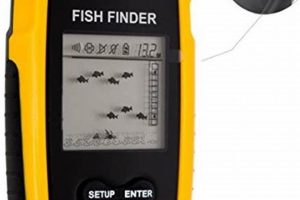
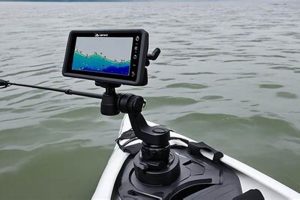
A top-tier sonar/GPS unit designed for kayak angling combines the ability to locate fish with precise navigation in a compact, portable, and waterproof format. These devices typically feature a transducer for underwater scanning, a high-resolution display for clear visuals, and integrated GPS functionality for mapping, waypoint marking, and route planning, all optimized for the unique demands of kayak fishing.
Integrating sonar and GPS technology significantly enhances angling success and safety on the water. Accurate fish location data combined with precise positional awareness allows anglers to target specific areas, navigate efficiently to productive spots, and safely return to launch points. This integrated approach evolved from separate sonar and GPS devices, culminating in compact, versatile units ideally suited for the limited space and mobility requirements of kayak fishing. Precise navigation capabilities are crucial for safety, particularly in challenging conditions or unfamiliar waters.
Key considerations when selecting a unit include display size and resolution, transducer type and frequency, mapping capabilities, battery life, and mounting options. The following sections will explore these factors in detail, providing guidance on choosing the optimal combination of features and performance for individual angling needs.
Tips for Selecting and Utilizing Kayak Fish Finder GPS Units
Choosing and effectively using a fish finder GPS unit significantly enhances the kayak fishing experience. The following tips offer guidance for maximizing the benefits of this technology.
Tip 1: Prioritize Display Clarity: Opt for a unit with a bright, high-resolution display easily readable in direct sunlight. Screen size should balance visibility with space constraints on a kayak.
Tip 2: Consider Transducer Options: Select a transducer appropriate for the target fishing environment. Down-imaging transducers offer detailed bottom structure views, while side-imaging transducers provide broader coverage for locating fish in shallower water.
Tip 3: Evaluate Mapping Capabilities: Built-in charts and mapping features are essential for navigation and locating potential fishing hotspots. Ensure compatibility with preferred mapping software or chartplotter systems.
Tip 4: Ensure Adequate Battery Life: Long battery life is critical for extended fishing trips. Consider power consumption rates and carry backup power sources if needed.
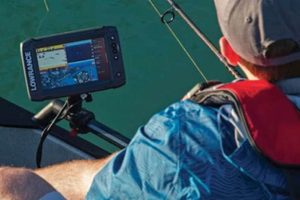
Tip 5: Optimize Mounting Location: Choose a mounting location that provides easy access to the unit’s controls and a clear view of the display without interfering with paddling or fishing activities.
Tip 6: Learn the Unit’s Features: Familiarize oneself thoroughly with the unit’s operational manual to understand all features and functionalities, such as waypoint marking, route planning, and sonar interpretation.
Tip 7: Regularly Update Software: Ensure the device’s software is up-to-date to benefit from the latest features, performance improvements, and bug fixes.
By considering these factors, anglers can select and effectively utilize a fish finder GPS unit to enhance their kayak fishing experience. Optimal performance and safety are achieved through careful selection and proficient operation.
The following section will explore advanced techniques for interpreting sonar data and utilizing mapping features to locate and target fish effectively.
1. Portability

Portability is a critical factor when selecting a fish finder GPS unit for kayak fishing. The compact nature of kayaks necessitates equipment that is easy to transport, mount, and store. A portable unit simplifies the logistics of kayak fishing, allowing anglers to focus on the experience rather than cumbersome equipment management.
- Compact Size and Lightweight Design
Units designed for kayak use often feature compact dimensions and lightweight construction. This minimizes bulk and weight, crucial for maintaining kayak stability and maneuverability. Smaller units are also easier to store and transport, fitting comfortably within limited kayak storage compartments. For example, units with foldable displays or detachable transducers contribute significantly to portability.
- Efficient Power Solutions
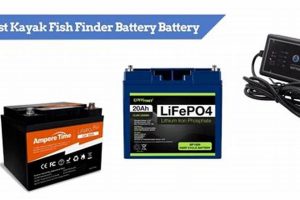
Portable fish finder GPS units often utilize rechargeable battery systems designed for extended use. This eliminates the need for bulky external batteries and wiring, further streamlining the kayak setup. Units with low power consumption rates and efficient power management features extend battery life, enabling longer fishing trips without recharging. Some models even offer compatibility with portable power banks for extended operation.
- Quick and Easy Mounting Systems
Efficient mounting solutions are essential for portability. Kayak-specific mounts often feature adjustable arms and clamps that allow for quick installation and removal. These mounts should securely hold the unit in place during paddling and fishing activities while also allowing for easy adjustment of viewing angles. Portable mounts that can be easily transferred between kayaks offer added versatility.
- Integrated Carrying Cases and Accessories
Carrying cases and protective covers further enhance portability. Dedicated cases provide organized storage for the unit, transducer, cables, and other accessories, protecting them during transport and storage. Waterproof cases and covers safeguard the electronics from the elements, ensuring reliable performance in various weather conditions.
The portability of a fish finder GPS unit directly influences the overall kayak fishing experience. By prioritizing compact design, efficient power solutions, and convenient mounting systems, anglers can optimize their setup for ease of use and maximize time on the water. A truly portable unit seamlessly integrates into the kayak fishing experience, enhancing efficiency without adding unnecessary complexity.
2. Durability
Durability is paramount for a kayak fish finder GPS unit, given the demanding conditions inherent in marine environments. Exposure to water, sunlight, and physical impacts necessitates a robust design capable of withstanding these rigors. A durable unit ensures reliable performance and longevity, minimizing the risk of malfunctions and maximizing the return on investment. For example, a unit constructed with waterproof seals and impact-resistant materials will likely withstand accidental drops, splashes, and prolonged exposure to the elements, providing consistent functionality over time. This directly translates to uninterrupted fishing sessions and accurate data acquisition, crucial for successful angling.
Several factors contribute to the overall durability of these units. Waterproof ratings, typically expressed as IPX ratings, indicate the level of protection against water ingress. Higher IPX ratings signify greater resistance to water damage, essential for kayak fishing where water exposure is inevitable. Ruggedized casing materials, such as reinforced plastics or composite materials, provide structural integrity and impact resistance. Additionally, sunlight-readable displays with anti-glare coatings ensure visibility in bright conditions, enhancing usability and preventing screen degradation from prolonged sun exposure. Units designed with these features in mind are more likely to withstand the harsh conditions of kayak fishing, providing reliable performance over extended periods.
Ultimately, durability directly impacts the long-term value and reliability of a kayak fish finder GPS. Investing in a durable unit minimizes the risk of costly repairs or replacements, ensuring consistent performance and maximizing the angler’s investment. By prioritizing durability, kayak anglers can focus on the fishing experience rather than worrying about equipment failure. This allows for uninterrupted fishing sessions and consistent data acquisition, essential for successful and enjoyable kayak angling. Choosing a unit specifically designed for marine environments, with appropriate waterproofing, rugged construction, and sunlight-readable displays, ensures long-term reliability and contributes significantly to a positive and productive fishing experience.
3. Accuracy
Accuracy in a kayak fish finder GPS unit directly correlates with successful angling and efficient navigation. Precise sonar readings and reliable GPS positioning are essential for locating fish, marking waypoints, and navigating to productive fishing areas. Inaccurate data can lead to wasted time, missed opportunities, and potentially hazardous navigation errors, especially in unfamiliar waters. Therefore, prioritizing accuracy is paramount when selecting a unit for kayak fishing.
- Sonar Accuracy
Sonar accuracy refers to the precision with which the unit detects and displays underwater features and fish. High-frequency sonar provides detailed images of bottom structure and fish locations, enabling anglers to identify promising fishing spots and target specific species. Accurate sonar readings minimize misinterpretations of underwater data, leading to more effective fishing strategies and increased catch rates. For instance, a unit with accurate sonar can distinguish between different fish species, bottom composition, and submerged vegetation, providing valuable insights into the underwater environment.
- GPS Accuracy
GPS accuracy dictates the precision of location data, crucial for navigation and waypoint marking. A highly accurate GPS receiver ensures precise positioning on the water, allowing anglers to navigate confidently to desired locations, mark productive fishing spots, and safely return to launch points. Accurate GPS data minimizes navigational errors and enhances safety, especially in challenging conditions or unfamiliar waterways. For example, a unit with accurate GPS can reliably guide anglers through narrow channels, around hazards, and back to their starting point, even in low visibility conditions.
- Waypoint Accuracy
Waypoint accuracy refers to the precision with which the unit marks and stores location data. Accurate waypoints allow anglers to revisit productive fishing spots with confidence, eliminating the need to search for previously identified locations. This feature is particularly valuable for returning to areas with specific bottom structures, depth contours, or other favorable fishing conditions. Precise waypoints ensure efficient use of fishing time and increase the likelihood of repeated success in targeted areas.
- Chartplotter Accuracy
Chartplotter accuracy refers to the precision with which the unit displays cartographic data. Accurate chartplotters provide detailed and reliable representations of waterways, including depth contours, shoreline features, and navigational hazards. This information is crucial for safe and efficient navigation, particularly in unfamiliar or complex waters. Accurate chartplotters enhance situational awareness and minimize the risk of grounding or collisions, contributing to a safer and more productive fishing experience.
These facets of accuracy contribute significantly to the overall effectiveness and safety of a kayak fish finder GPS. Prioritizing accuracy in sonar, GPS, waypoint marking, and chartplotting functionalities enhances the angler’s ability to locate fish, navigate efficiently, and maximize their time on the water. Selecting a unit known for its accuracy ensures reliable data acquisition and interpretation, ultimately contributing to a more successful and enjoyable kayak fishing experience. By understanding the importance of each accuracy component, anglers can make informed decisions when selecting a unit that best suits their needs and fishing style.
4. User-Friendliness
User-friendliness is a critical factor in determining the overall effectiveness of a kayak fish finder GPS. A complex and difficult-to-operate unit can detract from the fishing experience, requiring excessive time and attention to manage, rather than focusing on angling. Intuitive operation, clear displays, and readily accessible features contribute to a seamless and enjoyable on-the-water experience, allowing anglers to maximize their time fishing.
- Intuitive Menu Navigation
Simple menu structures and logical button layouts facilitate quick access to essential functions. Intuitive navigation minimizes the need to consult complex manuals or spend excessive time searching for specific settings. A well-designed interface allows anglers to adjust settings, access charts, and interpret sonar data efficiently, even in challenging conditions. For example, clearly labeled icons and logically organized menus allow for quick adjustments to sonar sensitivity, depth range, and GPS settings.
- Clear and Readable Display
A bright, high-resolution display with adjustable backlighting ensures optimal visibility in varying light conditions. Displays that are easily readable in direct sunlight eliminate the need for constant adjustments and minimize eye strain. Clear presentation of sonar data, GPS information, and mapping details contributes to accurate interpretation and efficient decision-making on the water. A display with large, easily discernible icons and clear text enhances readability and minimizes the need for interpretation.
- Simplified Waypoint Management
Streamlined waypoint marking and management features simplify the process of saving and retrieving location data. Intuitive interfaces for adding, editing, and deleting waypoints reduce complexity and allow anglers to quickly mark productive fishing spots or navigational hazards. Efficient waypoint management contributes to organized data storage and retrieval, enhancing overall navigational efficiency and maximizing fishing success. For example, a unit with one-button waypoint marking and a clear waypoint list facilitates quick and efficient location management.
- Customizable Settings and Profiles
The ability to customize settings and create user profiles allows anglers to tailor the unit’s operation to their specific preferences and fishing styles. Customizable options for sonar sensitivity, display preferences, and GPS settings enhance the unit’s versatility and adaptability. User profiles enable quick switching between preferred configurations, optimizing performance for different fishing environments or techniques. This level of customization contributes to a personalized and efficient fishing experience.
User-friendliness significantly impacts the overall effectiveness and enjoyment of using a kayak fish finder GPS. Prioritizing intuitive design, clear displays, and streamlined functionality enhances the angler’s ability to focus on fishing rather than struggling with complex technology. By selecting a user-friendly unit, kayak anglers can maximize their time on the water and enhance their overall fishing experience. A well-designed, user-friendly interface seamlessly integrates into the fishing process, providing valuable information and navigational assistance without adding unnecessary complexity.
5. Advanced Features

Advanced features distinguish high-end kayak fish finder GPS units from basic models, offering enhanced functionality and contributing significantly to angling success. These features often integrate cutting-edge technologies to provide more detailed data, improved accuracy, and streamlined operation, ultimately enhancing the angler’s ability to locate and catch fish.
- Networking and Data Sharing
Networking capabilities allow data sharing between multiple units or connected devices. This functionality enables anglers to share waypoints, sonar data, and other crucial information in real-time, enhancing collaborative fishing efforts. Sharing data between kayaks provides a comprehensive view of the fishing environment, maximizing efficiency and potentially increasing catch rates. Some systems allow integration with smartphones or tablets, providing access to additional mapping resources and online data sharing platforms.
- Advanced Sonar Technologies
Advanced sonar technologies, such as CHIRP, DownScan Imaging, and SideScan Imaging, provide detailed underwater views. CHIRP sonar utilizes multiple frequencies to deliver clearer images with better target separation. DownScan Imaging provides photo-like images of bottom structure directly beneath the kayak, while SideScan Imaging offers wider coverage for locating fish and structure to the sides of the kayak. These technologies offer enhanced clarity and detail, enabling anglers to identify fish-holding structures, distinguish between different fish species, and interpret bottom composition more effectively.
- Automated Mapping and Charting
Automated mapping and charting features, including AutoChart Live and similar technologies, allow anglers to create personalized bathymetric maps in real-time. These features record depth data as the kayak moves across the water, generating detailed contour maps of the fishing area. This functionality is particularly valuable for mapping uncharted waters or creating custom maps of familiar fishing spots, enhancing navigational efficiency and providing detailed insights into underwater terrain. These maps can then be saved and shared, further enhancing their value.
- Integrated GPS and Navigation Technologies
Integrated GPS and advanced navigation technologies, such as route planning and track recording, offer enhanced navigational capabilities. Route planning allows anglers to create predefined routes to specific fishing areas, ensuring efficient navigation and minimizing travel time. Track recording logs the kayak’s path, allowing anglers to retrace productive routes or analyze past fishing trips. These features enhance navigational efficiency and safety, particularly in unfamiliar waters or challenging conditions. Integration with satellite imagery and other mapping platforms further expands navigational capabilities.
These advanced features, though not essential for basic kayak fishing, significantly enhance the experience and contribute to increased angling success. By leveraging these technologies, anglers gain access to more detailed data, enhanced navigational capabilities, and improved overall efficiency on the water. The investment in a unit with advanced features represents a commitment to maximizing the potential of kayak fishing, enabling anglers to explore new areas, target specific species more effectively, and ultimately, enhance their enjoyment of the sport.
Frequently Asked Questions about Kayak Fish Finder GPS Units
This section addresses common inquiries regarding kayak fish finder GPS units, providing concise and informative responses to assist in selection and utilization.
Question 1: What is the typical price range for a suitable kayak fish finder GPS?
Prices vary significantly depending on features and capabilities. Basic units can start around $100, while high-end models with advanced features can exceed $1000. Careful consideration of budget and required functionalities is recommended.
Question 2: How is a kayak fish finder GPS powered?
Most units utilize rechargeable lithium-ion batteries. Battery life varies depending on usage and screen brightness. Carrying a backup power source or external charger is advisable for extended trips.
Question 3: Can these units withstand saltwater environments?
Units specifically designed for marine use feature waterproof and corrosion-resistant construction. Checking the IPX rating provides insight into the level of water protection offered. Rinsing the unit with fresh water after saltwater use is recommended to prolong its lifespan.
Question 4: Is professional installation required?
Most kayak fish finder GPS units are designed for easy self-installation. Clear instructions and readily available mounting accessories simplify the process. However, professional installation is an option for those seeking assistance or specialized setups.
Question 5: What transducer type is best for kayak fishing?
Transducer choice depends on the target fishing environment and species. Down-imaging transducers excel in deep water and provide detailed bottom structure views. Side-imaging transducers are effective in shallower waters for locating fish and structure to the sides of the kayak. Understanding the characteristics of each type aids in informed selection.
Question 6: How often should software updates be performed?
Regular software updates ensure optimal performance and access to the latest features. Checking the manufacturer’s website for updates and following provided instructions is recommended. Regular updates often include performance improvements, bug fixes, and new feature additions.
Understanding these frequently asked questions equips prospective buyers with the knowledge needed to select and effectively utilize a kayak fish finder GPS unit. Careful consideration of individual needs and preferences will lead to a more informed purchasing decision.
The following section will offer concluding remarks and summarize the key takeaways regarding the selection and utilization of these invaluable tools for enhancing the kayak fishing experience.
Conclusion
Careful evaluation of features like portability, durability, accuracy, user-friendliness, and advanced functionalities is crucial for selecting the best kayak fish finder GPS. Prioritizing these aspects ensures the chosen unit aligns with individual angling needs and enhances the overall fishing experience. Balancing budget considerations with desired performance levels is essential for making an informed purchase decision. Understanding the nuances of sonar technology, GPS functionality, and mapping capabilities empowers informed decision-making. Appropriate selection directly contributes to increased angling success, improved navigational efficiency, and enhanced safety on the water.
The optimal kayak fish finder GPS becomes an invaluable tool, transforming the angling experience and fostering a deeper connection with the aquatic environment. Technological advancements continue to refine these devices, promising further enhancements in performance and functionality. Embracing these advancements empowers anglers to explore new waters, refine techniques, and experience the thrill of kayak fishing with enhanced precision and confidence. Continuous learning and adaptation to evolving technologies will remain essential for maximizing the benefits these tools offer.