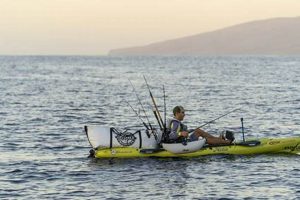
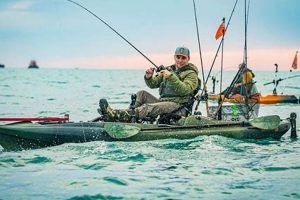
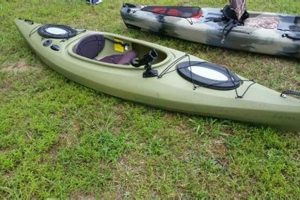
This pursuit combines the quiet, personal experience of paddling with the challenge and reward of angling in the diverse waters of the Centennial State. Imagine gliding across a high-alpine lake, surrounded by breathtaking scenery, while casting a line for trout. This exemplifies the unique blend of outdoor recreation available to anglers in Colorado.
The accessibility and adaptability of this activity contribute significantly to its popularity. It offers a low-impact way to explore otherwise inaccessible fishing spots, from secluded mountain streams to expansive reservoirs. Furthermore, the relatively low cost of entry compared to motorized boating makes it an appealing option for individuals and families seeking outdoor adventure. Historically, angling has held a prominent place in Colorado’s recreational landscape. Adapting this tradition to human-powered watercraft allows for a more intimate and environmentally conscious approach to fishing.
This article will explore the various aspects of this activity, including suitable locations, necessary equipment, licensing requirements, and best practices for ensuring both a successful and sustainable angling experience. Further discussion will cover specific fish species targeted, seasonal considerations, and safety precautions relevant to Colorado’s unique aquatic environments.
Tips for Kayak Fishing in Colorado
Successful angling from a kayak in Colorado requires preparation and adherence to specific guidelines. The following tips offer valuable insights for a safe and productive experience.
Tip 1: Research and Choose Appropriate Locations: Water conditions vary significantly across Colorado. Research potential fishing spots thoroughly, considering factors such as water flow, clarity, and accessibility. Check local regulations and obtain any necessary permits.
Tip 2: Prioritize Safety Equipment: Always wear a personal flotation device (PFD). Carry a whistle, signaling device, and first-aid kit. Inform someone of the planned fishing location and estimated return time.
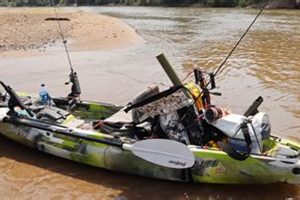
Tip 3: Select Suitable Kayak and Gear: Choose a kayak designed for stability and fishing, preferably with features like rod holders and storage compartments. Use appropriate fishing gear for targeted species and water conditions.
Tip 4: Understand Weather Conditions: Colorado weather can change rapidly. Check forecasts before heading out and be prepared for fluctuating temperatures and potential storms. Avoid fishing during lightning storms.
Tip 5: Practice Proper Kayaking Techniques: Learn basic paddling strokes and maneuvering skills to navigate effectively and maintain stability while fishing. Practice casting and retrieving from a seated position.
Tip 6: Respect Wildlife and the Environment: Observe wildlife from a safe distance and avoid disturbing their habitats. Pack out all trash and fishing line to minimize environmental impact. Adhere to catch-and-release guidelines where applicable.
Tip 7: Be Aware of Altitude: The higher elevation in many Colorado fishing locations can impact physical exertion. Pace oneself, stay hydrated, and be aware of potential altitude sickness symptoms.
By following these guidelines, anglers can significantly enhance their chances of a successful and enjoyable experience while prioritizing safety and environmental responsibility. Preparation and mindful practices are crucial for making the most of Colorado’s unique fishing opportunities.
These tips offer a starting point for planning a memorable kayak fishing trip. Further research and careful consideration of individual circumstances will contribute to a rewarding and sustainable angling experience in Colorado.
1. Location Selection

Location selection stands as a critical factor in successful angling from a kayak in Colorado. The diverse landscape offers a vast array of aquatic environments, each presenting unique opportunities and challenges. Careful consideration of factors such as target species, water conditions, accessibility, and angler skill level dictates the suitability of a particular location. For example, a novice angler seeking trout might find a calm, shallow lake more manageable than a fast-flowing river. Experienced anglers targeting larger species might prefer the challenge of navigating reservoirs or whitewater sections.
Several prominent locations exemplify the diverse options available to kayak anglers in Colorado. Eleven Mile State Park provides productive stillwater fishing for trout and kokanee salmon. The Arkansas River offers exciting opportunities for catching brown and rainbow trout in a riverine setting. Blue Mesa Reservoir, Colorado’s largest body of water, holds a variety of species including lake trout, kokanee salmon, and yellow perch. Careful research and selection of the appropriate location based on individual experience and target species dramatically increase the likelihood of a successful and enjoyable outing. Accessing detailed information about specific locations, including water conditions, regulations, and accessibility points, becomes a crucial aspect of pre-trip planning.
Ultimately, strategic location selection optimizes the kayak fishing experience. Matching angler skill level and target species with the appropriate environment maximizes opportunities for success. Careful consideration of factors like water conditions, accessibility, and regulations ensures both safety and enjoyment. Thorough research and planning create the foundation for a rewarding angling adventure in Colorado’s diverse waters.
2. Essential Equipment

Appropriate equipment is fundamental to a safe and successful kayak fishing experience in Colorado. The unique demands of this activity necessitate specialized gear that enhances both angler performance and overall safety. From the kayak itself to the fishing tackle and safety devices, each element plays a crucial role in optimizing the on-water experience.
- Kayak Selection
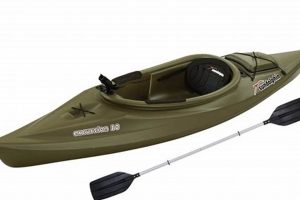
Kayak choice hinges on several factors, including the intended fishing environment (rivers, lakes, or reservoirs), angler experience, and storage capacity requirements. Sit-on-top kayaks offer stability and ease of re-entry in the event of a capsize, making them popular choices. Sit-inside kayaks provide better protection from the elements and offer a drier ride, which can be advantageous in colder conditions. Inflatable kayaks offer portability and convenient storage, although they may sacrifice some performance compared to rigid hulls. Evaluating these trade-offs against individual needs and intended fishing locations informs the optimal choice.
- Paddle Choice
Paddle selection directly impacts paddling efficiency and comfort. Lightweight, adjustable paddles offer versatility for varying water conditions and angler preferences. The paddle length should be appropriate for the kayak’s width and the angler’s height. A well-chosen paddle minimizes fatigue and maximizes propulsion, particularly important for covering longer distances or navigating challenging currents.
- Fishing Gear
Rods, reels, lines, and lures should be selected based on target species and fishing techniques. For example, fly fishing for trout requires different equipment than trolling for lake trout. Understanding the specific needs of the targeted species and the chosen fishing method informs the selection of appropriate tackle. Packing a variety of lures and terminal tackle allows anglers to adapt to changing conditions and fish behavior.
- Safety Gear
Safety equipment is paramount in any on-water activity. A properly fitted personal flotation device (PFD) is non-negotiable. A whistle, signaling device, and first-aid kit are essential for emergency preparedness. A dry bag protects essential items like phones and wallets from water damage. Wearing appropriate clothing for the expected weather conditions, including rain gear and layers for temperature fluctuations, enhances comfort and safety.
Careful consideration of these equipment essentials optimizes safety, enhances fishing effectiveness, and contributes significantly to a positive overall experience. Prioritizing appropriate gear for the specific demands of kayak fishing in Colorado ensures preparedness for the diverse conditions encountered across the state’s varied waters. Investing in quality equipment tailored to individual needs and target species ultimately elevates the enjoyment and success of every fishing outing.
3. Safety Precautions

Safety precautions are paramount in kayak fishing within Colorado, given the state’s diverse and sometimes challenging aquatic environments. Cold water temperatures, rapid changes in weather, and varying water flow conditions necessitate careful planning and adherence to safety guidelines. Neglecting these precautions can lead to serious consequences, ranging from hypothermia and equipment damage to potentially life-threatening situations.
Several factors contribute to the critical nature of safety in this context. Colorado’s high-elevation lakes and reservoirs present unique challenges. Cold water shock can occur even in summer months, leading to involuntary gasping and potential drowning. Sudden wind gusts can create choppy conditions, making navigation difficult and increasing the risk of capsizing. River fishing presents additional hazards, including swift currents, submerged obstacles, and strainers (partially submerged objects that allow water to pass through but trap larger objects). Understanding these potential hazards and taking appropriate precautions mitigates risks. For example, wearing a personal flotation device (PFD) is crucial, even for experienced swimmers, as cold water shock can incapacitate even strong individuals. Carrying a communication device, such as a whistle or waterproof cell phone, allows anglers to call for help in emergencies. Checking weather forecasts before embarking on a fishing trip and being prepared for sudden changes in conditions are also essential.
Careful consideration of safety precautions is inseparable from responsible kayak fishing in Colorado. Understanding the inherent risks associated with the state’s diverse water bodies and adhering to established safety guidelines safeguards anglers and ensures a positive experience. Pre-trip planning, including checking weather forecasts, informing someone of the planned route and estimated return time, and carrying appropriate safety equipment, significantly mitigates potential hazards. Ultimately, prioritizing safety enhances enjoyment and allows anglers to fully appreciate the beauty and challenge of Colorado’s unique fishing opportunities.
4. Species Targeting

Species targeting forms an integral component of successful kayak fishing in Colorado. Understanding the behavior, habitat preferences, and seasonal patterns of different fish species significantly enhances angling success. Strategic selection of target species informs location choices, tackle selection, and fishing techniques, optimizing the overall experience. This targeted approach contributes not only to increased catch rates but also to responsible angling practices that minimize environmental impact and preserve fish populations.
- Trout Fishing
Trout represent a primary target for many Colorado kayak anglers. Rainbow, brown, cutthroat, and brook trout inhabit various rivers, streams, and lakes throughout the state. Understanding the specific habitat preferences of each species, such as water temperature and flow rate, aids in locating productive fishing areas. Employing appropriate fishing techniques, such as fly fishing, spin casting, or bait fishing, tailored to the targeted trout species maximizes catch potential. For example, fly fishing with dry flies can be effective during summer hatches on high-elevation streams, while spin casting with lures might be more productive in deeper lakes during colder months.
- Warm-Water Species
Colorado’s reservoirs and warmer rivers also offer opportunities to target warm-water species. Walleye, bass, crappie, and catfish represent popular targets. These species often inhabit different areas within a water body, requiring anglers to adjust their location strategies accordingly. Understanding the feeding habits of these species informs bait and lure selection. For instance, trolling with crankbaits can be effective for walleye, while using live bait might be more successful for catfish.
- Kokanee Salmon
Kokanee salmon, a landlocked sockeye salmon, provide a unique angling opportunity in several Colorado reservoirs. These fish typically school in deeper water, requiring specialized techniques like trolling with downriggers or jigging. Understanding their seasonal movement patterns and preferred depths enhances angling success. Targeting kokanee often requires specific gear, such as lightweight rods and sensitive reels, to detect subtle bites.
- Seasonal Considerations
Species targeting also requires consideration of seasonal variations. Spawning seasons, water temperature changes, and insect hatches influence fish behavior and location. For example, trout may concentrate near spawning tributaries in the spring, while warm-water species become more active in shallower areas during summer months. Adapting fishing techniques and target species based on seasonal changes significantly improves angling success.
By aligning location choices, tackle selection, and fishing techniques with the specific characteristics of target species, anglers optimize their chances of a successful and rewarding experience. Furthermore, species targeting promotes responsible angling practices by encouraging selective harvesting and minimizing the impact on non-target species. This approach ensures the sustainability of Colorado’s fisheries and preserves the enjoyment of this activity for future generations. Careful research and an understanding of the nuances of each species contribute significantly to a fulfilling kayak fishing adventure.
5. Seasonal Variations
Seasonal variations significantly influence kayak fishing in Colorado, impacting water levels, water temperatures, fish behavior, and accessibility. These fluctuations dictate optimal fishing locations, effective techniques, and target species throughout the year. Understanding these seasonal nuances is crucial for maximizing angling success and ensuring a safe and enjoyable experience. Water levels in rivers and reservoirs fluctuate based on snowmelt, precipitation, and water management practices. Higher water levels in spring and early summer can create challenging paddling conditions and limit access to certain areas. Conversely, lower water levels in late summer and fall may expose shallow areas and concentrate fish in deeper pools. Water temperature also varies dramatically across seasons, impacting fish metabolism and behavior. Cold water temperatures in winter and early spring can make fish less active, while warmer summer temperatures stimulate feeding activity. These fluctuations necessitate adjustments in fishing techniques and lure selection.
For example, during spring runoff, rivers may become too swift and turbid for safe kayaking. Anglers might shift their focus to calmer tailwaters or reservoirs during this period. In summer, when water temperatures rise, targeting warm-water species like bass and walleye in shallower areas becomes more productive. During fall, as water temperatures cool, trout fishing in rivers and streams can be excellent as fish become more active before winter. Winter presents unique opportunities for ice fishing, although kayak angling becomes limited to tailwaters or spring-fed streams that remain ice-free. These seasonal shifts require anglers to adapt their strategies and target species accordingly.
Successfully navigating these seasonal variations necessitates careful planning and adaptability. Consulting resources like flow rate reports, water temperature data, and fishing reports provides valuable insights for optimizing fishing trips. Understanding the seasonal patterns of target species, including spawning periods and migration routes, further enhances angling success. Preparation and awareness of seasonal influences maximize the potential for rewarding kayak fishing experiences throughout Colorado’s dynamic year.
6. Regulation Adherence
Regulation adherence is essential for responsible and sustainable kayak fishing in Colorado. Compliance with established rules and regulations protects fish populations, preserves aquatic ecosystems, and ensures the longevity of this recreational activity. Ignoring these regulations can lead to penalties, environmental damage, and the depletion of fish stocks. Understanding and adhering to these guidelines is not merely a legal obligation but a crucial component of ethical angling and environmental stewardship.
- Fishing Licenses
A valid Colorado fishing license is mandatory for anyone engaging in angling activity. Different license types exist, including annual, daily, and multi-day options. Anglers must possess the appropriate license for their age and residency status. Licenses can be purchased online, at authorized retail locations, or through Colorado Parks and Wildlife offices. Failure to possess a valid license can result in fines and legal repercussions. Possessing a valid license demonstrates commitment to supporting conservation efforts funded through license sales.
- Species-Specific Regulations
Specific regulations govern the harvest of certain fish species. These regulations may include size limits, daily bag limits, possession limits, and seasonal closures. For example, some rivers may have specific regulations regarding the size and number of trout that can be harvested. These restrictions aim to protect vulnerable populations and maintain healthy fish stocks. Adhering to species-specific regulations ensures the sustainability of target populations and preserves angling opportunities for future generations.
- Aquatic Nuisance Species (ANS) Regulations
Colorado faces significant challenges from aquatic nuisance species, such as zebra mussels and quagga mussels. These invasive species can disrupt ecosystems, damage infrastructure, and negatively impact native fish populations. Regulations exist to prevent the spread of ANS, often requiring anglers to clean, drain, and dry their kayaks and fishing gear before moving between different water bodies. Compliance with ANS regulations is crucial for protecting Colorado’s aquatic environments and preventing the further spread of these harmful invaders.
- Designated Fishing Areas
Some water bodies have designated fishing areas or restrictions on access. These designations may be implemented to protect sensitive habitats, spawning grounds, or critical wildlife areas. Anglers must respect these designations and adhere to any access restrictions. Understanding and respecting these closures safeguards vulnerable ecosystems and ensures the continued health of fish populations.
Adherence to these regulations is integral to responsible kayak fishing in Colorado. By complying with licensing requirements, species-specific regulations, ANS regulations, and designated fishing area restrictions, anglers contribute to the sustainability of the state’s valuable fisheries and the preservation of its unique aquatic ecosystems. Responsible angling practices demonstrate a commitment to conservation and ensure that future generations can enjoy the diverse fishing opportunities Colorado offers. Ultimately, regulation adherence fosters a culture of respect for the environment and ensures the long-term health and viability of this cherished recreational pursuit.
7. Environmental Awareness

Environmental awareness represents a crucial aspect of responsible kayak fishing in Colorado. The delicate balance of the state’s aquatic ecosystems necessitates mindful practices to minimize human impact and preserve these valuable resources for future generations. Understanding the interconnectedness of human actions and environmental consequences fosters a culture of stewardship and ensures the sustainability of this recreational activity. This awareness translates into practical actions that mitigate potential harm and promote the long-term health of Colorado’s waters.
The direct interaction with the natural environment inherent in kayak fishing underscores the importance of environmental awareness. Kayakers possess a unique perspective, observing firsthand the fragility of riparian habitats and the potential impacts of human activity. Discarded fishing line poses a significant threat to wildlife, potentially entangling birds, fish, and other animals. Improper disposal of trash and waste contaminates waterways and degrades water quality. Disturbing nesting sites or harassing wildlife disrupts natural behaviors and can have long-term consequences for populations. Furthermore, the introduction of invasive species, often transported unintentionally on boats and equipment, poses a substantial threat to native ecosystems. These real-life examples highlight the direct link between angler behavior and environmental impact. For instance, a discarded plastic lure can persist in the environment for decades, potentially harming wildlife that ingest it. Similarly, failing to clean a kayak thoroughly after use can inadvertently transport invasive mussels to a new water body, leading to potentially devastating consequences for native species.
Minimizing environmental impact requires conscious effort and a commitment to responsible practices. Packing out all trash and fishing line is essential. Properly cleaning kayaks and gear after each use prevents the spread of invasive species. Respecting wildlife by observing from a distance and avoiding disturbances minimizes disruption to their natural behaviors. Adhering to catch-and-release guidelines, where appropriate, helps maintain healthy fish populations. Supporting conservation organizations dedicated to protecting Colorado’s waterways contributes to long-term sustainability efforts. Challenges remain, including increasing recreational pressure on limited resources and the ongoing threat of climate change. However, by embracing environmental awareness and integrating sustainable practices into every aspect of kayak fishing, anglers contribute to the preservation of these precious ecosystems. This understanding fosters a deeper appreciation for the natural world and ensures that future generations can enjoy the unique experience of kayak fishing in Colorado.
Frequently Asked Questions
This section addresses common inquiries regarding kayak fishing in Colorado, providing concise and informative responses to facilitate informed decision-making and enhance the overall angling experience. Clarity regarding regulations, safety protocols, and best practices contributes significantly to responsible and enjoyable fishing excursions.
Question 1: What type of kayak is best suited for fishing in Colorado?
Kayak selection depends on intended fishing locations and angler experience. Sit-on-top kayaks offer stability and ease of re-entry, while sit-inside kayaks provide greater protection from the elements. Inflatable kayaks offer portability but may sacrifice performance. Choosing the appropriate kayak type enhances both safety and fishing effectiveness.
Question 2: Are there specific licensing requirements for kayak fishing in Colorado?
A valid Colorado fishing license is mandatory for all anglers, regardless of the type of watercraft used. Different license options cater to varying durations and residency statuses. Acquiring the correct license ensures legal compliance and supports conservation efforts.
Question 3: What safety precautions should one take when kayak fishing in Colorado?
Wearing a personal flotation device (PFD), checking weather forecasts, informing someone of the planned fishing location and estimated return time, and carrying essential safety gear, such as a whistle and first-aid kit, represent crucial safety measures. Prioritizing safety mitigates potential risks associated with Colorado’s diverse aquatic environments.
Question 4: Where can one find information about fishing regulations and species-specific limits in Colorado?
The Colorado Parks and Wildlife website provides comprehensive information regarding fishing regulations, license requirements, species-specific limits, and aquatic nuisance species (ANS) guidelines. Consulting this resource ensures compliance and promotes responsible angling practices.
Question 5: What are the primary target fish species for kayak anglers in Colorado?
Trout species, including rainbow, brown, cutthroat, and brook trout, constitute popular targets. Warm-water species like walleye, bass, and catfish also offer angling opportunities. Kokanee salmon provide a unique challenge in specific reservoirs. Selecting target species influences location choices and fishing techniques.
Question 6: How can one minimize environmental impact while kayak fishing in Colorado?
Practicing “Leave No Trace” principles, including packing out all trash and fishing line, cleaning kayaks and gear to prevent the spread of invasive species, and respecting wildlife by observing from a safe distance, minimizes environmental impact. Responsible angling practices preserve Colorado’s natural beauty for future generations.
Understanding these fundamental aspects of kayak fishing in Colorado equips anglers with the knowledge necessary for safe, enjoyable, and sustainable fishing experiences. Further research and preparation enhance preparedness and contribute to responsible engagement with the state’s valuable aquatic resources.
The subsequent sections will delve into specific techniques and strategies for successful kayak fishing in Colorado’s diverse waters.
Conclusion
This exploration has highlighted the multifaceted nature of kayak fishing in Colorado, encompassing location selection, essential equipment, safety precautions, species targeting, seasonal variations, regulation adherence, and environmental awareness. Each element contributes significantly to a successful and sustainable angling experience. Understanding these interconnected factors empowers anglers to make informed decisions, maximizing both enjoyment and responsible engagement with Colorado’s aquatic resources. From the selection of appropriate kayaks and fishing gear to the adherence to regulations and ethical practices, a holistic approach ensures the preservation of these valuable environments.
The future of this pursuit relies on continued education, responsible practices, and a collective commitment to conservation. Preserving the delicate balance of Colorado’s aquatic ecosystems ensures the longevity of this cherished recreational activity for generations to come. The challenge lies in balancing increasing recreational demand with the imperative of environmental stewardship. Through informed decision-making and a dedication to sustainable practices, anglers can actively contribute to the protection of these invaluable natural resources, ensuring the enduring allure of kayak fishing in Colorado.