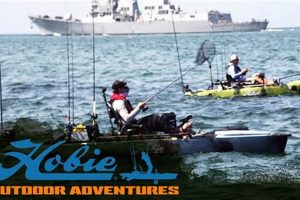
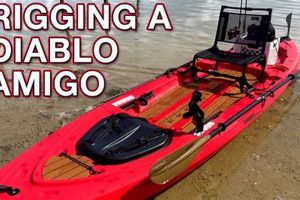
A Panama-based lodging establishment specializing in angler experiences features kayaks as the primary mode of fishing transport. This typically includes guided tours, equipment rentals, and access to prime fishing locations. Such establishments often provide amenities like comfortable accommodations, meals, and other services tailored to fishing enthusiasts. For example, a lodge might offer pre-dawn departures to offshore reefs teeming with snapper and grouper or guided excursions through mangrove estuaries for snook and tarpon.
This specialized type of tourism provides a unique opportunity to experience Panama’s rich biodiversity and stunning coastal landscapes. It contributes to the local economy, supporting jobs and preserving natural habitats through sustainable practices. Historically, fishing has played a crucial role in Panamanian culture, and these lodges represent a modern evolution, blending traditional practices with eco-conscious tourism. This approach allows visitors to engage with the natural environment in a low-impact, immersive way.
The following sections will explore key aspects of this specific niche tourism sector, including the variety of fish species targeted, the types of accommodations available, the importance of conservation efforts, and the overall impact on Panama’s tourism industry.
Tips for a Successful Panama Kayak Fishing Adventure
Careful planning ensures a rewarding and safe experience. These tips offer valuable insights for anglers considering a Panama kayak fishing trip.
Tip 1: Research Target Species: Understanding the behavior and habitat of desired fish species informs tackle choices and location selection. For example, targeting pelagic species like tuna requires different gear than fishing for inshore species like snapper.
Tip 2: Pack Appropriately: Lightweight, breathable clothing, sun protection (hats, sunglasses, sunscreen), and rain gear are essential. Pack essential fishing gear, including appropriate lures, lines, and tools, as local availability may be limited.
Tip 3: Prioritize Safety: A personal flotation device (PFD) is paramount. Carry a whistle, signaling device, and waterproof communication device. Inform lodge staff of planned fishing locations and estimated return times.
Tip 4: Respect Local Regulations: Familiarize oneself with Panamanian fishing regulations, including licensing requirements and size/catch limits. Practice catch-and-release whenever possible to promote sustainable fishing.
Tip 5: Hire a Guide: Local guides possess invaluable knowledge of fishing grounds, tides, currents, and species behavior. Their expertise significantly increases the chances of a successful and safe fishing trip.
Tip 6: Consider Physical Fitness: Kayak fishing can be physically demanding, especially in challenging conditions. Maintain a reasonable level of fitness to fully enjoy the experience.
Tip 7: Protect the Environment: Dispose of waste responsibly and avoid disturbing sensitive ecosystems like mangroves and coral reefs. Minimize environmental impact to preserve Panama’s natural beauty.
By following these guidelines, anglers can maximize their chances of a successful and memorable kayak fishing adventure in Panama, contributing to a sustainable and enjoyable experience for all.
These preparations contribute to a rewarding experience, allowing anglers to fully appreciate Panama’s exceptional fishing opportunities.
1. Location

Location significantly influences the overall experience offered by a Panama kayak fishing lodge. Proximity to productive fishing grounds, accessibility, and the surrounding environment are key determinants of a lodge’s appeal. Lodges situated near estuaries, reefs, or offshore islands offer diverse fishing opportunities. For instance, a lodge near the Bay of Chiriqu provides access to inshore and offshore fishing grounds, targeting species such as roosterfish, snapper, and tuna. Conversely, a lodge located within a mangrove estuary specializes in snook, tarpon, and other inshore species. The surrounding ecosystem also impacts the experience, offering unique biodiversity and scenic beauty. Accessibility, including transportation infrastructure and proximity to airports, further shapes the lodge’s practicality and appeal to diverse clientele.
Careful consideration of location allows anglers to tailor their experience to specific interests. Whether seeking challenging offshore expeditions or tranquil inshore fishing, choosing a lodge strategically situated within a desired ecosystem maximizes opportunities for a successful trip. The location also dictates the types of kayaks and fishing gear most suitable for the surrounding waters. For example, lodges in areas with strong currents might provide specialized kayaks designed for stability and maneuverability. Understanding the interplay between location and available resources enables informed decision-making, contributing to a more rewarding experience.
In conclusion, location serves as a foundational element for Panama kayak fishing lodges. A thorough evaluation of proximity to fishing grounds, surrounding environment, accessibility, and available resources allows anglers to align their chosen lodge with their specific fishing goals. This strategic approach ensures a tailored experience, maximizing opportunities for success and enjoyment within Panama’s diverse aquatic landscapes.
2. Accommodation
Accommodation plays a vital role in the overall kayak fishing lodge experience in Panama. The type of lodging directly influences angler comfort and convenience, impacting the quality of the trip. Options range from rustic cabins to luxurious villas, each catering to different preferences and budgets. Rustic cabins offer a closer connection to nature, often emphasizing simplicity and affordability. These may provide basic amenities like beds, shared bathrooms, and communal dining areas. Luxury villas, conversely, provide premium amenities such as private pools, gourmet meals, and personalized services. The choice of accommodation depends on individual priorities and desired level of comfort. For example, anglers primarily focused on maximizing fishing time might prioritize basic, functional accommodations near prime fishing spots. Conversely, those seeking a more relaxed and luxurious experience might prefer upscale lodges with comprehensive amenities and services.
The quality of accommodation affects pre and post-fishing experiences. Comfortable lodging allows for proper rest and recuperation, crucial for demanding fishing excursions. Amenities such as readily available meals, comfortable sleeping arrangements, and convenient access to gear storage contribute to a seamless and enjoyable experience. Furthermore, the lodge’s overall atmosphere, influenced by its architectural style and integration with the surrounding environment, can enhance the sense of immersion and connection with Panama’s natural beauty. For example, a lodge built with local materials and designed to blend seamlessly with the rainforest offers a distinct experience compared to a modern, high-rise hotel. This consideration extends beyond mere comfort and delves into the overall ambiance and cultural immersion offered by different accommodation types.
Selecting suitable accommodation is crucial for a successful Panama kayak fishing trip. Careful consideration of budget, desired comfort level, and proximity to fishing grounds ensures an optimal experience. The type of lodging influences not only the quality of rest but also the overall ambiance and immersion in the Panamanian landscape. Understanding the diverse range of accommodations available allows anglers to tailor their experience, optimizing both fishing success and overall enjoyment. This informed approach contributes to a more fulfilling and memorable adventure, aligning lodging choices with individual preferences and priorities.
3. Kayak/Gear

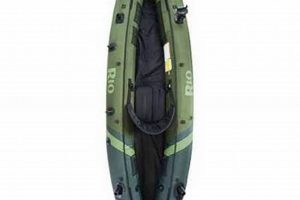
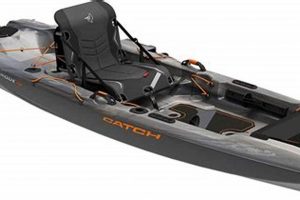
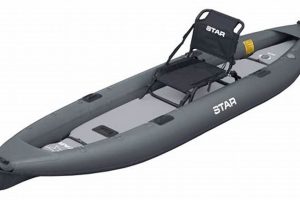
The quality and suitability of kayaks and fishing gear directly influence the success and enjoyment of a kayak fishing lodge experience in Panama. Kayaks designed for stability and maneuverability in diverse water conditions are essential. Ocean-worthy kayaks equipped with features like rod holders, storage compartments, and comfortable seating enhance fishing effectiveness and overall comfort. The choice between sit-on-top and sit-inside kayaks depends on personal preference and the specific fishing environment. Sit-on-tops offer greater stability and ease of re-entry in the event of a capsize, while sit-inside kayaks provide better protection from the elements. For example, navigating mangrove estuaries requires a maneuverable kayak capable of navigating shallow waters and tight spaces, while offshore fishing demands a stable, ocean-worthy vessel equipped for larger species. Providing appropriate kayaks demonstrates a lodge’s commitment to angler success.
The availability of suitable fishing gear further complements the kayak fishing experience. Lodges offering high-quality rods, reels, lines, lures, and other tackle appropriate for target species enhance angler preparedness. Providing a range of gear options caters to diverse fishing styles and target species. For example, lodges targeting pelagic species like tuna might offer heavy-duty spinning or trolling gear, while those specializing in inshore fishing might provide lighter tackle suitable for snook and tarpon. Maintaining well-maintained gear demonstrates professionalism and commitment to angler success. Furthermore, offering repair services and readily available replacement parts mitigates potential disruptions caused by gear malfunctions, ensuring a seamless and enjoyable fishing experience.
In conclusion, appropriate kayaks and well-maintained fishing gear constitute integral components of a successful Panama kayak fishing lodge experience. The availability of suitable equipment directly impacts angler effectiveness, comfort, and overall satisfaction. Matching kayak design and gear selection to the specific fishing environment and target species optimizes fishing success and enhances the overall experience. Investing in high-quality equipment demonstrates a lodge’s commitment to providing a superior angling experience, fostering angler confidence and contributing to a memorable and rewarding adventure.
4. Target Species

Target species significantly influence the overall experience and operational aspects of a kayak fishing lodge in Panama. The diversity of Panama’s marine life allows lodges to specialize in specific species or offer a broad range of fishing opportunities. This specialization impacts several key aspects of lodge operations, including location selection, kayak and gear choices, guiding strategies, and marketing efforts. For example, a lodge focusing on billfish like marlin and sailfish might choose a location near offshore drop-offs and equip kayaks with heavy-duty tackle and outriggers. Conversely, a lodge specializing in inshore species like snook and tarpon might operate within mangrove estuaries and provide lighter tackle and shallow-draft kayaks. This targeted approach maximizes angler success and satisfaction by aligning lodge resources with specific species preferences.
Understanding target species’ behavior and habitat is crucial for effective guiding and maximizing angler success. Guides possessing in-depth knowledge of local fish populations, migration patterns, and feeding habits play a vital role in ensuring rewarding fishing experiences. This expertise allows guides to select optimal fishing locations, recommend appropriate techniques, and advise on tackle and bait choices. Furthermore, understanding target species’ conservation status informs sustainable fishing practices. Promoting catch-and-release protocols for vulnerable species and adhering to local fishing regulations contributes to the long-term health of fish populations and the overall sustainability of the kayak fishing industry in Panama. For example, guides might emphasize catch-and-release practices for roosterfish, a prized gamefish facing conservation concerns, while encouraging the harvest of more abundant species like snapper within established limits.
Target species form a cornerstone of the Panama kayak fishing lodge experience. Aligning lodge operations with specific species enhances angler success and satisfaction, while a deep understanding of species behavior and conservation status promotes sustainable fishing practices. This approach not only benefits anglers but also contributes to the long-term health of Panama’s marine ecosystems and the continued viability of the kayak fishing tourism sector. The interplay between target species and lodge operations demonstrates a commitment to responsible tourism, enhancing both the angling experience and the preservation of Panama’s rich biodiversity.
5. Guided Tours
Guided tours represent a crucial component of the kayak fishing lodge experience in Panama, significantly enhancing angler safety and success. Local guides possess intimate knowledge of the surrounding waters, including optimal fishing locations, tides, currents, and species-specific behavior. This expertise proves invaluable, particularly for anglers unfamiliar with the area or targeting specific species. Guides provide valuable insights into effective fishing techniques, tackle selection, and bait presentation, maximizing the chances of a successful catch. Furthermore, they prioritize angler safety, navigating challenging waters, providing instruction on kayak handling, and ensuring adherence to local regulations. For example, a guide might lead anglers through intricate mangrove channels to prime snook fishing spots, demonstrating effective casting techniques and providing insights into snook behavior. Alternatively, a guide specializing in offshore fishing might navigate anglers to productive reefs or seamounts, advising on trolling techniques and assisting with the handling of larger pelagic species. This specialized knowledge distinguishes guided tours, transforming a potentially challenging experience into a rewarding and safe adventure.
The benefits of guided tours extend beyond mere fishing success. Guides also offer valuable insights into the local ecosystem, pointing out unique flora, fauna, and geological features. This enriches the overall experience, fostering appreciation for Panama’s natural beauty and biodiversity. Furthermore, guides often share local cultural insights, providing a deeper understanding of the region’s history and traditions. This interaction fosters cultural exchange and promotes responsible tourism practices. For example, a guide might share traditional fishing techniques used by indigenous communities or explain the ecological importance of mangrove forests. This educational component adds depth and meaning to the fishing experience, fostering a sense of place and connection to the local environment. Furthermore, guided tours contribute to local economies by supporting local guides and businesses, promoting sustainable tourism practices.
In conclusion, guided tours form an integral part of the Panama kayak fishing lodge experience. Local expertise enhances angler safety and success, while simultaneously fostering appreciation for Panama’s natural and cultural heritage. The insights provided by experienced guides transform a simple fishing trip into a rich and immersive experience, contributing to both personal enjoyment and the sustainable development of local communities. Choosing a lodge that offers guided tours demonstrates a commitment to angler success and responsible tourism practices, ensuring a memorable and rewarding adventure within Panama’s remarkable aquatic landscapes.
Frequently Asked Questions
This section addresses common inquiries regarding kayak fishing lodge experiences in Panama.
Question 1: What level of fishing experience is required?
Lodges cater to various skill levels, from novice to expert anglers. Guides provide instruction and support as needed, ensuring a positive experience for all. Prior kayaking experience is beneficial but not always mandatory, as instruction is often provided.
Question 2: What is the best time of year for kayak fishing in Panama?
Panama offers year-round fishing opportunities, with specific seasons favoring certain species. Dry season (December to April) generally provides calmer seas, while wet season (May to November) experiences higher rainfall but can also offer excellent fishing. Researching target species’ seasonal patterns informs optimal trip timing.
Question 3: What type of fishing gear is recommended?
Many lodges provide fishing gear, but anglers may prefer to bring their own. Recommended gear varies depending on target species. Consult with the chosen lodge for specific recommendations tailored to the local fishing conditions and target species.
Question 4: Are there any safety precautions to consider?
Safety is paramount. Adhering to lodge safety guidelines, wearing personal flotation devices, carrying communication devices, and informing staff of fishing plans are crucial. Respecting local weather conditions and avoiding fishing in hazardous areas ensures a safe and enjoyable experience.
Question 5: What are the typical costs associated with a kayak fishing lodge trip in Panama?
Costs vary depending on lodge location, accommodation type, duration of stay, and included services. Researching various lodges and comparing packages allows anglers to select an option aligning with their budget and desired experience.
Question 6: What conservation efforts are implemented by kayak fishing lodges in Panama?
Many lodges prioritize sustainable fishing practices. Promoting catch-and-release fishing for certain species, adhering to local fishing regulations, and educating anglers about environmental conservation contribute to preserving Panama’s marine ecosystems.
Thorough planning and informed decision-making ensure a rewarding and sustainable kayak fishing experience in Panama.
For further inquiries, contacting individual lodges directly provides detailed information tailored to specific needs and preferences.
Kayak Fishing Lodge Panama
Panama’s kayak fishing lodges offer a unique blend of adventure, natural beauty, and angling excitement. This exploration has highlighted key elements contributing to a successful experience, including lodge location, accommodation options, kayak and gear suitability, target species considerations, the importance of guided tours, and frequently asked questions. Strategic planning and informed decision-making are essential for maximizing enjoyment and ensuring a sustainable approach to this specialized tourism sector.
The continued growth and success of Panama’s kayak fishing lodges rely on a commitment to responsible tourism practices and the preservation of the country’s rich marine ecosystems. By prioritizing conservation efforts, supporting local communities, and providing exceptional angling experiences, these lodges contribute to a sustainable and thriving tourism sector, offering unparalleled opportunities to explore Panama’s remarkable aquatic landscapes.