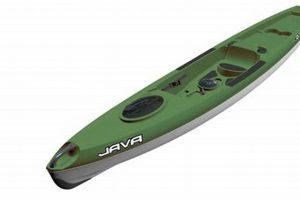
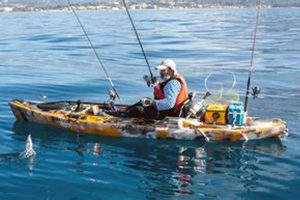
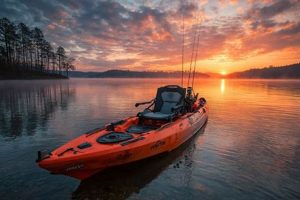
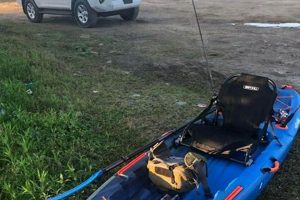
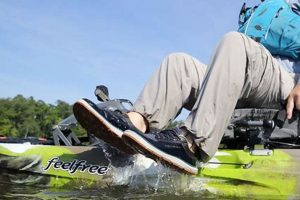
This specific model represents a type of personal watercraft designed for angling. It combines portability with stability and features specialized components like rod holders and storage compartments. The lightweight, packable nature of inflatable kayaks allows anglers to access remote fishing spots, including those unreachable by larger, traditional boats.
The portability and ease of setup offer significant advantages. Anglers can easily transport and inflate the vessel, eliminating the need for trailers and boat ramps. This design caters to individuals seeking convenience and versatility in their fishing experience, allowing them to explore diverse waterways. Further, the inflatable design often contributes to a quieter experience on the water, potentially minimizing disturbance to fish and enhancing the overall angling experience.
This exploration of specific features, performance characteristics, and user experiences will provide a comprehensive understanding of this type of watercraft and its role in the evolving landscape of recreational fishing. Topics covered will include detailed specifications, comparisons with similar models, and insights into optimal usage scenarios.
Tips for Utilizing Inflatable Fishing Kayaks
Proper usage and maintenance ensure optimal performance and longevity of inflatable fishing kayaks. The following tips offer guidance for maximizing the benefits of this specialized watercraft.
Tip 1: Inflation to Proper Pressure: Achieving correct air pressure is crucial for stability and tracking. Consult the manufacturer’s recommendations for specific pressure guidelines and utilize a high-quality pressure gauge for accurate measurements.
Tip 2: Proper Storage and Transport: Avoid dragging the inflated kayak across rough surfaces. When deflated, ensure the kayak is clean and dry before folding and storing in a protective bag to prevent damage from UV exposure and moisture.
Tip 3: Regular Inspection for Leaks and Wear: Periodically inspect the kayak for signs of wear, abrasion, or leaks. Address any issues promptly using appropriate repair kits and techniques.
Tip 4: Secure Gear and Equipment: Utilize integrated storage compartments and tie-down points to secure fishing gear, ensuring equipment remains organized and readily accessible while minimizing the risk of loss or damage.
Tip 5: Understanding Water Conditions and Safety Precautions: Prior to embarking on any fishing trip, assess water conditions, including currents, wind speeds, and potential hazards. Carry essential safety equipment, such as a personal flotation device and a whistle.
Tip 6: Proper Paddling Technique: Employ efficient paddling techniques to conserve energy and maximize maneuverability. Consider using a kayak-specific paddle for optimal performance.
Tip 7: Respect Wildlife and the Environment: Maintain a respectful distance from wildlife and avoid disturbing natural habitats. Adhere to “Leave No Trace” principles by packing out all trash and minimizing environmental impact.
Adherence to these guidelines ensures a safe and rewarding fishing experience while promoting responsible use and extending the lifespan of the inflatable kayak. These practices contribute to an enjoyable and sustainable approach to recreational fishing.
By incorporating these tips into practice, anglers can maximize their time on the water and fully appreciate the unique advantages offered by inflatable fishing kayaks. This culminates in a fulfilling and sustainable approach to enjoying the sport.
1. Inflatable Design

The inflatable design of the Aquaglide Chinook 120 fishing kayak distinguishes it from traditional hard-shell kayaks, impacting portability, storage, and overall user experience. This construction method utilizes durable, airtight materials allowing the kayak to be inflated and deflated as needed. Understanding the nuances of this design is crucial for appreciating its benefits and limitations.
- Portability and Storage:
Deflation allows for compact storage and easy transport. Unlike rigid kayaks requiring roof racks or trailers, the Chinook 120 can be packed into a dedicated bag, facilitating transport in vehicles with limited space or even on public transportation. This portability opens up access to remote fishing locations previously difficult to reach.
- Material and Construction:
Typically constructed from durable PVC or other robust synthetic fabrics, these materials are designed to withstand punctures and abrasion. Multiple air chambers enhance safety and stability, ensuring buoyancy even if one chamber is compromised. Reinforced seams and high-frequency welding contribute to overall structural integrity.
- Setup and Inflation:
Inflation is achieved using high-volume pumps, often included with the kayak. The process typically takes a few minutes, allowing for relatively quick deployment. Valves and inflation mechanisms are designed for ease of use and efficient airflow. Proper inflation pressure is essential for optimal performance and stability.
- Performance on the Water:
While inflatable kayaks might not match the rigid tracking of hard-shell kayaks, advancements in design and construction have significantly improved their performance. The Chinook 120’s inflatable design contributes to its relatively lightweight nature, influencing maneuverability and responsiveness on the water. However, wind and currents can have a more pronounced effect on tracking compared to hard-shell kayaks.
The inflatable design of the Aquaglide Chinook 120 directly influences its practicality and appeal for anglers. The benefits of portability and storage are balanced by considerations regarding on-the-water performance. Ultimately, understanding these characteristics allows for informed decisions regarding its suitability for individual fishing needs and preferences.
2. Fishing-Specific Features

The Aquaglide Chinook 120 inflatable fishing kayak distinguishes itself through features tailored for angling. These integrated design elements enhance functionality and practicality on the water, optimizing the fishing experience. Analysis of these features provides insight into the kayak’s suitability for various fishing styles and environments.
- Rod Holders:
Integrated rod holders, often adjustable and strategically positioned, allow anglers to keep fishing rods secure and readily accessible. Flush-mounted rod holders minimize interference with paddling, while adjustable holders accommodate different fishing techniques. This feature frees hands for other tasks like paddling, adjusting lures, or landing fish.
- Storage Options:
Dedicated storage compartments, including dry storage areas and bungee cord systems, provide ample space for tackle boxes, gear, and personal items. These compartments are designed to keep equipment organized and protected from the elements. The capacity and accessibility of storage contribute to the kayak’s overall utility for longer fishing trips.
- Accessory Mounts:
Integrated accessory mounts, such as D-rings and tracks, provide attachment points for fish finders, GPS units, cameras, and other fishing accessories. These mounting points expand the kayak’s versatility and customization options, catering to diverse angling needs. Compatibility with various accessories enhances the overall fishing experience.
- Stability and Platform:
The kayak’s design emphasizes stability, a crucial factor for fishing. A wide beam and a stable hull platform facilitate casting, reeling, and landing fish. The inflatable floor often provides a comfortable standing platform, enhancing sight-fishing opportunities and overall stability. This design characteristic promotes angler comfort and safety.
These integrated features contribute significantly to the Chinook 120’s appeal as a dedicated fishing platform. The combination of rod holders, storage, accessory mounts, and a stable platform elevates functionality beyond basic recreational paddling. Consideration of these features is essential when evaluating the kayak’s suitability for specific fishing styles and target species.
3. Portability and Storage

The portability and storage aspects of the Aquaglide Chinook 120 inflatable fishing kayak are defining features that significantly influence its appeal for anglers. Unlike rigid kayaks, the inflatable design allows for compact storage and simplified transport, expanding access to diverse fishing locations. Understanding the nuances of portability and storage is essential for evaluating the kayak’s overall practicality and suitability for individual needs.
- Deflated Dimensions and Weight:
The Chinook 120, when deflated, packs down to a relatively small size and weight. This compact form allows for storage in closets, car trunks, or even on public transportation. The reduced weight, compared to hard-shell kayaks, simplifies handling and transport, eliminating the need for specialized roof racks or trailers. This portability broadens accessibility for anglers with limited storage space or transportation options.
- Carrying and Transporting:
A dedicated storage bag, typically included with the kayak, facilitates transport. This bag often features backpack straps or carrying handles for convenient portability over short distances. The packed kayak’s manageable size and weight allow for easy navigation through airports, hiking trails, or public transit systems, expanding fishing opportunities beyond readily accessible boat ramps.
- Inflation and Setup Time:
While portability focuses on transport, storage considerations extend to the setup process. The Chinook 120’s inflation time, typically a few minutes with an appropriate pump, contributes to overall convenience. Rapid inflation and deflation minimize setup and teardown time, allowing anglers to maximize time on the water. This efficient process enhances the kayak’s practicality for spontaneous fishing trips or limited-time outings.
- Storage Capacity Onboard:
While the deflated kayak’s compact storage is a key advantage, onboard storage capacity during use is also relevant. The Chinook 120 offers dedicated storage compartments for fishing gear, tackle boxes, and personal items. This onboard storage enhances organization and accessibility while on the water, maximizing fishing efficiency and minimizing clutter. This feature is essential for longer fishing trips or excursions requiring specialized equipment.
The portability and storage advantages of the Aquaglide Chinook 120 directly influence its suitability for diverse fishing scenarios. The compact packed size, simplified transport, and efficient setup process expand accessibility to remote fishing locations and cater to anglers seeking a convenient and versatile fishing platform. These characteristics, combined with onboard storage solutions, contribute significantly to the kayak’s overall appeal within the inflatable fishing kayak market.
4. Stability and Performance

Stability and performance are critical interconnected factors influencing the Aquaglide Chinook 120 inflatable fishing kayak’s suitability for its intended purpose. Stability directly impacts an angler’s ability to cast, reel, and land fish effectively, while performance encompasses tracking, maneuverability, and speed. The inflatable nature of the kayak presents specific design challenges and advantages regarding these aspects.
The Chinook 120’s wide beam and inflatable floor contribute to its stability. The wider base provides a more stable platform, particularly beneficial when standing to cast or fight larger fish. The inflatable floor, often featuring a drop-stitch construction, enhances rigidity and minimizes flex, further contributing to a stable fishing platform. However, inflatable kayaks are generally more susceptible to wind drift compared to hard-shell kayaks. This characteristic requires anglers to adjust paddling techniques and consider wind conditions when planning fishing trips. The kayak’s performance in terms of speed and tracking is also influenced by its inflatable design. While advancements in hull design have improved tracking, inflatable kayaks generally do not track as straight as hard-shell kayaks. This can affect long-distance paddling efficiency and require more frequent course corrections. However, the Chinook 120’s relatively lightweight nature can contribute to maneuverability in tight spaces, making it suitable for navigating shallow waters or maneuvering around obstacles like fallen trees or rocks.
Understanding the interplay between stability and performance in the Chinook 120 is essential for informed decision-making. Anglers prioritizing stability for sight fishing or stand-up casting will find the kayak’s wide beam and stable floor advantageous. However, those seeking optimal tracking and speed for long-distance paddling may experience limitations. The Chinook 120’s performance characteristics are best suited for calm waters and shorter distances, where stability and maneuverability are prioritized over outright speed. Recognizing these performance characteristics enables anglers to make informed choices based on individual fishing styles, target species, and preferred fishing environments. Ultimately, balancing stability with performance considerations is key to maximizing the Chinook 120’s potential as a versatile fishing platform.
5. Durability and Construction

Durability and construction are paramount for inflatable kayaks, particularly those designed for fishing like the Aquaglide Chinook 120. These vessels face potential hazards such as submerged rocks, abrasive shorelines, and fish hooks, necessitating robust construction to withstand regular use and potential impacts. The materials used, construction techniques employed, and overall design directly influence the kayak’s lifespan and resistance to damage.
The Chinook 120 typically utilizes durable PVC or other robust synthetic fabrics designed to resist punctures and abrasion. Reinforced seams and high-frequency welding further enhance structural integrity. Multiple air chambers provide redundancy in the event of a puncture, ensuring the kayak remains buoyant even if one chamber is compromised. These design elements contribute to the kayak’s ability to withstand the rigors of fishing environments. For example, a thicker PVC material with a higher denier count offers increased resistance to punctures from sharp objects. Similarly, reinforced seams in high-stress areas, like the bow and stern, contribute to longevity by preventing premature wear and tear. The practical significance of robust construction becomes evident in scenarios like dragging the kayak over rocky terrain during launch or retrieval. A durable hull material minimizes the risk of damage, ensuring continued performance and longevity. Furthermore, resistance to UV degradation is crucial for maintaining material integrity, particularly in regions with intense sunlight. A kayak constructed with UV-resistant materials will experience a longer lifespan compared to one susceptible to sun damage.
Understanding the durability and construction of the Aquaglide Chinook 120 provides valuable insights into its long-term performance and overall value. Durable materials and robust construction translate to a kayak capable of withstanding the demands of regular fishing use, minimizing the risk of premature failure and maximizing the return on investment. Investing in a well-constructed inflatable kayak ensures reliable performance and extended lifespan, allowing anglers to focus on the fishing experience rather than equipment concerns. Ultimately, the durability and construction quality directly influence the kayak’s ability to provide reliable service over time, contributing significantly to user satisfaction and long-term value.
6. User experience and reviews

User experiences and reviews offer valuable insights into the practical performance and overall satisfaction associated with the Aquaglide Chinook 120 inflatable fishing kayak. These firsthand accounts provide perspectives beyond manufacturer specifications, encompassing real-world usage scenarios, potential limitations, and overall value assessments. Examining user feedback contributes significantly to a comprehensive understanding of the kayak’s strengths and weaknesses.
- On-Water Performance:
User reviews often detail the kayak’s on-water performance, including tracking, stability, and maneuverability. Experiences navigating various water conditions, such as calm lakes, slow-moving rivers, or mild currents, provide practical insights. Reviews might highlight the kayak’s stability during casting or its responsiveness to paddling input. Observations regarding wind drift or tracking challenges offer valuable context beyond laboratory testing.
- Fishing-Specific Features:
User feedback regarding fishing-specific features, like rod holders, storage compartments, and accessory mounts, provides practical assessments of their functionality and convenience. Reviews often describe the ease of use, effectiveness, and overall utility of these features. Comments on rod holder placement, storage capacity, and accessory compatibility offer valuable insights for prospective buyers considering specific fishing styles or equipment needs.
- Durability and Construction Quality:
Long-term durability assessments, often found in user reviews, contribute significantly to understanding the kayak’s resilience and overall construction quality. Feedback on material durability, seam integrity, and resistance to punctures or abrasion provides valuable insights into the kayak’s ability to withstand regular use and potential impacts. These real-world observations complement manufacturer claims and offer practical perspectives on long-term performance expectations.
- Setup and Portability:
User experiences regarding the kayak’s setup and portability offer practical insights into the convenience and ease of use. Reviews often detail the inflation process, including the time required and the effectiveness of included pumps. Comments on the packed size, weight, and ease of transport provide valuable perspectives for individuals considering the kayak’s portability for various travel scenarios. These firsthand accounts offer valuable context for assessing the kayak’s practicality for different fishing locations and transportation options.
Synthesizing user experiences and reviews provides a comprehensive understanding of the Aquaglide Chinook 120’s strengths and limitations. This information complements manufacturer specifications and marketing materials, offering practical insights into real-world performance, durability, and overall user satisfaction. Considering these diverse perspectives contributes to informed purchasing decisions and realistic expectations regarding the kayak’s suitability for individual fishing needs and preferences. Ultimately, user feedback provides a crucial layer of information for evaluating the kayak’s overall value proposition within the competitive landscape of inflatable fishing kayaks.
7. Price and Value Proposition
The price and value proposition of the Aquaglide Chinook 120 inflatable fishing kayak are crucial factors influencing purchasing decisions. Evaluating the kayak’s features, performance, and durability relative to its cost determines its overall value within the competitive landscape of inflatable fishing kayaks. Understanding this balance is essential for discerning informed purchases and maximizing return on investment.
- Competitive Pricing Analysis:
Analyzing the Chinook 120’s price relative to comparable inflatable fishing kayaks provides context for assessing its value proposition. Comparing features, materials, and construction quality across similar models reveals whether the Chinook 120 offers competitive value at its price point. This analysis considers factors like included accessories, storage capacity, and overall performance characteristics. Discerning whether the kayak is priced competitively within its segment clarifies its value relative to alternatives.
- Features and Functionality Justification:
Evaluating the kayak’s features and functionality relative to its cost determines whether the included features justify the price. Assessing the utility of integrated rod holders, storage compartments, accessory mounts, and other specialized fishing features reveals their practical value. Determining if these features align with individual fishing needs and preferences clarifies their contribution to the overall value proposition. This assessment considers the practical benefits offered by each feature and their contribution to the overall fishing experience.
- Durability and Long-Term Value:
Durability significantly influences long-term value. A kayak constructed with high-quality materials and robust construction techniques offers greater long-term value than a less durable option, even if the initial cost is higher. Assessing the kayak’s resistance to punctures, abrasion, and UV degradation contributes to understanding its long-term value potential. A durable kayak minimizes the risk of premature failure, maximizing the return on investment over time. This long-term perspective is crucial for evaluating the overall value proposition beyond the initial purchase price.
- Target Audience and Intended Use Case:
The kayak’s value proposition varies depending on the target audience and intended use case. Anglers seeking a highly portable and versatile kayak for occasional fishing trips might find the Chinook 120’s value proposition compelling. However, those requiring a high-performance kayak for frequent use in demanding conditions might prioritize different features and consider higher-priced alternatives. Aligning the kayak’s features and performance with specific fishing needs and usage patterns determines its value for individual anglers. This targeted approach clarifies the kayak’s suitability for diverse fishing styles and preferences.
Ultimately, the Aquaglide Chinook 120’s value proposition hinges on the interplay between its price, features, performance, and durability. A comprehensive assessment considering these factors, combined with competitive analysis and user feedback, provides a holistic understanding of its value within the inflatable fishing kayak market. This informed perspective empowers potential buyers to make sound decisions aligned with individual needs, budgets, and fishing aspirations. Discerning value transcends the initial price tag and encompasses long-term performance, durability, and overall user satisfaction.
Frequently Asked Questions
This section addresses common inquiries regarding the Aquaglide Chinook 120 inflatable fishing kayak, providing concise and informative responses to facilitate informed decision-making.
Question 1: What is the weight capacity of the Chinook 120?
The weight capacity typically ranges between 400-500 lbs, accommodating one to two anglers plus gear. Specific capacity information is available in the product specifications.
Question 2: How long does inflation take?
Using the included high-volume pump, inflation typically takes 5-10 minutes. Actual inflation time may vary based on pump type and user experience.
Question 3: What materials are used in its construction?
The Chinook 120 is typically constructed from durable PVC or other robust synthetic materials designed for puncture resistance and UV protection. Specific material details are available in the product specifications.
Question 4: How does it perform in windy conditions?
While the kayak offers reasonable stability, inflatable kayaks are generally more susceptible to wind drift than hard-shell kayaks. Proper paddling techniques and awareness of wind conditions are recommended.
Question 5: What is the warranty coverage?
Warranty coverage varies depending on the manufacturer and region. Specific warranty details are available in the product documentation or on the manufacturer’s website.
Question 6: Is it suitable for use in saltwater environments?
Yes, the Chinook 120 is designed for use in both freshwater and saltwater environments. Proper rinsing and maintenance are essential after saltwater use to prevent corrosion or material degradation.
Understanding these frequently asked questions contributes to informed evaluations of the Aquaglide Chinook 120, clarifying key aspects of its performance, durability, and suitability for diverse fishing scenarios.
For further information or specific inquiries, consulting the manufacturer’s website or authorized dealers is recommended. Additional resources, including user forums and online reviews, can provide valuable insights from firsthand experiences.
Conclusion
The Aquaglide Chinook 120 inflatable fishing kayak presents a compelling option for anglers seeking portability, stability, and specialized features. Its inflatable design facilitates convenient transport and storage, expanding access to diverse fishing locations. Integrated rod holders, storage compartments, and accessory mounts enhance on-the-water functionality. While performance characteristics like tracking and speed might not match those of hard-shell kayaks, the Chinook 120’s stability and maneuverability make it well-suited for calm waters and shorter distances. Durability and construction quality contribute to its long-term value, while user experiences and reviews offer practical insights into real-world performance. Price considerations, relative to features and comparable models, position the Chinook 120 within the competitive landscape of inflatable fishing kayaks.
Careful consideration of individual fishing needs, preferences, and target environments remains essential for informed purchasing decisions. Understanding the Chinook 120’s strengths and limitations, balanced against its price and value proposition, empowers anglers to make informed choices. Continued advancements in inflatable kayak technology promise further enhancements in performance and functionality, expanding opportunities for anglers seeking portable and versatile fishing platforms.