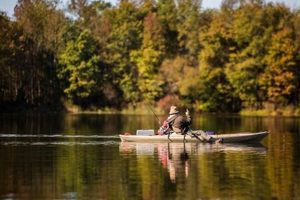
Pre-owned kayaks designed for two paddlers and outfitted for angling represent a significant segment of the kayak market. These watercraft typically feature specialized seating, rod holders, and storage compartments for tackle and gear.
Acquiring a previously owned fishing kayak built for two offers potential cost savings compared to new models. This allows individuals to explore the sport with a partner without a large initial investment. The availability of such craft also provides access to higher-end models or specialized features that might otherwise be financially unattainable. Sharing the paddling workload and the fishing experience can enhance enjoyment and create lasting memories on the water. Furthermore, the increased stability of tandem kayaks can be beneficial for anglers new to the sport or those fishing in challenging conditions.
This discussion will further explore key aspects of selecting and utilizing these versatile vessels, including evaluating condition, assessing essential features, and considering various manufacturers and models.
Tips for Acquiring Pre-Owned Tandem Fishing Kayaks
Careful consideration of several factors will aid in selecting a suitable pre-owned tandem fishing kayak.
Tip 1: Thorough Inspection is Crucial: Examine the hull for cracks, deep scratches, or repairs. Pay close attention to areas around fittings and seams. Check for signs of wear and tear on seats, hatches, and other components.
Tip 2: Evaluate Stability and Tracking: Research the specific model’s performance characteristics. Consider the intended fishing environment and the combined weight of paddlers and gear. A stable and well-tracking kayak is essential for a safe and enjoyable experience.
Tip 3: Assess Storage Capacity: Adequate storage for fishing rods, tackle boxes, and other equipment is essential. Evaluate the size, accessibility, and dryness of storage compartments.
Tip 4: Consider Seating Comfort and Adjustability: Comfortable and adjustable seating is crucial for long days on the water. Look for seats that offer good back support and can be adjusted to accommodate different paddler sizes.
Tip 5: Verify Included Accessories: Determine which accessories, such as paddles, rod holders, or anchors, are included in the sale. Factor the cost of purchasing any missing or desired accessories into the overall price.
Tip 6: Research the Manufacturer and Model: Investigate the manufacturer’s reputation for quality and durability. Read reviews and compare specifications of different models to identify the best fit for individual needs.
Tip 7: Negotiate a Fair Price: Research comparable models and their current market value to determine a reasonable offer. Be prepared to walk away if the seller is unwilling to negotiate a fair price.
By following these guidelines, purchasers can increase the likelihood of acquiring a reliable and well-suited vessel for shared fishing adventures.
These insights aim to equip prospective buyers with the knowledge necessary to make informed decisions and enjoy their time on the water.
1. Condition

Condition significantly impacts the value, safety, and performance of pre-owned tandem fishing kayaks. Hull integrity is paramount. Scratches and superficial blemishes rarely affect functionality, but deep gouges, cracks, or repairs warrant closer inspection. These could indicate structural weakness or previous damage that might compromise seaworthiness. For example, a repaired puncture near a seam might be susceptible to leaks under stress. UV exposure, common in used kayaks, can degrade plastic, leading to brittleness and reduced lifespan. Faded color or a chalky texture suggests significant sun exposure and potential weakening of the material.
Beyond the hull, assessing the condition of hardware and accessories is crucial. Corrosion on metal fittings, worn-out seating, and damaged hatches can impact performance and comfort. A kayak with rusted rod holders or a cracked seat back might require immediate replacement of these components, adding to the overall cost. Similarly, malfunctioning rudder systems or damaged foot braces can negatively affect maneuverability and control. A thorough inspection, including testing all moving parts, is essential to gauge the true condition and identify potential maintenance needs.
Evaluating condition accurately informs purchasing decisions. A kayak in excellent condition might justify a higher price, while one requiring repairs offers room for negotiation. Understanding the impact of condition on performance and safety ensures a wise investment and enjoyable paddling experience. Ignoring potential issues can lead to costly repairs, safety risks, and diminished enjoyment on the water.
2. Features
Features significantly differentiate used tandem fishing kayaks, impacting their suitability for specific angling styles and user preferences. Built-in rod holders, for instance, offer hands-free fishing and convenient rod storage, crucial for trolling or targeting specific species. Adjustable seating systems enhance comfort during long fishing trips, accommodating diverse body types and paddling styles. A well-designed seat back, for example, can mitigate fatigue and improve casting accuracy. Ample storage, including dedicated compartments for tackle boxes and gear, streamlines organization and access, crucial for maintaining an efficient fishing setup. A kayak with insufficient storage can lead to a cluttered cockpit and hinder maneuverability.
Specialized features, such as integrated fish finders or GPS systems, elevate the angling experience. These technologies enhance situational awareness, aiding in locating fish and navigating waterways. A pre-owned kayak equipped with these features can offer significant value compared to purchasing them separately. Similarly, rudder systems contribute to improved tracking and maneuverability, especially in challenging conditions like wind or currents. A rudder-equipped kayak allows anglers to maintain course and navigate tight spots more effectively, enhancing fishing efficiency and safety. Furthermore, features like anchor trolleys facilitate controlled drift fishing, allowing anglers to maintain position and cover specific areas thoroughly. The presence and condition of these features should be carefully evaluated when considering a used tandem fishing kayak.
Careful consideration of features aligns kayak selection with specific fishing needs and preferences. Evaluating features based on intended fishing style, target species, and desired comfort levels ensures a suitable and productive fishing platform. Overlooking key features can lead to compromised performance and diminished enjoyment on the water. Prioritizing essential features and assessing their condition ensures a worthwhile investment and enhances the overall fishing experience.
3. Stability

Stability represents a critical performance attribute in used tandem fishing kayaks, directly influencing safety and angling effectiveness. A stable platform allows anglers to cast, reel, and land fish without compromising balance, especially crucial when handling larger species or fishing in challenging conditions. Increased stability minimizes the risk of capsizing, a significant safety concern, particularly in open water or adverse weather. Wider hulls and lower centers of gravity generally contribute to enhanced stability, making them suitable for anglers new to kayaking or those prioritizing a secure and predictable paddling experience. For instance, a wider, flatter-bottomed hull offers greater initial stability, resisting tipping when entering or exiting the kayak or when shifting weight during fishing activities. Conversely, narrower, more V-shaped hulls, while potentially faster, can feel less stable, particularly for less experienced paddlers.
Evaluating stability in used tandem kayaks requires careful consideration of hull design, length, and width. Examining the kayak for signs of previous damage or repairs that could compromise structural integrity and affect stability is essential. Damage to the keel or chines, for example, can significantly impact tracking and stability. Furthermore, understanding the intended use environment influences stability requirements. Calm lakes and slow-moving rivers demand less stability than open ocean or turbulent waters. Similarly, the combined weight of paddlers and gear affects performance. Exceeding the manufacturer’s recommended weight capacity can negatively impact stability and increase the risk of capsizing. Testing the kayak’s stability on the water before purchase, if possible, provides valuable firsthand experience and confirms suitability for individual needs.
Prioritizing stability contributes significantly to a safe and enjoyable fishing experience. A stable kayak fosters confidence, allowing anglers to focus on fishing rather than maintaining balance. This enhances casting accuracy, reduces fatigue, and promotes efficient angling techniques. Ignoring stability considerations can compromise safety, limit fishing effectiveness, and diminish overall enjoyment on the water. Thorough assessment of stability characteristics ensures a suitable platform for successful and worry-free fishing excursions.
4. Capacity

Capacity in used tandem fishing kayaks encompasses several crucial factors that directly influence functionality and user experience. Understanding these facets is essential for selecting a vessel appropriate for intended use and ensuring comfortable and efficient fishing excursions.
- Weight Capacity
Weight capacity dictates the maximum combined weight of paddlers, gear, and any additional cargo the kayak can safely support. Exceeding this limit compromises stability, reduces freeboard, and increases the risk of capsizing. A kayak with insufficient weight capacity for two adults, fishing gear, and potential catches can create a precarious and unsafe situation, particularly in challenging conditions. Checking the manufacturer’s specified weight capacity is crucial before purchasing a used tandem kayak. For example, a kayak rated for 500 lbs. may be suitable for two larger adults with substantial gear, while a 400 lb. capacity might be better suited for smaller individuals or lighter loads.
- Storage Capacity
Storage capacity dictates the amount of gear and personal items that can be stowed securely within the kayak. Ample storage is essential for accommodating fishing rods, tackle boxes, safety equipment, and personal belongings. Dedicated compartments for specific items enhance organization and accessibility. A kayak with insufficient storage can lead to a cluttered cockpit, hindering movement and potentially compromising safety. For example, a kayak with dedicated rod holders, a large rear storage well, and smaller sealed hatches offers convenient and organized storage for various items, while a kayak with limited storage space may require external storage solutions or necessitate leaving essential gear behind.
- Cockpit Space
Cockpit space, while not directly related to storage, influences comfort and freedom of movement within the kayak. Adequate cockpit space allows for comfortable seating, ease of entry and exit, and sufficient room for casting and reeling. A cramped cockpit can restrict movement, leading to discomfort and potentially hindering fishing activities. Tandem kayaks designed with larger cockpits offer greater freedom of movement, accommodating anglers of different sizes and facilitating various fishing techniques. A kayak with ample legroom and space for adjusting seating positions enhances comfort, especially during long fishing trips.
- Size and Dimensions
The overall size and dimensions of the kayak influence its capacity in multiple ways. Longer kayaks typically offer greater storage capacity and tracking performance, but may be more challenging to maneuver in tight spaces. Wider kayaks provide enhanced stability but sacrifice some speed and maneuverability. The kayak’s length and width should be considered in relation to intended use and storage capabilities. A longer, wider kayak might be ideal for open water fishing with ample gear, while a shorter, narrower model might be more suitable for smaller lakes and rivers with limited storage space. Evaluating the kayak’s dimensions in relation to transportation and storage logistics is also essential. A longer kayak may require a specialized roof rack or trailer for transport and may not fit in standard garage storage spaces.
Understanding these capacity-related facets ensures informed decision-making when selecting a used tandem fishing kayak. Prioritizing appropriate weight capacity, ample storage, sufficient cockpit space, and suitable dimensions leads to a safe, comfortable, and efficient fishing experience. Overlooking these factors can compromise performance, limit functionality, and diminish overall enjoyment on the water. By carefully evaluating capacity considerations, anglers can choose a used tandem kayak that effectively meets their specific needs and enhances their fishing adventures.
5. Price

Price represents a significant factor influencing the acquisition of used tandem fishing kayaks. Several variables contribute to price fluctuations within this market segment. Kayak condition, including hull integrity, wear and tear on components, and the presence of any repairs, directly impacts value. A kayak in pristine condition commands a higher price compared to one exhibiting significant use or requiring repairs. Feature sets also contribute to price variations. Models equipped with advanced features like integrated fish finders, rudder systems, or high-end seating systems typically command higher prices than basic models. Brand recognition and model popularity also play a role. Kayaks from reputable manufacturers known for quality and durability often retain value better than lesser-known brands. Furthermore, the age of the kayak influences its market price. Newer models, even used, generally command higher prices than older models due to perceived reduced wear and tear and potentially remaining warranty coverage. Market demand and seasonal fluctuations also contribute to price dynamics. High demand during peak fishing seasons can drive prices upward, while lower demand during the off-season may lead to more competitive pricing.
For example, a lightly used, recent-model tandem kayak from a reputable manufacturer with specialized fishing features and in excellent condition might fetch a price closer to its original retail value. Conversely, an older model with visible wear, basic features, and requiring minor repairs would likely be priced significantly lower. Understanding these factors allows potential buyers to assess market value effectively and negotiate fair prices. Overlooking these variables can lead to overpaying for a used kayak or missing out on a valuable deal. Researching comparable models, considering condition and features, and understanding market trends empower informed purchasing decisions. Furthermore, evaluating the total cost of ownership, including potential repair or upgrade costs, provides a comprehensive understanding of the financial implications associated with acquiring a used tandem fishing kayak. For instance, a seemingly inexpensive kayak requiring significant repairs or missing essential accessories might ultimately prove more costly than a slightly higher-priced model in better condition and with included features.
Careful consideration of price in relation to condition, features, brand, age, and market dynamics is crucial for making informed purchasing decisions in the used tandem fishing kayak market. This understanding empowers buyers to identify value, negotiate effectively, and acquire a kayak that aligns with both budgetary constraints and desired specifications. Failure to account for these factors can lead to financial missteps and diminished satisfaction with the purchase. By analyzing price in conjunction with other key attributes, potential buyers can maximize their investment and secure a suitable tandem fishing kayak for enjoyable shared paddling and angling experiences.
Frequently Asked Questions about Pre-Owned Tandem Fishing Kayaks
This section addresses common inquiries regarding the acquisition and utilization of pre-owned tandem fishing kayaks. Clarity on these points facilitates informed decision-making and promotes successful kayak fishing experiences.
Question 1: What are the primary advantages of purchasing a pre-owned tandem fishing kayak?
Cost savings represent the most significant advantage. Pre-owned kayaks often sell for considerably less than new models, allowing acquisition of higher-specification vessels within a given budget. This can provide access to features otherwise unattainable in a new kayak at the same price point.
Question 2: What are the key considerations when inspecting a used tandem fishing kayak?
Hull integrity should be prioritized, checking for cracks, deep scratches, or repairs. Assessing hardware condition, including seats, hatches, and rudder systems, is essential. Evaluating stability, storage capacity, and included accessories further informs purchasing decisions.
Question 3: How does one determine the appropriate weight capacity for a tandem fishing kayak?
Manufacturer specifications provide guidance on weight capacity. The combined weight of paddlers, gear, and anticipated catches should remain well within this limit. Exceeding weight capacity compromises stability and safety.
Question 4: What features should one prioritize in a used tandem fishing kayak?
Essential features include rod holders, ample storage compartments for tackle and gear, comfortable and adjustable seating, and a stable hull design. Additional features like rudder systems, anchor trolleys, or integrated fish finders enhance functionality based on individual angling styles.
Question 5: Where can one find reputable sellers of used tandem fishing kayaks?
Online marketplaces, classified advertisements, local paddling shops, and specialized kayak retailers often offer pre-owned kayaks. Reputable sellers provide accurate descriptions, clear photographs, and opportunities for thorough inspections before purchase.
Question 6: What maintenance considerations apply to used tandem fishing kayaks?
Regular cleaning, proper storage, and periodic inspections contribute to the longevity and performance of used kayaks. Addressing minor repairs promptly prevents further damage. Storing the kayak out of direct sunlight and protecting it from extreme temperatures helps maintain hull integrity.
Thorough consideration of these frequently asked questions equips prospective buyers with the knowledge necessary to navigate the used tandem fishing kayak market effectively. Prioritizing safety, functionality, and value ensures a satisfying purchase and enjoyable fishing experiences.
The next section will explore specific models and manufacturers of used tandem fishing kayaks to further assist in the selection process.
Conclusion
Pre-owned tandem fishing kayaks offer a viable pathway to enjoying shared angling adventures. Careful consideration of condition, features, stability, capacity, and price ensures a suitable vessel for diverse needs and budgets. Thorough inspections, informed decision-making, and prioritization of essential attributes contribute to successful acquisition and utilization of these specialized watercraft. Understanding the interplay of these factors empowers informed purchases and enhances on-the-water experiences.
Strategic acquisition of these vessels opens opportunities for shared exploration and enjoyment of diverse waterways. Focus on these key elements contributes to safe, rewarding, and memorable fishing excursions, fostering connection with nature and promoting responsible stewardship of aquatic environments.