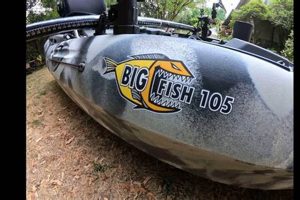
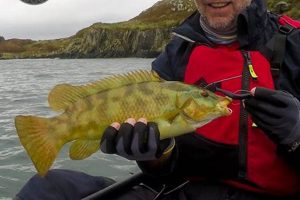
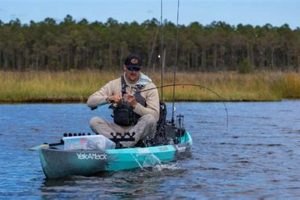
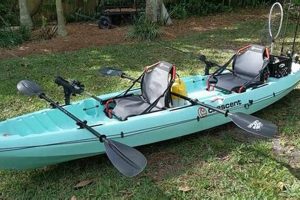
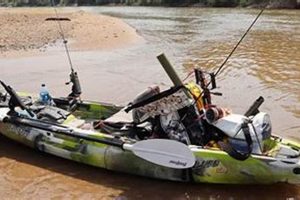
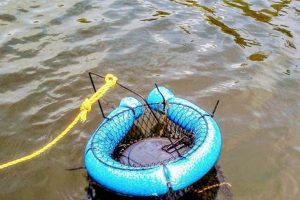
The confluence of the Sacramento and American Rivers, along with various sloughs, lakes, and tributaries, creates a rich and diverse ecosystem ideal for angling from small, human-powered vessels. This activity offers a unique blend of recreation, sport, and connection with nature within a readily accessible urban environment.
This pursuit provides numerous advantages. The maneuverability of these small craft allows access to shallow waters and secluded areas inaccessible to larger boats, increasing opportunities to encounter various fish species. The quiet nature of paddling minimizes disturbance to aquatic life, potentially improving fishing success. Furthermore, this approach offers a low-impact, environmentally friendly way to experience the regions waterways. Historically, the area has been utilized for fishing by indigenous communities for sustenance. Modern anglers continue this tradition, employing contemporary techniques and equipment while enjoying the same natural resources.
This article will delve into specific locations, recommended equipment, and techniques for maximizing angling opportunities within the Sacramento area waterways. It will also address relevant regulations, safety considerations, and the ecological importance of responsible fishing practices.
Tips for Kayak Fishing in the Sacramento Area
Successful angling from a kayak in the Sacramento region requires preparation and adherence to best practices. The following tips offer guidance for a safe and productive experience.
Tip 1: Research Regulations and Obtain Necessary Permits. Understanding current fishing regulations, including license requirements and size/catch limits for specific species, is crucial before embarking on any fishing trip. Resources such as the California Department of Fish and Wildlife website provide detailed information.
Tip 2: Choose the Right Kayak and Gear. Kayak selection depends on individual needs and the intended fishing environment. Sit-on-top kayaks are generally preferred for stability and ease of entry/exit. Essential gear includes appropriate paddles, personal flotation devices (PFDs), and a well-organized tackle box.
Tip 3: Plan Your Route and Check Weather Conditions. Prioritize safety by checking weather forecasts and water conditions before heading out. Inform someone of your intended route and estimated return time. Carry a map or GPS device and be aware of potential hazards such as currents, debris, and changing weather patterns.
Tip 4: Practice Proper Kayak Handling Techniques. Familiarize oneself with basic paddling strokes and maneuvering techniques. This ensures efficient navigation and enhances safety, particularly in challenging conditions.
Tip 5: Employ Effective Fishing Techniques. Techniques vary depending on targeted species. Researching effective methods for local fish, such as trolling, casting, or jigging, increases the likelihood of success. Consider local bait shops or online resources.
Tip 6: Prioritize Safety and Respect the Environment. Always wear a PFD, carry a whistle or other signaling device, and be mindful of other boaters and wildlife. Practice Leave No Trace principles, packing out all trash and minimizing disturbance to the natural environment.
Tip 7: Utilize Local Resources. Local bait shops and fishing guides can provide valuable insights into current fishing conditions, successful techniques, and recommended equipment for the region.
Adherence to these guidelines promotes a safe, enjoyable, and successful kayak fishing experience while contributing to the preservation of the Sacramento area’s valuable aquatic resources.
By incorporating these tips into pre-trip planning and on-the-water practices, anglers can contribute to a sustainable and rewarding fishing environment for all.
1. River Access
Convenient and safe river access is fundamental to a successful kayak fishing experience in the Sacramento area. The region offers numerous launch points, but understanding their characteristics and suitability for kayaks is essential for maximizing fishing time and ensuring safety.
- Launch Types
Launch sites vary from developed boat ramps with paved parking and restrooms to informal dirt banks. Developed ramps, while offering convenience, may experience higher boat traffic. Informal launches offer tranquility but may require careful navigation and assessment of suitability for kayak launching. Choosing an appropriate launch type contributes significantly to the overall experience.
- Accessibility Considerations
Accessibility features such as docks, ramps, and adequate parking are important factors to consider. Anglers with mobility limitations should research accessible launch sites beforehand. Understanding the terrain and potential obstacles at each launch point is crucial for safe and efficient entry and exit from the water.
- Location and Proximity to Fishing Areas
The proximity of a launch site to desired fishing areas significantly impacts angling efficiency. Consider travel time on the water and potential paddling distances when selecting a launch point. Utilizing online mapping resources or consulting local fishing guides can aid in identifying optimal launch locations.
- Current and Tide Influences
River currents and tidal fluctuations, particularly in areas closer to the Sacramento-San Joaquin Delta, influence launch conditions and overall safety. Checking current forecasts and tide charts is essential before launching. Understanding these factors allows anglers to choose appropriate launch times and plan routes effectively.
Careful consideration of these river access factors contributes significantly to a positive and productive kayak fishing outing in Sacramento. Selecting an appropriate launch point facilitates efficient access to prime fishing locations while prioritizing safety and minimizing environmental impact.
2. Equipment Selection

Appropriate equipment selection significantly impacts success and safety while kayak fishing in the Sacramento area. The unique characteristics of the regions waterways, including river currents, varying water depths, and diverse fish species, necessitate careful consideration of gear choices. A well-chosen kayak, paddle, and fishing tackle enhance angling effectiveness and contribute to a more enjoyable experience.
Kayak selection often prioritizes stability and maneuverability. Shorter, wider kayaks offer greater stability, especially in slower-moving water or when casting. Longer, narrower kayaks provide increased speed and efficiency for covering greater distances or navigating currents. Sit-on-top kayaks are generally preferred for their self-bailing capabilities and ease of re-entry after an accidental capsize. Selecting a kayak suited to the intended fishing environment and personal preferences improves comfort and performance.
Paddle choice influences paddling efficiency and comfort. Lightweight paddles reduce fatigue during long outings. Paddle length should be appropriate for the paddler’s height and kayak width. Fishing-specific paddles often feature integrated features like hook retrievers or measuring tools. Appropriate fishing tackle selection depends on the targeted species. Local bait shops offer valuable insights into effective lures and bait for the Sacramento region. Rod and reel combinations should be appropriately sized for the targeted fish and fishing style. Essential safety equipment includes a personal flotation device (PFD), a whistle, and a first-aid kit.
Careful equipment selection, informed by the specific conditions of kayak fishing in Sacramento, contributes significantly to a safe, productive, and enjoyable outing. Prioritizing appropriate gear enhances angling success while ensuring safety on the water. The interplay between equipment choice and the unique characteristics of the Sacramento area waterways highlights the practical significance of informed decision-making in this pursuit.
3. Safety Procedures

Safety procedures are paramount in kayak fishing within the Sacramento area waterways. The dynamic nature of rivers, combined with potential hazards such as currents, debris, and changing weather conditions, necessitates meticulous attention to safety protocols. Negligence in this area can lead to serious consequences, including capsizing, injury, or even fatality. Understanding and implementing appropriate safety measures significantly mitigates risks and ensures a more positive experience.
A key safety component involves wearing a properly fitted personal flotation device (PFD). PFDs provide essential buoyancy in the event of capsizing, increasing the likelihood of self-rescue or successful recovery by others. Carrying a whistle or other signaling device allows communication in emergencies. Checking weather forecasts before embarking on a fishing trip allows anglers to avoid potentially hazardous conditions. Informing someone of the intended fishing location and estimated return time provides an additional layer of security. Carrying a waterproof communication device, such as a cell phone in a waterproof case, enables contact in case of unforeseen circumstances.
Understanding and respecting the specific challenges of the Sacramento area waterways is essential for safe kayak fishing. Swift currents, particularly during periods of increased water flow, can pose significant risks. Navigating around submerged debris requires caution and careful observation. Sudden weather changes can create challenging conditions on the water. Prioritizing safety procedures, coupled with awareness of potential hazards, contributes significantly to a secure and enjoyable kayak fishing experience in Sacramento. Implementing these practices enhances personal safety while promoting responsible use of the region’s waterways.
4. Fishing Techniques
Effective fishing techniques are crucial for successful kayak angling in the Sacramento region. The specific techniques employed directly influence catch rates and overall angling satisfaction. The diverse aquatic environment, encompassing both river and lake systems, presents varied opportunities for employing different approaches. Matching techniques to the target species and prevailing conditions maximizes angling success. For example, trolling with deep-diving lures can be effective for targeting salmon in the Sacramento River, while casting lighter lures or bait near shoreline structures may yield better results for bass in local lakes.
Adapting fishing techniques to the unique constraints of kayak fishing is essential. Maneuvering a kayak while simultaneously managing fishing gear requires practice and coordination. Techniques such as drift fishing, where the kayak is allowed to drift naturally with the current while presenting bait or lures, can be particularly effective. Utilizing anchor systems designed for kayaks allows anglers to maintain position in specific locations. Understanding the influence of currents and tidal flows on fish behavior informs technique selection. Local knowledge, gained through resources like bait shops or online forums, often provides valuable insights into productive fishing locations and preferred techniques.
Proficiency in appropriate fishing techniques significantly enhances the kayak fishing experience in the Sacramento area. Adapting traditional techniques to the specific environment and constraints of kayak fishing maximizes efficiency and success. The connection between technique and outcome underscores the practical importance of refining fishing skills tailored to this unique angling platform. Understanding this relationship allows anglers to approach kayak fishing with greater preparedness and increases the likelihood of a rewarding experience.
5. Local Regulations

Adherence to local regulations is essential for responsible and sustainable kayak fishing within the Sacramento area. These regulations, established by the California Department of Fish and Wildlife (CDFW), govern aspects such as licensing requirements, catch limits, and permitted fishing methods. They serve to protect fish populations, maintain ecological balance, and ensure equitable access to resources for all anglers. Ignoring these regulations can result in fines, suspension of fishing privileges, and contribute to the degradation of the local aquatic environment. For example, exceeding catch limits for certain species, such as striped bass, can negatively impact population numbers and disrupt the natural food chain. Using illegal fishing methods, such as netting, can indiscriminately harm non-target species and damage sensitive habitats.
Understanding specific regulations related to kayak fishing is particularly important. While general fishing regulations apply, certain rules may address issues specific to small vessels, such as required safety equipment or restrictions in certain areas. For instance, regulations regarding the use of life jackets or the carrying of signaling devices on kayaks contribute to angler safety. Restrictions on fishing in designated spawning areas protect vulnerable fish populations during critical periods. Awareness of these specific regulations ensures compliance and fosters a culture of responsible angling within the kayak fishing community. Consulting the CDFW website or contacting local offices provides access to up-to-date information and clarification of specific regulations.
Compliance with local regulations safeguards the Sacramento area’s valuable aquatic resources and ensures the long-term viability of kayak fishing in the region. Understanding and adhering to these regulations demonstrates respect for the environment and contributes to a sustainable and ethical angling experience. This commitment to responsible fishing practices benefits both the ecosystem and the angling community, fostering a shared stewardship of the Sacramento regions waterways.
Frequently Asked Questions
This section addresses common inquiries regarding kayak fishing in the Sacramento area. Clarity on these points promotes safe and informed participation in this popular activity.
Question 1: What are the licensing requirements for kayak fishing in Sacramento?
A valid California fishing license is required for anyone 16 years of age or older. Specific license types and regulations can be found on the California Department of Fish and Wildlife website.
Question 2: Where can suitable kayaks be rented or purchased in Sacramento?
Several local outfitters and sporting goods stores offer kayak rentals and sales. Researching options online or contacting local businesses provides specific information on availability and pricing.
Question 3: Are there guided kayak fishing tours available in the area?
Numerous professional guides offer kayak fishing tours in the Sacramento region. These guided experiences provide valuable local knowledge, enhance angling success, and contribute to a safe and enjoyable outing.
Question 4: What safety precautions are essential for kayak fishing in the Sacramento River?
Wearing a personal flotation device (PFD), checking weather conditions before embarking, and informing someone of the intended fishing location and return time are crucial safety measures.
Question 5: What are the most common fish species targeted by kayak anglers in Sacramento?
Common targets include striped bass, largemouth bass, smallmouth bass, catfish, and salmon, depending on the season and specific location.
Question 6: What are the primary regulations regarding catch limits and fishing methods in the Sacramento area?
Specific regulations vary by species and location. Consulting the California Department of Fish and Wildlife regulations ensures compliance and promotes responsible fishing practices.
Understanding these key aspects contributes significantly to a safe, enjoyable, and compliant kayak fishing experience in the Sacramento area. Further research and preparation enhance angling success and foster respect for the local environment.
For further information on local resources and fishing conditions, please consult local bait and tackle shops, online forums, and the California Department of Fish and Wildlife.
Kayak Fishing Sacramento
This exploration of kayak fishing within the Sacramento region has highlighted the unique blend of recreational opportunity, sporting challenge, and environmental responsibility inherent in this activity. Access to diverse waterways, coupled with the maneuverability of kayaks, presents anglers with exceptional opportunities to engage with the region’s rich aquatic ecosystems. The importance of appropriate equipment selection, adherence to safety procedures, and respect for local regulations has been underscored as crucial for a positive and sustainable angling experience.
The Sacramento area offers a dynamic and rewarding environment for kayak fishing. Continued engagement with this activity hinges upon responsible practices and a commitment to preserving the ecological integrity of these valuable waterways. Through informed preparation, mindful interaction with the natural environment, and respect for established regulations, the future of kayak fishing in the Sacramento area can be ensured for generations to come.