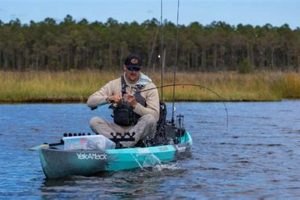
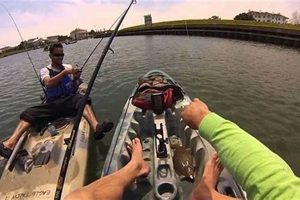
This activity involves angling from a small, human-powered watercraft in the diverse waters surrounding Ireland. It offers a unique blend of outdoor recreation, connecting participants directly with the aquatic environment. Imagine casting a line for mackerel off the rugged coast of County Cork, or quietly drifting on a glassy lough in County Galway, hoping for a trout. This pursuit provides such experiences firsthand.
The accessibility and relative affordability of this pastime contribute to its growing popularity. It allows exploration of otherwise inaccessible fishing spots, offering a unique perspective on Ireland’s stunning coastline and inland waterways. Historically, small boats have been used for fishing in Irish waters for centuries, demonstrating a long-standing connection between people and the sea. Modern equipment and techniques enhance the experience, enabling safer and more efficient fishing practices.
The following sections will explore appropriate equipment choices, relevant safety considerations, recommended locations across the island, and the specific species frequently targeted. Further discussion will cover responsible angling practices, licensing requirements, and the potential impact of this activity on the local environment.
Tips for Kayak Angling in Ireland
Careful planning and preparation are essential for a safe and successful angling experience from a kayak in Irish waters. The following tips offer guidance for both novice and experienced anglers.
Tip 1: Check Weather Forecasts and Water Conditions: Prior to embarking on any kayaking trip, thorough research of prevailing weather patterns and water conditions is crucial. Irish waters can change rapidly, so awareness of wind speed, wave height, and tides is paramount for safety.
Tip 2: Wear Appropriate Safety Gear: A personal flotation device (PFD) is mandatory. A wetsuit or drysuit provides essential protection from cold water. Carrying a VHF radio allows communication in case of emergencies.
Tip 3: Choose the Right Kayak: Kayak selection depends on intended fishing locations and personal preferences. Sit-on-top kayaks offer stability and ease of re-entry, while sit-inside kayaks provide better protection from the elements. Consider storage capacity for fishing gear.
Tip 4: Pack Essential Equipment: A well-stocked tackle box, appropriate fishing rods and reels, a landing net, and a first-aid kit are essential. Navigation equipment, including charts and a compass, is also recommended.
Tip 5: Learn Basic Kayak Handling Skills: Practice basic paddling strokes and maneuvering techniques in calm water before venturing into more challenging conditions. Knowing how to self-rescue is crucial.
Tip 6: Respect Local Regulations and the Environment: Familiarize oneself with local fishing regulations, including licensing requirements and size limits. Practice “Leave No Trace” principles, minimizing environmental impact and properly disposing of waste.
Tip 7: Inform Someone of Your Plans: Always inform someone of your intended fishing location, launch time, and estimated return. This crucial safety precaution ensures that assistance can be summoned if necessary.
Adherence to these guidelines enhances safety and contributes to a more enjoyable and productive fishing experience. Careful preparation allows anglers to focus on the sport and appreciate the natural beauty of Ireland’s waters.
By incorporating these tips into planning processes, anglers can maximize their chances of a successful and memorable experience on the water. The final section offers some concluding remarks and additional resources for those seeking further information.
1. Safety

Safety is paramount in kayak fishing around Ireland. The changeable weather, strong currents, and cold water temperatures present inherent risks that demand careful consideration. Neglecting safety precautions can lead to serious incidents, including capsizing, hypothermia, and even fatalities. A thorough understanding of potential hazards and appropriate safety measures is essential for mitigating these risks. For instance, venturing out without checking the marine forecast can expose anglers to unexpected gale-force winds and rough seas, significantly increasing the likelihood of capsize. Similarly, ignoring the importance of wearing a personal flotation device (PFD) can have life-threatening consequences in the event of an accident.
Practical safety measures include wearing a PFD at all times, carrying a VHF radio for communication, and informing someone of the planned fishing trip itinerary. Regularly checking weather forecasts, understanding tidal patterns, and being aware of local navigation hazards are also crucial. Carrying appropriate safety equipment such as flares, a whistle, and a bilge pump is strongly recommended. Understanding self-rescue techniques and practicing them in calm water before venturing into more challenging conditions can significantly improve the chances of survival in an emergency situation. For example, knowing how to re-enter a kayak after capsizing in cold water is a skill that can prove invaluable. Furthermore, having a reliable means of communication, such as a VHF radio with a waterproof case, can enable rapid contact with emergency services if needed.
Prioritizing safety enhances the overall fishing experience, allowing anglers to focus on enjoying the sport and the natural environment. A comprehensive safety assessment, meticulous planning, and continuous vigilance are crucial for minimizing risks and ensuring a safe return. Failure to prioritize safety can not only jeopardize individual well-being but also place unnecessary strain on rescue services. Ultimately, a commitment to safety fosters responsible angling practices and contributes to a sustainable and enjoyable experience on Ireland’s waters.
2. Equipment
Specialized equipment is essential for safe and effective kayak angling in Ireland. Appropriate gear enhances both comfort and success on the water, enabling anglers to adapt to varying conditions and target specific species. Selection should consider factors such as the intended fishing location, target species, and prevailing weather conditions. Investing in reliable and appropriate equipment contributes significantly to a positive and productive fishing experience.
- Kayak Selection
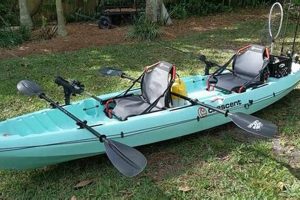
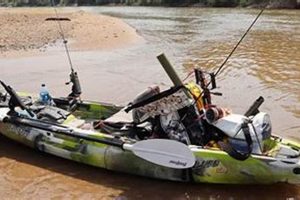
Kayaks designed for fishing offer features like rod holders, storage compartments, and stability. Sit-on-top kayaks are popular for their self-bailing design and ease of re-entry after a capsize, particularly important in colder Irish waters. Sit-inside kayaks offer greater protection from the elements but require more experience to handle. Inflatable kayaks provide portability and affordability but may be less durable and stable. Choosing the appropriate kayak model depends on individual experience, intended fishing style, and the specific conditions of the chosen fishing location. For example, a stable sit-on-top kayak is well-suited to sheltered coastal areas, while a longer, more seaworthy sit-inside kayak might be preferred for offshore fishing.
- Paddle Choice
Paddles designed for kayaking are essential for efficient propulsion and maneuvering. Lightweight paddles made from materials like fiberglass or carbon fiber reduce fatigue during long fishing trips. Paddle length should be chosen based on individual height and kayak width. A well-chosen paddle improves control, conserves energy, and enhances overall comfort on the water, allowing anglers to focus on fishing rather than battling against inefficient equipment. A shorter paddle offers greater control in tight spaces, while a longer paddle provides more power for covering longer distances.
- Fishing Gear
Appropriate rods, reels, and tackle are essential for successful angling. Rods designed for specific target species and fishing techniques optimize performance. Reels should be matched to the rod and chosen based on the type of fishing line used. Tackle selection, including lures, hooks, and weights, depends on the target species and local conditions. Having the right fishing gear increases the chances of hooking and landing desired fish. For instance, lighter tackle is suited to smaller species like mackerel, while heavier gear is necessary for targeting larger fish like cod or pollock.
- Safety Equipment
Essential safety equipment includes a personal flotation device (PFD), a VHF radio, and a first-aid kit. A PFD is a legal requirement and can be lifesaving in the event of a capsize. A VHF radio enables communication with emergency services and other vessels. A first-aid kit allows for immediate treatment of minor injuries. Additional safety gear might include a bilge pump, flares, a whistle, and a tow rope. Prioritizing safety equipment enhances overall safety on the water and ensures preparedness for unexpected situations. Carrying a fully charged mobile phone in a waterproof case can also provide a valuable backup communication method.
The correct equipment selection significantly impacts safety, comfort, and success in kayak fishing around Ireland. Careful consideration of these factors and investment in appropriate gear enhances the overall angling experience and contributes to responsible enjoyment of this popular pastime. The interplay between equipment choice and local conditions, such as the often unpredictable weather and varying water temperatures, highlights the importance of preparedness and informed decision-making.
3. Locations
Location selection is a critical aspect of kayak fishing in Ireland. The island’s diverse coastline and inland waterways offer a wealth of angling opportunities, each with unique characteristics and challenges. Choosing a suitable location requires careful consideration of factors such as accessibility, prevailing weather conditions, target species, and local regulations. A well-chosen location significantly influences the success, safety, and overall enjoyment of a kayak fishing trip. Understanding the nuances of different locations is therefore essential for maximizing the experience.
- Coastal Areas
Ireland’s extensive coastline provides diverse fishing opportunities. Sheltered bays and estuaries offer calmer waters suitable for less experienced kayakers, while more exposed stretches of coastline provide access to deeper water and potentially larger fish species. Understanding tidal flows, currents, and potential hazards such as submerged rocks and reefs is crucial for safe and successful coastal kayak fishing. For example, areas like Cork Harbour offer sheltered fishing grounds, while the more exposed coastline of County Clare presents different challenges and opportunities. Anglers should consult nautical charts and local knowledge before venturing into unfamiliar coastal waters.
- Inland Waterways
Ireland’s network of rivers, lakes, and canals offers excellent opportunities for freshwater fishing from a kayak. Lakes and canals generally provide calmer conditions than coastal waters, making them suitable for anglers of all skill levels. Rivers present additional challenges due to currents and potential obstacles. Understanding the specific characteristics of each waterway, including fish species present, access points, and any relevant regulations, is essential for a productive and enjoyable experience. The River Shannon, for instance, offers diverse fishing for species such as pike and perch, while Lough Corrib is renowned for its trout fishing. Researching local fishing guides and regulations can provide valuable insights.
- Islands and Offshore Locations
Kayak fishing around Ireland’s offshore islands offers access to unique and often less-pressured fishing grounds. However, these locations require careful planning and consideration of weather conditions, sea state, and navigational challenges. Longer crossings expose kayakers to potentially challenging conditions, requiring experience and appropriate safety equipment. The Aran Islands, for example, offer exciting opportunities for experienced kayakers, while smaller islands closer to shore provide more accessible options. Thorough preparation and understanding of potential hazards are paramount for safe and successful fishing in these environments.
- Accessibility and Facilities
Choosing a location with appropriate access points and facilities enhances the overall experience. Factors to consider include parking availability, slipways or launch points suitable for kayaks, and the presence of nearby amenities such as restrooms and shops. Researching access points in advance and considering factors such as tides and prevailing weather can significantly simplify logistics and contribute to a smoother and more enjoyable trip. Some locations may require permits or access fees, and being aware of these requirements in advance avoids potential complications. Checking online resources and contacting local angling clubs can provide valuable information about accessibility and available facilities.
Careful consideration of location is paramount for a successful kayak fishing trip in Ireland. Matching the chosen location to experience level, target species, and prevailing conditions ensures a safe, enjoyable, and productive experience. Understanding the specific characteristics of different locations, including potential hazards, access points, and local regulations, empowers anglers to make informed decisions and maximize their chances of success while minimizing risks. Ultimately, a well-chosen location enhances appreciation for the diverse and rewarding angling opportunities that Ireland offers.
4. Species

The diverse range of fish species inhabiting Irish waters is a key factor driving the popularity of kayak fishing in the region. Understanding the specific species present in different locations, their behavior, and preferred habitats is crucial for successful angling. This knowledge informs tackle choices, fishing techniques, and location selection, ultimately increasing the likelihood of a productive and rewarding fishing experience. The connection between target species and location is particularly significant, as certain species are more prevalent in specific areas, influenced by factors such as water temperature, salinity, and prey availability. For example, pollack are commonly found along rocky coastlines and around offshore islands, while pike are predominantly found in inland freshwater systems like the River Shannon. Matching fishing techniques and tackle to the target species maximizes the chances of success.
Several species are particularly popular targets for kayak anglers in Ireland. Mackerel, known for their aggressive takes and exciting fights, are abundant during the summer months and readily caught from kayaks along the coast. Pollock, another popular target, offer a challenging and rewarding fishing experience, often found in deeper water around reefs and wrecks. Cod, a prized species for their size and table fare, are often targeted during the colder months. For freshwater enthusiasts, pike, perch, and trout provide exciting angling opportunities in Ireland’s lakes and rivers. Understanding the specific feeding habits and seasonal patterns of these species enhances angling success. For example, using mackerel feathers or small lures can be effective for mackerel, while larger lures or baitfish are often used for pollock. Adapting techniques to specific species and prevailing conditions is key to maximizing catches.
Targeting specific species requires not only knowledge of their habits but also consideration of conservation measures and responsible angling practices. Adhering to size limits, bag limits, and seasonal closures ensures the sustainability of fish populations and the long-term health of the aquatic ecosystem. Using appropriate fishing gear and handling techniques minimizes stress on captured fish, promoting their survival upon release. Understanding and respecting these principles contributes to the ethical and sustainable enjoyment of kayak fishing in Ireland. Furthermore, awareness of potential bycatch and the impact of fishing practices on non-target species is essential for minimizing environmental impact. By adopting a responsible approach, kayak anglers can contribute to the preservation of Ireland’s valuable aquatic resources for future generations.
5. Regulations

Adherence to existing regulations is essential for the sustainable and responsible practice of kayak fishing in Ireland. These regulations, designed to protect fish stocks, preserve aquatic ecosystems, and ensure fair access to resources, apply to all anglers, regardless of fishing method. Understanding and complying with these rules is not only a legal obligation but also a demonstration of respect for the environment and fellow anglers. Ignoring regulations can result in penalties, damage to fish populations, and disruption of the delicate balance within aquatic ecosystems.
- Licensing Requirements
Fishing licenses are mandatory for angling in most Irish waters. Different license types exist, covering specific species, fishing methods, and durations. Anglers must hold a valid license appropriate to their intended fishing activity. For instance, a salmon license is required for angling for salmon, while a separate license may be required for sea angling. Failure to produce a valid license upon request can result in fines and confiscation of equipment. Information on licensing requirements and purchasing options is readily available from the Inland Fisheries Ireland (IFI) and the Department of Agriculture, Food and the Marine.
- Size and Bag Limits
Size and bag limits are in place to protect vulnerable fish stocks and ensure sustainable fishing practices. These limits specify the minimum size of fish that can be legally retained and the maximum number of fish that can be kept within a given timeframe. Regulations vary depending on the species and location. For example, there may be a minimum size limit for cod to protect juvenile fish and allow them to reach breeding age. Exceeding bag limits can deplete fish populations and negatively impact the ecosystem. Detailed information on size and bag limits for different species is available from the IFI and other relevant authorities. Regularly reviewing these regulations ensures compliance and contributes to responsible angling practices.
- Closed Seasons
Closed seasons are implemented to protect fish during spawning periods, ensuring successful reproduction and the long-term health of fish populations. During closed seasons, targeting specific species is prohibited. These regulations vary depending on the species and location. For instance, there may be a closed season for salmon during their spawning migration to protect vulnerable breeding fish. Ignoring closed seasons disrupts breeding cycles and threatens the sustainability of fish stocks. Information on closed seasons for different species is readily available from the IFI and is essential knowledge for responsible anglers. Planning fishing trips around closed seasons demonstrates respect for conservation efforts and contributes to the long-term viability of fishing in Ireland.
- Protected Areas
Certain areas are designated as protected zones to safeguard sensitive habitats, endangered species, or important breeding grounds. Fishing may be restricted or entirely prohibited within these areas. These designations aim to preserve biodiversity and ensure the long-term health of aquatic ecosystems. For example, fishing may be restricted in areas designated as Special Areas of Conservation (SACs) to protect vulnerable habitats and species. Ignoring these restrictions can have significant negative impacts on the environment and can result in penalties. Information on protected areas and associated regulations is available from the IFI, the National Parks and Wildlife Service, and other relevant authorities. Respecting these designations contributes to the conservation of Ireland’s valuable natural resources.
Understanding and adhering to these regulations is fundamental to responsible kayak fishing in Ireland. Compliance not only avoids legal penalties but also contributes to the long-term sustainability of fish stocks and the preservation of the aquatic environment. By respecting these rules, kayak anglers actively participate in the conservation of Ireland’s valuable natural resources, ensuring their availability for future generations. Furthermore, responsible angling practices promote positive relationships within the angling community and enhance the overall enjoyment of this popular pastime.
6. Environment

The environmental impact of kayak fishing in Ireland, while generally lower than that of motorized angling, requires careful consideration. Minimizing negative effects on aquatic ecosystems and preserving the natural beauty of the surrounding environment are crucial for sustainable and responsible angling practices. Understanding the potential impacts and adopting appropriate mitigation strategies ensures the long-term health of these valuable resources and contributes to a more positive angling experience.
- Disturbance of Wildlife
Kayaks, due to their quiet operation, offer a less intrusive approach to angling compared to motorized boats, minimizing noise pollution and disturbance to aquatic life. However, careless kayaking practices, such as approaching nesting birds too closely or paddling through sensitive habitats, can still negatively impact wildlife. Maintaining a respectful distance from wildlife and avoiding sensitive areas minimizes disturbance and preserves the natural balance of the ecosystem. For example, disturbing nesting seabirds can lead to nest abandonment and reduced breeding success. Adhering to established guidelines and respecting wildlife sanctuaries are essential for responsible kayak angling.
- Pollution and Waste Disposal
Discarding fishing line, hooks, and other tackle can pose significant threats to marine life and pollute the aquatic environment. Proper disposal of all waste, including food packaging and other debris, is crucial for minimizing pollution. Carrying a dedicated waste bag and disposing of collected waste responsibly ensures that the natural environment remains pristine. Discarded fishing line, for instance, can entangle marine animals, leading to injury or death. Adopting a “leave no trace” approach is essential for minimizing the impact of kayak fishing on the environment.
- Habitat Degradation
Dragging kayaks across sensitive habitats, such as seagrass beds or shallow coral reefs, can cause physical damage and disrupt the delicate balance of these ecosystems. Launching and landing kayaks in designated areas and avoiding sensitive habitats minimizes physical disturbance. Understanding the ecological importance of different habitats and adopting appropriate kayaking practices are essential for preserving these valuable resources. Seagrass beds, for example, provide essential nursery grounds for many fish species and play a critical role in carbon sequestration. Avoiding these areas during launching and landing minimizes damage and protects these vital habitats.
- Invasive Species
Kayaks can inadvertently transport invasive species, such as non-native algae or invertebrates, between different waterways. Thoroughly cleaning kayaks and equipment after each fishing trip helps prevent the spread of invasive species, which can outcompete native organisms and disrupt the balance of the ecosystem. Inspecting kayaks for attached organisms and removing any found before moving to a new location minimizes the risk of introducing invasive species. This simple precaution can have significant positive impacts on the long-term health of Ireland’s aquatic environments.
Minimizing environmental impact is a crucial aspect of responsible kayak fishing in Ireland. By understanding the potential impacts and adopting appropriate practices, anglers can contribute to the preservation of these valuable ecosystems. Careful consideration of wildlife disturbance, pollution, habitat degradation, and the spread of invasive species ensures the sustainable enjoyment of kayak fishing for future generations. Ultimately, responsible angling practices enhance not only the natural environment but also the overall angling experience, fostering a deeper appreciation for the beauty and fragility of Ireland’s aquatic resources.
Frequently Asked Questions
This section addresses common queries regarding kayak angling in Ireland, providing concise and informative responses to assist both novice and experienced anglers.
Question 1: What are the essential safety precautions for kayak fishing in Ireland?
Essential safety measures include wearing a personal flotation device (PFD), checking weather forecasts and sea conditions before embarking, carrying a VHF radio, informing someone of trip plans, and understanding self-rescue techniques.
Question 2: What type of kayak is best suited for fishing in Irish waters?
Kayak choice depends on individual preference, experience level, and intended fishing location. Sit-on-top kayaks offer stability and ease of re-entry, while sit-inside kayaks provide better protection from the elements. Inflatable kayaks offer portability.
Question 3: Where are recommended locations for kayak fishing in Ireland?
Recommended locations vary depending on target species and experience level. Sheltered bays and estuaries are suitable for beginners, while more experienced anglers might explore exposed coastlines or offshore islands. Inland waterways offer freshwater fishing opportunities.
Question 4: What fish species are commonly targeted by kayak anglers in Ireland?
Commonly targeted species include mackerel, pollock, cod, bass along the coast, and pike, trout, and perch in freshwater systems. Species availability varies depending on location and season.
Question 5: What fishing regulations apply to kayak angling in Ireland?
Regulations include licensing requirements, size and bag limits for specific species, closed seasons, and designated protected areas. Compliance with these regulations is mandatory and contributes to sustainable fishing practices.
Question 6: How can anglers minimize their environmental impact while kayak fishing?
Minimizing environmental impact involves responsible waste disposal, avoiding disturbance of wildlife and sensitive habitats, cleaning kayaks to prevent the spread of invasive species, and adhering to established guidelines for sustainable angling practices.
Careful consideration of these frequently asked questions enhances preparedness and contributes to a safer, more enjoyable, and environmentally responsible kayak fishing experience in Ireland. Understanding these key aspects empowers anglers to make informed decisions and maximize their time on the water.
For further information and detailed guidance, consult local angling clubs, tackle shops, and the Inland Fisheries Ireland website.
Kayak Fishing Ireland
Kayak fishing in Ireland offers a unique and rewarding way to experience the country’s rich aquatic environment. This overview has explored key aspects of this increasingly popular activity, from essential safety considerations and equipment choices to the diverse range of fishing locations and species available. Understanding relevant regulations and minimizing environmental impact are crucial for ensuring the sustainability of this pastime. Careful planning, appropriate preparation, and a responsible approach are essential for maximizing both enjoyment and safety on the water.
The future of kayak fishing in Ireland relies on the continued commitment of anglers to responsible practices and environmental stewardship. By prioritizing safety, adhering to regulations, and minimizing their impact on the aquatic environment, anglers contribute to the preservation of these valuable resources for future generations. Kayak fishing provides an opportunity to connect with nature, experience the tranquility of Ireland’s waterways, and appreciate the rich biodiversity they support. It is a pursuit that offers both challenge and reward, demanding respect for both the environment and the sport itself. The continued growth and enjoyment of kayak fishing in Ireland depend on the collective responsibility of all who participate in this unique and rewarding activity.