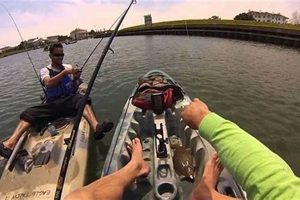
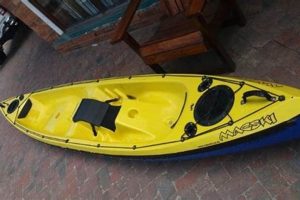
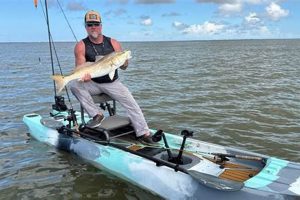
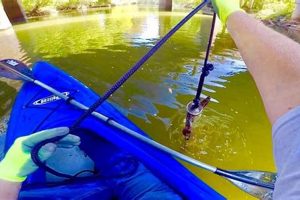
A buoyant container designed for keeping captured fish alive in the water while kayaking offers anglers a humane and practical way to manage their catch. These containers, typically constructed from mesh or other porous materials, allow water to circulate freely, ensuring oxygenated water flows over the gills of the fish. This can range from a simple mesh bag to a more structured basket-like design with a rigid frame. An example would be a lightweight, collapsible basket that attaches to the kayak and floats alongside.
Maintaining the vitality of captured fish offers several advantages. It allows for selective harvesting, enabling anglers to release undersized or unwanted species while keeping their preferred catch fresh. This practice contributes to sustainable fishing by minimizing the impact on fish populations. Historically, keeping fish alive in the water has been a common practice among anglers, evolving from simple stringers to more sophisticated and fish-friendly methods. The modern approach emphasizes minimizing stress on the fish and reducing mortality.
The subsequent sections will explore various aspects of these containers, including different designs, materials, proper usage techniques, and considerations for responsible fishing practices. Further topics include integrating these tools with different kayaking styles, selecting the appropriate size and features, and ensuring both the safety of the fish and the stability of the kayak.
Tips for Utilizing Floating Fish Baskets with Kayaks
Proper use of floating fish baskets contributes to a more responsible and enjoyable kayaking fishing experience. These tips offer guidance on maximizing the benefits while minimizing the impact on the fish and the environment.
Tip 1: Choose the Right Size: Basket size should correspond with the anticipated catch size and quantity. Overcrowding stresses fish, while an overly large basket can create drag and instability.
Tip 2: Proper Placement is Key: Position the basket in a location that minimizes interference with paddling and ensures easy access. Consider the water current and potential obstacles.
Tip 3: Regular Monitoring is Essential: Check the basket frequently to ensure fish remain healthy and the basket remains securely attached to the kayak. Remove any deceased fish promptly.
Tip 4: Mind the Species: Different species have different oxygen requirements. Avoid mixing species with vastly different needs within the same basket.
Tip 5: Secure Attachment is Crucial: Utilize a reliable attachment system to prevent the basket from detaching from the kayak, especially in rough waters or strong currents.
Tip 6: Consider Water Temperature: Extreme water temperatures can negatively impact fish health. Monitor water conditions and limit the time fish spend in the basket during periods of extreme heat or cold.
Tip 7: Prioritize Fish Well-being: Handle fish gently and minimize air exposure when transferring them to and from the basket. Employ appropriate catch-and-release techniques when returning fish to the water.
By adhering to these guidelines, anglers can ensure the well-being of their catch, contribute to sustainable fishing practices, and enhance their overall kayaking fishing experience. These practical considerations promote responsible angling while optimizing the functionality of floating fish baskets.
Following these tips will lead to a more successful and ethical fishing experience. The next section will delve into specific product recommendations and offer insights on selecting the ideal floating fish basket for individual needs.
1. Portability

Portability is a critical factor influencing the practicality of a kayak floating fish basket. Kayak anglers often traverse various terrains to reach their fishing spots, necessitating equipment that is easy to transport and manage. A cumbersome or bulky fish basket diminishes the overall convenience and maneuverability inherent in kayak fishing. Collapsible designs, lightweight materials, and compact storage features significantly enhance portability. For example, a fish basket that folds flat for transport simplifies storage within the kayak or during overland travel. The ability to easily carry and deploy the fish basket contributes significantly to a seamless and enjoyable fishing experience.
The importance of portability extends beyond mere convenience. A portable fish basket allows anglers to adapt to changing fishing locations and conditions. Moving between different bodies of water or navigating portages becomes less challenging with a compact and easily manageable fish basket. Furthermore, the weight of the basket, especially when full of fish, can impact the kayak’s stability and maneuverability. A lightweight, portable design minimizes this impact, contributing to safer and more efficient paddling. Consider a scenario where an angler needs to hike a short distance to access a remote lake. A portable fish basket allows them to bring their catch-keeping solution without adding excessive weight or bulk to their gear.
In summary, portability in a kayak floating fish basket directly affects the overall practicality and efficiency of kayak fishing. Prioritizing portability through features like collapsible designs and lightweight materials enhances maneuverability, simplifies transport, and enables anglers to adapt to diverse fishing environments. Understanding the practical implications of portability empowers anglers to make informed decisions when selecting a fish basket that aligns with their specific needs and fishing style.
2. Durability

Durability is paramount for kayak floating fish baskets, given the demanding conditions they face. Constant exposure to water, potential impacts with rocks or other obstacles, and the weight and movement of captured fish necessitate robust construction. A durable fish basket ensures reliable performance over extended periods, minimizing the risk of failure and potential loss of catch. For example, a basket constructed from abrasion-resistant materials will withstand rubbing against the kayak or submerged debris. A strong frame prevents deformation under load, maintaining the basket’s structural integrity and functionality. Choosing a durable basket ultimately contributes to a more sustainable practice by reducing the need for frequent replacements.
The practical significance of durability extends beyond the longevity of the basket itself. A robust basket contributes to the safety and efficiency of the fishing experience. A broken basket can create entanglement hazards or lead to lost catch, disrupting the fishing trip and potentially impacting the surrounding environment. Furthermore, a durable basket offers greater peace of mind, allowing anglers to focus on fishing rather than worrying about equipment failure. Imagine navigating challenging rapids or rocky shorelines; a durable fish basket provides the necessary resilience to withstand these conditions, safeguarding the catch and ensuring a smooth fishing experience.
In summary, prioritizing durability in a kayak floating fish basket is essential for both practical and ethical reasons. A well-constructed basket ensures reliable performance, minimizes environmental impact through reduced replacements, and enhances the overall safety and enjoyment of kayak fishing. Understanding the critical role of durability empowers anglers to select equipment that meets the demands of their fishing environment and contributes to responsible angling practices. This focus on durability also indirectly supports conservation efforts by promoting responsible catch-and-release practices, as a reliable basket keeps fish healthy for release.
3. Capacity

Capacity, concerning kayak floating fish baskets, refers to the volume or quantity of fish the basket can safely and comfortably hold. Appropriate capacity is crucial for maintaining fish health, preserving kayak stability, and adhering to responsible fishing regulations. Selecting the correct capacity involves considering factors such as target species size, anticipated catch volume, and overall kayak balance.
- Species Size Considerations
Different fish species vary significantly in size. A basket designed for smaller panfish will be inadequate for larger game fish. Matching basket capacity to the expected size of the catch ensures adequate space and minimizes stress on the fish. For example, a basket intended for trout might be too small for larger salmon or pike. Overcrowding larger fish in a small basket can lead to injury, reduced oxygen availability, and increased mortality.
- Catch Volume and Kayak Stability
Anticipating the number of fish likely to be caught during an outing is essential for selecting appropriate basket capacity. An overly full basket adds significant weight to the kayak, potentially affecting stability and maneuverability, especially in challenging water conditions. Consider a scenario where an angler anticipates catching a limit of larger fish. A basket with insufficient capacity would necessitate multiple trips back to shore or the release of some fish prematurely, potentially impacting the overall fishing experience. Maintaining an appropriate balance between catch volume and kayak stability is crucial for safety and enjoyment.
- Legal Limits and Regulations
Fishing regulations often impose limits on the number or size of fish an angler can keep. Basket capacity should align with these regulations to ensure compliance. Exceeding legal limits can result in fines and penalties. A basket that encourages exceeding these limits contributes to unsustainable fishing practices. For instance, if regulations stipulate a limit of five fish per angler, the basket capacity should comfortably accommodate five fish of the legal size limit without overcrowding.
- Impact on Kayak Performance
The capacity of a floating fish basket directly influences kayak performance. A larger, heavier basket, especially when full, increases drag and reduces maneuverability. This is particularly noticeable in windy conditions or strong currents. Selecting a basket with a capacity appropriate for the anticipated catch and kayak size ensures optimal performance and enhances the overall fishing experience. A smaller, lighter basket, even when full, minimizes its impact on the kayak’s handling, allowing for more efficient paddling and navigation.
These factors are interconnected and should be considered collectively when selecting a kayak floating fish basket. A basket with appropriate capacity contributes to responsible fishing practices by promoting fish health, ensuring compliance with regulations, and optimizing kayak performance. Choosing wisely enhances the overall fishing experience and supports sustainable angling.
4. Attachment System

The attachment system of a kayak floating fish basket is crucial for its functionality and the overall safety of the kayak angler. A secure and reliable attachment mechanism prevents accidental detachment, especially in challenging conditions such as rough waters or strong currents. The system must be durable enough to withstand the weight of the basket, particularly when full of fish, and should be designed for easy and quick attachment and detachment.
- Integration with Kayak Features
Effective attachment systems integrate seamlessly with existing kayak features. This might include utilizing D-rings, attachment points, or rails commonly found on kayaks. Compatibility with standard kayak features simplifies installation and avoids the need for modifications. For instance, a clip-based system designed to attach to D-rings offers a quick and secure solution. Conversely, systems requiring drilling or permanent modifications can compromise the kayak’s structural integrity and may not be suitable for all kayak models.
- Adjustability and Positioning
Adjustability is vital for optimal basket placement. The attachment system should allow anglers to position the basket in a location that balances accessibility with minimal interference during paddling. This could involve adjustable straps, sliding mechanisms, or flexible attachment points. The ability to fine-tune the basket’s position enhances convenience and prevents interference with paddling strokes or other on-board equipment. A fixed attachment point limits placement options and may not be suitable for all fishing styles or kayak configurations.
- Security and Stability
A secure attachment system prevents accidental detachment in various conditions. Robust clips, buckles, or straps ensure the basket remains connected to the kayak even in rough water or during rapid maneuvers. Stability in the attachment system minimizes swaying or bouncing, reducing the risk of entanglement and maintaining a consistent drag profile. A flimsy or poorly designed attachment point could release under stress, leading to the loss of the basket and its contents. This poses a risk to the environment and disrupts the fishing experience.
- Ease of Use and Quick Release
Ease of use is essential for efficient handling and deployment. Intuitive attachment mechanisms, such as quick-release buckles or simple clips, simplify the process of attaching and detaching the basket. This is particularly important when landing fish or when needing to quickly adjust the basket’s position. A complicated or time-consuming attachment process can be frustrating and inefficient, especially in dynamic fishing situations. A quick-release mechanism also allows for rapid detachment in emergencies or when navigating challenging obstacles.
The attachment system significantly impacts the overall effectiveness and safety of a kayak floating fish basket. A well-designed system balances security, adjustability, ease of use, and compatibility with kayak features. By carefully evaluating these aspects, anglers can select a fish basket that enhances their fishing experience while ensuring responsible practices and minimizing risks.
5. Material (mesh/fabric)

Material selection significantly impacts the performance and longevity of kayak floating fish baskets. Mesh or fabric construction directly influences water circulation, fish health, basket durability, and overall usability. The chosen material must balance several key properties to ensure optimal functionality in the demanding environment of kayak fishing. For example, a tightly woven mesh might restrict water flow, potentially compromising fish health, while a loosely woven mesh, though promoting excellent circulation, might be less resistant to abrasion and tearing. Finding a material that effectively balances these competing requirements is essential for creating a functional and durable fish basket.
Different materials offer varying degrees of performance across several critical characteristics. Durable, non-toxic materials are essential for ensuring fish safety and basket longevity. Abrasion resistance is crucial for withstanding contact with the kayak, rocks, and other potential hazards. Materials like PVC-coated nylon or polyethylene offer a good balance of durability and water permeability. Proper water flow through the basket is paramount for maintaining adequate oxygen levels for the fish. Materials that promote efficient water circulation contribute to fish health and minimize stress. Consider a scenario where an angler uses a basket made from a non-porous material. The lack of water circulation could quickly deplete oxygen, leading to fish distress or mortality. Furthermore, the material should be lightweight and quick-drying to minimize the basket’s overall weight and prevent the growth of mold or mildew.
Selecting the appropriate material for a kayak floating fish basket involves careful consideration of the balance between water circulation, durability, and fish-friendliness. Practical examples include choosing a robust, coated mesh for saltwater environments to resist corrosion and abrasion, or opting for a lightweight, finely woven mesh for freshwater fishing with smaller species. Understanding the properties of different materials empowers anglers to select a basket optimized for their specific fishing environment, target species, and overall usage requirements. This informed decision contributes to responsible fishing practices by prioritizing fish health and maximizing the lifespan of the equipment, reducing the need for frequent replacements and minimizing environmental impact.
6. Fish-friendly Design

Fish-friendly design in kayak floating fish baskets prioritizes the well-being and survival of captured fish. This approach considers various factors, including minimizing stress, preventing injury, and ensuring adequate oxygenation. Features like smooth, rounded edges eliminate sharp points that could harm fish. Ample basket size prevents overcrowding, reducing competition for oxygen and minimizing physical contact that could lead to injury or scale loss. A basket designed with these principles allows for selective harvesting, enabling anglers to release unwanted or undersized fish with minimal harm, contributing to sustainable fishing practices. For instance, a basket with a fine mesh and a rigid frame protects fish from abrasion and entanglement while maintaining its shape and maximizing water flow.
The practical significance of fish-friendly design extends beyond ethical considerations. Healthy, unharmed fish are more likely to survive upon release, contributing to the long-term health of fish populations. This approach aligns with conservation efforts and promotes responsible angling practices. Consider a scenario where an angler catches a fish exceeding the legal size limit. A fish-friendly basket allows for the safe and humane temporary holding of the fish while other catches are retrieved, maximizing the chances of its healthy release. Furthermore, certain designs incorporate features that facilitate catch-and-release practices, such as easy-access openings and minimized handling requirements, reducing stress on the fish during release.
In summary, fish-friendly design in kayak floating fish baskets plays a critical role in responsible angling. Prioritizing features that minimize stress, prevent injury, and ensure adequate oxygenation directly contributes to fish welfare and supports sustainable fishing practices. This design philosophy aligns with conservation goals by maximizing post-release survival rates and promoting a more ethical approach to kayak fishing. Understanding the importance of fish-friendly design empowers anglers to select equipment that aligns with their ethical obligations and contributes to the long-term health of aquatic ecosystems.
7. Water Circulation
Water circulation is paramount for maintaining the health and viability of fish held within a kayak floating fish basket. Adequate water flow ensures a continuous supply of dissolved oxygen, essential for fish respiration. Restricted circulation leads to oxygen depletion, causing stress, and potentially mortality. The basket’s design and material directly influence circulation effectiveness. Porous materials, such as mesh, facilitate water flow through the basket, while the basket’s placement relative to the kayak and the surrounding water movement impacts the exchange rate. For example, positioning the basket in the kayak’s wake, where water is more turbulent, enhances circulation compared to a location with minimal water movement. Conversely, placing the basket in an area with stagnant water or against a solid object impedes circulation, potentially compromising fish health.
Several factors can influence water circulation within the basket. Currents and kayak movement create a natural flow, replenishing oxygenated water within the basket. Basket design features, such as openings and mesh size, affect the rate of water exchange. The quantity and size of fish held within the basket also influence oxygen consumption and the demand for circulation. Practical applications of this understanding include selecting a basket with appropriate mesh size and open design, positioning the basket in areas of higher water flow, and avoiding overcrowding the basket. For instance, anglers fishing in slower-moving water might choose a basket with a larger mesh size to maximize water flow, whereas those fishing in faster currents could opt for a smaller mesh to retain smaller fish while still ensuring adequate circulation.
Optimizing water circulation is crucial for responsible kayak fishing practices. Ensuring adequate oxygen levels minimizes stress on captured fish, maximizing their chances of survival upon release. Understanding the factors influencing circulation empowers anglers to make informed decisions regarding basket selection, placement, and management of their catch. This knowledge directly contributes to fish welfare and supports conservation efforts by promoting healthy fish populations. Neglecting water circulation can undermine conservation goals by increasing post-release mortality. Therefore, prioritizing water circulation through informed choices and responsible practices is essential for ethical and sustainable kayak fishing.
Frequently Asked Questions
This section addresses common inquiries regarding the selection, usage, and benefits of floating fish baskets for kayak anglers. Understanding these aspects contributes to responsible fishing practices and enhances the overall angling experience.
Question 1: How does a floating fish basket contribute to sustainable fishing practices?
Floating fish baskets facilitate selective harvesting, allowing anglers to release undersized or unwanted catches unharmed. This minimizes stress on fish populations and contributes to long-term conservation efforts.
Question 2: What materials are most suitable for floating fish baskets?
Durable, non-toxic, and corrosion-resistant materials such as PVC-coated nylon or polyethylene are ideal. The material should allow adequate water flow while providing structural integrity and longevity.
Question 3: How does one determine the appropriate capacity for a fish basket?
Capacity should align with target species size, anticipated catch volume, and local fishing regulations. Overcrowding compromises fish health and kayak stability.
Question 4: What are key considerations for attaching a fish basket to a kayak?
The attachment system must be secure, adjustable, and compatible with existing kayak features. Easy attachment and detachment are essential for practicality and safety.
Question 5: How does proper water circulation impact fish health in a floating basket?
Adequate water flow through the basket ensures sufficient oxygen levels for fish respiration. Proper circulation minimizes stress and maximizes survival rates upon release.
Question 6: What are the benefits of a fish-friendly basket design?
Fish-friendly designs prioritize fish well-being through features like rounded edges, ample space, and easy-access openings. This minimizes stress, injury, and promotes post-release survival.
Careful consideration of these aspects ensures a positive impact on both the angling experience and the health of the aquatic environment. Responsible practices and informed equipment choices contribute to sustainable and enjoyable kayak fishing.
The following section will delve into specific product recommendations based on various fishing styles and budgets.
Kayak Floating Fish Baskets
Kayak floating fish baskets represent a significant advancement in responsible angling practices. This exploration has highlighted the importance of key features, including durable construction, adequate capacity, secure attachment systems, fish-friendly design, and optimal water circulation. These elements collectively contribute to fish well-being, angler convenience, and the long-term health of aquatic ecosystems. Understanding these aspects empowers informed decision-making, enabling anglers to select equipment that aligns with both fishing needs and conservation principles.
The future of kayak fishing hinges on responsible practices. Adoption of fish-friendly equipment, like floating fish baskets, demonstrates a commitment to sustainability and ensures the enjoyment of this recreational activity for generations to come. Prioritizing fish welfare through informed equipment choices and mindful usage contributes to the preservation of healthy fish populations and the overall balance of aquatic environments.