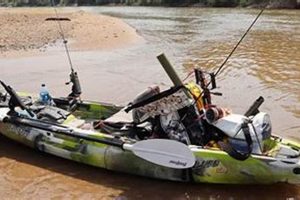
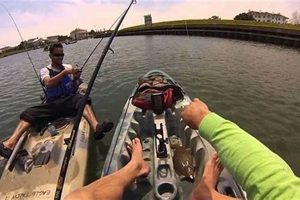
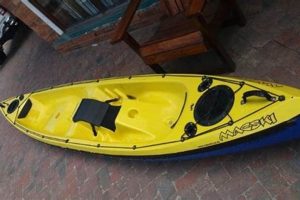
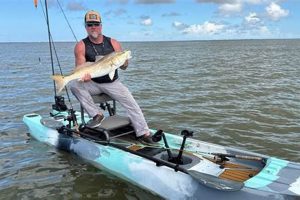
Tandem kayaks designed for angling offer a shared on-the-water experience, combining the benefits of kayak fishing with companionship and teamwork. These vessels typically feature two cockpits, often with specialized seating and ample storage for rods, tackle, and other fishing gear. An example would be a sit-on-top kayak with adjustable footrests and integrated rod holders, accommodating two anglers comfortably.
Sharing a fishing kayak facilitates collaboration, from navigating challenging waters to landing larger catches. This approach can be more affordable than purchasing two single kayaks and provides a heightened sense of security, particularly for less experienced anglers. While the concept of shared watercraft for fishing predates modern kayaks, the increasing popularity of recreational kayaking has driven innovation in tandem designs specifically for angling, resulting in vessels optimized for stability, capacity, and performance.
Considerations for this style of fishing include choosing the appropriate kayak type, weight capacity, and features, along with understanding paddling techniques and safety precautions for two-person vessels. Subsequent sections will delve into these topics in detail, covering kayak selection, essential gear, fishing techniques, safety best practices, and popular destinations.
Tips for Tandem Kayak Fishing
Effective tandem kayak fishing requires coordination and planning. These tips offer guidance for a successful and enjoyable experience.
Tip 1: Weight Distribution and Balance: Proper weight distribution is crucial for stability. Gear should be evenly distributed throughout the kayak, avoiding overloading the bow or stern. Heavier items should be placed low and centrally.
Tip 2: Synchronized Paddling: Consistent paddling rhythm and communication are essential for efficient movement and maneuverability. Practice paddling together before venturing into challenging waters. Establish clear communication signals for turning, stopping, and adjusting speed.
Tip 3: Designated Roles and Responsibilities: Assigning roles, such as navigation and fishing, can streamline the experience. One person might focus on paddling and maintaining course while the other manages fishing gear and techniques.
Tip 4: Choosing the Right Kayak: Selecting a tandem kayak designed for fishing is paramount. Consider features like rod holders, adjustable seating, and sufficient storage capacity. The kayak’s weight capacity should accommodate both anglers and their gear comfortably.
Tip 5: Safety First: Wearing personal flotation devices (PFDs) is non-negotiable. Carry essential safety equipment, including a whistle, first-aid kit, and communication device. Check weather conditions before embarking and be aware of potential hazards like currents and changing tides.
Tip 6: Respecting the Environment: Practice Leave No Trace principles. Pack out all trash and avoid disturbing wildlife or sensitive habitats. Adhere to fishing regulations and licensing requirements.
Tip 7: Communication is Key: Constant communication between anglers is vital for a smooth and safe experience. Discuss fishing strategies, paddling techniques, and any potential concerns openly.
Implementing these tips contributes to a safe, productive, and enjoyable tandem kayak fishing experience, maximizing both catch potential and overall satisfaction.
By focusing on preparation, communication, and responsible practices, anglers can unlock the full potential of tandem kayak fishing, creating lasting memories on the water.
1. Tandem Kayak Selection

Tandem kayak selection is paramount for a successful two-person fishing excursion. The vessel’s characteristics directly impact stability, comfort, and overall fishing effectiveness. Choosing a kayak designed specifically for fishing, rather than a recreational model, offers crucial advantages. Fishing kayaks typically incorporate features like rod holders, specialized seating, and ample storage for tackle and gear. Stability is crucial, especially when casting, reeling, and landing fish. A wider hull and a lower center of gravity contribute to stability, minimizing the risk of capsizing. Consider the combined weight of anglers and gear to ensure the kayak’s capacity is not exceeded. For example, a longer, narrower kayak might track better in open water, while a shorter, wider design offers enhanced stability for calmer environments. A sit-on-top design is generally preferred for fishing, allowing for easier entry and exit, as well as better maneuverability when battling larger fish.
Evaluating hull design, length, and width are essential aspects of the selection process. Longer kayaks generally track straighter and glide more efficiently, while shorter kayaks offer enhanced maneuverability in tight spaces. Wider kayaks provide greater initial stability but may sacrifice some speed and tracking performance. The choice depends on the intended fishing environment and personal preferences. Examining weight capacity and storage options is also critical. Sufficient weight capacity ensures safe operation, while ample storage accommodates necessary fishing gear and personal items. Dedicated storage compartments and integrated rod holders contribute to organization and convenience. For instance, a kayak intended for ocean fishing might prioritize speed and tracking, while a kayak for river fishing might emphasize maneuverability and stability.
Appropriate tandem kayak selection significantly influences the overall fishing experience. A well-chosen vessel enhances safety, comfort, and fishing effectiveness. Careful consideration of design features, weight capacity, and intended use ensures a productive and enjoyable outing. Neglecting these considerations can compromise stability, limit storage capacity, and hinder overall fishing performance. Ultimately, aligning kayak selection with the specific demands of two-person fishing expeditions optimizes the chances of a successful and rewarding experience.
2. Weight Distribution

Weight distribution plays a critical role in tandem kayak fishing, directly influencing stability, maneuverability, and safety. Uneven weight distribution can lead to instability, making the kayak difficult to control and increasing the risk of capsizing. Proper distribution, however, enhances tracking, improves paddling efficiency, and creates a more comfortable and secure fishing platform. For instance, concentrating weight at the stern can cause the bow to rise, increasing wind resistance and reducing paddling effectiveness. Conversely, excessive weight at the bow can submerge the front of the kayak, increasing drag and the potential for taking on water. Distributing gear and anglers’ weight evenly along the length of the kayak, with heavier items placed lower in the hull, maximizes stability and performance.
The importance of weight distribution is amplified in two-person kayaks due to the combined weight of two anglers and their gear. Consider a scenario where one angler is significantly heavier than the other. Positioning the heavier angler closer to the center of the kayak, with gear distributed evenly around them, helps maintain balance. Similarly, when packing fishing gear, heavier items like tackle boxes and batteries should be positioned centrally and low, while lighter items can be stored towards the ends. Understanding weight distribution principles enables anglers to optimize the kayak’s performance and minimize the risk of instability, especially in challenging conditions such as windy weather or choppy water.
Effective weight distribution is fundamental to successful and safe tandem kayak fishing. It directly impacts stability, maneuverability, and overall performance. Failure to distribute weight correctly can compromise safety and diminish the fishing experience. By understanding and applying these principles, anglers can maximize their enjoyment on the water, improve fishing efficiency, and ensure a safer outing. This understanding allows for better control, easier paddling, and a more stable platform for casting and reeling. Ultimately, prioritizing proper weight distribution contributes significantly to a more positive and productive tandem kayak fishing experience.
3. Synchronized Paddling

Synchronized paddling is crucial for efficient and harmonious two-person kayak fishing. It directly impacts boat control, navigation, and overall fishing success. Effective teamwork through synchronized paddling minimizes wasted energy, maximizes speed and maneuverability, and allows for a more focused and enjoyable fishing experience. Without coordinated paddling, the kayak can become difficult to control, hindering fishing efforts and potentially compromising safety.
- Consistent Paddling Cadence:
Maintaining a consistent paddling rhythm ensures smooth and efficient forward movement. This requires communication and cooperation between paddlers. For example, one paddler might set the pace, while the other matches it. A consistent cadence minimizes drag, maximizes speed, and reduces fatigue. Inconsistent paddling creates drag, reducing speed and making it difficult to maintain a desired course, hindering efficient travel to fishing spots.
- Coordinated Turning and Maneuvering:
Turning a two-person kayak requires coordinated paddling on both sides. Clear communication and understanding of turning techniques are essential. One paddler paddles forward while the other paddles backward (sweep stroke) on the opposite side to execute a turn. Uncoordinated turning leads to inefficient movement, wasted energy, and potential frustration. Synchronized turning enables precise navigation through tight spaces and quick adjustments to changing water conditions, essential for reaching optimal fishing locations.
- Maintaining Boat Trim and Stability:
Synchronized paddling contributes to maintaining boat trim and stability. Balanced paddling on both sides keeps the kayak level and prevents tilting. This is especially important when fishing, as an unstable platform can hinder casting accuracy and increase the risk of capsizing. For example, if one paddler stops paddling while the other continues, the kayak can become unstable, affecting fishing performance and safety.
- Reduced Noise and Disturbance:
Synchronized paddling minimizes noise and disturbance in the water. Quiet movement is often crucial for successful fishing, as excessive splashing and erratic paddling can spook fish. A coordinated and smooth paddling style allows anglers to approach fishing spots stealthily, increasing the chances of a successful catch. In contrast, loud and uncoordinated paddling can alert fish to the kayak’s presence, reducing fishing effectiveness.
These facets of synchronized paddling are integral to a successful two-person kayak fishing trip. Mastering these elements enhances boat control, improves fishing efficiency, and contributes to a safer and more enjoyable experience on the water. The synergy achieved through synchronized paddling allows anglers to focus on fishing, maximizing their chances of success while enjoying the shared experience.
4. Communication
Effective communication forms the cornerstone of safe and productive tandem kayak fishing. Clear and consistent communication between anglers is essential for navigation, coordination, and safety, impacting all aspects of the shared experience. From launching and landing to navigating challenging waters and coordinating fishing strategies, communication ensures a smooth and efficient outing. Without effective communication, misunderstandings can arise, leading to frustration, inefficient paddling, missed fishing opportunities, and potentially dangerous situations.
- Navigation and Paddling:
Constant communication is crucial for coordinated paddling and efficient navigation. Communicating paddling strokes, turning intentions, and adjustments to speed ensures the kayak moves smoothly and efficiently through the water. For example, clear instructions like “paddling on the left” or “turning right” prevent confusion and ensure coordinated movement. This is especially important in challenging conditions such as currents, wind, or obstacles. Lack of communication can lead to inefficient paddling, missed turns, and potential collisions.
- Fishing Strategies and Techniques:
Discussing fishing strategies, target species, and lure choices enhances fishing success. Sharing observations about fish activity or changes in water conditions can help both anglers optimize their techniques. For example, one angler might communicate that they see fish activity near a specific structure, allowing the other angler to adjust their approach. Open communication about fishing techniques, such as casting distances or lure retrieval speeds, can prevent tangled lines and maximize fishing opportunities. Without this communication, anglers may inadvertently interfere with each other’s fishing or miss opportunities for collaborative strategies.
- Safety and Emergency Situations:
Communication is paramount in emergencies. Sharing observations about potential hazards, changes in weather conditions, or equipment issues enables swift and appropriate responses. For example, one angler might alert the other to an approaching storm or a submerged obstacle. In the event of a capsize or equipment malfunction, clear communication is crucial for coordinating rescue efforts and ensuring both anglers’ safety. A pre-established emergency communication plan can be invaluable in such situations. Failure to communicate in emergencies can escalate risks and compromise safety.
- General Coordination and Teamwork:
Beyond specific tasks, ongoing communication fosters a positive and collaborative fishing experience. Sharing thoughts, observations, and enjoyment enhances camaraderie and teamwork. Simple acts of communication, such as checking in with each other’s comfort levels or offering encouragement, contribute to a positive and supportive environment. Clear communication about breaks, lunch plans, and adjustments to the fishing itinerary ensures everyone remains comfortable and engaged. Lack of general communication can lead to misunderstandings, frustration, and a less enjoyable experience.
These diverse aspects of communication highlight its essential role in successful tandem kayak fishing. Clear, consistent, and open communication enables efficient navigation, effective fishing strategies, enhanced safety, and a more enjoyable shared experience. By prioritizing communication, anglers transform their tandem kayak fishing trip into a collaborative adventure, maximizing both the catch potential and the overall enjoyment on the water. A lack of communication, conversely, can undermine these goals, leading to inefficiency, frustration, and potential safety risks. The synergistic effect of effective communication ultimately determines the success and enjoyment of a two-person kayak fishing excursion.
5. Safety Precautions
Safety precautions are paramount in tandem kayak fishing, demanding heightened awareness due to the presence of two individuals and shared responsibility. Neglecting safety protocols increases the risk of accidents, injuries, and potentially life-threatening situations. A comprehensive understanding of safety measures is essential for mitigating these risks and ensuring a secure and enjoyable fishing experience. Preparedness and proactive safety measures contribute significantly to a positive outcome.
- Personal Flotation Devices (PFDs):
Wearing properly fitted PFDs is non-negotiable. PFDs provide essential buoyancy in the event of a capsize, significantly increasing the chances of survival. Selecting PFDs specifically designed for paddling offers enhanced comfort and mobility. For example, inflatable PFDs allow for greater freedom of movement while still providing crucial flotation when activated. Neglecting to wear a PFD, even in calm waters, significantly increases the risk of drowning, especially if unexpected conditions arise or an angler is incapacitated.
- Communication Equipment:
Carrying reliable communication devices is crucial for contacting help in emergencies. A waterproof VHF radio allows direct communication with the Coast Guard and other boaters, while a charged mobile phone in a waterproof case provides a backup communication method. Whistles are also essential for signaling distress in close proximity to other vessels. For example, in the event of a capsize or medical emergency, immediate communication can be life-saving. Relying solely on mobile phones can be problematic in areas with limited cellular coverage.
- Navigation and Awareness:
Understanding navigational markers, weather forecasts, and local water conditions is essential. Checking weather conditions before embarking and being aware of potential hazards like currents, tides, and underwater obstacles enhances safety. Carrying a chart, compass, or GPS device can aid navigation, especially in unfamiliar waters. For example, paddling against strong currents without sufficient experience can lead to exhaustion and dangerous situations. Ignoring weather warnings significantly increases the risk of encountering hazardous conditions.
- Essential Safety Gear:
Carrying essential safety gear contributes to preparedness for various situations. A first-aid kit equipped to handle common injuries, a bilge pump or bailing device for removing water from the kayak, and a knife or multi-tool for cutting lines or performing other essential tasks are all crucial. A throw rope can be invaluable for rescuing a capsized paddler. For instance, a readily accessible first-aid kit allows for prompt treatment of minor injuries, preventing them from escalating. The absence of a bilge pump can be problematic if the kayak takes on water.
These interconnected safety precautions contribute significantly to a secure and enjoyable two-person kayak fishing experience. Implementing these measures mitigates risks and prepares anglers for potential challenges. Prioritizing safety enhances not only personal well-being but also the overall success of the fishing trip. Ignoring these precautions can transform a recreational outing into a hazardous situation, compromising both safety and enjoyment. Careful planning and consistent adherence to safety protocols are essential for responsible and successful tandem kayak fishing.
Frequently Asked Questions
This section addresses common inquiries regarding tandem kayak fishing, providing concise and informative responses to facilitate informed decision-making and enhance the overall fishing experience.
Question 1: What are the advantages of tandem kayak fishing compared to solo kayaking?
Tandem kayaks offer increased stability, shared workload, and enhanced safety, particularly for less experienced anglers or those navigating challenging waters. They also facilitate collaborative fishing strategies and shared enjoyment.
Question 2: How does one choose the right tandem fishing kayak?
Kayak selection depends on intended use, fishing style, and combined weight of anglers and gear. Consider features like rod holders, storage capacity, stability, and maneuverability when choosing a suitable vessel.
Question 3: What safety precautions are essential for tandem kayak fishing?
Wearing personal flotation devices (PFDs), carrying communication devices, checking weather conditions, and having essential safety gear like a first-aid kit and bilge pump are crucial safety measures.
Question 4: How does weight distribution impact tandem kayak performance?
Proper weight distribution is critical for stability and maneuverability. Distributing weight evenly, with heavier items placed low and centrally, optimizes kayak performance and reduces the risk of capsizing.
Question 5: What are effective communication strategies for tandem kayaking?
Establishing clear communication protocols for paddling strokes, turning intentions, fishing strategies, and potential hazards ensures smooth coordination and enhances safety.
Question 6: Are there specific fishing techniques best suited for tandem kayaks?
Tandem kayaks allow for collaborative fishing techniques, such as one angler paddling while the other casts, or using different lures and retrieval methods to cover a wider area. Adapting techniques to the shared space and combined efforts can maximize catch potential.
Careful consideration of these frequently asked questions enhances preparedness, improves safety awareness, and contributes to a more successful and enjoyable tandem kayak fishing experience. Understanding these aspects allows anglers to make informed decisions, optimize their approach, and maximize their time on the water.
The following sections will delve further into specific aspects of tandem kayak fishing, providing detailed guidance and expert recommendations.
Tandem Kayak Fishing
Tandem kayak fishing presents a unique blend of angling and camaraderie. Successful excursions rely on careful planning, coordinated teamwork, and adherence to essential safety practices. From selecting the appropriate vessel and distributing weight effectively to mastering synchronized paddling and establishing clear communication protocols, each element contributes significantly to a safe and rewarding experience. Understanding the nuances of weight distribution, paddling techniques, and communication strategies enhances efficiency, stability, and overall enjoyment on the water. Furthermore, prioritizing safety precautions, including the use of personal flotation devices and carrying essential safety gear, ensures a secure and responsible approach to this shared adventure.
Ultimately, tandem kayak fishing offers an enriching opportunity to connect with nature, strengthen bonds through shared experience, and enjoy the thrill of angling in a collaborative setting. Careful consideration of the principles and practices outlined herein empowers anglers to embrace this unique pursuit fully, fostering both individual growth and shared success on the water. The potential for memorable experiences and successful fishing awaits those who prioritize preparation, communication, and a commitment to safe and responsible practices.