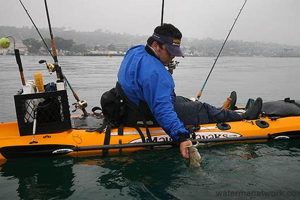
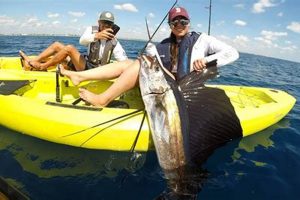
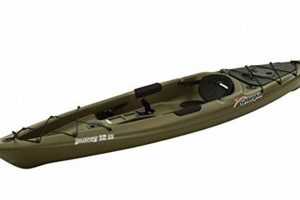
Evaluations of kayaks designed for fishing consider various factors, including stability, maneuverability, storage capacity, and comfort. For example, a kayak designed for ocean fishing will likely receive a higher rating for stability than one designed for navigating small rivers, while the latter might score higher in maneuverability. These assessments often come in the form of numerical scores, letter grades, or star ratings and may incorporate expert opinions, user reviews, or a combination of both.
Objective and comprehensive assessments provide prospective buyers with valuable information for making informed purchasing decisions. They enable consumers to compare different models based on specific needs and preferences, such as fishing style, water conditions, and budget. Historically, information on kayak performance was limited to manufacturer descriptions and word-of-mouth, making informed choices more challenging. The development of dedicated review platforms and online communities has significantly increased transparency and access to valuable insights.
The following sections will delve deeper into the specific criteria used in these evaluations, explore the methodologies employed by various reviewers, and offer guidance on interpreting these resources effectively.
Tips for Utilizing Kayak Evaluations
Effective use of kayak evaluations requires a discerning approach. These tips offer guidance on navigating available resources and making informed purchasing decisions.
Tip 1: Define Specific Needs: Clearly identify the intended fishing environment (oceans, rivers, lakes), fishing style (trolling, casting, fly fishing), and any necessary features (storage, seating, rod holders) before consulting evaluations. This ensures relevant criteria are prioritized.
Tip 2: Consult Multiple Sources: Relying on a single review can provide a skewed perspective. Compare findings from reputable websites, expert reviews, and user forums to form a comprehensive understanding of a kayak’s strengths and weaknesses.
Tip 3: Scrutinize Methodology: Understand how ratings are derived. Some sources employ rigorous testing procedures, while others rely primarily on user feedback. Transparent methodologies offer greater credibility.
Tip 4: Consider User Experience: User reviews offer valuable real-world insights into a kayak’s performance and durability. Pay attention to recurring themes and concerns raised by multiple users.
Tip 5: Focus on Relevant Criteria: Prioritize features relevant to individual fishing styles. A kayak’s maximum speed is less critical for anglers focused on stillwater fishing than stability and maneuverability.
Tip 6: Look Beyond Numerical Scores: Qualitative assessments often provide richer insights than numerical scores alone. Detailed descriptions of performance characteristics offer a more nuanced understanding.
Tip 7: Account for Reviewer Bias: Be aware that all reviews, whether expert or user-generated, contain an element of subjectivity. Consider the reviewer’s experience level and potential biases.
By following these guidelines, prospective buyers can leverage readily available information to choose kayaks well-suited to their individual needs and enhance their fishing experience.
In conclusion, the insights gained from evaluating fishing kayaks empowers informed decisions and contributes to a more successful and enjoyable fishing experience.
1. Stability

Stability significantly influences fishing kayak ratings. A kayak’s ability to remain upright and balanced under various conditions directly impacts angler safety and fishing effectiveness. Higher stability ratings generally translate to greater angler confidence, particularly in challenging conditions like rough water or when landing a fish. Conversely, lower stability can lead to capsizing or difficulty casting, negatively impacting the overall fishing experience and potentially creating hazardous situations. This connection between stability and user experience underscores its importance as a key rating criterion.
Consider two scenarios: an angler fishing in calm, shallow water might prioritize maneuverability over absolute stability. However, an angler fishing in open ocean conditions, contending with waves and currents, requires a kayak with exceptional stability. This difference in needs is reflected in ratings, with kayaks designed for open water typically receiving higher stability scores. Practical tests, such as measuring the angle at which a kayak capsizes under controlled conditions, contribute to these evaluations. The resulting data informs consumers and guides their purchasing decisions based on anticipated fishing environments.
Understanding the interplay between stability and overall kayak performance is essential for informed decision-making. While other factors like speed and storage contribute to the overall rating, stability remains paramount, especially for safety and angling effectiveness. Choosing a kayak with appropriate stability for the intended fishing environment significantly enhances the angling experience and mitigates potential risks.
2. Maneuverability

Maneuverability plays a crucial role in fishing kayak ratings, directly influencing an angler’s ability to navigate various water conditions and access desired fishing spots. A highly maneuverable kayak allows for precise adjustments in position, enabling anglers to navigate tight spaces, swiftly change directions, and efficiently respond to changing currents or fish movement. This responsiveness is particularly valuable in environments like rivers, creeks, and mangrove forests where obstacles and tight turns are common. Conversely, kayaks with lower maneuverability ratings may prove cumbersome in such settings, limiting access to prime fishing areas and hindering an angler’s ability to effectively target fish.
Consider a kayak angler targeting bass in a densely vegetated area. A highly maneuverable kayak enables precise navigation through narrow channels and around submerged obstacles, maximizing fishing opportunities. In contrast, a less maneuverable kayak restricts access and may require excessive paddling effort, reducing fishing time and potentially spooking fish. This difference in performance directly translates to fishing success and influences how maneuverability is factored into overall kayak ratings. Specialized kayak designs, such as shorter, wider hulls, often prioritize maneuverability, reflecting the demands of specific fishing styles and environments. These design choices impact tracking and straight-line speed, demonstrating the inherent trade-offs considered in kayak evaluations.
Understanding the impact of maneuverability on fishing kayak performance is essential for selecting appropriate equipment. Maneuverability ratings provide valuable insights into how a kayak will handle in various situations, allowing anglers to choose models aligned with their target fishing environment and style. Recognizing the trade-offs between maneuverability, stability, and speed empowers informed decisions, ultimately enhancing the fishing experience.
3. Comfort

Comfort significantly influences fishing kayak ratings, directly impacting an angler’s endurance and overall enjoyment. Extended periods on the water, often in challenging conditions, necessitate a comfortable seating arrangement and ample space for movement. Kayaks with higher comfort ratings typically feature ergonomic seating designs, adjustable backrests, and sufficient legroom, allowing anglers to maintain focus and energy throughout their fishing trip. Conversely, uncomfortable seating can lead to fatigue, back pain, and a diminished fishing experience, potentially cutting trips short and reducing overall satisfaction. This direct link between comfort and angling duration underscores its importance as a key rating criterion.
Consider two contrasting scenarios: an angler embarking on a short, leisurely fishing trip in calm waters may find a basic seat adequate. However, an angler planning an extended multi-day expedition in demanding conditions requires a kayak prioritizing comfort and support. This difference in needs is reflected in comfort ratings, with kayaks designed for longer trips often featuring premium seating materials, adjustable features, and ample storage for gear, enhancing comfort and convenience. Practical considerations, such as the impact of seat design on paddling efficiency and casting ability, also factor into these evaluations. The resulting data informs consumers and guides their purchasing decisions based on anticipated trip duration and fishing style.
Understanding the relationship between comfort and overall kayak performance is essential for informed decision-making. While other factors like stability and maneuverability contribute to overall ratings, comfort remains a critical element, particularly for longer fishing excursions. Choosing a kayak with appropriate comfort features for the intended fishing duration and style significantly enhances the angling experience and maximizes time spent on the water.
4. Storage Capacity

Storage capacity directly influences fishing kayak ratings, impacting an angler’s ability to carry essential gear and supplies. Adequate storage space allows for organized transport of tackle boxes, rods, safety equipment, and personal items, contributing to a more efficient and enjoyable fishing experience. Kayaks with higher storage capacity ratings often feature dedicated compartments, integrated storage wells, and bungee systems, facilitating secure and accessible gear management. Conversely, limited storage can restrict the amount of gear carried, compromise organization, and potentially create safety hazards due to clutter or improperly secured items. This direct link between storage capacity and on-the-water practicality underscores its significance within overall kayak evaluations.
Consider two contrasting scenarios: an angler targeting panfish in a small pond requires minimal gear and may find limited storage acceptable. However, an angler embarking on an extended offshore fishing expedition requires ample storage for multiple rods, larger tackle boxes, safety equipment, and provisions. This difference in needs is reflected in storage capacity ratings, with kayaks designed for longer trips and diverse fishing styles often incorporating larger hatches, specialized compartments, and integrated gear tracks, maximizing storage potential. Practical considerations, such as the accessibility of storage compartments and their impact on kayak stability, also factor into these evaluations. The resulting data informs consumers and guides purchasing decisions based on anticipated fishing duration, target species, and required gear.
Understanding the relationship between storage capacity and overall kayak performance is crucial for informed decision-making. While factors like stability and maneuverability contribute to overall ratings, storage capacity remains a critical element, especially for longer trips and specialized fishing styles. Choosing a kayak with appropriate storage for intended fishing activities enhances organization, efficiency, and safety, ultimately maximizing time spent fishing and overall enjoyment.
5. Durability
Durability significantly influences fishing kayak ratings, directly impacting a kayak’s lifespan and overall value. A durable kayak withstands the rigors of regular use, including impacts, abrasion, and exposure to various environmental conditions, ensuring reliable performance over time. Kayaks with higher durability ratings typically incorporate robust construction materials, reinforced hulls, and UV-resistant coatings, minimizing wear and tear and preserving structural integrity. Conversely, kayaks lacking durability may exhibit cracks, leaks, or structural weaknesses, potentially compromising safety and requiring costly repairs or replacements. This direct relationship between durability and long-term performance underscores its critical role in comprehensive kayak evaluations.
Consider two contrasting scenarios: a kayak used occasionally in calm, protected waters experiences minimal stress and may not require exceptional durability. However, a kayak frequently used in harsh environments, encountering rocks, logs, and exposure to intense sunlight, necessitates robust construction to withstand such demands. This difference in use cases is reflected in durability ratings, with kayaks designed for demanding conditions often constructed from high-density polyethylene or other impact-resistant materials, enhancing longevity and minimizing maintenance. Practical tests, such as impact and abrasion resistance assessments, contribute to these evaluations. The resulting data informs consumers and guides their purchasing decisions based on anticipated usage patterns and environmental conditions. Furthermore, durable kayaks retain their value better over time, contributing to a stronger resale market and potentially offsetting initial higher purchase costs.
Understanding the connection between durability and overall kayak performance is essential for informed decision-making. While factors like stability and maneuverability contribute to overall ratings, durability remains a critical element, particularly for frequent users and those operating in challenging environments. Choosing a kayak with appropriate durability for the intended usage patterns and environmental exposures ensures long-term reliability, minimizes maintenance costs, and maximizes the return on investment. This understanding empowers informed decisions, ultimately contributing to a more satisfying and cost-effective long-term kayaking experience.
6. Features (e.g., rod holders)
Specialized features significantly influence fishing kayak ratings, directly impacting an angler’s efficiency and overall fishing experience. Features like rod holders, tackle storage compartments, anchor trolleys, and paddle parks contribute to streamlined organization, enhanced accessibility, and improved fishing performance. Kayaks with well-designed and strategically placed features often receive higher ratings, reflecting their contribution to a more productive and enjoyable fishing experience. Conversely, a lack of essential features or poorly implemented designs can hinder fishing activities, negatively impacting overall ratings and user satisfaction. This direct relationship between specialized features and on-the-water practicality underscores their significance within comprehensive kayak evaluations.
Consider an angler trolling for salmon. Integrated rod holders allow for hands-free operation while monitoring lines, increasing the likelihood of detecting strikes. A well-placed tackle storage compartment provides quick access to lures and tools, minimizing disruption during critical moments. Conversely, a kayak lacking these features requires constant adjustments and interruptions, potentially impacting fishing success. Similarly, an angler sight-fishing in shallow water benefits from features like a stand-assist strap and a stable, flat deck for improved visibility and casting accuracy. These features contribute to a more specialized and effective fishing platform, directly influencing kayak ratings and user preferences. The availability and design of such features often distinguish kayaks designed for specific fishing styles, further highlighting their impact on overall evaluations.
Understanding the connection between specialized features and overall kayak performance is essential for informed decision-making. While factors like stability and maneuverability contribute to overall ratings, the presence, design, and functionality of specialized features significantly influence a kayak’s suitability for specific fishing techniques and environments. Choosing a kayak equipped with features aligned with individual fishing styles enhances efficiency, organization, and overall enjoyment on the water. This understanding empowers informed purchasing decisions, optimizing the kayak’s utility as a dedicated fishing platform and maximizing long-term satisfaction.
7. Price/Value Ratio
Price/value ratio plays a critical role in fishing kayak evaluations, providing a crucial metric for assessing the overall worth of a kayak relative to its cost. This ratio considers not only the initial purchase price but also the kayak’s features, performance, durability, and anticipated lifespan, offering a comprehensive perspective on long-term cost-effectiveness. Understanding this relationship between price, features, and performance is essential for making informed purchasing decisions and maximizing return on investment.
- Initial Investment vs. Long-Term Costs
Evaluating the initial purchase price alongside potential long-term costs, such as repairs, replacements, and upgrades, provides a more accurate assessment of overall value. A less expensive kayak requiring frequent repairs or lacking essential features may prove more costly in the long run than a higher-priced, more durable model with comprehensive features.
- Feature Set and Functionality
The kayak’s included features, such as rod holders, storage compartments, and seating systems, significantly influence its value proposition. A kayak offering a rich feature set at a competitive price point represents a higher value than a similarly priced model with limited features. Evaluating the functionality and utility of these features within the context of intended fishing styles further clarifies the price/value relationship.
- Construction Materials and Durability
The quality and durability of construction materials directly impact a kayak’s lifespan and long-term value. Kayaks constructed from robust, UV-resistant materials may command a higher initial price but offer greater longevity and reduced maintenance costs, ultimately representing a better value proposition compared to less durable alternatives prone to wear and tear.
- Brand Reputation and Resale Value
Established brands with a reputation for quality and performance often command higher prices. However, these kayaks often retain their value better in the resale market, potentially offsetting the initial investment. Considering potential resale value contributes to a more comprehensive understanding of long-term cost-effectiveness and influences the overall price/value assessment.
By carefully evaluating these facets of price/value ratio, prospective buyers can make informed decisions aligned with their budget and long-term fishing goals. A comprehensive understanding of this relationship empowers consumers to select kayaks offering optimal performance, features, and durability within their desired price range, maximizing both immediate satisfaction and long-term value.
Frequently Asked Questions about Fishing Kayak Evaluations
This section addresses common inquiries regarding the evaluation of kayaks designed for fishing, providing clarity and guidance for prospective buyers.
Question 1: How do stability ratings translate to real-world performance?
Stability ratings reflect a kayak’s resistance to tipping. Higher ratings indicate greater stability, particularly beneficial in rough water or when landing fish. Lower ratings suggest higher susceptibility to tipping, making these kayaks more suitable for calm waters.
Question 2: What is the significance of maneuverability in kayak evaluations?
Maneuverability ratings reflect a kayak’s responsiveness to paddling input and ability to navigate tight spaces. Higher ratings indicate greater agility, advantageous in rivers or areas with obstacles. Lower ratings suggest kayaks better suited for open water and straight-line tracking.
Question 3: How do comfort ratings impact long fishing trips?
Comfort ratings reflect the ergonomics and adjustability of seating and overall kayak design. Higher comfort ratings suggest greater suitability for extended trips, minimizing fatigue and enhancing enjoyment. Lower ratings may suffice for shorter outings.
Question 4: Why is storage capacity a key consideration in fishing kayak ratings?
Storage capacity ratings indicate the amount of gear a kayak can accommodate. Higher ratings provide more space for tackle, rods, and safety equipment, crucial for longer trips and diverse fishing styles. Limited storage may necessitate careful gear selection.
Question 5: How does durability influence the long-term value of a fishing kayak?
Durability ratings reflect a kayak’s ability to withstand impacts, abrasion, and environmental exposure. Higher ratings generally correlate with longer lifespans and reduced maintenance needs, contributing to better long-term value.
Question 6: How do specialized features impact overall kayak ratings?
Specialized features like rod holders, anchor trolleys, and integrated storage contribute to a kayak’s fishing-specific functionality. Evaluations consider the presence, design, and effectiveness of these features, reflecting their impact on angling efficiency and overall experience.
Careful consideration of these factors helps align individual needs and preferences with appropriate kayak features and performance characteristics.
The next section offers practical guidance on selecting the ideal fishing kayak based on individual fishing styles and target environments.
Fishing Kayak Ratings
Careful consideration of fishing kayak ratings empowers informed purchasing decisions. Evaluations encompassing stability, maneuverability, comfort, storage, durability, specialized features, and price/value ratio provide comprehensive insights into kayak performance and suitability for diverse fishing styles and environments. Understanding these criteria enables anglers to select kayaks aligned with individual needs and preferences, optimizing on-the-water experiences.
Investing time in researching and understanding fishing kayak ratings translates to enhanced fishing experiences and long-term satisfaction. Selecting a well-suited kayak contributes to improved angling efficiency, safety, and overall enjoyment on the water. Empowered by knowledge, anglers can confidently navigate the market, making informed choices that maximize their investment and contribute to successful fishing adventures.