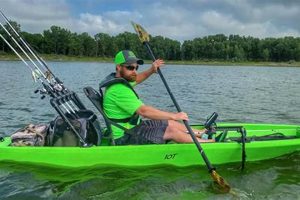
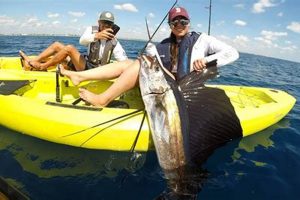
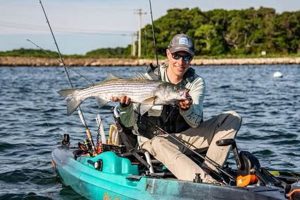
Outriggers or pontoon systems affixed to kayaks enhance stability, particularly beneficial for anglers. These buoyant attachments create a wider base, reducing the likelihood of capsizing and providing a more secure platform for casting, reeling, and landing fish. They come in various designs, materials, and sizes to suit different kayak types and fishing styles.
Enhanced stability contributes significantly to angler safety and comfort, especially in challenging conditions like currents or wind. A stable platform allows for greater freedom of movement while fishing, minimizing distractions and maximizing focus on the activity. Historically, the need for stability in small fishing vessels has driven innovation, leading to the development of outriggers and similar stabilizing mechanisms. These advancements have expanded fishing opportunities, allowing access to previously inaccessible waters.
This article will delve further into the various types of kayak stability enhancements, their respective advantages and disadvantages, installation procedures, and factors to consider when choosing the optimal system for individual needs and fishing environments.
Tips for Utilizing Kayak Stability Enhancements
Proper selection and utilization of kayak stability systems are crucial for maximizing their benefits. The following tips offer guidance on optimizing performance and safety.
Tip 1: Consider Water Conditions: Calm waters may not necessitate extensive stabilization, while rougher conditions warrant robust systems. Match the degree of stabilization to the anticipated environment.
Tip 2: Evaluate Kayak Compatibility: Ensure the chosen system is compatible with the kayak’s design and weight capacity. Consult manufacturer recommendations for guidance.
Tip 3: Prioritize Proper Installation: Correct installation is essential for optimal performance and safety. Follow manufacturer instructions meticulously and seek professional assistance if needed.
Tip 4: Practice Deployment and Retrieval: Familiarize oneself with the deployment and retrieval mechanisms in calm water before venturing into challenging conditions.
Tip 5: Adjust for Optimal Performance: Fine-tune the system’s position and configuration for optimal stability based on individual needs and fishing style.
Tip 6: Regularly Inspect and Maintain: Periodic inspection and maintenance are crucial for ensuring the system’s long-term effectiveness and safety. Check for wear, tear, and proper functionality.
Tip 7: Understand Local Regulations: Some bodies of water may have regulations regarding the use of stabilizing devices. Check local guidelines before deployment.
By adhering to these guidelines, anglers can enhance safety, improve fishing performance, and broaden their access to various fishing environments.
This information provides a foundation for making informed decisions regarding kayak stability enhancements. Further research and consultation with experts are encouraged.
1. Types

Various stabilizer types cater to diverse kayak fishing needs and preferences. Understanding these distinctions is crucial for selecting the appropriate system. Two primary categories dominate the market: outriggers and pontoon systems. Outriggers, typically rigid arms extending outward from the kayak’s hull, provide exceptional stability, especially in rough conditions. They are often favored by anglers targeting larger fish or fishing in open water. Pontoon systems, inflatable or rigid floats attached to the kayak’s sides, offer a balance of stability and portability. They are popular for calmer waters and easier storage.
Within these categories, further differentiation exists based on materials, size, and adjustability. For instance, outriggers can be constructed from aluminum, fiberglass, or composite materials, each with its own weight and strength characteristics. Pontoon size influences stability and drag, with larger pontoons offering greater stability but potentially hindering maneuverability. Adjustable systems allow anglers to customize the degree of stability based on prevailing conditions and fishing style. Selecting between an inflatable and a rigid pontoon system depends on factors such as storage space, deployment speed, and desired level of durability. An inflatable pontoon system provides convenient portability, while a rigid system offers greater inherent stability.
Choosing the correct stabilizer type hinges on careful consideration of several factors. These include the intended fishing environment (calm lakes versus open ocean), the target species (smaller panfish versus larger game fish), storage limitations, and personal preferences. A thorough assessment of these factors ensures selection of a system that optimizes stability, performance, and overall fishing experience. The versatility afforded by different types allows anglers to tailor their equipment to specific fishing scenarios.
2. Installation
Proper installation of kayak fishing stabilizers is paramount for ensuring their effectiveness and preserving the kayak’s structural integrity. Incorrect installation can compromise stability, leading to potential safety hazards and equipment damage. This section outlines key facets of the installation process.
- Mounting Location
Stabilizer mounting locations significantly influence performance. Outriggers typically attach to the hull near the cockpit, maximizing leverage and stability. Pontoon systems often connect to mounting points along the gunwales or utilize straps. Careful consideration of the kayak’s design and the stabilizer manufacturer’s recommendations is essential for selecting appropriate mounting points. Incorrect placement can create stress points, weakening the kayak’s structure or hindering performance. For example, mounting outriggers too far forward or aft can negatively impact balance and maneuverability. Optimal placement ensures even weight distribution and efficient stabilization.
- Hardware and Fasteners
Utilizing appropriate hardware and fasteners is crucial for secure attachment. Marine-grade stainless steel components are recommended due to their corrosion resistance and durability. Using inadequate hardware can result in stabilizer failure, particularly in demanding conditions. For example, substituting standard steel bolts for marine-grade stainless steel can lead to rust and weakening of the connection points. Correctly sized and appropriately installed fasteners ensure a robust and reliable connection, safeguarding against equipment failure and potential accidents.
- Adjustability and Customization
Many stabilizer systems offer adjustable features, allowing customization based on individual needs and fishing conditions. This adjustability enables fine-tuning of the stabilizer’s position and angle, optimizing performance and comfort. For example, adjustable outrigger arms allow anglers to vary the distance from the hull, influencing stability and responsiveness. Similarly, adjustable pontoon straps allow for precise positioning and tensioning. This flexibility allows adaptation to various fishing styles and water conditions.
- Pre-Installation Checks and Preparations
Before commencing installation, thorough checks and preparations are essential. This includes inspecting the kayak for any structural damage or pre-existing issues that may interfere with the installation process. Gathering necessary tools and ensuring a clean, stable workspace facilitate efficient and error-free installation. Furthermore, carefully reviewing the manufacturer’s instructions and seeking professional assistance if needed can prevent costly mistakes and ensure optimal stabilizer performance. Pre-emptive checks mitigate the risk of complications arising during the installation process.
Correct installation directly influences the effectiveness of kayak fishing stabilizers. By adhering to manufacturer guidelines and employing best practices, anglers ensure optimal performance, enhance safety, and prolong the lifespan of their equipment. A properly installed system provides a stable and secure platform, allowing anglers to focus on the task at hand catching fish. The aforementioned facets of installation contribute to a secure, reliable, and effective stabilizing system, enhancing the overall kayak fishing experience.
3. Stability

Stability forms the core function and primary benefit of kayak fishing stabilizers. These devices directly counteract inherent instability in kayaks, particularly noticeable in smaller or narrower models. The physics underlying stability enhancement involves broadening the vessel’s base of support. Stabilizers, whether outriggers or pontoons, extend outward, creating a wider platform. This wider base significantly reduces the kayak’s tendency to roll or tip, enhancing stability. This principle mirrors that of outrigger canoes used in Pacific Islander cultures for centuries, demonstrating a long-standing understanding of stability enhancement through lateral extensions. A stable kayak provides numerous advantages for anglers. For example, standing to cast, a maneuver that significantly increases instability risk in an unstabilized kayak, becomes considerably safer and easier with stabilizers. Similarly, fighting and landing a fish, particularly a larger, more active species, exerts significant destabilizing forces on a kayak, but stabilizers mitigate these forces, reducing the risk of capsize. The enhanced stability translates directly into increased safety and fishing efficacy.
The impact of enhanced stability extends beyond merely preventing capsize. It also contributes significantly to angler comfort and confidence. Reduced wobble and rocking translate to a more comfortable fishing experience, particularly during longer outings. Increased stability also allows for greater freedom of movement within the kayak. Anglers can shift their weight, reach for gear, and engage in various fishing activities with reduced concern about upsetting the kayak’s balance. This enhanced confidence empowers anglers to focus more on fishing and less on maintaining balance, leading to a more enjoyable and productive experience. Consider, for example, an angler fishing in choppy conditions. Without stabilizers, much of their attention might be consumed by maintaining balance. With stabilizers, the angler can focus on their technique and the fish, leading to a more successful and less stressful outing. Moreover, improved stability allows for more aggressive fishing techniques and access to previously challenging fishing locations.
Understanding the connection between stability and kayak fishing stabilizers is crucial for selecting and utilizing these devices effectively. Choosing the appropriate stabilizer type and ensuring proper installation are key steps in maximizing stability benefits. While stabilizers offer significant advantages, they are not a substitute for fundamental kayaking skills and safety precautions. Proper paddling technique, knowledge of water conditions, and use of personal flotation devices remain essential for safe kayaking. Stabilizers augment these practices, providing an additional layer of security and enabling anglers to push the boundaries of their fishing capabilities safely and confidently.
4. Safety

Kayak fishing stabilizers play a crucial role in enhancing angler safety. Inherently, kayaks, especially smaller models, possess a degree of instability. This instability increases when anglers engage in activities like casting, reeling, or landing fish. Sudden movements or unexpected shifts in weight can lead to capsizing. Stabilizers mitigate this risk by broadening the kayak’s base of support, reducing the likelihood of tipping. This added stability is particularly critical in challenging conditions such as windy weather, choppy water, or strong currents. For example, an angler battling a strong fish in rough water experiences considerable destabilizing forces. Stabilizers provide a crucial counterbalance, reducing the risk of capsize and ensuring angler safety.
The safety benefits of stabilizers extend beyond preventing capsizes. Increased stability allows for greater freedom of movement within the kayak. Anglers can reach for gear, change positions, and execute fishing techniques with less risk of losing balance. This is particularly important when handling fishing equipment, such as rods, reels, and tackle boxes. An unexpected shift in weight while managing equipment can lead to instability, but stabilizers help maintain balance, preventing accidents. Furthermore, increased stability provides a more secure platform for entering and exiting the kayak, reducing the risk of falls, especially in shallow water or onto slippery surfaces. This enhanced security is particularly beneficial for anglers with mobility limitations or those fishing in challenging environments.
While stabilizers significantly enhance safety, they do not eliminate all risks associated with kayak fishing. Continued adherence to fundamental safety practices remains essential. Wearing a personal flotation device (PFD) is paramount, regardless of perceived stability. Understanding water conditions, weather forecasts, and local regulations are also crucial for safe kayaking. Stabilizers function as a valuable safety enhancement, but they are most effective when integrated into a comprehensive safety strategy. Proper installation, regular maintenance, and adherence to manufacturer guidelines maximize the safety benefits of stabilizers. By combining responsible practices with appropriate equipment, anglers can create a safer and more enjoyable kayak fishing experience. Ultimately, a proactive and comprehensive approach to safety ensures a more positive outcome on the water.
5. Regulations

Regulations pertaining to kayak fishing stabilizers vary depending on location and governing authority. Understanding and complying with these regulations is crucial for legal and responsible kayak fishing. Regulations may address aspects like permitted stabilizer types, size restrictions, and mandatory safety equipment requirements when using stabilizers. Ignorance of applicable regulations can lead to fines or other penalties. Furthermore, adhering to regulations contributes to overall safety on the water, protecting both individual anglers and the broader environment. This section explores key regulatory considerations related to kayak fishing stabilizers.
- Vessel Classification
Regulations often classify kayaks with stabilizers differently than standard kayaks. This classification may impact registration requirements, permitted usage areas, and required safety equipment. For example, some jurisdictions may classify a kayak with large outriggers as a multi-hull vessel, subjecting it to different regulations than a standard single-hull kayak. Understanding how stabilizers affect vessel classification is crucial for compliance. Anglers should consult local boating authorities to determine specific classification rules and associated requirements.
- Navigational Restrictions
Certain waterways may impose restrictions on vessels with stabilizers, particularly in designated areas like swimming zones or narrow channels. These restrictions often relate to maneuverability and potential hazards to other water users. For example, a kayak with wide stabilizers might be restricted from navigating narrow passages due to its increased width. Anglers must familiarize themselves with navigational restrictions applicable to their chosen fishing locations and ensure their setup complies with those rules. Local boating regulations and waterway maps often provide this information.
- Safety Equipment Mandates
Regulations may stipulate additional safety equipment requirements for kayaks equipped with stabilizers. This stems from the potential for altered stability characteristics and usage scenarios. For example, some jurisdictions might require vessels with stabilizers to carry additional flotation devices or signaling equipment. These requirements often align with the vessel’s classification and intended usage. Anglers should consult relevant regulations to ensure compliance with mandatory safety equipment stipulations, prioritizing their safety and that of others on the water.
- Licensing and Permits
Depending on the jurisdiction and specific regulations, kayaks with certain types or sizes of stabilizers might require specific licenses or permits. This is often linked to the vessel’s classification and its impact on waterway usage. For instance, commercial fishing kayaks with extensive stabilizer systems might require different licensing than recreational fishing kayaks. Anglers should verify licensing and permit requirements with local authorities to ensure legal compliance. This proactive approach avoids potential penalties and ensures uninterrupted fishing activities.
Understanding and adhering to regulations related to kayak fishing stabilizers is essential for responsible and legal angling. Regulations safeguard both individual anglers and the shared aquatic environment. Staying informed about specific regulations applicable to chosen fishing locations ensures compliance and contributes to a safe and enjoyable kayaking experience. By prioritizing regulatory compliance, anglers demonstrate respect for the environment and fellow water users, fostering a positive and sustainable approach to kayak fishing.
Frequently Asked Questions
This section addresses common inquiries regarding kayak fishing stabilizers, providing concise and informative responses.
Question 1: Do kayak stabilizers hinder maneuverability?
While stabilizers can slightly impact maneuverability, the effect depends on factors like stabilizer type, size, and kayak design. Smaller, well-designed systems often have minimal impact, while larger systems may reduce turning speed and agility. Proper selection and adjustment minimize any negative impact on maneuverability.
Question 2: Are stabilizers necessary for all kayak fishing situations?
Stabilizers are not universally required. Calm, sheltered waters may not necessitate their use, while rougher conditions or specific fishing styles, such as stand-up fishing, greatly benefit from added stability. Angler experience and comfort level also influence the decision.
Question 3: How do stabilizers affect kayak speed and tracking?
Stabilizers introduce additional drag, potentially reducing speed and impacting tracking. However, the extent of these effects varies significantly depending on design and water conditions. Streamlined designs and proper adjustment minimize speed reduction and tracking deviations.
Question 4: What maintenance do stabilizers require?
Maintenance requirements vary depending on the stabilizer type. Regular inspection for wear and tear is essential for all systems. Rigid systems may require occasional tightening of hardware, while inflatable systems necessitate checks for leaks and proper inflation. Proper maintenance ensures optimal performance and longevity.
Question 5: Can stabilizers be used with any kayak?
Not all stabilizers are universally compatible. Kayak design, weight capacity, and available mounting points influence stabilizer compatibility. Consulting manufacturer recommendations and considering professional advice ensures proper fit and functionality.
Question 6: Do stabilizers affect kayak storage and transportation?
Stabilizers can impact storage and transportation. Rigid systems may require additional storage space or disassembly, while inflatable systems offer greater portability when deflated. Careful consideration of storage and transportation logistics is necessary when selecting a stabilizer system.
Careful consideration of individual needs, fishing conditions, and kayak compatibility ensures selection and utilization of an appropriate stabilizer system. Consulting experienced anglers or specialized retailers provides valuable insights for informed decision-making.
This FAQ section provides a foundational understanding of kayak fishing stabilizers. Further research and practical experience contribute to informed choices and safe kayak fishing practices.
Conclusion
Kayak fishing stabilizers offer significant advantages in terms of stability, safety, and fishing efficacy. Various types, including outriggers and pontoon systems, cater to diverse needs and preferences. Proper selection hinges on factors such as kayak compatibility, intended fishing environment, and angler experience. Correct installation, regular maintenance, and adherence to relevant regulations are crucial for maximizing benefits and ensuring safe operation. Understanding the interplay between stability enhancement, maneuverability, and potential impacts on speed and tracking informs effective stabilizer utilization. Addressing common queries regarding compatibility, maintenance, and regulatory considerations empowers informed decision-making.
Ultimately, kayak fishing stabilizers represent a valuable tool for enhancing the angling experience. Continued advancements in design and technology promise further refinements in stability enhancement, offering exciting possibilities for kayak anglers. Thorough research and careful consideration of individual needs remain paramount for leveraging the full potential of these devices, promoting safer and more productive kayak fishing practices.