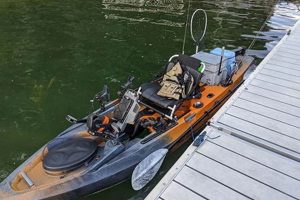
Traditional watercraft designed and built by indigenous cultures are often employed for angling activities. These vessels, typically smaller and more maneuverable than modern recreational kayaks, are crafted using time-honored techniques and materials sourced from the local environment. Examples include the Aleutian baidarka, the Inuit kayak, and various dugout canoes used in different parts of the world.
Utilizing these traditional boats for angling provides a unique connection to cultural heritage and ancestral practices. Their design, developed over generations, often offers excellent stability and efficiency in specific water conditions. This can prove advantageous for navigating shallow waters, maneuvering through tight spaces, and achieving a stealthy approach for successful fishing. Furthermore, the practice often promotes sustainable resource management and a deep understanding of the local ecosystem.
This exploration of traditional fishing practices will delve into the specific design features, construction methods, and cultural significance of various indigenous watercraft used for angling across the globe. Furthermore, it will examine the evolving relationship between these traditional methods and contemporary fishing techniques, considering the impact of both on the environment and cultural preservation.
Tips for Angling from Traditional Watercraft
Successfully fishing from a traditional watercraft requires an understanding of both the vessel’s characteristics and the local environment. These tips offer guidance for a safe and productive experience.
Tip 1: Understand the Vessel’s Stability: Traditional boats often have unique stability characteristics. Practice maneuvering and balancing before venturing into deeper water or challenging conditions. Consider the impact of gear and catch on balance.
Tip 2: Respect Local Knowledge and Regulations: Consult with local communities or experienced individuals regarding traditional fishing practices, sustainable harvesting methods, and any specific regulations for the area.
Tip 3: Adapt Fishing Techniques: Traditional vessels may require adjustments to standard angling techniques. Consider using traditional fishing gear or adapting modern methods to suit the boat’s design and the local environment.
Tip 4: Prioritize Safety: Always wear appropriate safety gear, including a personal flotation device. Be aware of weather conditions and water currents, and inform someone of your fishing plans.
Tip 5: Minimize Environmental Impact: Practice Leave No Trace principles. Pack out all trash and avoid disturbing natural habitats. Utilize sustainable fishing practices to preserve fish populations and ecosystem health.
Tip 6: Learn Basic Repairs: Familiarize oneself with basic repairs for the specific type of traditional watercraft being used. Carry essential repair materials to address minor damages in the field.
Tip 7: Observe Wildlife Respectfully: Maintain a safe distance from wildlife and avoid disturbing their natural behavior. Recognize the interconnectedness of the ecosystem and the importance of respecting all its inhabitants.
By following these tips, anglers can ensure a rewarding and responsible experience while utilizing traditional watercraft, promoting both cultural preservation and environmental stewardship.
This guidance provides a foundation for successful angling from traditional watercraft. Further research and practical experience will enhance one’s understanding and appreciation of this unique fishing approach.
1. Vessel Design

The design of a traditional fishing kayak directly impacts its effectiveness and suitability for specific fishing environments. Developed over generations, these designs reflect a deep understanding of local waters and targeted species. Analyzing key design elements reveals the ingenuity and practicality of these vessels.
- Hull Form:
Hull shape significantly influences stability, maneuverability, and speed. A flat-bottomed hull provides excellent stability for fishing in calm waters, while a rounded or V-shaped hull offers better tracking and speed in open water or rougher conditions. For example, the wide, flat bottom of a Pacific Northwest dugout canoe provides stability for netting salmon, while the sleek, rounded hull of an Aleutian baidarka allows for efficient paddling in rough seas.
- Length and Width:
The vessel’s dimensions impact its capacity and handling. Longer kayaks track better in open water, while shorter kayaks offer increased maneuverability in tight spaces like mangrove forests or rocky shorelines. Wider kayaks provide more stability, while narrower kayaks are faster and more efficient for long-distance travel. The relatively short length of a Greenland kayak enables quick turns for hunting seals, while the longer length of an Amazonian fishing canoe allows for carrying larger loads of fish.
- Construction Materials:
Traditional kayaks are constructed using locally sourced materials like wood, animal skins, or woven plant fibers. These materials influence the vessel’s weight, durability, and buoyancy. A lightweight wooden frame covered in stretched animal skin creates a flexible and resilient craft, while a dugout canoe crafted from a single log offers robustness and longevity. The use of driftwood in some Northwest Coast canoes demonstrates adaptation to available resources.
- Cockpit Design:
The cockpit’s size and shape affect the paddler’s comfort, mobility, and protection from the elements. A small, enclosed cockpit offers protection from cold water and spray, while a larger, open cockpit allows for greater freedom of movement for casting and landing fish. The tight cockpit of an Inuit kayak provides insulation in frigid Arctic waters.
These interconnected design elements demonstrate the sophisticated adaptation of traditional fishing kayaks to specific environments and fishing practices. Understanding these features provides insight into the ingenuity and resourcefulness of indigenous cultures and their deep connection to the aquatic world.
2. Paddling Technique

Effective paddling technique is essential for successful fishing from a native kayak. It directly influences maneuverability, stealth, and efficiency, allowing anglers to navigate diverse water conditions and approach fish effectively. A deep understanding of paddling dynamics is crucial for maximizing the inherent advantages of these traditional vessels.
Different paddling styles serve distinct purposes. A powerful forward stroke propels the kayak efficiently across open water, while a subtle draw stroke allows for precise adjustments in position. A stern rudder provides directional control without significantly disturbing the water’s surface, vital for stealthy approaches when fishing. For example, Inuit hunters employ a quiet, rhythmic paddling style to approach seals without detection, while Pacific Northwest fishermen utilize a more powerful stroke to navigate strong currents and surf. The smooth, controlled strokes minimize disturbance, crucial for maintaining a low profile and avoiding spooking fish.
Furthermore, efficient paddling conserves energy, allowing anglers to cover greater distances and spend more time fishing. This is particularly important in remote locations or when targeting specific fishing grounds. Understanding the interplay of paddle angle, blade depth, and body posture optimizes power transfer and minimizes fatigue. Adapting paddling technique to varying water conditions, such as wind, currents, and waves, enhances control and stability, contributing to a safer and more productive fishing experience. Mastering these techniques enables anglers to fully utilize the native kayak’s capabilities, maximizing their connection with the water and enhancing their fishing prowess.
3. Sustainable Fishing

Sustainable fishing practices are intrinsically linked to the tradition of fishing from native kayaks. This connection stems from the deep respect for the environment and the understanding of the delicate balance within aquatic ecosystems inherent in many indigenous cultures. Utilizing traditional methods often reflects a commitment to responsible resource management, ensuring the long-term health and productivity of fish populations and their habitats.
- Traditional Ecological Knowledge (TEK):
TEK plays a vital role in sustainable fishing practices. This accumulated knowledge, passed down through generations, informs decisions regarding fishing locations, timing, and techniques. It often incorporates an understanding of fish migration patterns, spawning seasons, and the interconnectedness of species within the ecosystem. For example, indigenous communities in the Pacific Northwest have intricate knowledge of salmon life cycles, informing their selective fishing practices that minimize impact on vulnerable populations. This deep understanding allows for a harmonious relationship between fishing activities and the natural world.
- Selective Harvesting:
Fishing from native kayaks frequently involves selective harvesting techniques, targeting specific species and sizes of fish while minimizing bycatch and habitat disturbance. This approach, often employing traditional fishing gear like spears, hand lines, or nets, allows for greater control over the catch, reducing unintended impacts on non-target species and the environment. For instance, traditional spear fishing methods allow for precise targeting of individual fish, minimizing damage to surrounding habitats and reducing waste compared to some modern fishing methods.
- Respectful Resource Management:
The practice often embodies a philosophy of respectful resource management, taking only what is needed and ensuring that enough fish remain to replenish the population. This approach emphasizes long-term sustainability over short-term gains. Examples include limiting catch sizes, observing seasonal fishing closures, and utilizing specific fishing areas to allow for stock recovery. These practices, often embedded in cultural traditions and ceremonies, reinforce the importance of responsible resource use and intergenerational stewardship.
- Minimal Environmental Impact:
Native kayaks, typically constructed from natural materials and powered by human energy, have a minimal environmental impact compared to motorized boats. Their quiet operation and maneuverability allow for access to shallow waters and sensitive habitats without significant disturbance. Furthermore, traditional fishing methods often avoid the use of complex gear or chemicals that can harm aquatic ecosystems. The low-impact nature of these practices contributes to the preservation of water quality and overall ecosystem health.
These interconnected elements highlight the inherent sustainability of fishing from native kayaks. By integrating traditional ecological knowledge, selective harvesting techniques, and respectful resource management, these practices contribute to the long-term health and productivity of aquatic ecosystems. This approach offers valuable lessons for contemporary fisheries management and reinforces the importance of incorporating indigenous perspectives into conservation efforts.
4. Environmental Awareness

Environmental awareness is integral to the practice of fishing from a native kayak. This connection stems from the intimate relationship between the paddler, the vessel, and the surrounding aquatic environment. A heightened awareness of environmental factors influences decision-making, promotes responsible behavior, and contributes to the long-term health of the ecosystem. This awareness extends beyond mere observation to encompass an understanding of ecological processes and the potential impacts of human activities.
The quiet, non-motorized nature of native kayaks allows for close observation of the natural world, fostering a deeper appreciation for its complexity and fragility. Paddlers become attuned to subtle changes in water conditions, wildlife behavior, and habitat health. This direct experience fosters a sense of stewardship and responsibility, encouraging practices that minimize disturbance and preserve the ecological balance. For example, recognizing the sensitivity of spawning areas might lead a kayaker to choose an alternate fishing location, minimizing disruption to critical life cycle stages. Similarly, observing the presence of indicator species can provide insights into water quality and overall ecosystem health, informing decisions about where to fish and how to minimize potential impacts.
Furthermore, environmental awareness influences gear choices and fishing techniques. Practitioners often prioritize the use of sustainable materials and traditional methods that minimize bycatch and habitat damage. Understanding the interconnectedness of species within the food web informs decisions regarding target species and harvest limits. This awareness extends beyond immediate fishing activities to encompass broader conservation efforts, such as participating in habitat restoration projects or advocating for responsible resource management policies. Ultimately, the integration of environmental awareness into the practice of fishing from a native kayak fosters a reciprocal relationship between humans and the aquatic environment, ensuring the long-term sustainability of both cultural traditions and ecological health. This holistic approach recognizes the interconnectedness of human actions and environmental well-being, fostering a sense of responsibility and promoting practices that contribute to the preservation of natural resources for future generations.
5. Cultural Respect

Cultural respect is paramount when engaging with the practice of fishing from a native kayak. This tradition, deeply intertwined with the history, spirituality, and livelihoods of indigenous communities worldwide, requires sensitivity and understanding. Fishing from a native kayak is not merely a recreational activity; it often represents a cultural inheritance, embodying traditional ecological knowledge, sustainable practices, and a profound connection to ancestral lands and waters. Failing to approach this practice with respect can perpetuate harmful stereotypes, undermine cultural preservation efforts, and damage the relationships between indigenous communities and the wider world. For example, using a native kayak design for commercial purposes without proper acknowledgement or benefit-sharing can be considered cultural appropriation, causing harm to the communities who hold these traditions sacred.
Demonstrating cultural respect involves acknowledging the origins and significance of native kayak designs and fishing practices. This includes recognizing the intellectual property rights of indigenous communities and seeking their permission or guidance when engaging with their traditions. Learning about the cultural context surrounding these practices, including associated ceremonies, protocols, and beliefs, further enhances understanding and appreciation. Supporting indigenous-led initiatives, such as cultural centers, museums, or educational programs, provides tangible ways to demonstrate respect and contribute to cultural preservation. Engaging in respectful dialogue with indigenous communities fosters mutual understanding and strengthens relationships. Practical applications of cultural respect include obtaining permission before replicating traditional designs, actively listening to and learning from indigenous knowledge holders, and supporting efforts to revitalize and sustain traditional practices. For instance, collaborating with indigenous communities to offer workshops on traditional boat building or fishing techniques can promote cultural exchange while empowering local artisans and knowledge keepers.
Respectful engagement with the practice of fishing from a native kayak necessitates a shift from a purely recreational or sporting perspective to one that recognizes the cultural significance and historical depth of this tradition. By prioritizing cultural respect, individuals contribute to the preservation of indigenous heritage, foster intercultural understanding, and strengthen the connections between people and their environment. This approach ensures that the practice of fishing from a native kayak continues to be a source of cultural pride, ecological knowledge, and sustainable livelihood for generations to come. Challenges may include navigating complex cultural protocols or addressing historical injustices related to appropriation and exploitation. However, prioritizing ethical engagement and open communication fosters positive relationships and contributes to the ongoing revitalization of indigenous cultures.
6. Safety Considerations

Safety is paramount when fishing from a native kayak. The inherent characteristics of these vessels, often coupled with remote locations and dynamic water conditions, necessitate careful planning and a proactive approach to risk management. Overlooking safety considerations can lead to serious incidents, jeopardizing both personal well-being and the integrity of the cultural tradition.
- Cold Water Immersion:
Traditional kayaks offer limited protection from cold water immersion, posing significant risks of hypothermia and even drowning. Appropriate clothing, such as drysuits or wetsuits, is crucial for insulation and buoyancy. Understanding cold water survival techniques, including self-rescue and signaling for help, is essential. For example, practicing re-entry techniques in a controlled environment can significantly improve chances of survival in a real emergency. The low profile of these kayaks makes them more susceptible to swamping in rough conditions, highlighting the importance of proper attire and preparation.
- Weather Conditions:
Changing weather patterns, including sudden winds, storms, or fog, can create hazardous conditions for kayakers. Checking weather forecasts before embarking and continuously monitoring conditions during the trip are critical. Carrying appropriate safety equipment, such as a VHF radio, signaling devices, and a navigation system, enhances preparedness. Understanding local weather patterns, such as predictable afternoon winds or tidal currents, informs route planning and decision-making. For example, being aware of the potential for rapid fog formation in coastal areas allows kayakers to adjust their plans and navigate safely back to shore.
- Navigation and Communication:
Navigating in remote areas or unfamiliar waters requires careful planning and reliable navigation tools. Carrying charts, a compass, and a GPS device enhances situational awareness and reduces the risk of disorientation. Establishing communication protocols, such as informing someone of the planned route and estimated return time, is crucial in case of emergencies. Knowledge of local landmarks and navigational hazards, such as reefs or currents, contributes to safe passage. For example, knowing how to interpret tidal charts is essential for navigating intertidal zones safely and avoiding grounding.
- Wildlife Encounters:
Encounters with wildlife, while often enriching experiences, can pose safety risks. Maintaining a respectful distance from marine mammals, such as seals or whales, and avoiding provoking defensive behavior is crucial. Understanding local wildlife and potential hazards, such as aggressive territorial behavior or the presence of large predators, informs safe practices. Carrying appropriate safety gear, such as bear spray in bear country, can mitigate risks. For example, recognizing the signs of a defensive seal, such as loud vocalizations or head bobbing, allows kayakers to avoid escalating the situation and maintain a safe distance.
These safety considerations are interconnected and underscore the importance of a holistic approach to risk management when fishing from a native kayak. Prioritizing safety not only protects individuals but also demonstrates respect for the cultural heritage associated with these traditional vessels, ensuring the continuation of responsible and sustainable practices. Neglecting these precautions can have severe consequences, impacting both personal safety and the perception of the cultural tradition itself. Continuous learning and adaptation to specific environmental conditions are essential for mitigating risks and promoting safe and rewarding experiences.
Frequently Asked Questions
This section addresses common inquiries regarding the practice of fishing from traditional kayaks, offering clarity and promoting informed engagement with this cultural activity. Understanding these key aspects fosters greater appreciation for the nuances and significance of this tradition.
Question 1: How does fishing from a traditional kayak differ from using modern recreational kayaks?
Traditional kayaks, designed and built by indigenous communities, often prioritize maneuverability, stability, and a close connection to the water. They typically feature designs specifically adapted to local environments and traditional fishing techniques, whereas modern recreational kayaks are often mass-produced and designed for broader recreational use. The use of traditional kayaks may connect to cultural heritage and specific fishing practices not typically associated with recreational kayaking.
Question 2: Are specialized skills required to fish from a traditional kayak?
Proficiency in paddling, knowledge of local water conditions, and an understanding of traditional fishing techniques are beneficial. Learning from experienced practitioners within indigenous communities offers valuable insights and ensures respectful engagement with cultural practices. For example, specific paddling strokes or methods for maneuvering in challenging currents are often passed down through generations.
Question 3: What are the environmental considerations associated with fishing from traditional kayaks?
Minimizing environmental impact is a core principle. Adhering to sustainable fishing practices, respecting local regulations, and avoiding disturbance of wildlife and sensitive habitats are crucial. Traditional ecological knowledge often informs responsible resource management, ensuring the long-term health of aquatic ecosystems. This includes understanding fish migration patterns and adhering to culturally determined catch limits.
Question 4: How can one learn more about the cultural significance of traditional kayaks and associated fishing practices?
Engaging with indigenous communities, visiting cultural centers and museums, and participating in educational programs offer valuable learning opportunities. Respectful dialogue with knowledge holders and elders provides insights into the history, spirituality, and ecological knowledge embedded within these traditions. Supporting indigenous-led initiatives contributes to cultural preservation and strengthens intercultural understanding.
Question 5: What safety precautions should one take when fishing from a traditional kayak?
Prioritizing safety involves understanding weather conditions, water currents, and potential wildlife encounters. Wearing appropriate safety gear, such as a personal flotation device, and carrying communication and navigation equipment are essential. Learning basic self-rescue techniques and cold water survival strategies enhances preparedness for potential emergencies. This knowledge contributes to a safe and responsible experience, demonstrating respect for the inherent risks associated with this activity. Traditional knowledge often emphasizes preparedness and caution, aligning with modern safety recommendations.
Question 6: Where can one find authentic traditional kayaks or learn how to build them?
Connecting with indigenous artisans and boat builders offers opportunities to acquire authentic traditional kayaks or participate in workshops focused on traditional construction methods. Supporting these craftspeople helps preserve cultural heritage and ensures the continuation of these specialized skills. Researching cultural centers or organizations dedicated to preserving traditional boat-building techniques can provide valuable resources and connections.
Respectful engagement with the cultural and ecological aspects of fishing from traditional kayaks enriches the experience, fostering a deeper appreciation for the interconnectedness of human traditions and the natural world.
Further exploration of specific regional traditions and native kayak designs provides a more nuanced understanding of this unique and historically significant practice.
Conclusion
Exploration of traditional watercraft utilized for angling reveals a deep connection between cultural heritage, sustainable practices, and ecological knowledge. Vessel design, paddling techniques, and fishing methods reflect generations of adaptation to specific environments and a profound understanding of aquatic ecosystems. The emphasis on sustainable harvesting, respect for natural resources, and minimal environmental impact underscores the importance of traditional ecological knowledge in contemporary resource management. Furthermore, prioritizing safety considerations and engaging respectfully with indigenous cultures are essential for preserving the integrity of these traditions.
Continued research, collaboration with indigenous communities, and the integration of traditional ecological knowledge into contemporary conservation efforts offer valuable opportunities for promoting sustainable fisheries management and preserving cultural heritage. The practice of fishing from traditional watercraft serves as a powerful reminder of the interconnectedness of human societies and the natural world, urging a responsible and respectful approach to resource utilization for the benefit of present and future generations. This enduring legacy underscores the need for ongoing dialogue and collaborative action to safeguard both cultural diversity and ecological health.