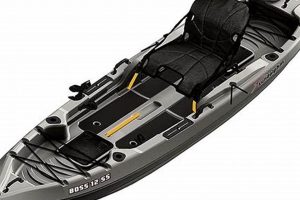
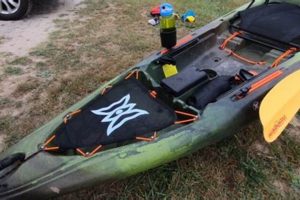
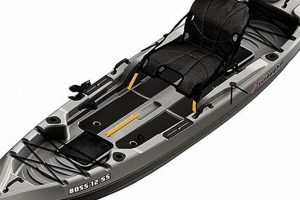
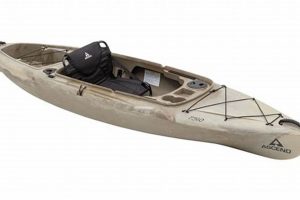
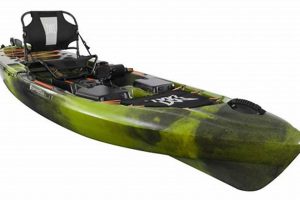
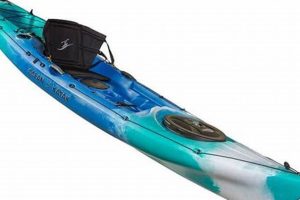
This style of kayak features an open deck, allowing the paddler to sit above the waterline. This design offers inherent stability and ease of entry and exit, making it a popular choice for various water activities, especially angling. A typical example includes molded-in rod holders, storage compartments, and other specialized features for anglers.
The self-bailing nature of these watercraft provides an advantage in calmer waters or near-shore environments. Their open design contributes to comfort in warm climates and facilitates easy re-entry after an accidental capsize. Historically, this kayak style evolved from simpler, recreational designs, adapting features to better suit the needs of fishermen. This evolution has led to a wide range of specialized vessels catering to diverse fishing styles and environments.
Further exploration will delve into specific design features, advantages and disadvantages of different hull types, recommended gear and accessories, popular fishing techniques from this type of watercraft, and essential safety considerations.
Tips for Kayak Fishing
Careful planning and preparation contribute significantly to a successful and enjoyable fishing excursion. The following tips offer guidance for enhancing on-water experiences.
Tip 1: Stability is paramount. Choose a vessel appropriate for the intended body of water and anticipated conditions. Wider hulls generally offer greater stability, especially for beginners. Consider adding outriggers or stabilizers for increased security.
Tip 2: Prioritize safety equipment. A personal flotation device (PFD) is essential. Carry a signaling device such as a whistle or air horn. Inform someone of the planned fishing location and estimated return time.
Tip 3: Organize essential gear. Keep fishing tackle, tools, and safety equipment readily accessible. Utilize waterproof bags or containers to protect sensitive items from moisture.
Tip 4: Understand paddling techniques. Learn basic paddling strokes for efficient maneuvering and control. Practice launching and landing in calm water before venturing into more challenging environments.
Tip 5: Respect the environment. Adhere to local fishing regulations and licensing requirements. Practice catch-and-release whenever possible. Dispose of waste responsibly.
Tip 6: Check weather conditions. Avoid venturing out in adverse weather such as strong winds, thunderstorms, or fog. Monitor forecasts before and during the fishing trip.
Tip 7: Plan for potential emergencies. Carry a first-aid kit and know basic first-aid procedures. Develop a plan for self-rescue or contacting emergency services if needed.
By implementing these recommendations, anglers can enhance their safety, improve fishing success, and foster a deeper appreciation for the aquatic environment.
This foundation of knowledge facilitates informed decisions regarding equipment selection, fishing techniques, and safety practices, contributing to a more rewarding experience on the water.
1. Stability

Stability is a paramount consideration in sit-on-top kayak fishing, directly influencing angler safety, casting effectiveness, and overall fishing experience. A stable platform allows for comfortable casting, reduces the risk of capsizing, and instills confidence in various water conditions. This exploration delves into the key facets contributing to kayak stability.
- Hull Design
Hull design significantly impacts stability. Wider hulls generally provide more initial stability, resisting tipping, particularly beneficial for beginners or when fishing in rougher conditions. A flatter hull contributes to primary stability, crucial for remaining upright while stationary. Examples include pontoon-style hulls or those with pronounced chines. Conversely, narrower hulls, often preferred for speed and tracking, offer less initial stability but may provide secondary stability the ability to resist capsize when leaned through hull shape and water displacement. This makes them more suitable for experienced anglers in calmer waters.
- Center of Gravity
Maintaining a low center of gravity is crucial for stability. Sitting lower in the kayak improves balance. Distributing weight evenly within the vessel also enhances stability. Positioning heavier items closer to the center and avoiding excessive weight at the gunwales (sides) optimizes balance. For example, storing tackle boxes centrally rather than on the edges contributes to a stable platform.
- Water Conditions
Calm water conditions generally offer greater stability. However, wind, currents, and waves can significantly impact balance. Understanding how a kayak performs in different water conditions is essential. For instance, a kayak stable in calm waters might become unstable in strong winds or choppy conditions. Considerations include wind direction, current speed, and wave height when assessing potential challenges to stability.
- Angler Behavior
Angler movements and actions also influence stability. Sudden movements, leaning too far to one side, or standing up abruptly can compromise balance. Smooth, controlled movements are crucial for maintaining stability. Practicing casting and retrieving while seated enhances stability and minimizes the risk of tipping. Furthermore, understanding how the kayak responds to different movements improves control and balance on the water.
These interconnected facets of stability collectively determine the overall performance and safety of a sit-on-top fishing kayak. Matching hull design to intended water conditions, maintaining a low center of gravity, and practicing controlled movements contribute significantly to a secure and productive fishing experience. Choosing a kayak with appropriate stability features is paramount for anglers seeking to optimize performance and minimize risk.
2. Comfort

Comfort plays a pivotal role in the overall enjoyment and effectiveness of sit-on-top kayak fishing. Extended periods on the water necessitate a comfortable seating arrangement and ample space for movement. Discomfort can lead to fatigue, reduced fishing effectiveness, and a shortened trip. Several factors contribute to comfort in these kayaks.
Seat Design: A well-designed seat provides crucial support and cushioning. Adjustable seating systems allow for personalized positioning, accommodating different body types and preferences. High-back seats offer lumbar support, reducing back strain during long hours on the water. Breathable fabrics enhance comfort in warm weather, preventing overheating and moisture buildup. A comfortable seat enables anglers to focus on fishing, rather than physical discomfort.
Leg Room and Space: Adequate legroom and deck space contribute significantly to comfort and facilitate movement. Sufficient space allows anglers to change positions, stretch, and access gear without feeling cramped. Recessed footwells provide comfortable leg positioning and enhance stability. Ample deck space allows for easier casting and maneuvering. For example, a kayak with adjustable footrests and a wide, open deck offers greater comfort and freedom of movement compared to a cramped, restrictive design.
Ergonomics and Posture: Ergonomic considerations enhance comfort and prevent strain. Proper posture and support minimize fatigue and contribute to a more enjoyable fishing experience. Adjustable backrests, footrests, and thigh braces allow for customized positioning and optimal weight distribution. Features like padded armrests and strategically placed handles further enhance comfort and control. For instance, a kayak with adjustable thigh braces allows paddlers to maintain a comfortable and efficient paddling posture, reducing fatigue and improving performance.
Comfort directly impacts the quality of the fishing experience. Investing in a kayak with a comfortable seat, ample space, and ergonomic features enhances enjoyment and allows anglers to focus on their fishing, leading to longer, more productive, and more satisfying trips. The interplay of seat design, available space, and ergonomic considerations directly influences angler comfort, impacting both enjoyment and performance on the water. Prioritizing comfort enhances the overall fishing experience, contributing to longer, more productive outings.
3. Storage

Storage capacity is a critical element in sit-on-top fishing kayak design, directly impacting organization, accessibility, and overall fishing effectiveness. Efficient storage solutions enable anglers to carry essential gear, maintain a clutter-free deck, and quickly access necessary items. The interplay between storage design and fishing functionality merits careful consideration.
Several storage types commonly feature in these kayaks, each serving distinct purposes. Tank wells, located behind the seat, offer ample space for larger items like tackle crates or coolers. Smaller compartments, often integrated into the deck, accommodate tackle boxes, tools, and personal items. Rod holders, available in flush-mounted, adjustable, and rotating configurations, secure fishing rods and keep them readily available. Dedicated storage for paddles ensures they remain within reach yet out of the way during fishing. For instance, a kayak equipped with a large tank well and multiple smaller compartments allows for organized storage of different gear types, maximizing deck space and facilitating efficient retrieval. Furthermore, specialized storage for electronics, such as fish finders or GPS units, enhances functionality and protects sensitive equipment.
Effective storage contributes significantly to a streamlined and productive fishing experience. Well-designed storage solutions minimize clutter, optimize deck space, and improve safety by reducing tripping hazards. Easy access to essential gear allows anglers to focus on fishing rather than searching for misplaced items. Consideration of storage needs based on fishing style and target species is crucial when selecting a suitable kayak. The capacity, accessibility, and specialized features of the storage system directly influence on-water efficiency and overall fishing success. Prioritizing effective storage contributes to a more organized, productive, and enjoyable fishing experience.
4. Maneuverability

Maneuverability is a critical performance attribute in sit-on-top fishing kayaks, directly influencing access to fishing grounds, responsiveness to changing conditions, and overall on-water efficiency. The ability to navigate tight spaces, swiftly change direction, and maintain control in various water conditions significantly impacts fishing success. This exploration delves into the key facets that govern kayak maneuverability.
- Hull Length and Shape
Hull length significantly affects maneuverability. Shorter kayaks generally turn more quickly, enabling navigation through tight channels, around obstacles, and in close proximity to vegetation. Longer kayaks track more effectively in open water but require more effort to turn. Hull shape also plays a role; kayaks with a pronounced rocker (upward curve at the bow and stern) tend to turn more easily, while those with a flatter hull track better in a straight line. For instance, a short, rockered kayak excels in navigating shallow creeks and maneuvering around mangrove roots, while a longer, flatter hull proves advantageous in open lakes or coastal areas.
- Width and Stability
While wider hulls offer greater stability, they generally compromise maneuverability. Wider kayaks require more effort to turn and accelerate, potentially hindering quick adjustments in dynamic fishing environments. Narrower hulls, while less stable, offer improved maneuverability, allowing for sharper turns and faster acceleration. The trade-off between stability and maneuverability requires careful consideration based on the angler’s skill level and anticipated water conditions. A wider, more stable kayak may suit beginners, while experienced anglers might prefer the responsiveness of a narrower hull in calmer waters.
- Waterline Length
The waterline length the portion of the hull in contact with the water influences both speed and maneuverability. A longer waterline generally contributes to greater speed and improved tracking, while a shorter waterline enhances turning ability. Kayak design often balances these factors to optimize performance for specific fishing styles. For example, a kayak designed for fishing in rivers and streams might prioritize a shorter waterline for enhanced maneuverability, while a kayak intended for open-water trolling may feature a longer waterline for improved speed and tracking.
- Rudder or Skeg Systems
Rudders and skegs enhance directional control and tracking, particularly in windy or current-prone environments. A rudder, controlled by foot pedals, allows for precise steering and course corrections. A skeg, a fixed or retractable fin, improves tracking in a straight line. These features, while not directly impacting turning radius, contribute significantly to overall maneuverability by enhancing control and reducing the need for constant paddle adjustments. For example, a rudder system proves beneficial in strong crosswinds, maintaining course and reducing paddling effort.
These interconnected facets of maneuverability significantly influence the effectiveness and enjoyment of sit-on-top kayak fishing. Selecting a kayak with appropriate maneuverability characteristics, considering hull design, width, and potential use of rudder or skeg systems, enhances the angler’s ability to navigate diverse water environments, access prime fishing locations, and respond effectively to changing conditions. Matching kayak maneuverability to the intended fishing environment ultimately optimizes on-water performance and contributes to a more successful and satisfying experience.
5. Durability
Durability is a critical factor in sit-on-top fishing kayak selection, directly impacting lifespan, maintenance requirements, and overall cost-effectiveness. These kayaks are exposed to harsh marine environments, including UV radiation, saltwater, and physical impacts. Robust construction ensures long-term performance and minimizes the need for frequent repairs. Material selection, construction techniques, and hardware quality significantly influence overall durability.
Polyethylene, a common material for these kayaks, offers excellent impact resistance and UV stability. Variations in polyethylene density and manufacturing processes influence durability. High-density polyethylene (HDPE) generally provides greater rigidity and impact resistance compared to lower-density options. Rotational molding, a common manufacturing technique, creates a seamless, one-piece hull with uniform wall thickness, enhancing strength and durability. Reinforced areas, particularly in high-impact zones like the keel and chines, further enhance resistance to damage. For example, a kayak constructed from high-density polyethylene using rotational molding and featuring reinforced keel protection withstands abrasion and impacts from rocks or submerged debris better than a kayak made from lower-density polyethylene without reinforcement.
Hardware quality also significantly influences long-term durability. Corrosion-resistant fittings, stainless steel fasteners, and high-quality seating components contribute to extended lifespan and reduced maintenance. UV-resistant deck rigging and durable carry handles withstand prolonged sun exposure and heavy use. Investing in a kayak with robust hardware ensures reliable performance and minimizes the need for replacements. Regular maintenance, including cleaning, rinsing with fresh water after saltwater use, and proper storage, further extends the lifespan and preserves the structural integrity of the kayak. Choosing a durable kayak minimizes long-term costs, reduces downtime due to repairs, and ensures reliable performance in demanding environments. Understanding the interplay between material selection, construction techniques, and hardware quality empowers informed purchasing decisions and contributes to a more satisfying long-term ownership experience.
6. Customization
Customization plays a significant role in optimizing sit-on-top fishing kayaks for individual angling styles and preferences. The ability to tailor a kayak to specific needs enhances functionality, improves comfort, and maximizes fishing effectiveness. This adaptability distinguishes these kayaks from more generic recreational models. Customization options range from simple additions to more complex modifications, each impacting performance and angler experience.
Common customization options include installing rod holders, fish finders, GPS units, anchor trolleys, and specialized storage solutions. Rod holders secure fishing rods, keeping them readily accessible and preventing loss. Fish finders and GPS units enhance situational awareness, aiding navigation and fish location. Anchor trolleys control anchor deployment, maintaining position in changing currents or wind conditions. Specialized storage solutions accommodate tackle boxes, tools, and other essential gear. For example, an angler targeting offshore species might install multiple rod holders, a high-powered fish finder, and a GPS unit with nautical charts, while an angler fishing in shallow rivers might prioritize an anchor trolley system and storage for smaller tackle boxes. Furthermore, customization extends to comfort enhancements, such as adjustable seating systems, padded backrests, and footrests, catering to individual ergonomic requirements.
The ability to customize these kayaks directly impacts fishing success and overall enjoyment. Tailoring a kayak to specific needs improves efficiency, reduces clutter, and enhances comfort. This adaptability allows anglers to focus on fishing rather than equipment limitations. Careful consideration of fishing style, target species, and personal preferences guides customization choices, resulting in a highly personalized and effective fishing platform. The practical significance of customization lies in transforming a generic kayak into a specialized tool tailored to individual angling requirements, ultimately maximizing performance and enhancing on-water experiences.
Frequently Asked Questions
This section addresses common inquiries regarding sit-on-top fishing kayaks, providing concise and informative responses to facilitate informed decision-making.
Question 1: Are these kayaks suitable for beginners?
Their inherent stability and ease of entry/exit make them an excellent choice for beginners. Wider hull options further enhance stability, mitigating concerns about tipping.
Question 2: What are the advantages of this style over traditional sit-inside kayaks for fishing?
Key advantages include superior stability, easier access to gear and water, self-bailing capabilities, and simplified re-entry after a capsize. These features enhance fishing functionality and safety, particularly in warmer climates or near-shore environments.
Question 3: How is storage managed on these kayaks?
Storage solutions include tank wells, integrated compartments, and specialized areas for tackle boxes, rods, and other equipment. Careful consideration of storage needs based on fishing style is recommended.
Question 4: What factors influence stability?
Hull design, weight distribution, water conditions, and angler movements all affect stability. Wider hulls and lower centers of gravity generally enhance stability. Calm water conditions also contribute to a more stable platform.
Question 5: Are these kayaks difficult to maneuver?
Maneuverability depends on hull length, shape, and width. Shorter kayaks with rockered hulls generally turn more easily. Longer, narrower kayaks track better in open water but require more effort to turn. Rudder or skeg systems can enhance tracking and control.
Question 6: What maintenance is required?
Regular cleaning, rinsing with fresh water after saltwater exposure, and proper storage contribute to longevity. Inspecting and replacing worn hardware as needed ensures continued performance and safety.
Addressing these common questions provides a foundational understanding of key considerations related to selection, use, and maintenance. This knowledge equips individuals with the information necessary to evaluate suitability and maximize on-water experiences.
Further sections will delve into specific kayak models, recommended accessories, and advanced fishing techniques.
Conclusion
Exploration of this specialized watercraft reveals key features contributing to its popularity among anglers. Stability, comfort, storage capacity, maneuverability, durability, and customization options collectively enhance fishing effectiveness and overall experience. Understanding these interconnected aspects empowers informed decisions regarding selection, outfitting, and utilization. Careful consideration of hull design, material selection, and available features ensures optimal performance in diverse fishing environments.
The evolution of these kayaks reflects a continuous refinement of design and functionality, catering to diverse angling needs and preferences. As technology advances and fishing techniques evolve, further innovation promises enhanced on-water experiences. Embracing advancements while prioritizing safety and environmental responsibility will continue to shape the future of this specialized segment within the broader kayaking landscape.