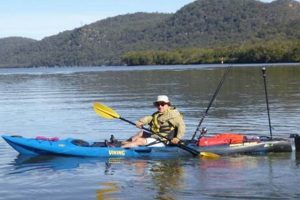
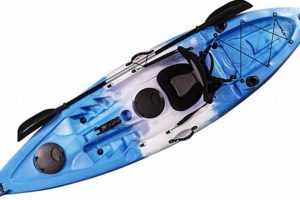
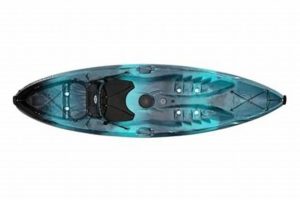
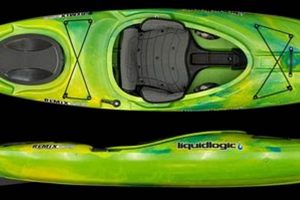
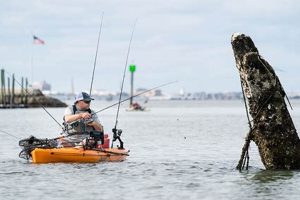
Kayaks measuring approximately twelve feet in length offer a balance of stability and maneuverability, making them a popular choice for angling. This size accommodates various fishing styles, from stillwater casting to navigating mild currents. They often feature specialized design elements such as rod holders, storage compartments, and anchor trolleys, enhancing the fishing experience.
The portability and relatively lightweight nature of these vessels allow anglers access to smaller waterways and shallower areas often inaccessible to larger boats. This opens opportunities to target diverse fish species in environments ranging from calm lakes and ponds to slow-moving rivers. Over the years, advancements in kayak design and materials have contributed to the growth of this fishing method, providing anglers with increasingly sophisticated and purpose-built platforms.
Further exploration will cover topics such as selecting appropriate gear and accessories, optimizing kayak configuration for specific fishing techniques, and highlighting key safety considerations for anglers venturing onto the water.
Tips for Kayak Fishing
Careful planning and preparation contribute significantly to a successful and enjoyable kayak fishing experience. The following tips offer guidance for maximizing efficiency and safety on the water.
Tip 1: Prioritize Stability: Weight distribution plays a crucial role in kayak stability. Gear should be evenly distributed and stored low within the vessel. Avoid sudden movements and practice entering and exiting the kayak in shallow water before venturing into deeper areas.
Tip 2: Choose Appropriate Paddles: Paddle length and blade shape influence paddling efficiency and comfort. Consider factors such as angler height, kayak width, and intended fishing environment when selecting a paddle.
Tip 3: Employ Effective Anchoring Techniques: A well-placed anchor prevents drifting and maintains position in desired fishing locations. Utilize an anchor trolley system for optimal control and adjust anchor line length based on water depth and current.
Tip 4: Utilize Fish Finders Strategically: Fish finders provide valuable insights into underwater terrain and fish activity. Mount transducers correctly and interpret sonar readings to identify promising fishing spots.
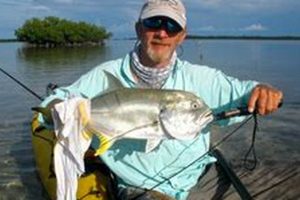
Tip 5: Practice Catch and Release Best Practices: Handling fish carefully minimizes stress and promotes their survival upon release. Use appropriate hooks and tools, and handle fish minimally, keeping them wet whenever possible.
Tip 6: Dress for the Conditions: Weather conditions can change rapidly on the water. Dressing in layers and wearing appropriate protective gear, such as a hat, sunglasses, and sunscreen, ensures comfort and safety.
Tip 7: Plan for Emergencies: Carry essential safety equipment, including a personal flotation device (PFD), whistle, signaling device, and first-aid kit. Inform someone of your fishing plans and estimated return time.
Adhering to these guidelines enhances angler safety and contributes to a positive and productive fishing experience. Careful consideration of these factors promotes responsible angling practices and minimizes environmental impact.
This information provides a foundation for informed decision-making and enhances the overall kayak fishing experience. Further sections will delve into specific techniques and advanced considerations.
1. Stability

Stability is a paramount consideration in kayak fishing, especially with 12-foot vessels, directly influencing angler safety and fishing effectiveness. Understanding the factors affecting stability allows for informed decisions regarding kayak choice, gear placement, and on-water maneuvers.
- Hull Design:
Hull design significantly impacts stability. Wider, flatter hulls generally offer greater primary stability (initial resistance to tipping), beneficial for calmer waters and stationary fishing. A narrower hull, while potentially less stable initially, may provide greater secondary stability (resistance to capsizing once tilted), advantageous in rougher conditions or when making turns. Twelve-foot kayaks often feature a compromise between these two characteristics, offering a balance suitable for diverse fishing environments.
- Center of Gravity:
Maintaining a low center of gravity is crucial for stability. Distributing weight evenly within the kayak and storing heavier items low in the hull enhances stability. Angler movements, such as casting or reaching for gear, shift the center of gravity and can impact stability. Smooth, deliberate movements minimize these shifts and maintain balance.
- Water Conditions:
Water conditions, including currents, waves, and wind, significantly affect kayak stability. Calm, flat water presents fewer challenges, while rough conditions require increased vigilance and attention to balance. Understanding the limitations of a 12-foot kayak in various water conditions is essential for safe and successful fishing.
- Kayak Modifications:
Adding accessories or modifications, such as outriggers or stabilizers, can enhance stability. These additions provide extra support and resistance to tipping, particularly beneficial for anglers seeking increased confidence or fishing in challenging conditions. Carefully consider the impact of modifications on maneuverability and overall performance.
Considering these facets of stability, anglers can select and configure 12-foot kayaks appropriate for their fishing style and intended environment. Prioritizing stability enhances safety and allows anglers to focus on the fishing experience, ultimately increasing success and enjoyment on the water.
2. Maneuverability
Maneuverability in a 12-foot kayak significantly impacts fishing effectiveness and access to diverse fishing locations. The relationship between kayak length and maneuverability involves a trade-off. While longer kayaks often track straighter and glide more efficiently, shorter kayaks typically turn more quickly and navigate tight spaces with greater ease. A 12-foot length represents a balance between these characteristics, offering acceptable tracking for open water while retaining sufficient maneuverability for navigating around obstacles such as submerged logs, overhanging branches, or rocky shorelines. This versatility allows anglers to explore a wider range of fishing environments, from expansive lakes to narrow creeks and rivers. For instance, navigating a shallow, winding creek choked with vegetation requires a higher degree of maneuverability than trolling across a large, open lake.
Several factors influence the maneuverability of a 12-foot kayak. Hull design plays a critical role. Kayaks with a more pronounced rocker (upward curve of the hull at the bow and stern) tend to turn more easily but may sacrifice some tracking ability. Conversely, kayaks with a flatter hull track better in a straight line but require more effort to turn. The width of the kayak also affects maneuverability; narrower kayaks generally turn more readily than wider, more stable platforms. Furthermore, the placement and design of the seat, footrests, and rudder or skeg system can influence how the kayak responds to paddling inputs and its overall maneuverability. Understanding these design elements empowers anglers to choose a kayak optimized for their specific fishing needs and preferences.
Effective maneuvering techniques further enhance on-water control. Sweep strokes, draw strokes, and rudder or skeg adjustments allow for precise adjustments to direction and positioning. Mastering these techniques enables anglers to navigate challenging environments, hold position in currents, and approach fishing spots stealthily. The interplay of kayak design and paddling technique determines the overall maneuverability and, consequently, the angler’s ability to access productive fishing areas. This understanding facilitates strategic kayak selection and enhances fishing success.
3. Storage Capacity

Storage capacity is a critical consideration in 12 ft kayak fishing, directly impacting an angler’s ability to carry essential gear, provisions, and safety equipment. Effective organization and utilization of available storage space contribute significantly to a successful and enjoyable fishing experience. Understanding the various storage options and their implications allows for strategic packing and efficient access to necessary items while on the water.
- Built-in Storage Compartments:
Many 12 ft kayaks feature built-in storage compartments, including hatches, tank wells, and dry storage areas. These compartments provide designated spaces for specific items such as tackle boxes, safety gear, and personal belongings. Hatches offer secure storage for items requiring protection from water, while tank wells accommodate larger items like coolers or crates. Dry storage areas safeguard sensitive electronics and documents from moisture. The size, location, and accessibility of these compartments vary among kayak models, influencing their practicality and overall storage capacity.
- Deck Rigging and Bungee Systems:
Deck rigging and bungee systems provide additional storage options on the kayak’s deck. These systems allow anglers to secure items such as paddles, rods, and dry bags, keeping them readily accessible while maximizing space within the hull. The placement and configuration of deck rigging influence the types of items that can be carried and their ease of retrieval. Properly securing items to the deck prevents loss or damage in the event of a capsize.
- Aftermarket Storage Solutions:
A variety of aftermarket storage solutions, such as milk crates, gear bags, and specialized kayak fishing accessories, further expand storage possibilities. Milk crates offer versatile storage options and can be customized with rod holders and other attachments. Gear bags designed specifically for kayaks maximize space utilization and provide organized storage for tackle and accessories. Specialized kayak fishing accessories, like tackle trays and leader organizers, optimize storage efficiency within existing compartments.
- Weight Capacity and Distribution:
While maximizing storage capacity is desirable, adhering to the kayak’s weight capacity is crucial for maintaining stability and safety. Overloading the kayak compromises performance and increases the risk of capsizing. Distributing weight evenly throughout the kayak is essential for maintaining balance and preventing instability. Careful consideration of weight distribution, combined with strategic utilization of available storage space, ensures safe and efficient operation on the water.
Optimizing storage capacity in a 12 ft kayak involves thoughtful consideration of the available storage options, the angler’s individual needs, and the intended fishing environment. Effective organization and utilization of storage space contributes significantly to a safe, efficient, and enjoyable kayak fishing experience. Understanding the various storage options and their limitations allows anglers to pack strategically, ensuring they have the necessary gear readily accessible while maintaining kayak stability and performance.
4. Target Fish Species
The selection of target fish species significantly influences equipment choices and fishing strategies in 12 ft kayak angling. Matching kayak capabilities to the target species’ habitat and behavior enhances fishing success. This involves considering factors such as fish size, fighting strength, and preferred environment. Understanding these relationships allows anglers to optimize their approach and maximize their chances of a successful catch.
- Species-Specific Tackle and Techniques:
Different fish species require specialized tackle and techniques. For example, targeting bass in a weedy lake may involve using heavier lines, weedless lures, and specific casting techniques. Conversely, pursuing trout in a clear stream might necessitate lighter lines, smaller lures, and a more delicate presentation. A 12 ft kayak provides a stable platform for employing various techniques suitable for a range of species.
- Habitat Considerations:
Fish habitat plays a crucial role in determining suitable fishing locations and kayak maneuverability requirements. Targeting species inhabiting shallow, vegetated areas necessitates a kayak capable of navigating tight spaces and maneuvering through obstacles. Conversely, pursuing open-water species requires a kayak with good tracking and stability in rougher conditions. The versatility of a 12 ft kayak allows access to diverse habitats, expanding angling opportunities.
- Fish Size and Fighting Ability:
The size and fighting ability of the target species influence tackle choices and kayak stability requirements. Larger, stronger fish necessitate heavier tackle and a stable platform to manage the fight effectively. Smaller species can be targeted with lighter gear, allowing for a more nuanced approach. A 12 ft kayak offers sufficient stability for battling a variety of fish sizes, from panfish to larger game fish.
- Legal and Ethical Considerations:
Regulations regarding catch limits, size restrictions, and permitted fishing methods vary by species and location. Adhering to these regulations ensures responsible angling practices and contributes to sustainable fisheries management. Ethical considerations, such as catch-and-release practices, further promote responsible angling and protect fish populations. Kayak anglers have a responsibility to understand and adhere to these guidelines.
The interplay between target fish species, fishing location, and kayak capabilities underscores the importance of strategic planning in 12 ft kayak fishing. By carefully considering the target species’ characteristics and habitat preferences, anglers can select appropriate gear, employ effective techniques, and maximize their chances of a successful and rewarding fishing experience while adhering to responsible angling practices.
5. Suitable Water Types
Water type significantly influences kayak selection and fishing strategies. A 12-foot kayak’s suitability for specific water types depends on factors like hull design, stability, and angler experience. Matching these factors to the intended environment ensures safety and maximizes fishing effectiveness.
- Calm Lakes and Ponds:
Calm lakes and ponds offer ideal conditions for 12-foot kayaks due to their generally sheltered nature and minimal current. This environment allows anglers to focus on fishing techniques rather than battling challenging conditions. The stability of a 12-foot kayak is well-suited for stationary fishing, allowing for comfortable casting and retrieval. Examples include small inland lakes and protected coves.
- Slow-Moving Rivers and Streams:
Slow-moving rivers and streams present manageable conditions for 12-foot kayaks, offering opportunities to target diverse species inhabiting these environments. Maneuverability becomes more critical in rivers and streams, allowing anglers to navigate bends and avoid obstacles. Current speed and potential hazards, such as submerged logs or rocks, require careful consideration. Examples include smaller tributaries and sections of larger rivers with minimal current.
- Protected Coastal Waters:
Protected bays, estuaries, and inlets offer sheltered saltwater fishing opportunities suitable for 12-foot kayaks. These areas typically experience less intense wave action and currents compared to open ocean environments. Wind conditions and tidal changes remain important factors to consider when fishing in coastal waters. Examples include sheltered coves and backwater areas within larger bays.
- Open Ocean (with limitations):
While not ideally suited for open ocean conditions, a 12-foot kayak can be used in calmer near-shore areas with careful consideration of weather forecasts and sea state. Open ocean environments present significant challenges related to wind, waves, and currents, requiring advanced paddling skills and careful attention to safety precautions. Venturing beyond sheltered areas in a 12-foot kayak carries inherent risks and is generally not recommended for inexperienced paddlers.
Matching water type to kayak capabilities and angler experience is crucial for safe and successful fishing. While a 12-foot kayak offers versatility across various water types, understanding its limitations and adhering to safety precautions remain paramount, particularly in dynamic environments like coastal waters or open ocean areas. Careful assessment of water conditions, combined with realistic self-assessment of paddling skills, ensures enjoyable and productive fishing experiences.
6. Transportation Considerations

Transporting a 12-foot kayak requires planning and appropriate equipment. Vehicle size and available storage space dictate transportation methods. Roof racks represent a common solution, offering secure transport for kayaks of this size. Specific roof rack models accommodate various hull shapes and require tie-down straps for securement during transit. Trailers offer another option, particularly for longer distances or transporting multiple kayaks. Trailers designed for kayaks provide support and securement features, minimizing the risk of damage during transport. Alternatively, some anglers opt for pick-up trucks with bed extenders or truck bed racks. This method requires careful securing of the kayak to prevent shifting or damage during travel. Choosing the appropriate transportation method depends on individual circumstances and available resources.
Several factors influence transportation decisions. Distance to the launch site plays a significant role; longer distances often necessitate more robust solutions like trailers. Frequency of transport also influences equipment choices; frequent transport may justify investing in dedicated kayak trailers or roof rack systems. Storage space availability at home influences transportation and storage practices. Limited storage may necessitate a transportation method that doubles as a storage solution, such as roof racks or wall-mounted kayak storage systems. Budgetary constraints also influence equipment choices, ranging from basic roof rack systems to specialized kayak trailers with enhanced features.
Careful consideration of these factors ensures efficient and safe transport of 12-foot kayaks. Selecting appropriate equipment and adhering to safe loading and securing practices minimize the risk of damage to the kayak and other vehicles during transit. Understanding the various transportation options available and their associated costs and benefits allows anglers to make informed decisions based on individual needs and circumstances. This contributes to a positive and hassle-free kayak fishing experience.
7. Fishing Gear Compatibility
Fishing gear compatibility is paramount in 12 ft kayak fishing, influencing both angler safety and fishing effectiveness. Specialized equipment designed for kayak fishing enhances functionality and optimizes space utilization within the limited confines of a kayak. Understanding the compatibility factors between fishing gear and a 12-foot kayak platform allows anglers to make informed equipment choices, enhancing their overall fishing experience.
- Rod and Reel Selection:
Shorter rods, typically between 6 and 7 feet, are generally preferred for kayak fishing due to the confined space. Rod holders designed specifically for kayaks secure rods and keep them readily accessible. Baitcasting and spinning reels are common choices, with spinning reels often favored for their versatility across various fishing techniques. Proper rod and reel selection ensures efficient casting and retrieval within the kayak’s limited space.
- Tackle Storage Solutions:
Tackle storage requires careful consideration in a kayak. Tackle boxes designed for kayak fishing often feature compact designs and secure closures to prevent spills. Smaller tackle bags and trays maximize space utilization within hatches and storage compartments. Organizers for lures, hooks, and other small items further enhance efficiency and prevent tangling. Efficient tackle storage ensures easy access to essential gear without cluttering the kayak.
- Kayak Fishing Accessories:
Specialized kayak fishing accessories enhance functionality and improve the angling experience. Anchor trolleys allow for controlled anchoring and drifting, while fish finders mounted on kayak-specific brackets provide valuable underwater insights. Rod holders, paddle clips, and gear tracks offer convenient storage and access to essential equipment. These accessories optimize kayak configuration for specific fishing techniques.
- Safety Equipment Integration:
Integrating safety equipment seamlessly into the kayak setup is crucial. Personal flotation devices (PFDs) designed for paddling comfort and freedom of movement are essential. Whistles, signaling devices, and first-aid kits should be readily accessible in designated storage compartments. Proper integration of safety equipment ensures preparedness for emergencies without compromising fishing functionality.
Careful consideration of fishing gear compatibility with a 12-foot kayak platform contributes significantly to both angler safety and fishing success. Selecting appropriate rods, reels, tackle storage solutions, and kayak-specific accessories optimizes space utilization, enhances fishing efficiency, and ensures preparedness for various on-the-water scenarios. This understanding allows anglers to create a customized kayak setup that maximizes their fishing experience while prioritizing safety.
Frequently Asked Questions
This section addresses common inquiries regarding 12-foot kayak fishing, providing concise and informative responses to facilitate informed decision-making and enhance understanding.
Question 1: What are the advantages of a 12-foot kayak for fishing?
Twelve-foot kayaks offer a balance of stability and maneuverability, suitable for various fishing environments. Their length accommodates ample storage for fishing gear and provides a stable platform for casting and reeling.
Question 2: Are 12-foot kayaks suitable for ocean fishing?
While not ideal for open ocean conditions, 12-foot kayaks can be used in sheltered coastal areas, bays, and estuaries with appropriate safety precautions and awareness of weather conditions. Open ocean ventures require careful consideration of sea state, wind, and currents.
Question 3: What type of fish can be caught from a 12-foot kayak?
A wide variety of fish species can be targeted from a 12-foot kayak, including bass, trout, redfish, snook, and many others, depending on the specific fishing location and angler skill level. Kayak fishing allows access to diverse habitats, expanding angling opportunities.
Question 4: How much weight can a 12-foot kayak typically hold?
Weight capacity varies among 12-foot kayak models, typically ranging from 300 to 500 pounds. Exceeding the manufacturer’s specified weight capacity compromises stability and safety. Weight distribution within the kayak also influences stability.
Question 5: What essential safety gear is recommended for 12-foot kayak fishing?
Essential safety gear includes a properly fitted personal flotation device (PFD), a whistle, a signaling device (such as a mirror or flare), a first-aid kit, and communication devices (e.g., VHF radio or waterproof cell phone). Informing someone of fishing plans and estimated return time is also crucial.
Question 6: How does one choose the right paddle for a 12-foot kayak?
Paddle selection depends on factors such as angler height, kayak width, and paddling style. Proper paddle length and blade shape optimize paddling efficiency and comfort. Consulting with experienced kayakers or paddle retailers can assist in selecting the appropriate paddle.
Addressing these common questions provides a foundational understanding of key considerations related to 12-foot kayak fishing. Careful consideration of these factors contributes to a safe, enjoyable, and productive fishing experience.
Further exploration may involve researching specific kayak models, fishing techniques, and local regulations.
Conclusion
Twelve-foot kayak fishing presents a unique blend of angling opportunity and on-the-water experience. Navigating diverse waterways, from placid lakes to slow-moving rivers, in a compact, versatile vessel allows anglers access to otherwise inaccessible fishing grounds. Understanding the nuances of kayak stability, maneuverability, and storage capacity, coupled with careful gear selection and adherence to safety practices, contributes significantly to a successful and rewarding experience. Appropriate consideration of target species, suitable water types, and transportation logistics further enhances the efficiency and enjoyment of this increasingly popular angling method.
The adaptability and inherent connection with nature offered by twelve-foot kayak fishing represent a significant departure from traditional boat-based angling. This approach encourages mindful interaction with aquatic environments, fostering appreciation for their delicate balance. As kayak fishing continues to evolve, embracing sustainable practices and responsible angling ethics will ensure the preservation of these valuable resources for future generations of anglers.