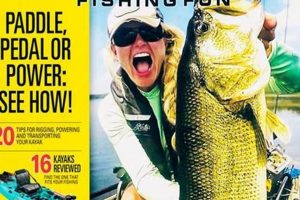
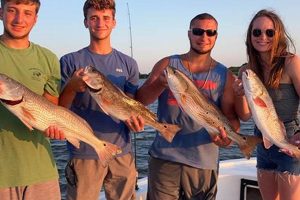
Competitive angling events held in the state of Kansas, using kayaks as the sole fishing platform, offer a unique blend of skill, strategy, and sportsmanship. These events typically involve participants competing to catch the largest or most fish within a specified timeframe and according to specific rules and regulations. They might focus on particular species, such as bass, crappie, or walleye, and often employ a catch-photograph-release format to ensure conservation.
Such competitions contribute significantly to the local economies through tourism and related expenditures. They also promote camaraderie among anglers, foster respect for natural resources, and raise awareness of aquatic ecosystem health. The growing popularity of these events reflects the increasing accessibility and versatility of kayak fishing, allowing anglers to explore diverse waterways and experience the thrill of competition in a close-to-nature environment. The historical context likely stems from the broader growth of bass fishing tournaments combined with the rise in popularity of kayak angling as a distinct sporting pursuit.
This article will further explore key aspects of these competitions, including popular venues, target species, tournament formats, regulations, essential gear and techniques, and the growing community surrounding this exciting sport.
Tips for Competitive Kayak Angling in Kansas
Success in competitive kayak fishing requires careful planning, strategic decision-making, and specialized techniques. The following tips offer valuable insights for anglers seeking a competitive edge.
Tip 1: Pre-Fishing Scouting: Thoroughly research potential fishing locations before the tournament. Identifying key areas holding target species significantly increases the chances of success. Utilize online mapping tools and local fishing reports to pinpoint promising spots.
Tip 2: Kayak Mastery: Proficient kayak control is crucial. Practice maneuvering efficiently in various wind and water conditions. This allows anglers to maintain optimal positioning and presentation while casting.
Tip 3: Species-Specific Techniques: Adapt fishing techniques to the target species. Understanding preferred habitats, feeding patterns, and effective lures or bait presentations is essential for maximizing catch rates.
Tip 4: Tackle Organization: Efficient tackle management is vital. Organize tackle boxes with readily accessible lures, hooks, weights, and tools. This minimizes time spent searching for equipment and maximizes fishing time.
Tip 5: Weather Awareness: Monitor weather forecasts closely leading up to and during the tournament. Adjust fishing strategies based on changing conditions such as wind direction, temperature fluctuations, and precipitation.
Tip 6: Conservation Practices: Adhere to all tournament regulations and conservation guidelines. Proper fish handling techniques and prompt catch-photograph-release protocols ensure the health and sustainability of fish populations.
Tip 7: Safety First: Prioritize safety by wearing a personal flotation device, carrying essential safety equipment, and informing someone of fishing plans.
By incorporating these tips into pre-tournament preparation and on-the-water strategies, anglers can enhance their competitive performance and contribute to a positive tournament experience.
These insights provide a foundation for competitive kayak angling success. The following section will delve into the broader community and resources available to Kansas kayak anglers.
1. Locations

Tournament locations play a pivotal role in shaping the character and outcome of competitive kayak fishing events in Kansas. The chosen venue influences target species, fishing techniques, and overall angler experience. Factors such as water clarity, depth, vegetation, and structure dictate fish behavior and habitat, requiring anglers to adapt their strategies accordingly. Reservoirs like Milford, with its clear waters and abundant bass populations, often favor finesse fishing techniques, while rivers like the Kansas River, known for its catfish and current, demand different approaches. The selection of a specific location directly impacts the challenges and rewards presented to competitors.
Cheney Reservoir, with its vast expanse and diverse fish species, presents a unique set of navigational and strategic considerations compared to smaller, more intimate lakes like Tuttle Creek Reservoir, renowned for its crappie fishing. Understanding the nuances of each locationincluding access points, boat ramps, and potential hazardsbecomes a crucial aspect of pre-tournament preparation. This knowledge allows anglers to maximize their fishing time and efficiency during the competition. Analyzing historical catch data and local fishing reports specific to the chosen venue can further enhance competitive performance.
Strategic location selection is essential for tournament organizers and participants alike. Choosing appropriate venues ensures a fair and challenging competition while promoting responsible resource management. Factors like accessibility, parking availability, and proximity to amenities also influence the overall tournament experience. Careful consideration of these logistical elements contributes to a successful and enjoyable event for all involved. The interplay between location characteristics and angling strategies underscores the importance of pre-tournament scouting and adaptability for competitive kayak anglers in Kansas.
2. Target Species

Target species selection significantly influences the structure and strategy within Kansas kayak fishing tournaments. The designated species dictates angler choices regarding equipment, location, and techniques. For instance, a tournament focused on largemouth bass might incentivize anglers to utilize heavier tackle, target shallow, vegetated areas, and employ specific bass fishing lures. Conversely, a crappie tournament could steer participants towards lighter gear, deeper water, and smaller jigs or minnows. This targeted approach ensures fair competition and allows anglers to specialize their skills for specific species. Selecting a popular game fish like bass often attracts a larger field of competitors, impacting the overall competitive landscape. Less common target species, such as walleye or channel catfish, might draw a smaller but more specialized group of anglers.
The choice of target species also has implications for conservation efforts and the ecological balance of Kansas waterways. Tournaments focused on abundant and resilient species like white bass or channel catfish can minimize environmental impact while still providing a competitive challenge. Conversely, tournaments targeting vulnerable species might necessitate stricter catch-and-release protocols or size restrictions to ensure sustainable fishing practices. Understanding the population dynamics and vulnerabilities of target species is crucial for responsible tournament organization. For example, tournaments focusing on largemouth bass during their spawning season might implement protective measures to avoid disrupting breeding behavior and ensure the long-term health of the population. Furthermore, the target species can influence the timing of tournaments, as specific seasons might be more conducive to catching particular fish.
The careful selection of target species is essential for balancing competitive angling with responsible resource management. This consideration ensures the long-term health of fish populations and the sustainability of kayak fishing tournaments in Kansas. Analyzing the target species’ biological characteristics, habitat preferences, and population status allows organizers to establish appropriate regulations, promote fair competition, and contribute to conservation initiatives. This understanding enhances the overall tournament experience and reinforces the importance of ecological awareness within the angling community.
3. Regulations
Regulations form the backbone of organized kayak fishing tournaments in Kansas, ensuring fair competition, promoting conservation, and maintaining the integrity of the sport. These rules govern various aspects of the tournament, from eligible species and fishing methods to safety protocols and prize allocation. Understanding and adhering to these regulations is crucial for all participants.
- Species and Size Limits:
Regulations often specify which species are eligible for weigh-in and establish minimum size limits. This practice protects vulnerable populations and promotes the growth of mature fish. For example, a tournament might designate largemouth bass as the target species with a 15-inch minimum length requirement. Any bass caught below this size would be immediately released.
- Permitted Fishing Methods:
Regulations typically define permitted fishing methods, such as rod and reel only, artificial lures only, or specific bait restrictions. These limitations create a level playing field and prevent unfair advantages. For instance, a tournament might prohibit the use of live bait to encourage skill-based angling techniques.
- Boundary Restrictions:
Designated fishing boundaries confine the competition to specific areas within a body of water. These boundaries ensure angler safety, prevent overcrowding, and protect sensitive habitats. Tournament organizers might restrict fishing to a designated section of a reservoir or prohibit access to certain coves or inlets.
- Safety and Sportsmanship:
Regulations often mandate safety equipment, such as personal flotation devices (PFDs), and promote ethical angling practices. These rules prioritize angler safety and encourage respect for the environment. Requiring participants to wear PFDs throughout the tournament exemplifies a safety-focused regulation. Sportsmanship guidelines might include proper fish handling techniques and adherence to catch-and-release protocols.
These regulations, while varying across different tournaments, collectively contribute to a structured and ethical competitive environment. Adherence to these rules ensures the sustainability of fish populations, promotes fair play among anglers, and reinforces the integrity of kayak fishing tournaments in Kansas. Understanding the specific regulations governing each tournament is paramount for a positive and successful competitive experience.
4. Equipment

Specialized equipment plays a crucial role in competitive kayak fishing tournaments held in Kansas. The selection and effective utilization of appropriate gear directly influence an angler’s success and overall experience. From the kayak itself to rods, reels, and essential accessories, each component contributes to efficient angling and competitive performance. Understanding the function and importance of these tools is essential for aspiring tournament participants.
- Kayak Selection
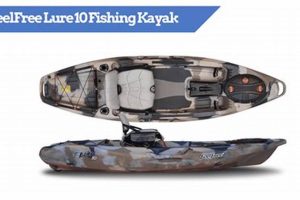
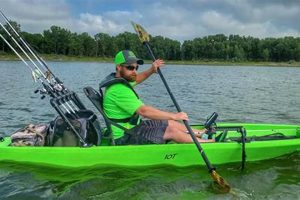
Kayak choice is paramount. Stability, maneuverability, and storage capacity are key considerations. Longer, narrower kayaks offer speed and tracking for covering vast distances on larger reservoirs, while shorter, wider models provide stability for fishing in tighter quarters or rivers with current. Features like rod holders, anchor trolleys, and storage compartments enhance fishing efficiency. Selecting a kayak appropriate for the specific tournament environment and target species is crucial for maximizing on-the-water performance.
- Rods and Reels
Rod and reel combinations are tailored to the target species and fishing techniques employed. Casting rods equipped with baitcasting reels are favored for bass fishing, allowing for precise lure presentations and effective hooksets. Spinning rods paired with spinning reels offer versatility for various techniques and species, from crappie jigging to walleye trolling. Selecting appropriate line strength and type complements the rod and reel setup and ensures optimal performance. A medium-heavy casting rod with a high-speed baitcasting reel, spooled with braided line, might be ideal for targeting bass in heavy cover, while a lighter spinning setup with fluorocarbon line would be more suitable for finesse presentations.
- Tackle and Accessories
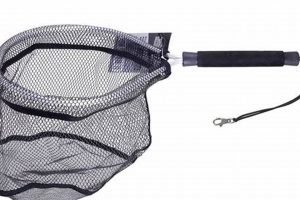
Essential tackle and accessories include a diverse selection of lures, hooks, weights, and tools. Lure choices are dictated by the target species and prevailing conditions. Crankbaits, spinnerbaits, and plastic worms are popular for bass fishing, while jigs, minnows, and small spinners are effective for crappie. Tools like pliers, line cutters, and hook removers are essential for efficient tackle management and fish handling. A well-organized tackle system allows anglers to quickly adapt to changing conditions and maximize fishing time.
- Electronics and Navigation
Fish finders and GPS units provide valuable insights into underwater structure, fish location, and navigation. Fish finders utilize sonar technology to create images of the bottom, revealing depth changes, vegetation, and fish activity. GPS units assist with navigation, marking waypoints, and tracking fishing routes. These electronic tools enhance angling efficiency and allow competitors to strategically target productive areas. Mapping features on GPS units can be particularly helpful for navigating unfamiliar waters and locating potential fishing hotspots.
The strategic selection and effective use of these equipment components contribute significantly to success in Kansas kayak fishing tournaments. Anglers who understand the nuances of their equipment and how it interacts with the target species and environment gain a distinct competitive advantage. Careful preparation and attention to detail in equipping a kayak for tournament fishing can ultimately determine the outcome of a competition.
5. Community

The community aspect of Kansas kayak fishing tournaments extends beyond the competitive arena, fostering camaraderie, knowledge sharing, and conservation efforts. These social connections enrich the overall tournament experience and contribute to the growth and sustainability of the sport. The following facets illustrate the integral role of community within this angling discipline.
- Networking and Mentorship
Tournaments provide opportunities for anglers to connect with fellow enthusiasts, fostering a sense of community. Experienced anglers often mentor newcomers, sharing valuable insights on techniques, locations, and equipment. This exchange of knowledge enhances the skills of all participants and strengthens the bonds within the angling community. These connections can extend beyond individual tournaments, leading to lasting friendships and collaborative fishing endeavors.
- Shared Knowledge and Resources
The community serves as a platform for sharing valuable information, including fishing reports, location insights, and tackle recommendations. Online forums, social media groups, and local fishing clubs facilitate communication and resource sharing among anglers. This collective knowledge base benefits both seasoned competitors and those new to tournament fishing. Sharing successful strategies and techniques elevates the overall skill level within the community.
- Conservation and Advocacy
The community plays a crucial role in conservation efforts. Tournament organizers and participants often collaborate on initiatives to protect and enhance Kansas waterways. These efforts might include shoreline cleanups, habitat restoration projects, or advocacy for responsible fishing regulations. This collective commitment to environmental stewardship ensures the long-term health of aquatic ecosystems and the sustainability of the sport. Participating in conservation initiatives reinforces the community’s connection to the natural environment.
- Economic Impact and Local Support
Tournaments attract anglers from across the region, generating economic benefits for local communities. Participants often patronize local businesses, including bait shops, restaurants, and lodging establishments. This influx of tourism supports local economies and reinforces the community’s connection to the sport. The economic impact of tournaments underscores their value and contributes to their continued growth and development.
These interconnected facets of community enhance the overall experience of Kansas kayak fishing tournaments. The sense of belonging, shared knowledge, and commitment to conservation create a positive and supportive environment for all participants. This strong community foundation ensures the continued growth and sustainability of competitive kayak angling in Kansas, fostering both individual skill development and collective responsibility for the preservation of aquatic resources. The community serves as a vital link between competitive angling and the broader ecological and social context of the sport.
Frequently Asked Questions
This section addresses common inquiries regarding competitive kayak angling in Kansas, providing clarity on tournament procedures, regulations, and participation.
Question 1: How does one locate information on upcoming tournaments?
Information on upcoming tournaments is typically available through online fishing forums, local kayak fishing clubs’ websites, and social media groups dedicated to Kansas angling. State wildlife agency websites may also publish tournament schedules.
Question 2: Are there specific license requirements for tournament participation?
A valid Kansas fishing license is mandatory for all tournament participants. Specific requirements may vary based on tournament rules and location; however, adherence to state fishing regulations is universally expected.
Question 3: What are the typical target species in these competitions?
Target species often include largemouth bass, smallmouth bass, crappie, walleye, and channel catfish. The specific target species will be designated in the individual tournament regulations.
Question 4: Are there specific equipment restrictions, such as kayak type or motor limitations?
Most kayak fishing tournaments restrict the use of motors, emphasizing human-powered paddling. Specific kayak modifications or restrictions may vary by tournament; therefore, consulting the official rules is essential.
Question 5: How are tournament results determined, and what are the typical prizes?
Results are typically determined by the total weight or length of eligible fish caught within the designated timeframe. Tie-breakers are often based on the weight or length of the largest single fish caught. Prizes can range from cash awards to fishing gear, trophies, or sponsorship opportunities.
Question 6: What conservation practices are typically implemented during tournaments?
Catch-photograph-release (CPR) methods are commonly employed to minimize stress on fish populations. Strict adherence to size and bag limits, along with proper fish handling techniques, are standard practices within these tournaments. Some tournaments may also incorporate pre- or post-tournament waterway cleanup initiatives.
This FAQ section offers a general overview. Consulting specific tournament regulations and contacting organizers directly remains essential for obtaining the most accurate and up-to-date information.
The following section delves further into the specific challenges and rewards inherent in competitive kayak angling in Kansas.
Kansas Kayak Fishing Tournaments
This exploration of competitive kayak angling in Kansas has highlighted the multifaceted nature of these events. From the strategic selection of locations and target species to the importance of regulations, equipment, and community engagement, each element contributes to the unique character of these tournaments. The examination of specific tips for competitive success, alongside an overview of common inquiries, provides valuable insights for both aspiring and seasoned anglers. The interplay between individual skill, environmental awareness, and community collaboration shapes the overall experience and ensures the continued growth of this dynamic sport.
The future of competitive kayak angling in Kansas rests on the continued commitment to responsible resource management and the fostering of a vibrant, supportive community. As the sport evolves, maintaining a balance between competitive pursuits and conservation efforts will be crucial for its long-term sustainability. The ongoing engagement of anglers, organizers, and conservationists will ensure that these tournaments remain a valuable asset to the state’s natural resources and angling heritage.