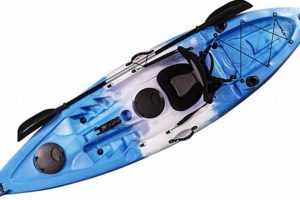
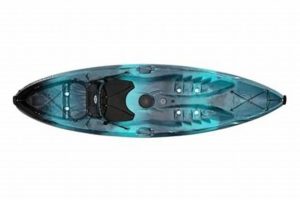
An evaluation of the Big Fish 120 kayak typically examines its performance characteristics, features, suitability for intended use cases (like fishing or recreational paddling), and overall value. Such assessments often include analyses of stability, maneuverability, comfort, storage capacity, and construction quality, drawing comparisons with similar kayaks on the market. Example elements of a thorough assessment might encompass the kayak’s tracking ability in various water conditions, the effectiveness of its seating system during long paddling sessions, and the practicality of its integrated features for fishing enthusiasts.
Objective and detailed kayak analyses provide potential buyers with crucial information to make informed purchasing decisions. They empower consumers to select a kayak best suited to their individual needs and preferences, considering factors like paddling style, body type, and intended usage. Historically, prospective buyers relied on limited resources like manufacturer descriptions and word-of-mouth referrals. The rise of online platforms and dedicated review websites has significantly democratized access to comprehensive product evaluations, fostering greater transparency and consumer empowerment within the kayaking community.
A comprehensive understanding of how kayaks are evaluated paves the way for a more informed exploration of specific design elements, performance attributes, and user experiences. This sets the stage for a deeper dive into the nuances of kayak selection and optimal utilization within diverse paddling environments.
Tips for Researching Kayak Purchases
Thorough product research is essential for informed purchasing decisions. The following tips offer guidance for evaluating kayaks, using the Big Fish 120 as an illustrative example.
Tip 1: Prioritize Stability Needs: Assess stability requirements based on intended usage (e.g., fishing, recreational paddling). Consider the Big Fish 120’s wide hull design, known for enhanced stability, particularly beneficial for anglers.
Tip 2: Evaluate Tracking Performance: Research a kayak’s tracking ability its tendency to maintain a straight course. Examine reviews and comparisons to understand the Big Fish 120’s tracking characteristics in various water conditions.
Tip 3: Consider Maneuverability: Balance stability with maneuverability. While a wider hull like the Big Fish 120 enhances stability, it can impact turning responsiveness. Consider paddling style and environment preferences.
Tip 4: Assess Comfort and Ergonomics: Pay attention to seating systems, adjustable features, and overall ergonomics. Research the Big Fish 120’s seat design and adjustability for long-term comfort.
Tip 5: Examine Storage Capacity and Features: Evaluate storage options and specialized features based on intended use. Consider the Big Fish 120’s storage capacity and fishing-specific features, like rod holders, for angling activities.
Tip 6: Analyze Construction Quality and Durability: Research the materials used and construction methods to assess long-term durability. Explore reviews discussing the Big Fish 120’s build quality and resistance to wear and tear.
Tip 7: Compare with Similar Kayaks: Benchmark against competitor models within the same category. Compare the Big Fish 120’s features, performance, and price point with other kayaks designed for similar uses.
Diligent research empowers informed decisions, leading to a kayak purchase aligned with individual needs and preferences. The insights gained from comprehensive evaluations contribute significantly to long-term paddling satisfaction.
By applying these research strategies, prospective buyers can confidently navigate the kayak selection process and choose a vessel optimized for their specific requirements and paddling goals.
1. Stability

Stability plays a critical role in kayak performance, significantly influencing user experience and safety. Within the context of a Big Fish 120 kayak review, stability assessment is paramount, particularly given its intended use for fishing, often involving movements and shifting weight. A thorough understanding of its stability characteristics is essential for prospective buyers.
- Primary Stability:
Primary stability refers to a kayak’s initial resistance to tipping. A wider hull, like that of the Big Fish 120, generally provides higher primary stability, making it feel more secure for activities like casting or reeling in fish. This initial stability is crucial for anglers who frequently shift their weight and require a stable platform.
- Secondary Stability:
Secondary stability describes how a kayak behaves when leaned beyond its initial stability point. While the Big Fish 120s wide hull contributes to strong primary stability, its secondary stability might be less pronounced than kayaks with a narrower, more rounded hull design. This characteristic should be considered by anglers who anticipate encountering challenging conditions or prefer a kayak with a greater range of lean before tipping.
- Factors Affecting Stability:
Various factors beyond hull design influence stability. Kayak length, weight distribution, and the paddler’s center of gravity all play a role. Reviews of the Big Fish 120 should consider these factors, providing insights into how they interact to affect the kayak’s overall stability profile. For example, proper weight distribution within the kayak can enhance stability, even in challenging conditions.
- Stability and Intended Use:
The importance of stability depends on the kayak’s intended use. For fishing, particularly in calm waters, the Big Fish 120s high primary stability is a significant advantage. However, for activities requiring greater maneuverability in rougher conditions, a kayak with different stability characteristics might be preferable. Reviews should connect these stability characteristics to the kayak’s intended use cases, helping potential buyers make informed decisions.
Ultimately, a comprehensive Big Fish 120 kayak review must thoroughly analyze its stability profile, connecting design features and performance characteristics to the specific needs of anglers. This analysis should consider both primary and secondary stability, as well as contributing factors, enabling informed purchasing decisions aligned with individual paddling styles and intended usage scenarios.
2. Maneuverability

Maneuverability, a critical performance attribute, significantly influences a Big Fish 120 kayak review. It describes the kayak’s responsiveness to paddle input and its ability to navigate various water conditions and obstacles. Hull design, length, and weight directly impact maneuverability. The Big Fish 120’s wider, flatter hull, designed for stability, typically results in reduced maneuverability compared to kayaks with a narrower or more rounded hull profile. This characteristic presents a trade-off between stability and agility, requiring careful consideration within a comprehensive review.
Examining maneuverability in the context of a Big Fish 120 review requires exploring its performance in different scenarios. For example, navigating tight, shallow creeks or maneuvering around vegetation benefits from higher agility. Conversely, open-water paddling prioritizes tracking over turning responsiveness. A reviewer might compare the Big Fish 120’s turning radius and responsiveness to similar kayaks, illustrating its suitability for different paddling environments. Practical examples, such as its performance in windy conditions or navigating around obstacles, further elucidate its real-world maneuverability characteristics. This analysis assists potential buyers in understanding the kayak’s strengths and limitations related to its handling.
Understanding the interplay between stability and maneuverability is crucial for a balanced Big Fish 120 kayak review. While the kayak’s design prioritizes stability, its maneuverability characteristics must be thoroughly assessed. The review should provide clear insights into the kayak’s handling capabilities, considering its intended use cases and target audience. This balanced perspective allows potential buyers to determine if the Big Fish 120’s maneuverability aligns with their specific paddling requirements and preferences. It ensures informed purchasing decisions, maximizing user satisfaction and overall paddling experience.
3. Comfort
Comfort significantly influences overall paddling experience and is a critical element within a Big Fish 120 kayak review. Extended periods on the water, especially during fishing expeditions, necessitate a comfortable seating system and ergonomic design. Discomfort can detract from enjoyment and even lead to physical strain. A comprehensive review must thoroughly evaluate the Big Fish 120’s comfort features, considering their impact on long-term paddling satisfaction. Cause-and-effect relationships between design elements and comfort levels should be explored. For example, seat cushioning, adjustability, and back support directly impact comfort, influencing user experience during extended paddling sessions.
Practical examples illustrate the importance of comfort in a Big Fish 120 kayak review. An angler spending hours on the water requires adequate back support to prevent fatigue and discomfort. Adjustable footrests contribute to proper posture and paddling efficiency, reducing strain during long trips. A well-designed seat, offering sufficient cushioning and breathability, enhances comfort, particularly in warm weather. Reviews might compare the Big Fish 120’s comfort features with those of competitor kayaks, offering valuable insights for potential buyers. Analyzing user feedback regarding comfort levels provides real-world perspectives, further enriching the review’s practical significance. For instance, user testimonials regarding seat comfort during extended fishing trips offer valuable insights into the kayak’s suitability for prolonged use.
Comfort, a crucial factor in kayak selection, warrants detailed analysis within a Big Fish 120 review. Understanding the interplay between design, features, and user experience enhances the review’s informational value. Addressing potential comfort-related challenges, such as limited seat adjustability or inadequate back support, provides balanced insights. Connecting comfort assessments to the broader themes of paddling enjoyment and long-term user satisfaction reinforces its importance. This comprehensive approach empowers potential buyers with the knowledge necessary to make informed decisions aligned with their comfort needs and paddling preferences. By considering comfort alongside performance and features, a thorough review guides informed decision-making, ultimately contributing to enhanced user satisfaction and enjoyable paddling experiences.
4. Features
Features play a pivotal role in a Big Fish 120 kayak review, directly influencing its suitability for specific activities, particularly fishing. Analyzing features requires considering their practical application and impact on user experience. Features like rod holders, tackle storage compartments, and anchor trolleys directly enhance a fishing kayak’s functionality. Cause-and-effect relationships exist between these features and user satisfaction. For example, strategically placed rod holders facilitate hands-free fishing, improving angler efficiency and enjoyment. Similarly, ample storage capacity contributes to organized gear management, optimizing the fishing experience. Conversely, a lack of essential features can hinder functionality and limit the kayak’s suitability for specialized activities. A comprehensive review must, therefore, thoroughly evaluate the Big Fish 120’s features, assessing their alignment with target user needs and expectations.
Practical examples illustrate the significance of features within a Big Fish 120 kayak review. An angler seeking a stable platform for sight fishing benefits from a standing deck or platform. Integrated mounting tracks enhance customization options, allowing users to add accessories like fish finders or GPS units. Adjustable seating systems contribute to comfort during long fishing trips. Reviewers might compare the Big Fish 120’s features to similar kayaks, highlighting strengths and weaknesses. Analyzing user feedback regarding specific features provides real-world perspectives, further enriching the review’s informational value. For instance, user testimonials discussing the effectiveness of integrated rod holders offer valuable insights into the kayak’s practical utility for angling.
A thorough evaluation of features in a Big Fish 120 kayak review provides crucial information for prospective buyers. Connecting specific features to real-world applications and user experiences strengthens the review’s practical significance. Addressing potential limitations, such as inadequate storage or insufficient accessory mounting options, offers a balanced perspective. Linking feature assessments to broader usability and target audience needs ensures relevance and strengthens the review’s overall utility. This comprehensive approach empowers potential buyers to assess feature suitability and make informed purchase decisions aligned with their specific paddling and fishing requirements. Ultimately, a robust feature analysis enhances a Big Fish 120 review’s value, contributing to informed consumer choices and greater user satisfaction.
5. Performance

Performance represents a critical dimension within a Big Fish 120 kayak review, encompassing factors that directly influence on-the-water experiences. Analyzing performance requires evaluating how design elements translate into real-world functionality. Tracking, speed, stability, and maneuverability intertwine to shape overall performance, impacting user satisfaction across various paddling scenarios. A comprehensive review must, therefore, thoroughly assess the Big Fish 120’s performance characteristics, connecting them to target user needs and expectations.
- Tracking
Tracking, a kayak’s ability to maintain a straight course, is crucial for efficient paddling, especially over longer distances. The Big Fish 120’s hull design, while prioritizing stability, can influence tracking performance. A longer keel generally improves tracking, while a shorter, wider hull might exhibit greater susceptibility to wind or current. Reviews should assess the Big Fish 120’s tracking capabilities in various conditions, offering practical insights into its directional stability. For example, a reviewer might compare its tracking performance in calm versus windy conditions, providing valuable information for potential buyers.
- Speed
Speed, though not always paramount for fishing kayaks, influences travel time and efficiency. Hull shape, length, and waterline length contribute to a kayak’s speed potential. The Big Fish 120’s wider hull might result in slightly lower speeds compared to narrower designs. Reviews should evaluate its speed relative to its intended use, considering the trade-offs between speed, stability, and maneuverability. Practical examples, such as the time required to paddle a set distance, offer valuable context for potential buyers.
- Stability in Motion
While static stability is crucial, stability in motionhow the kayak behaves during paddlingis equally important for a comprehensive performance evaluation. The Big Fish 120’s wide hull contributes to stability, which benefits anglers. However, its performance during turns or in choppy water warrants examination. Reviews should consider how stability in motion influences paddling confidence and overall user experience, particularly in varied conditions. Real-world examples, such as maneuvering in currents or navigating wakes, enrich the review’s practical relevance.
- Maneuverability in Context
Maneuverability, discussed earlier, directly impacts performance. A kayak’s responsiveness to paddle input and its turning capabilities influence navigation in tight spaces or around obstacles. The Big Fish 120’s maneuverability should be assessed in the context of its intended use, considering its design trade-offs between stability and agility. For instance, navigating through dense vegetation requires greater maneuverability than open-water paddling. Reviews should connect these aspects to specific paddling scenarios, guiding informed purchasing decisions.
Performance assessments within a Big Fish 120 kayak review provide essential insights for potential buyers. Connecting design elements to on-the-water experiences clarifies the kayak’s strengths and limitations across various paddling scenarios. By analyzing performance characteristics, including tracking, speed, stability in motion, and maneuverability in context, a thorough review equips consumers with the knowledge necessary to evaluate suitability and make informed purchasing decisions aligned with individual needs and paddling preferences. This comprehensive analysis strengthens a review’s practical value, fostering informed decision-making and enhancing overall user satisfaction.
Frequently Asked Questions
This FAQ section addresses common inquiries regarding the Big Fish 120 kayak, providing concise and informative responses to assist prospective buyers.
Question 1: How stable is the Big Fish 120 kayak, particularly for fishing activities?
The Big Fish 120 exhibits excellent primary stability due to its wide hull design. This makes it suitable for fishing activities that involve shifting weight, such as casting and reeling. However, its secondary stability might be less pronounced than kayaks with a narrower hull.
Question 2: How maneuverable is the Big Fish 120 in different water conditions?
While prioritizing stability, the Big Fish 120’s wider hull can impact maneuverability. It might require more effort to turn compared to narrower kayaks, particularly in tight spaces or currents. Open-water tracking is generally good, but responsiveness to turning might be less agile.
Question 3: What comfort features does the Big Fish 120 offer for longer paddling trips?
Comfort features vary depending on the specific model and year. Generally, the Big Fish 120 offers an adjustable seat with varying degrees of padding and back support. Footrests are typically adjustable to accommodate different leg lengths. Review specific model specifications for detailed comfort feature information.
Question 4: What are the key features that make the Big Fish 120 suitable for fishing?
The Big Fish 120 typically includes features like rod holders, tackle storage compartments, and sometimes a standing platform or deck. Specific features can vary between models, so consulting manufacturer specifications is recommended.
Question 5: How does the Big Fish 120 perform in terms of tracking and speed?
Tracking is generally considered good due to the kayak’s length and hull design. Speed is moderate, prioritizing stability over rapid movement. The wider hull might slightly reduce top speed compared to narrower kayak designs.
Question 6: What are common user experiences and feedback regarding the Big Fish 120?
User experiences often highlight the kayak’s stability and fishing-specific features as key advantages. Some users might mention the trade-off in maneuverability due to the wider hull. Consulting online reviews and forums provides valuable insights into real-world user experiences and can further inform purchasing decisions.
These FAQs offer a general overview of the Big Fish 120 kayak. Consulting detailed reviews and manufacturer specifications is recommended for comprehensive information before making a purchase decision.
Further exploration of specific features, performance characteristics, and user experiences can provide a deeper understanding of the Big Fish 120 kayak’s suitability for individual paddling needs.
Big Fish 120 Kayak Review
Assessments of the Big Fish 120 kayak frequently emphasize its stability as a primary advantage, particularly beneficial for fishing activities. Its wide hull design contributes significantly to this stability, providing a secure platform for anglers. However, this design characteristic can influence maneuverability, potentially requiring increased effort for turning and navigating tight spaces. Reviews often highlight this trade-off between stability and maneuverability as a key consideration for prospective buyers. Comfort features, including seating systems and adjustability, contribute to overall user experience, especially during extended paddling sessions. Analyses typically examine these comfort aspects in detail, considering their impact on long-term paddling satisfaction. Furthermore, evaluations emphasize the importance of features specific to fishing, such as rod holders, storage compartments, and potential standing platforms. These features enhance the kayak’s practicality and suitability for angling activities. Performance assessments consider tracking, speed, and stability in motion, providing insights into the kayak’s on-the-water capabilities. Ultimately, comprehensive reviews strive to provide balanced perspectives on the Big Fish 120 kayak’s strengths and limitations, empowering informed purchasing decisions.
A thorough understanding of the Big Fish 120’s design, features, performance characteristics, and user experiences provides valuable insights for prospective kayak buyers. Careful consideration of individual paddling needs and preferences, coupled with detailed product research, facilitates informed decision-making. Selecting a kayak aligned with specific requirements and intended usage contributes significantly to enhanced paddling enjoyment and overall satisfaction. Continued exploration of user feedback and ongoing product development promise further advancements in kayak design and performance, benefiting the paddling community as a whole.