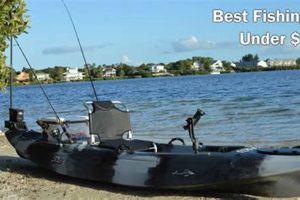
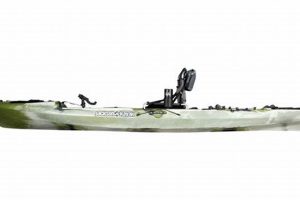
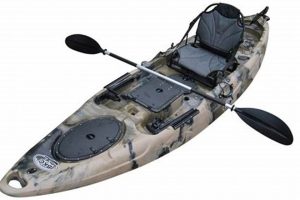
A high-quality, lake-suitable fishing kayak represents the convergence of stability, comfort, and specialized features designed for anglers. Such vessels typically offer ample storage for tackle and gear, along with features like rod holders, anchor trolleys, and even livewells. A stable hull design is crucial for casting and reeling in fish, while comfort features like adjustable seating and footrests enable extended fishing trips. Consider a hypothetical example: a kayak equipped with a pedal-drive system allows hands-free fishing, ideal for presenting lures or fighting fish.
Choosing the right watercraft significantly enhances the angling experience. A well-designed fishing kayak provides a stable and efficient platform for accessing prime fishing spots, often unreachable from shore or larger boats. This improved access can translate to greater fishing success. Historically, anglers relied on traditional boats or shoreline fishing. The development of specialized kayaks specifically for fishing has revolutionized the sport, offering increased maneuverability and stealth, particularly in calmer waters like lakes.
Factors such as hull design, propulsion systems, and integrated features play a crucial role in kayak selection. The following sections will delve into these aspects in detail, providing a comprehensive guide to selecting the optimal vessel for specific needs and preferences. Further topics will include an overview of popular models and essential accessories to maximize fishing success.
Tips for Selecting a Lake Fishing Kayak
Choosing the right kayak for lake fishing requires careful consideration of various factors to ensure optimal performance and enjoyment on the water.
Tip 1: Prioritize Stability: A stable hull is paramount for casting, reeling, and landing fish. Wider kayaks and those with flatter bottoms generally offer greater stability.
Tip 2: Consider Kayak Length and Width: Longer kayaks track better and offer more storage, while shorter kayaks are more maneuverable. Width impacts stability.
Tip 3: Evaluate Propulsion Systems: Paddle kayaks offer a traditional experience and exercise, while pedal-drive systems provide hands-free fishing and electric motors offer effortless navigation.
Tip 4: Assess Storage Capacity: Ample storage is essential for tackle boxes, fishing rods, and other gear. Consider dedicated compartments and storage wells.
Tip 5: Examine Seating and Comfort: Adjustable seating and footrests contribute to comfort during long fishing trips. Look for breathable and supportive materials.
Tip 6: Factor in Weight Capacity: Ensure the kayak’s weight capacity accommodates the angler’s weight, plus gear and potential catch.
Tip 7: Research Specific Features: Features like rod holders, anchor trolleys, and livewells enhance fishing functionality.
Tip 8: Consider Budgetary Constraints: Kayaks range in price. Define a budget beforehand to narrow down options effectively.
Careful consideration of these factors will result in a selection well-suited to individual angling needs and preferences, promoting safety and maximizing enjoyment on the water.
By understanding these core elements, anglers can confidently select a kayak that enhances their fishing experience and allows them to focus on what matters most: catching fish. The next section will offer concluding remarks and recommendations for further research.
1. Stability

Stability is a paramount consideration when selecting a kayak for lake fishing. A stable platform is essential for various on-the-water activities, from casting and reeling to landing fish and navigating varying water conditions. Compromised stability can lead to difficulties in these tasks and potentially create unsafe situations.
- Primary Stability:
Primary stability refers to a kayak’s initial resistance to tipping. A kayak with high primary stability feels very stable when sitting still, making it ideal for casting and still fishing. Wider, flatter-bottomed hulls contribute to higher primary stability. For example, a kayak designed for still-water fishing will prioritize primary stability over secondary stability.
- Secondary Stability:
Secondary stability describes a kayak’s resistance to tipping at greater angles of lean. This type of stability is important for maneuvering in rougher water or when making quick turns. Kayaks with rounded or V-shaped hulls generally offer better secondary stability. For instance, kayaks designed for ocean fishing or navigating choppy waters often prioritize secondary stability.
- Factors Affecting Stability:
Several factors influence kayak stability, including hull design, width, length, and the distribution of weight within the kayak. A wider kayak tends to be more stable than a narrower one. Similarly, a shorter kayak is generally more maneuverable but potentially less stable than a longer kayak. Proper weight distribution within the kayak enhances stability.
- Importance in Lake Fishing:
In the context of lake fishing, a stable platform is crucial for various activities. Standing to cast, fighting a fish, or reaching for gear requires a stable base. High stability enables anglers to focus on fishing without constantly worrying about balance, particularly in variable wind and wave conditions.
Ultimately, the ideal level of stability depends on individual fishing styles and the anticipated water conditions. Anglers prioritizing still fishing in calm waters might prefer a kayak with high primary stability. Those anticipating rougher conditions or engaging in techniques requiring more maneuverability should prioritize secondary stability. A careful assessment of these factors leads to the selection of a kayak offering the optimal stability characteristics for a safe and enjoyable lake fishing experience.
2. Maneuverability
Maneuverability represents a critical factor in selecting the optimal kayak for lake fishing. Efficient navigation through diverse on-the-water environments, including shallow coves, weedy areas, and tight spots along shorelines, directly influences fishing success. A highly maneuverable kayak allows anglers to access prime fishing locations often inaccessible to larger vessels, maximizing opportunities for a successful catch.
- Hull Design and Length:
Hull design significantly impacts a kayak’s maneuverability. Shorter kayaks with a flatter hull are generally more agile and responsive, allowing for quick turns and precise navigation in confined spaces. Longer kayaks, while offering superior tracking in open water, can be less nimble in tight quarters. For example, a shorter kayak with a rockered hull (curved upwards at the bow and stern) excels in navigating shallow, weedy areas, while a longer kayak with a displacement hull (designed for speed and efficiency) performs better in open water.
- Water Conditions:
Prevailing water conditions influence the importance of maneuverability. Calm, sheltered lakes prioritize stability over extreme maneuverability, while lakes prone to wind and currents or those with complex shorelines necessitate a kayak capable of navigating changing conditions effectively. In windy conditions, a shorter, more maneuverable kayak allows for quicker adjustments to maintain position and control.
- Fishing Style and Target Species:
Specific fishing styles and target species inform maneuverability requirements. Anglers targeting bass in shallow, vegetated areas benefit from a highly maneuverable kayak that can navigate tight spots. Those trolling in open water might prioritize tracking and speed over tight turning. Similarly, kayak anglers pursuing nimble species like panfish often require greater maneuverability compared to those targeting larger, less agile fish.
- Propulsion System:
The chosen propulsion system also affects maneuverability. Paddle kayaks offer direct control and allow for precise adjustments in tight spots. Pedal-drive systems allow hands-free fishing, beneficial for techniques requiring precise lure presentation. Motorized kayaks offer speed and efficiency for covering larger distances but may sacrifice some maneuverability in tight spaces.
The ideal level of maneuverability depends on a confluence of these factors. Careful consideration of intended fishing locations, target species, and prevailing water conditions allows anglers to select a kayak that balances maneuverability with other crucial factors like stability and storage capacity, ultimately optimizing the fishing experience.
3. Storage Capacity

Ample and well-designed storage is a crucial element differentiating a standard kayak from a purpose-built fishing kayak. Effective storage solutions directly impact organization, efficiency, and overall fishing success. Sufficient space for tackle, gear, and personal items allows anglers to focus on fishing rather than managing equipment or making multiple trips.
- Types of Storage:
Fishing kayaks offer diverse storage options, including open rear wells, sealed hatches, dedicated tackle compartments, and integrated storage pockets. Open wells accommodate larger items like crates and coolers, while sealed hatches protect sensitive electronics and gear from water damage. Dedicated tackle compartments keep lures and terminal tackle organized and readily accessible. Integrated storage pockets offer quick access to smaller items like pliers and line cutters. For instance, a kayak designed for multi-day fishing trips will prioritize larger storage compartments and sealed hatches for dry storage.
- Capacity and Weight Distribution:
Storage capacity should align with the anticipated duration and style of fishing trips. Longer expeditions necessitate greater storage volume for additional gear, food, and safety equipment. Proper weight distribution within the kayak is critical for maintaining stability and performance. Distributing weight evenly across the kayak prevents imbalance and ensures optimal tracking. Overloading a kayak compromises stability and performance.
- Accessibility and Organization:
Easy access to stored items enhances efficiency on the water. Well-placed hatches, strategically located compartments, and clear organization systems streamline gear retrieval, minimizing disruptions during critical fishing moments. Consider, for example, a kayak with a readily accessible tackle compartment positioned within easy reach of the angler’s seated position, maximizing efficiency.
- Material and Durability:
Storage compartments constructed from durable, weather-resistant materials ensure long-term performance and protect gear from the elements. High-quality hatches and seals prevent water intrusion, safeguarding sensitive equipment. UV-resistant materials prevent degradation from prolonged sun exposure. Durable storage systems contribute to the overall longevity and value of the kayak.
The strategic integration of ample, well-designed storage significantly enhances the fishing experience. A kayak offering sufficient storage capacity, appropriate storage types, and convenient accessibility empowers anglers to carry all essential gear comfortably and efficiently, maximizing time on the water and optimizing the potential for a successful fishing trip. Careful evaluation of these storage features is essential for selecting a kayak that aligns with individual fishing needs and preferences.
4. Propulsion System
The propulsion system constitutes a defining characteristic of a fishing kayak, profoundly influencing its performance and suitability for specific fishing styles and environments. Efficient and adaptable propulsion empowers anglers to cover greater distances, access challenging fishing spots, and conserve energy for the critical aspects of fishing. Selecting the right propulsion system is crucial for optimizing the overall fishing experience.
- Paddle Propulsion:
Traditional paddle kayaks offer a direct connection with the water and provide excellent maneuverability, particularly in shallow water or tight spaces. Paddle propulsion offers a quiet, stealthy approach, beneficial when targeting wary fish. While effective and affordable, paddling requires physical exertion, which can limit range and fatigue anglers over extended periods. For example, anglers targeting shallow, vegetated areas often prefer paddle kayaks for their precise control and quiet operation.
- Pedal Propulsion:
Pedal-driven kayaks utilize leg power, freeing hands for fishing and offering a more efficient and less tiring alternative to paddling. This hands-free operation is especially advantageous for techniques requiring precise lure presentation or frequent casting. Pedal kayaks are generally faster than paddle kayaks and enable anglers to cover greater distances with less fatigue. However, pedal drives can add complexity and cost. They may also be less effective in very shallow water or dense vegetation. Consider anglers trolling for open-water species; they often prefer pedal kayaks for their speed and hands-free operation.
- Motorized Propulsion:
Motorized kayaks offer the greatest speed and range, allowing anglers to cover vast distances effortlessly. Electric motors provide quiet operation and eliminate physical exertion, making them ideal for accessing distant fishing spots or navigating strong currents and winds. However, motorized kayaks are typically the most expensive option and require battery management and maintenance. Regulations regarding motorized watercraft vary by location and should be considered. For instance, anglers targeting offshore fishing grounds or large lakes often choose motorized kayaks for their extended range and effortless travel.
- Hybrid Systems:
Some kayaks offer hybrid propulsion systems, combining paddle power with a pedal drive or motor. This versatility allows anglers to adapt to changing conditions or fishing styles. For example, an angler might use a pedal drive for covering long distances and switch to paddle power for navigating shallow, weedy areas where a pedal drive might be less effective. Hybrid systems offer flexibility but often come at a higher price point.
The optimal propulsion system aligns directly with individual fishing styles, target species, and the characteristics of the intended fishing environment. Careful consideration of these factors, alongside budgetary constraints and desired levels of physical exertion, ensures the selection of a propulsion system that maximizes on-the-water efficiency and overall fishing enjoyment.
5. Comfort Features

Comfort features significantly influence the overall enjoyment and duration of lake fishing trips. A comfortable kayak enables anglers to focus on fishing, minimizing distractions caused by discomfort or fatigue. Extended time on the water translates to increased fishing opportunities and a more rewarding experience. Optimizing comfort directly contributes to maximizing fishing success and enjoyment.
- Seating:
A comfortable and adjustable seat is paramount for long hours on the water. Features like adjustable backrests, padded seating surfaces, and breathable materials contribute to sustained comfort. High-quality seating mitigates fatigue and allows anglers to maintain focus throughout the fishing trip. For example, a kayak with a high-back seat offering lumbar support enhances comfort and reduces strain during extended fishing sessions. Ill-fitting or uncomfortable seating can lead to premature fatigue and detract from the overall experience.
- Footrests:
Adjustable footrests provide essential support and leverage, crucial for maintaining balance and paddling efficiency. Properly positioned footrests contribute to a stable and comfortable paddling posture, reducing fatigue and strain on the legs and lower back. Adjustable footrests accommodate anglers of varying heights, ensuring a customized fit. Fixed or poorly positioned footrests can lead to discomfort and compromised paddling efficiency.
- Deck Padding and Layout:
Adequate deck padding enhances comfort and provides a non-slip surface for standing or moving around the kayak. A well-designed deck layout maximizes space and provides easy access to essential gear. Features like recessed storage compartments and strategically placed cup holders contribute to a clutter-free and efficient fishing platform. For example, a kayak with ample deck padding and recessed storage compartments enhances comfort and facilitates movement while fishing.
- Cockpit Design:
The cockpit’s design impacts comfort and accessibility. A spacious cockpit provides ample legroom and facilitates entry and exit. Consideration should be given to the height and width of the cockpit opening to ensure a comfortable fit and ease of movement. For example, a kayak with a larger cockpit opening is beneficial for anglers with mobility limitations or those who prefer more freedom of movement.
Prioritizing comfort features directly enhances the overall lake fishing experience. A comfortable and well-designed kayak promotes longer fishing trips, reduces fatigue, and allows anglers to fully immerse themselves in the sport. Investing in a kayak with optimized comfort features contributes to a more enjoyable and productive time on the water, ultimately maximizing the potential for fishing success.
6. Specialized Features

Specialized features distinguish a dedicated fishing kayak from a recreational model, significantly enhancing angling effectiveness and overall experience. These features cater specifically to the needs of anglers, optimizing functionality and efficiency on the water. Careful consideration of these specialized features is essential for selecting a kayak that aligns precisely with individual fishing styles and target species.
- Rod Holders:
Integrated rod holders secure fishing rods, freeing hands for other tasks like paddling, navigating, or handling tackle. Various rod holder types exist, including flush-mounted, adjustable, and rotating holders. Flush-mounted holders offer a streamlined profile, while adjustable holders accommodate different rod angles. Rotating holders allow for quick adjustments when fighting fish. Multiple rod holders enable anglers to employ diverse fishing techniques simultaneously. For example, trolling with two rods while having a third rigged and ready for casting requires multiple rod holders.
- Anchor Trolleys:
Anchor trolleys allow controlled anchoring from the cockpit, enabling precise positioning in specific fishing locations. This system facilitates maintaining position in currents or wind, optimizing presentation for targeted fishing. For instance, maintaining a desired position relative to a structure or drop-off requires an anchor trolley system. Without an anchor trolley, controlling drift and maintaining optimal fishing position becomes challenging, particularly in windy conditions.
- Livewells:
Integrated livewells maintain the health and vitality of caught fish, essential for tournament fishing or when practicing catch and release. These wells provide a controlled environment, ensuring fish remain in optimal condition until release or weigh-in. Livewells incorporate aeration systems to oxygenate the water, promoting fish survival. For example, tournament anglers rely on livewells to keep their catch healthy and viable throughout the competition. Aeration systems within the livewell are crucial for preventing fish mortality, especially during warmer weather.
- Gear Tracks and Mounting Points:
Gear tracks and mounting points provide versatile platforms for attaching accessories like fish finders, GPS units, cameras, and additional rod holders. These customizable systems allow anglers to tailor their kayak setup to specific needs and preferences. For instance, mounting a fish finder requires a stable and accessible mounting point. Gear tracks offer flexibility in positioning accessories for optimal visibility and accessibility, enhancing fishing efficiency.
These specialized features contribute significantly to the overall effectiveness and enjoyment of lake fishing. Selecting a kayak equipped with these features enhances angling capabilities, streamlines fishing processes, and maximizes time spent actively fishing. Investing in a kayak with well-designed specialized features represents an investment in improved fishing performance and a more rewarding experience on the water.
Frequently Asked Questions
This section addresses common inquiries regarding the selection and use of kayaks designed specifically for lake fishing. Clarifying these points assists in making informed decisions and ensures a safe and productive fishing experience.
Question 1: What hull design is most suitable for lake fishing?
Optimal hull design depends on the specific lake environment and fishing style. Stable platforms, such as those with flatter bottoms or pontoon-style hulls, are ideal for calmer waters and stationary fishing. For lakes with variable conditions or for anglers who frequently change locations, a hull offering a balance of stability and maneuverability, such as a modified-V or shallow-V hull, may be more suitable.
Question 2: How does kayak length influence fishing performance?
Longer kayaks generally track straighter and offer increased storage capacity, making them suitable for open water and longer fishing trips. Shorter kayaks provide enhanced maneuverability, benefiting anglers navigating shallow waters, tight spaces, or areas with dense vegetation.
Question 3: What are the advantages of a pedal-drive system for lake fishing?
Pedal-drive systems provide hands-free propulsion, allowing anglers to focus on fishing techniques rather than paddling. This feature is particularly advantageous for activities requiring precise lure presentation or frequent casting.
Question 4: What safety precautions should be taken when kayak fishing on a lake?
Essential safety measures include wearing a personal flotation device (PFD), carrying a whistle or other signaling device, informing someone of fishing plans and expected return time, checking weather forecasts before embarking, and being aware of potential hazards such as boat traffic and changing weather conditions. Carrying a first-aid kit and essential safety gear is also recommended.
Question 5: What essential gear should be carried on a lake fishing kayak?
Essential gear includes appropriate fishing tackle, a PFD, signaling devices, a first-aid kit, sunscreen, appropriate clothing, navigation tools (map, compass, GPS), and a dry bag for electronics and valuables. Additional items might include an anchor, a bilge pump, and a paddle leash.
Question 6: How does one choose between a sit-on-top and a sit-inside kayak for lake fishing?
Sit-on-top kayaks offer enhanced stability and ease of entry and exit, making them suitable for warmer climates and anglers who prefer greater freedom of movement. Sit-inside kayaks provide better protection from the elements and offer a drier ride in cooler conditions, but can be more challenging to re-enter after a capsize.
Addressing these frequently asked questions clarifies important considerations for selecting and utilizing a lake fishing kayak. Careful evaluation of individual needs and preferences ensures a safe, comfortable, and ultimately successful fishing experience.
The following section delves into specific kayak models suitable for various lake fishing styles and budgets.
Conclusion
Careful selection of a lake fishing kayak hinges upon a comprehensive understanding of individual needs, fishing style, and the intended environment. Factors such as hull design, propulsion system, storage capacity, comfort features, and specialized accessories contribute significantly to on-the-water performance and overall fishing success. Prioritizing stability ensures a secure platform for casting and reeling, while maneuverability allows access to diverse fishing locations. Ample storage accommodates essential gear, and a comfortable seating arrangement promotes extended fishing trips. Specialized features like rod holders and anchor trolleys enhance fishing functionality. A well-chosen vessel seamlessly integrates these elements, maximizing efficiency and enjoyment on the water.
Ultimately, the pursuit of the optimal fishing kayak represents an investment in enhanced angling experiences. A thoughtfully selected kayak becomes an extension of the angler, facilitating access to prime fishing spots and optimizing the pursuit of targeted species. This informed decision empowers anglers to fully embrace the tranquility and challenge of lake fishing, fostering a deeper connection with the sport and the natural environment. Continued exploration of available options and advancements in kayak design promises further refinement of the lake fishing experience, ensuring optimal performance and enjoyment for years to come.