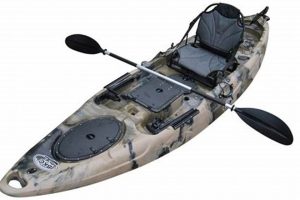
Top-rated kayaks designed for angling in the year 2015 represent a specific point in the evolution of fishing kayak design. These kayaks typically incorporated features like rod holders, storage compartments for tackle, and potentially specialized seating or hull designs for stability and maneuverability. Examining these models provides a snapshot of the then-current technologies and popular features anglers sought.
Understanding the leading fishing kayaks of 2015 offers valuable insights into the progression of kayak design. It allows for analysis of how features and materials have changed over time and can inform current purchasing decisions by highlighting features that have stood the test of time or proven less effective. This historical perspective also provides context for evaluating the advancements in subsequent years, clarifying trends and innovations within the fishing kayak market. Studying these models can also be useful for those in the used kayak market.
The following sections will explore specific models highly regarded in 2015, delve into their key features, and analyze their performance characteristics. This information will provide a comprehensive overview of the landscape of high-quality fishing kayaks available during that period.
Tips for Selecting a 2015-Era Fishing Kayak
Choosing a used fishing kayak from the 2015 era requires careful consideration of several factors to ensure the vessel meets specific angling needs and remains in suitable condition.
Tip 1: Evaluate Hull Design: Consider the hull type (sit-on-top, sit-inside) and its impact on stability, speed, and maneuverability. A wider hull generally offers greater stability, while a longer, narrower hull provides better tracking and speed.
Tip 2: Inspect for Wear and Tear: Thoroughly examine the kayak for signs of damage, such as cracks, deep scratches, or UV degradation. Pay close attention to stress points like the hull, seams, and seating area.
Tip 3: Assess Storage Capacity: Evaluate the available storage space for fishing gear, including rod holders, tackle compartments, and dry storage hatches. Consider the types of fishing planned and the necessary equipment.
Tip 4: Check Seating Comfort and Adjustability: Ensure the seat provides adequate support and comfort for extended fishing trips. Look for adjustable features that allow for customization based on individual preferences.
Tip 5: Consider Weight and Portability: Factor in the kayak’s weight and how it will be transported. Heavier kayaks may require assistance or specialized equipment for loading and unloading.
Tip 6: Research Manufacturer Reputation and Reviews: Look into the manufacturer’s reputation for quality and durability. Search online forums and reviews for insights from previous owners regarding performance and potential issues.
Tip 7: Factor in Budget: Set a realistic budget before starting the search. Prices for used 2015-era kayaks will vary based on condition, features, and brand. Consider the value offered relative to the price.
By carefully considering these factors, anglers can select a used 2015-era fishing kayak that offers suitable performance, durability, and value for their specific needs.
This information facilitates informed decisions when purchasing a pre-owned fishing kayak from this specific period, enabling anglers to find a suitable vessel that meets their individual requirements and budget.
1. Stability

Stability represents a critical performance attribute in fishing kayaks, particularly for models from 2015 when design advancements continued to enhance this aspect. A stable platform is essential for anglers to maintain balance while casting, reeling, and landing fish, especially in challenging conditions. Understanding the factors contributing to stability is crucial when evaluating kayaks from this period.
- Hull Design
Hull design significantly influences kayak stability. Wider hulls and those with a flatter bottom profile generally provide greater initial stability, resisting tipping. Features like pontoon hulls or outriggers, present in some 2015 models, further enhanced stability. Kayaks designed for stand-up fishing prioritized stability through these design elements. Examples include the Hobie Pro Angler series and the Wilderness Systems Ride 135.
- Center of Gravity
A lower center of gravity contributes to increased stability. Kayak design and the distribution of weight within the kayak affect the center of gravity. Lower seating positions and strategically placed gear storage compartments within the hull contribute to a lower center of gravity, promoting stability. Anglers also influence the center of gravity through their body position and movements.
- Water Conditions
Kayak stability interacts with prevailing water conditions. Calm, flat water presents fewer stability challenges compared to choppy or rough water. Kayaks designed for offshore fishing in 2015 often featured enhanced stability characteristics to handle more challenging conditions. The Native Slayer Propel 13, for instance, offered a stable platform suited for varied water conditions.
- Angler Experience
An angler’s experience and comfort level also relate to perceived stability. Experienced anglers may feel secure in kayaks with less initial stability, while beginners often benefit from wider, more stable platforms. Selecting a kayak from 2015 with stability characteristics appropriate for the angler’s skill level ensures a safe and enjoyable fishing experience.
Considering these facets of stability provides a comprehensive framework for evaluating fishing kayaks from 2015. Analyzing hull design, center of gravity, intended water conditions, and angler experience informs the selection of a kayak that offers appropriate stability for individual needs and preferences. This ensures a safe, comfortable, and productive fishing experience.
2. Storage Capacity

Storage capacity played a crucial role in determining the effectiveness and practicality of fishing kayaks in 2015. Anglers require ample space to store tackle boxes, rods, electronics, safety gear, and personal items. Sufficient storage contributes to a well-organized and efficient fishing experience, allowing anglers to focus on the task at hand rather than managing equipment. Evaluating storage solutions was essential when selecting a high-performing fishing kayak from this era.
- Types of Storage
Fishing kayaks in 2015 featured various storage solutions, including open storage wells, sealed hatches, tank wells, and dedicated tackle compartments. Open storage areas, often with bungee cords, provided quick access to frequently used items. Sealed hatches protected sensitive electronics and gear from water. Tank wells accommodated larger items like coolers or bait buckets. Dedicated tackle storage offered organized compartments for lures, hooks, and other small items. Models like the Ocean Kayak Prowler 13 offered a mix of these storage options.
- Storage Capacity and Kayak Size
Kayak size directly influences storage capacity. Longer kayaks generally provide more storage space than shorter models. Anglers targeting larger game fish or embarking on multi-day trips often prioritized kayaks with higher storage capacity. Shorter kayaks, while potentially more maneuverable, offered less storage and suited anglers with minimal gear requirements or those fishing in smaller bodies of water. The Vibe Sea Ghost 130, for example, offered substantial storage for its size.
- Weight Capacity and Storage
Weight capacity considerations intertwine with storage capacity. The total weight of an angler, gear, and stored items must remain within the kayak’s specified weight limit to maintain safe and optimal performance. Exceeding weight capacity compromises stability and maneuverability. Anglers carrying heavier gear loads required kayaks with higher weight capacities and correspondingly larger storage compartments. The Perception Pescador 12, for instance, offered a good balance of weight capacity and storage.
- Accessibility and Organization
Beyond sheer volume, the accessibility and organization of storage compartments mattered significantly. Well-designed storage solutions provided easy access to frequently used items without requiring anglers to constantly shift positions or reach awkwardly. Dedicated compartments and organizers within storage areas facilitated efficient tackle management. Kayaks with well-placed and accessible storage compartments, like the Wilderness Systems Tarpon 120, enhanced the overall fishing experience.
Analyzing storage capacity in the context of 2015 fishing kayaks required assessing the types of storage, the relationship between kayak size and storage volume, weight capacity considerations, and the accessibility and organization of storage compartments. These factors collectively contributed to the overall functionality and practicality of fishing kayaks from this era. Choosing a kayak with appropriate storage capabilities for individual needs ensured efficient gear management and a more productive and enjoyable fishing experience.
3. Maneuverability

Maneuverability represented a key performance characteristic for fishing kayaks in 2015, influencing anglers’ ability to navigate diverse water environments and target specific fishing locations. Responsive handling facilitated precise positioning in tight spots, crucial for accessing secluded coves, navigating shallow creeks, or maneuvering around obstacles like submerged logs or vegetation. Kayak design and specific features contributed significantly to maneuverability, impacting the overall fishing experience.
Shorter kayaks generally offer enhanced maneuverability compared to longer models. Their reduced length allows for quicker turns and more agile handling in confined spaces. Kayaks designed for river fishing or navigating complex shorelines in 2015 often prioritized maneuverability through shorter hull designs. The Jackson Kayak Kilroy DT, for example, provided nimble handling suited for navigating tight waterways. Conversely, longer kayaks excel in tracking and maintaining straight-line speed, advantageous for open water fishing but potentially less maneuverable in tight quarters. The Hobie Mirage Outback, although longer, offered reasonable maneuverability due to its hull design. Rudders and skegs played a role in enhancing tracking and maneuverability, particularly in windy conditions or currents. These features allowed anglers to maintain course and counteract the effects of external forces. Some 2015 models, like the Wilderness Systems Commander 120, incorporated rudders for improved directional control.
Understanding the interplay between kayak design, hull length, and features like rudders clarifies the dynamics of maneuverability in 2015-era fishing kayaks. Evaluating these aspects provides valuable insights into how specific models performed in different water environments. This knowledge equips anglers with the ability to select kayaks suited to their intended fishing locations and desired level of handling responsiveness. Prioritizing maneuverability based on fishing style and target environment ultimately enhances the overall fishing experience.
4. Comfort
Comfort significantly influenced the overall fishing experience in 2015, impacting anglers’ ability to spend extended hours on the water. A comfortable kayak enabled focused fishing without distractions caused by discomfort or fatigue. Evaluating seating systems, adjustability, and other comfort-related features proved essential when selecting a high-performing fishing kayak from this period.
- Seating Systems
Seating systems played a pivotal role in kayak comfort. High-quality seating provided adequate support, cushioning, and breathability. Adjustable seating allowed anglers to customize their position for optimal comfort and reduced fatigue during long fishing trips. Higher-end models from 2015 often featured padded, adjustable seats with breathable mesh backing. Examples include the comfortable seating found in the Hobie Mirage Pro Angler series and the Wilderness Systems Tarpon series. Kayaks with subpar seating could lead to discomfort and prematurely curtail fishing excursions.
- Adjustability
Adjustability extended beyond seating to include features like footrests and backrests. Adjustable footrests accommodated anglers of different heights, ensuring proper leg positioning and support. Adjustable backrests allowed for fine-tuning back support and reducing strain. Kayaks from 2015 with limited adjustability potentially compromised comfort, particularly for anglers with specific physical requirements or preferences. Models like the Old Town Predator MX offered adjustable footrests and backrests to enhance comfort and ergonomics.
- Legroom and Cockpit Design
Ample legroom and a well-designed cockpit contributed to overall comfort. Sufficient space within the cockpit allowed for comfortable leg positioning and movement, preventing cramping and discomfort. Cockpit design also influenced ease of entry and exit. Kayaks from 2015 designed for larger anglers or those requiring extra space often prioritized cockpit dimensions and legroom. The Native Watercraft Slayer Propel 10, while shorter, offered a spacious cockpit for its size.
- Standing Platform Stability
For anglers who prefer to stand while fishing, the stability of the standing platform was a critical comfort factor. Kayaks designed for stand-up fishing in 2015 typically featured wider hulls or specialized design elements to provide a stable and secure platform. The Hobie Pro Angler series, known for its stability, catered to stand-up fishing enthusiasts. Kayaks lacking sufficient stability for standing could compromise comfort and safety.
Comfort considerations in 2015 fishing kayaks encompassed seating systems, adjustability features, cockpit design and legroom, and the stability of standing platforms. Evaluating these aspects alongside performance characteristics provided a comprehensive understanding of how specific models catered to angler comfort. Prioritizing comfort ensured enjoyable and productive fishing experiences, enabling anglers to spend extended hours on the water without undue fatigue or discomfort.
5. Durability
Durability formed a cornerstone of quality in 2015 fishing kayaks, directly influencing their lifespan and long-term performance. Kayaks faced exposure to various environmental stressors, including UV radiation, saltwater corrosion, impacts with rocks or submerged objects, and abrasion from transport and storage. Robust construction and resilient materials ensured kayaks could withstand these challenges, providing anglers with reliable performance over extended periods. Models lacking durability necessitated frequent repairs or premature replacement, compromising their overall value and practicality.
Hull material significantly impacted kayak durability. High-density polyethylene (HDPE) offered a balance of impact resistance and affordability, making it a common choice for recreational fishing kayaks. Higher-end models sometimes utilized cross-linked polyethylene or other advanced polymers for increased durability and impact resistance, albeit at a higher cost. For example, the Wilderness Systems Tarpon series employed durable HDPE construction, contributing to its reputation for longevity. Fiberglass and composite kayaks offered lighter weight and enhanced performance characteristics but required greater care to prevent damage from impacts. Proper maintenance practices, including regular cleaning and UV protection, further extended the lifespan of all kayak types.
Evaluating the durability of 2015 fishing kayaks requires considering the intended usage environment and potential stressors. Kayaks used in rocky rivers or coastal areas benefitted from enhanced impact resistance and abrasion resistance. Offshore fishing kayaks required robust construction to withstand the rigors of open water conditions. Understanding the relationship between construction materials, design features, and long-term durability allowed anglers to make informed purchasing decisions. Prioritizing durability ensured kayaks remained reliable tools for years to come, maximizing their value and providing anglers with dependable performance on the water. Neglecting durability could lead to costly repairs, decreased performance, and a shorter lifespan, ultimately compromising the overall fishing experience.
Frequently Asked Questions (FAQ)
This section addresses common inquiries regarding top-performing fishing kayaks from 2015, providing clarity on key aspects to consider when evaluating these models. Understanding these points facilitates informed decision-making for those seeking pre-owned kayaks from this period.
Question 1: How do 2015 fishing kayak models compare to more recent offerings in terms of features and performance?
Kayak technology has continued to advance. Newer models may incorporate features like improved pedal-drive systems, lighter construction materials, and more advanced fish finders. However, 2015 models often represent a good value proposition in the used market and still offer excellent fishing capabilities.
Question 2: What are typical price ranges for used 2015 fishing kayaks?
Prices vary based on brand, condition, and included accessories. Researching comparable models and checking online marketplaces provides a reasonable estimate of current market values. Factors such as upgrades, modifications, and overall condition influence pricing.
Question 3: Where can one find used fishing kayaks from 2015 for sale?
Online marketplaces, classified advertisements, local paddling shops, and used sporting goods retailers represent potential sources. Inspecting kayaks in person before purchase is highly recommended to assess their condition.
Question 4: What key features should be prioritized when selecting a used 2015 fishing kayak?
Focus on features aligning with individual fishing styles and target environments. Stability, storage capacity, maneuverability, comfort, and durability represent crucial considerations. Evaluate the hull design, seating system, and available storage options in relation to intended usage.
Question 5: Are there specific maintenance considerations for kayaks from this period?
Regular cleaning, UV protection, and proper storage procedures apply to all kayaks. Inspecting and addressing any signs of wear and tear promptly helps prevent further damage. Researching model-specific maintenance requirements ensures optimal longevity.
Question 6: What safety precautions should one take when using a 2015 fishing kayak?
Wearing a personal flotation device (PFD), carrying essential safety gear, checking weather conditions before heading out, and informing someone of planned fishing locations represent crucial safety practices. Understanding and adhering to local boating regulations ensures a safe and responsible fishing experience.
Carefully considering these points empowers informed decisions regarding purchasing and utilizing pre-owned fishing kayaks from 2015. Prioritizing individual needs, conducting thorough inspections, and adhering to safety guidelines ensures a rewarding and enjoyable fishing experience.
The subsequent sections will delve into specific 2015 models, offering detailed analyses of their performance characteristics and features.
Best Fishing Kayaks 2015
Top-performing fishing kayaks of 2015 represent a distinct stage in the evolution of kayak design, offering valuable insights into the features and technologies prevalent during that period. This exploration has examined key attributes such as stability, storage capacity, maneuverability, comfort, and durability, providing a framework for evaluating these models. Understanding the strengths and weaknesses of 2015 kayaks informs purchasing decisions for those seeking pre-owned vessels and offers a historical perspective on the progression of kayak design.
Careful consideration of these factors empowers informed choices for anglers seeking suitable kayaks in the used market. While newer models offer advancements in technology and features, well-maintained 2015 kayaks can provide excellent performance and value. The insights gained from this retrospective analysis equip anglers with the knowledge to select appropriate kayaks based on individual needs, fishing styles, and target environments. Ultimately, the pursuit of the optimal fishing kayak remains an ongoing exploration, driven by innovation and a desire to enhance the angling experience.