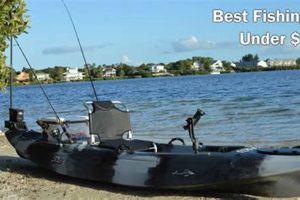
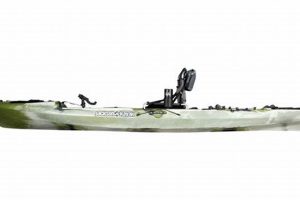
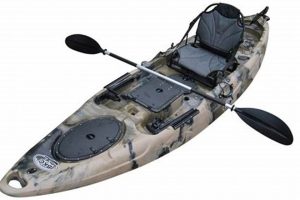
A search for a top-performing fishing kayak from the 2016 model year reflects a consumer’s desire for a watercraft specifically designed for angling. This typically includes features like rod holders, storage compartments for tackle, and a stable hull design conducive to casting and reeling. An example might be a sit-on-top kayak with a high weight capacity and specialized mounting points for fish finders and other accessories.
In 2016, the kayak fishing market was experiencing significant growth. Consumers were increasingly drawn to the sport’s affordability, accessibility, and the ability to reach fishing grounds inaccessible by larger boats. Selecting the optimal vessel was crucial for maximizing angling success and enjoyment. Factors like stability, maneuverability, and comfort played key roles in determining the most suitable option for individual anglers and their preferred fishing styles.
This discussion will explore the key characteristics that defined high-quality fishing kayaks in 2016, highlighting important considerations for anglers seeking retrospective information on models from that year. Topics covered will include popular designs, prominent manufacturers, and innovative features that set specific kayaks apart.
Tips for Researching 2016 Fishing Kayaks
Locating information on kayaks from a specific model year requires a focused approach. These tips offer guidance for researching fishing kayaks from 2016.
Tip 1: Leverage Online Forums and Communities: Kayak fishing forums and online communities often contain discussions and reviews of older models. Searching these platforms for mentions of specific 2016 kayaks can yield valuable insights from previous owners.
Tip 2: Explore Archived Web Pages: Utilizing the Wayback Machine (archive.org) allows access to archived versions of websites, including manufacturer pages and retailer listings that may have featured 2016 models. This provides a snapshot of product details and specifications from that time.
Tip 3: Consult Specialized Kayak Publications: Magazines and online resources dedicated to kayaking often publish gear reviews and buyer’s guides. Searching their archives for articles published in or around 2016 may offer information on popular fishing kayak models from that year.
Tip 4: Contact Kayak Dealers and Manufacturers: Reaching out to kayak dealers or manufacturers directly can sometimes provide information about older models. They may have archived catalogs or be able to answer specific questions about 2016 fishing kayaks.
Tip 5: Check Used Kayak Marketplaces: Online marketplaces specializing in used kayaks occasionally list older models. Examining listings for 2016 fishing kayaks can provide insight into their current market value and availability, and may even lead to opportunities for purchase.
Tip 6: Review Product Manuals and Specifications: Many manufacturers maintain online archives of product manuals and specifications. Locating these documents for 2016 models can provide detailed technical information and insights into design features.
By following these research strategies, potential buyers can gain a comprehensive understanding of the fishing kayak landscape in 2016 and make informed decisions based on their individual needs and preferences.
This information provides a solid foundation for further exploration of specific 2016 fishing kayak models and their suitability for various angling styles and conditions.
1. Stability
Stability formed a cornerstone of high-performing fishing kayaks in 2016. A stable platform was essential for anglers to stand and cast, fight fish effectively, and maintain balance in varying water conditions. Kayaks designed with wider hulls and lower centers of gravity offered enhanced stability, reducing the risk of capsizing and allowing for more confident maneuvering. This stability was particularly crucial in scenarios involving larger fish or challenging currents. A stable kayak enabled anglers to focus on fishing rather than maintaining balance, thereby maximizing their chances of success and overall enjoyment. Consider, for instance, a 2016 model like the Wilderness Systems Ride 115, renowned for its exceptional stability due to its pontoon-style hull design, making it a popular choice for anglers fishing in rougher waters.
The importance of stability directly influenced design choices in 2016 fishing kayaks. Manufacturers incorporated features like wider beams, flat bottoms, and outriggers to enhance stability. These design elements, while sometimes impacting speed, were prioritized for anglers targeting larger species or fishing in environments prone to choppy conditions. For example, the Native Watercraft Slayer Propel 10, a popular 2016 model, showcased a wide, stable hull designed specifically for stand-up fishing, highlighting the growing demand for stability as a defining characteristic of high-quality fishing kayaks.
Understanding the role of stability in 2016 fishing kayak design provides valuable context for evaluating these models. Prioritizing stability often involved trade-offs in speed and maneuverability, necessitating careful consideration based on individual angling needs and preferences. The connection between stability and performance underscores the significance of assessing this characteristic when researching or purchasing a used 2016 fishing kayak, emphasizing the need for a balanced approach that considers both stability and other performance attributes.
2. Storage Capacity

Storage capacity played a critical role in determining the suitability of a kayak for fishing in 2016. Anglers required sufficient space to store tackle boxes, rods, reels, safety gear, and personal items. Kayaks with inadequate storage limited the duration and effectiveness of fishing trips, while those with ample and well-designed storage solutions enhanced convenience and overall fishing success.
- Dedicated Tackle Storage:
Kayaks designed with specialized compartments for tackle boxes allowed anglers to organize and access their gear efficiently. These compartments often featured waterproof seals or hatches to protect sensitive items from the elements. For instance, the Old Town Predator 13, a popular 2016 fishing kayak, offered a large rear tank well and integrated tackle storage compartments, demonstrating the emphasis on dedicated storage solutions.
- Rod Holders:
Integrated rod holders, both flush-mounted and adjustable, were essential for securing rods while paddling or when not actively fishing. The number and placement of rod holders influenced the angler’s ability to carry multiple rods rigged for different techniques. Kayaks like the Hobie Outback, a well-regarded 2016 model, provided multiple rod holders strategically placed for ease of access and secure transport.
- Dry Storage:
Keeping electronic devices, personal items, and clothing dry was paramount. Kayaks with dedicated dry storage hatches, often located within the hull, provided secure protection from water damage. The Wilderness Systems Tarpon 120, a 2016 model known for its versatility, incorporated dry storage hatches accessible from the seating area, showcasing the focus on protecting essential gear.
- Bungee Systems:
Deck-mounted bungee systems offered additional storage options for items like spare paddles, dry bags, and other accessories. These systems provided convenient access to frequently used items while keeping them securely fastened to the kayak. Models like the Perception Pescador 12, popular in 2016, utilized bungee systems on the deck for readily accessible gear storage.
The diverse storage solutions offered by 2016 fishing kayaks reflected the growing demands of anglers seeking to maximize their on-the-water efficiency and preparedness. Adequate and well-designed storage played a pivotal role in differentiating top-performing kayaks from those with limited carrying capacity. When evaluating 2016 models, careful consideration of storage options remains essential for anglers seeking to optimize their fishing experience. A well-equipped kayak ensured anglers could bring all the necessary gear for a successful and enjoyable day on the water.
3. Comfort

Comfort significantly influenced the overall fishing experience in 2016 kayaks. Extended periods on the water demanded supportive seating, adjustable features, and ample legroom. Kayaks lacking ergonomic design contributed to angler fatigue, limiting fishing time and enjoyment. Conversely, comfortable kayaks enabled prolonged fishing sessions, increasing opportunities for success and enhancing overall satisfaction. A comfortable angler was a more focused and effective angler.
Several factors contributed to comfort in 2016 fishing kayaks. High-quality, adjustable seating systems played a crucial role. Features like adjustable backrests, breathable padding, and ample legroom allowed anglers to customize their seating position for optimal comfort. Kayaks like the Jackson Kayak Cuda 14, known for its comfortable seating, exemplified this focus on ergonomics. Additionally, features like adjustable footrests and thigh braces enhanced stability and control, further contributing to overall comfort and reducing strain during long paddling sessions. The ability to customize the kayak’s fit to the individual angler’s body type significantly impacted comfort levels.
Understanding the importance of comfort in 2016 fishing kayaks provides valuable insight for evaluating models from that year. Prioritizing comfort often translated to longer, more enjoyable, and ultimately more productive fishing trips. A comfortable angler was less likely to experience fatigue and discomfort, enabling them to remain focused on fishing. When researching or purchasing a used 2016 fishing kayak, considering comfort features, like seat design and adjustability, remains crucial for anglers seeking to maximize their on-the-water experience. This emphasis on comfort underscores the holistic approach to kayak design in 2016, recognizing the importance of angler well-being alongside performance and functionality.
4. Maneuverability

Maneuverability represented a critical performance attribute for fishing kayaks in 2016. The ability to navigate tight spaces, swiftly change direction, and efficiently track in varying water conditions directly impacted fishing success. Kayaks with superior maneuverability allowed anglers to access secluded fishing spots, effectively position themselves for optimal casting, and respond quickly to changing currents or fish movement. This agility proved particularly advantageous in environments like shallow creeks, mangrove tunnels, and areas with dense vegetation.
Hull design significantly influenced a kayak’s maneuverability. Shorter kayaks with a more pronounced rocker (upward curve of the hull) generally offered enhanced maneuverability, allowing for tighter turns and quicker responsiveness. Conversely, longer kayaks with flatter hulls provided superior tracking and speed but sacrificed some agility. For example, the Wilderness Systems Tarpon 100, a popular 2016 model known for its maneuverability, featured a shorter hull and defined rocker, making it ideal for navigating tight, shallow waters. Conversely, longer models like the Vibe Sea Ghost 130, while less nimble, excelled in open water tracking and speed. Understanding the relationship between hull design and maneuverability provided anglers with crucial information for selecting the optimal kayak based on their target fishing environment.
Selecting a 2016 fishing kayak with appropriate maneuverability required careful consideration of the intended fishing locations and styles. Highly maneuverable kayaks excelled in confined spaces but might lack the speed and stability of longer, less agile models. Balancing maneuverability with other performance characteristics, such as stability and tracking, remained crucial for maximizing overall fishing effectiveness. Analyzing maneuverability within the context of specific fishing scenarios highlights its practical significance in 2016 kayak selection. This understanding remains relevant today for those researching or purchasing used kayaks from that era, informing choices based on individual fishing preferences and target environments.
5. Durability
Durability constituted a critical factor in determining the long-term value and performance of a “best fishing kayak 2016.” Kayaks faced exposure to harsh environmental conditions, including UV radiation, saltwater, and impacts from rocks or other obstacles. A durable kayak withstood these challenges, minimizing maintenance requirements and ensuring extended lifespan. Inferior construction, conversely, led to premature wear and tear, compromising performance and necessitating costly repairs or replacements. A durable kayak represented a sound investment, providing reliable performance over multiple seasons.
Several factors influenced kayak durability in 2016. Hull material played a significant role. High-density polyethylene (HDPE) offered excellent impact resistance and durability, making it a popular choice for fishing kayaks. Other materials, such as rotomolded polyethylene and composites, provided varying degrees of durability and performance characteristics. Construction methods, including the quality of welds and fittings, further influenced overall durability. Kayaks like the FeelFree Lure 11.5, known for its robust HDPE construction, exemplified the focus on durability in 2016 models. Selecting a kayak built with durable materials and sound construction techniques ensured long-lasting performance and minimized the risk of damage from regular use and environmental exposure.
Assessing durability remained a critical aspect of evaluating potential “best fishing kayak 2016” purchases. Durability directly correlated with the kayak’s ability to withstand the rigors of fishing environments and maintain performance over time. Prioritizing durability, even at a potentially higher initial cost, often proved a wise investment, reducing long-term maintenance expenses and ensuring extended usability. Understanding the connection between durability and long-term value provides crucial context for researching and selecting a used 2016 fishing kayak. This emphasis on durability reflects the practical considerations that influenced kayak design and purchasing decisions in 2016, recognizing the importance of a robust and reliable vessel capable of withstanding the demands of regular fishing use.
Frequently Asked Questions about 2016 Fishing Kayaks
This section addresses common inquiries regarding fishing kayaks from the 2016 model year, providing clarity on key aspects and considerations.
Question 1: How do 2016 fishing kayaks compare to more recent models?
While newer kayaks may incorporate advancements in materials, features, and design, many 2016 models remain highly capable fishing platforms. Key differences may include updated seating systems, improved propulsion options (like pedal drives), and integration of newer technologies like fish finders. Evaluating specific models based on individual needs and preferences remains crucial regardless of the model year.
Question 2: Where can one find 2016 fishing kayaks for sale?
Used kayak marketplaces, online classifieds, and local kayak dealers occasionally offer 2016 models. Contacting specialized kayak retailers or searching online forums dedicated to kayak fishing may also yield leads on available used kayaks from this period.
Question 3: What are typical price ranges for used 2016 fishing kayaks?
Pricing varies based on the specific model, condition, included accessories, and market demand. Researching comparable listings and considering factors like hull material, features, and overall condition helps determine a fair market value.
Question 4: Are replacement parts readily available for 2016 kayak models?
Availability of replacement parts depends on the manufacturer and the specific components needed. Contacting the manufacturer directly or authorized dealers is recommended to inquire about parts availability for older models. Online forums and communities dedicated to kayaking may also offer insights into sourcing replacement parts.
Question 5: What are common maintenance considerations for a 2016 fishing kayak?
Regular cleaning, proper storage, and periodic inspection for wear and tear contribute to maintaining a kayak’s condition and performance. Addressing any damage promptly and storing the kayak protected from the elements helps prolong its lifespan.
Question 6: What safety precautions should one take when using a 2016 fishing kayak?
Wearing a personal flotation device (PFD), carrying essential safety gear (like a whistle and signaling device), informing someone of planned fishing locations, and checking weather conditions before heading out are essential safety practices. Adhering to safe boating regulations and practicing responsible on-the-water behavior ensures a safe and enjoyable fishing experience.
Understanding these frequently asked questions empowers informed decision-making regarding the purchase and use of 2016 fishing kayaks. Thorough research and consideration of individual needs and preferences remain paramount when selecting a used kayak from this period.
The following section will provide concluding remarks and summarize key takeaways regarding the evaluation and selection of fishing kayaks from 2016.
Conclusion
Exploration of the “best fishing kayak 2016” necessitates a multifaceted approach, encompassing careful consideration of stability, storage capacity, comfort, maneuverability, and durability. Top-performing 2016 models effectively balanced these attributes to provide anglers with optimized fishing platforms. Researching specific models, considering individual fishing styles and target environments, and evaluating the condition of used kayaks remain essential for informed decision-making. Understanding the market context of 2016, including prevalent design trends and technological advancements, provides valuable context for assessing these kayaks’ relevance and performance capabilities in relation to contemporary options.
Ultimately, the “best” designation remains subjective, contingent upon individual angler needs and preferences. However, a thorough understanding of the defining characteristics of high-quality fishing kayaks from 2016 empowers informed choices and facilitates the selection of a vessel capable of delivering optimal performance and enjoyment on the water. Continued exploration of specific models and manufacturers from this era provides a deeper appreciation for the evolution of kayak fishing technology and design.