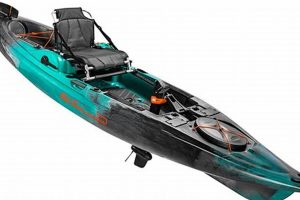
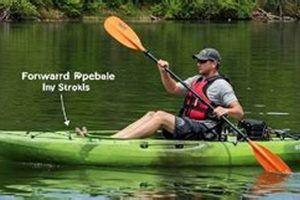
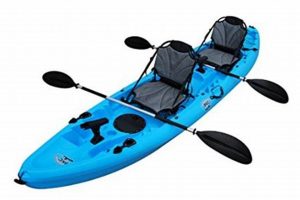
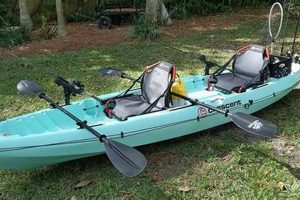
A premium, durable fishing kayak designed for long-term use represents a significant investment for anglers. This type of watercraft prioritizes robust construction, stability, and specialized features tailored to enhance the fishing experience. Examples of such features might include integrated rod holders, ample storage for tackle and gear, and a comfortable, adjustable seating system. A high-quality, long-lasting kayak allows anglers to confidently navigate various water conditions while providing a stable platform for casting and reeling.
Choosing a fishing kayak built for extended use offers several advantages. Durability translates to resistance against wear and tear, ensuring the kayak remains functional and enjoyable for years. Stability is crucial for safety and successful fishing, especially in challenging conditions. Specialized features streamline the angling process, making it more efficient and enjoyable. Historically, fishing kayaks have evolved from basic recreational models to highly specialized vessels designed to meet the specific needs of anglers. This evolution reflects a growing understanding of the importance of comfort, stability, and functionality in enhancing the fishing experience.
The subsequent sections will explore key factors to consider when selecting a durable, high-performance fishing kayak, including construction materials, design features, and manufacturer reputation. Understanding these elements empowers consumers to make informed decisions and invest in a kayak that will provide years of reliable performance on the water.
Tips for Choosing a Kayak Built for a Lifetime of Fishing
Selecting a fishing kayak requires careful consideration of various factors to ensure long-term durability, performance, and enjoyment. These tips offer guidance for making an informed decision.
Tip 1: Prioritize Construction Materials. Focus on kayaks constructed from high-quality, durable materials like rotomolded polyethylene or composites. Rotomolded kayaks offer excellent impact resistance, while composites provide superior strength and lighter weight.
Tip 2: Evaluate Hull Design. Consider the intended fishing environment. A wider, flatter hull offers greater stability, ideal for calm waters. A longer, narrower hull provides better tracking and speed for covering larger distances or navigating currents.
Tip 3: Assess Storage Capacity and Layout. Ample storage is essential for carrying fishing gear, tackle boxes, and safety equipment. Look for well-designed storage compartments that are easily accessible and secure.
Tip 4: Examine Seating Comfort and Adjustability. A comfortable and supportive seat is crucial for long days on the water. Ensure the seat is adjustable to accommodate individual preferences and provide proper back support.
Tip 5: Consider Weight Capacity and Kayak Weight. Choose a kayak with a weight capacity that comfortably accommodates the angler’s weight, plus gear and any potential catch. Also, consider the kayak’s overall weight, especially if transporting it alone.
Tip 6: Research Manufacturer Reputation and Warranty. Opt for a reputable manufacturer known for producing high-quality kayaks. A comprehensive warranty offers peace of mind and protection against potential defects.
Tip 7: Test Paddle Before Purchasing (if possible). A test paddle allows potential buyers to experience the kayak’s stability, maneuverability, and comfort firsthand, ensuring it meets individual needs and preferences.
By carefully considering these factors, anglers can invest in a fishing kayak that provides years of reliable performance, comfort, and enjoyment on the water.
These considerations empower informed decision-making, leading to a long-lasting and rewarding fishing experience.
1. Durability

Durability stands as a cornerstone for any “best lifetime fishing kayak” contender. A kayak’s ability to withstand the rigors of regular use, including exposure to various weather conditions and potential impacts, directly influences its lifespan and overall value. This section explores the crucial facets of kayak durability.
- Construction Material
The primary material dictates a kayak’s resilience. Rotomolded polyethylene offers exceptional impact resistance and UV protection, making it a popular choice for long-lasting kayaks. Composite materials, such as fiberglass or carbon fiber, provide higher strength-to-weight ratios but may be more susceptible to scratches or damage from sharp impacts. Thermoformed ABS offers a balance between durability and affordability. Choosing the right material is fundamental to ensuring a kayak endures years of use.
- Hull Thickness
Hull thickness directly correlates with impact resistance. A thicker hull can better withstand collisions with rocks, logs, or other obstacles encountered in various water environments. Manufacturers often vary hull thickness in different kayak sections, reinforcing high-impact areas like the keel. Examining hull thickness specifications provides valuable insight into a kayak’s overall ruggedness.
- Hardware and Fittings
Hardware, including handles, latches, and deck rigging, plays a crucial role in overall durability. High-quality stainless steel or marine-grade components resist corrosion and maintain functionality over time. Poorly constructed or inferior hardware can become weak points, compromising the kayak’s structural integrity and lifespan. Careful inspection of these components is essential when evaluating durability.
- UV Resistance
Exposure to sunlight can degrade certain kayak materials over time, leading to fading, brittleness, and reduced structural integrity. Kayaks specifically designed for extended use often incorporate UV inhibitors in their construction to protect against sun damage. Understanding a kayak’s UV resistance is vital, especially for anglers who frequently fish in sunny climates.
By carefully considering these elements of durability, potential buyers can make informed decisions and select a fishing kayak capable of providing years of reliable performance. A truly durable kayak forms the foundation for a “best lifetime fishing kayak,” ensuring countless fishing adventures for years to come.
2. Stability

Stability forms a critical pillar in defining a “best lifetime fishing kayak.” A stable platform is paramount for angling activities, impacting safety, comfort, and overall fishing effectiveness. Stability influences an angler’s ability to cast, reel, and land fish without compromising balance or risking capsizing. This characteristic becomes particularly crucial in challenging conditions such as windy days, choppy water, or when navigating currents. A stable kayak allows anglers to focus on fishing rather than constantly correcting their balance, leading to a more enjoyable and productive experience. Consider, for example, the difference between standing to cast in a wide, stable kayak versus attempting the same maneuver in a narrow, less stable model. The former provides a secure platform, while the latter increases the risk of losing balance and potentially capsizing.
Several factors contribute to kayak stability, including hull design, width, and length. Wider kayaks generally offer greater initial stability, making them ideal for calm water fishing or situations requiring frequent standing. Longer kayaks tend to track better in a straight line but may feel less stable initially. Hull shape also plays a significant role; flatter hulls provide greater initial stability, while more rounded or V-shaped hulls offer better performance in rougher water but may feel less stable when stationary. Understanding these factors allows anglers to select a kayak that balances stability with other performance characteristics, ensuring a suitable platform for their specific fishing needs. For instance, an angler primarily fishing calm lakes or ponds might prioritize a wider, flatter hull for maximum stability, while an angler fishing in coastal areas or rivers might opt for a longer, more maneuverable kayak with a slightly more rounded hull to handle varied conditions.
Ultimately, the stability of a fishing kayak directly correlates with angler confidence and safety. A stable kayak allows for comfortable and effective fishing, even in challenging conditions. This characteristic is essential not only for immediate fishing success but also for long-term enjoyment and continued use of the kayak. Investing in a stable kayak contributes significantly to the “best lifetime fishing kayak” concept, ensuring a safe, enjoyable, and productive fishing experience for years to come. This knowledge empowers informed decision-making, emphasizing the importance of stability in creating a positive and enduring relationship with the sport.
3. Comfort

Comfort plays a pivotal role in the “best lifetime fishing kayak” equation. Extended fishing trips often involve prolonged periods seated in the kayak. Discomfort can curtail outings, diminishing overall enjoyment and potentially leading to long-term physical issues. A comfortable kayak promotes extended time on the water, maximizing fishing opportunities and enhancing the overall experience. Consider the difference between a well-padded, adjustable seat and a basic, unyielding seat. The former allows anglers to maintain focus and enjoyment throughout the day, while the latter can lead to discomfort, fatigue, and a shortened fishing trip. This highlights the direct correlation between comfort and realizing the full potential of a “lifetime” fishing kayak.
Several elements contribute to kayak comfort. Seat design, including padding, adjustability, and breathability, significantly impacts comfort levels. An ergonomic seat with ample back support and customizable adjustments can mitigate fatigue and accommodate individual preferences. Footrest positioning also plays a crucial role. Adjustable footrests allow anglers to customize leg positioning for optimal comfort and paddling efficiency. Ample cockpit space provides room for movement and gear storage, further enhancing comfort and reducing feelings of confinement. For example, an angler with longer legs will benefit significantly from adjustable footrests, while a larger angler will appreciate a more spacious cockpit. Understanding these elements enables informed decisions aligned with individual needs and preferences, ultimately maximizing long-term comfort and enjoyment on the water.
Prioritizing comfort in a fishing kayak translates to more enjoyable and productive fishing trips. Reducing discomfort allows anglers to focus on the task at hand, maximizing their time on the water. This, in turn, contributes to the long-term value and enjoyment of the kayak. Comfort is not merely a convenience; it is an essential element of the “best lifetime fishing kayak” concept. Selecting a kayak with appropriate comfort features contributes significantly to a positive and enduring relationship with the sport, fostering countless hours of enjoyable and productive fishing experiences over the years.
4. Storage Capacity
Storage capacity directly influences the utility and long-term value of a fishing kayak designated as “best lifetime.” Adequate storage accommodates essential gear, including tackle boxes, rods, safety equipment, and personal items. Insufficient storage compromises organization, potentially damaging equipment and hindering access to essential items. Consider the scenario of an angler needing quick access to a specific lure but facing a disorganized tangle of gear due to limited storage. This scenario underscores the practical impact of storage capacity on fishing efficiency and overall enjoyment.
Several factors contribute to effective kayak storage. Dedicated compartments designed for specific gear, such as tackle boxes or rods, enhance organization and prevent damage. Watertight hatches safeguard sensitive items from moisture and ensure their longevity. Bungee cords and deck rigging provide additional storage options for readily accessible items like paddles or rain gear. The size, placement, and accessibility of storage compartments should align with individual fishing styles and gear requirements. For example, an angler specializing in fly fishing requires different storage solutions than an angler trolling for larger game fish. Understanding these nuances enables anglers to select a kayak that supports their specific needs and promotes long-term satisfaction.
Ample and well-designed storage contributes significantly to the overall utility and longevity of a fishing kayak. Proper storage protects gear, enhances organization, and facilitates efficient access to essential items, contributing to a more enjoyable and productive fishing experience. Selecting a kayak with appropriate storage capacity is crucial for realizing the “best lifetime fishing kayak” designation. This practical consideration ensures that the kayak remains a valuable asset for years to come, supporting diverse fishing adventures and contributing to long-term satisfaction on the water.
5. Maneuverability

Maneuverability represents a critical performance attribute within the “best lifetime fishing kayak” framework. Efficient navigation through diverse water environments, including tight spaces, swift currents, and obstacle-laden areas, directly impacts fishing success and overall enjoyment. A highly maneuverable kayak allows anglers to access prime fishing spots, navigate challenging conditions, and respond effectively to changing circumstances on the water. This characteristic becomes increasingly important over the lifespan of a kayak, enabling continued access to diverse fishing locations and adaptability to evolving fishing preferences.
- Hull Design and Length
Hull design significantly influences maneuverability. Shorter kayaks generally turn more quickly, while longer kayaks excel in tracking straight lines. Specific hull shapes, such as those with defined chines or a shallow-V design, contribute to enhanced turning performance. For example, a shorter kayak with a defined chine excels in navigating tight creeks or maneuvering around submerged structures, while a longer kayak with a shallow-V hull performs well in open water or moderate currents. Selecting an appropriate hull design is crucial for aligning maneuverability with intended fishing environments and long-term usage.
- Tracking and Turning Performance
Tracking refers to a kayak’s ability to maintain a straight course, while turning performance dictates how easily and efficiently the kayak changes direction. Kayaks designed for maneuverability often prioritize turning performance over absolute tracking, allowing for quick adjustments in direction. For instance, a kayak designed for river fishing requires superior turning capabilities to navigate rapids and avoid obstacles, while a kayak intended for open-water trolling prioritizes tracking to maintain course efficiently. Understanding the balance between tracking and turning is essential for selecting a kayak suited to specific fishing styles and long-term needs.
- Rudder or Skeg Systems
Rudders and skegs enhance directional control, particularly in windy conditions or strong currents. A rudder provides active control, allowing the angler to steer the kayak precisely. A skeg improves tracking by reducing yaw (side-to-side movement). These features contribute to enhanced maneuverability and overall efficiency on the water. For example, a rudder proves invaluable in strong crosswinds or when navigating swift currents, while a skeg enhances tracking during long paddles or trolling in open water. Choosing the appropriate system, or a combination of both, aligns with specific fishing environments and long-term usage patterns.
- Paddler Skill and Experience
While kayak design significantly influences maneuverability, paddler skill and experience also play a crucial role. Proper paddling technique and an understanding of kayak dynamics maximize maneuverability regardless of hull design. Experienced paddlers can effectively maneuver kayaks in challenging conditions, highlighting the importance of continuous skill development for realizing the full potential of a “best lifetime fishing kayak.” This emphasizes that maneuverability isn’t solely determined by the kayak itself but also by the user’s ability to harness its capabilities effectively over time.
Maneuverability, therefore, represents more than just a performance characteristic; it signifies adaptability and access to diverse fishing opportunities over the lifespan of the kayak. Selecting a kayak with appropriate maneuverability characteristics contributes significantly to the “best lifetime fishing kayak” designation, ensuring continued enjoyment, exploration, and successful fishing experiences in various environments for years to come.
6. Fishing Features
Specialized fishing features distinguish a purpose-built fishing kayak from a standard recreational model. These features directly impact angling effectiveness, efficiency, and long-term enjoyment, solidifying their crucial role in the “best lifetime fishing kayak” concept. Consider the cause-and-effect relationship between integrated rod holders and hands-free fishing. Rod holders allow anglers to manage multiple lines or prepare tackle without constantly gripping rods, directly increasing fishing efficiency and the potential for success. This exemplifies how specific features contribute to a more productive and enjoyable experience, a core element of a kayak designed for a lifetime of use.
Several key fishing features contribute significantly to a kayak’s overall value and utility. Integrated rod holders, as mentioned, provide convenient and secure rod storage. Tackle storage compartments keep essential gear organized and readily accessible, minimizing time spent searching for specific items. Fish finders and transducer mounts integrate technology, enhancing fish-locating capabilities. Anchor trolleys and stake-out systems provide stationary positioning options for targeted fishing. These features, though seemingly individual, collectively contribute to a streamlined and more productive fishing experience. For example, an angler trolling with multiple lines benefits significantly from integrated rod holders and a fish finder, while an angler fishing in shallow water values a stake-out system for maintaining position. Understanding the practical application of these features allows for informed decision-making aligned with specific fishing styles and long-term goals.
Investing in a fishing kayak equipped with appropriate features contributes significantly to the “best lifetime fishing kayak” designation. These features not only enhance immediate fishing success but also contribute to long-term satisfaction and continued engagement with the sport. Choosing a kayak with well-designed and practical fishing features aligns with the goal of creating a positive and enduring relationship with fishing, ensuring countless hours of productive and enjoyable fishing experiences over the years. Ignoring these features, however, can lead to frustration, inefficiency, and a diminished long-term appreciation for the sport. Therefore, carefully considering fishing features represents a crucial step in selecting a kayak that truly embodies the “best lifetime” concept.
7. Weight Capacity

Weight capacity represents a critical factor in the “best lifetime fishing kayak” equation, directly influencing safety, performance, and long-term usability. A kayak’s weight capacity dictates the maximum combined weight of the angler, gear, and any potential catch it can safely support. Selecting a kayak with inadequate weight capacity compromises stability, reduces maneuverability, and risks capsizing, particularly in challenging conditions. Understanding the nuances of weight capacity ensures appropriate kayak selection aligned with individual needs and long-term usage, contributing significantly to a safe and enjoyable fishing experience for years to come.
- Maximum Load and Safety Implications
The maximum load specification represents the uppermost weight limit a kayak can safely carry. Exceeding this limit significantly compromises stability and increases the risk of capsizing. For example, a kayak with a 300-pound weight capacity carrying a 350-pound load faces significantly increased risks, particularly in rough water or during sudden movements. Respecting the maximum load specification is paramount for ensuring safe operation and preventing potentially dangerous situations throughout the kayak’s lifespan.
- Impact on Performance and Maneuverability
Approaching the maximum weight capacity reduces a kayak’s performance and maneuverability. A heavily loaded kayak sits lower in the water, increasing drag and reducing responsiveness. This impacts paddling efficiency, turning performance, and overall handling. For instance, a kayak nearing its maximum capacity will feel sluggish and less responsive compared to the same kayak carrying a lighter load. Selecting a kayak with ample weight capacity ensures optimal performance and maneuverability across diverse fishing scenarios and contributes to long-term enjoyment on the water.
- Considering Gear and Potential Catch
Calculating the appropriate weight capacity requires considering not only the angler’s weight but also the combined weight of all gear and potential catch. Fishing gear, including rods, tackle boxes, coolers, and safety equipment, can contribute significantly to the overall load. Estimating the potential weight of fish adds another crucial element to the calculation. For example, an angler targeting larger game fish needs to account for the potential weight of a substantial catch when determining the required kayak weight capacity. Accurately estimating these combined weights ensures safe operation and prevents exceeding the kayak’s limits, especially in dynamic fishing environments.
- Long-Term Considerations and Changing Needs
Weight capacity considerations extend beyond immediate needs. Anglers might add gear over time, transition to different fishing styles, or experience changes in physical weight. Selecting a kayak with a slightly higher weight capacity than currently required provides flexibility for future needs and ensures long-term usability. For instance, an angler starting with basic gear might later acquire heavier equipment or decide to carry additional supplies for longer trips. Choosing a kayak with ample capacity accommodates these potential changes, maximizing the kayak’s lifespan and value over time.
Weight capacity, therefore, represents a critical factor influencing not only immediate safety but also long-term usability and enjoyment of a “best lifetime fishing kayak.” Careful consideration of weight capacity, including potential future needs and dynamic fishing scenarios, ensures a safe, comfortable, and productive fishing experience for years to come. Overlooking this crucial element can compromise safety, limit performance, and ultimately detract from the long-term value and enjoyment of the kayak. A proper understanding of weight capacity empowers informed decision-making, leading to a kayak choice aligned with individual angler requirements and supporting a lifetime of fulfilling fishing adventures.
Frequently Asked Questions
This FAQ section addresses common inquiries regarding the selection and ownership of a fishing kayak intended for long-term use. Clear and concise answers provide practical guidance for informed decision-making.
Question 1: What materials contribute most to a fishing kayak’s longevity?
Rotomolded polyethylene is widely recognized for its exceptional durability and impact resistance, making it a popular choice for long-lasting kayaks. Composite materials, such as fiberglass or carbon fiber, offer superior strength-to-weight ratios but require more meticulous care to prevent damage.
Question 2: How does hull design influence stability and performance in a fishing kayak?
Wider, flatter hulls generally provide greater initial stability, ideal for calm water fishing. Longer, narrower hulls offer better tracking and speed, suitable for covering larger distances or navigating currents. Specific hull shapes, like pontoon hulls or those with defined chines, offer varying degrees of stability and maneuverability.
Question 3: What storage features should one consider essential in a long-term fishing kayak?
Ample, well-organized storage is crucial. Dedicated compartments for tackle boxes, rods, and other gear enhance organization and prevent damage. Watertight hatches protect sensitive items from moisture, while bungee cords and deck rigging provide additional storage for readily accessible items.
Question 4: How does seat design contribute to comfort during long fishing trips?
Ergonomic seat design, including adjustable back support, ample padding, and breathable materials, promotes comfort during extended outings. Adjustable footrests allow for customized leg positioning, further enhancing comfort and reducing fatigue.
Question 5: What maintenance practices ensure the longevity of a fishing kayak?
Regular cleaning with mild soap and water removes dirt and grime. Storing the kayak out of direct sunlight prevents UV damage. Inspecting and replacing worn hardware, such as bungee cords or handles, maintains functionality and safety. Addressing minor scratches or damage promptly prevents further deterioration.
Question 6: How does weight capacity influence kayak selection for long-term use?
Weight capacity dictates the maximum safe load, encompassing the angler’s weight, gear, and potential catch. Choosing a kayak with ample weight capacity ensures stability, optimal performance, and safe operation, accommodating potential changes in gear or fishing style over time. Exceeding the weight capacity can lead to instability and potential capsizing.
Careful consideration of these frequently asked questions provides valuable insights into selecting a fishing kayak designed for long-term use and enjoyment. Prioritizing durability, stability, comfort, and appropriate features ensures a rewarding fishing experience for years to come.
The next section will provide a comparative analysis of various fishing kayaks, highlighting key features and benefits to further aid informed decision-making.
Conclusion
Selecting a fishing kayak for a lifetime involves careful consideration of various factors. Durability, stability, comfort, storage capacity, maneuverability, specialized fishing features, and weight capacity all contribute significantly to a kayak’s long-term value and overall performance. A durable kayak built from high-quality materials withstands years of use and abuse. Stability ensures angler safety and efficient fishing in diverse conditions. Comfort promotes longer outings, maximizing enjoyment and reducing fatigue. Ample storage accommodates essential gear, streamlining organization and access. Maneuverability allows anglers to navigate various water environments and access prime fishing spots. Specialized fishing features enhance angling efficiency and effectiveness, while appropriate weight capacity ensures safe operation and accommodates the combined weight of the angler, gear, and potential catch. Considering these interconnected aspects ensures a wise investment in a kayak capable of providing years of reliable performance and enjoyment.
A thoughtfully chosen fishing kayak becomes more than just a vessel; it evolves into a trusted companion on countless fishing adventures. Investing in a premium kayak designed for long-term performance represents a commitment to the sport and a dedication to maximizing time on the water. This investment provides enduring value, fostering a deeper connection with nature and ensuring years of fulfilling fishing experiences. The selection process represents not an expenditure, but rather an investment in long-term enjoyment, exploration, and the pursuit of angling passion.