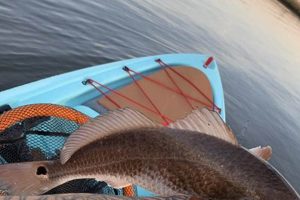
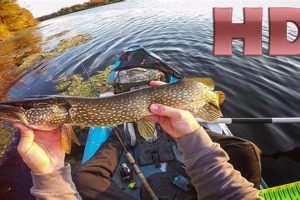
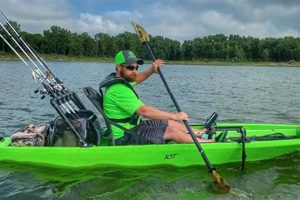
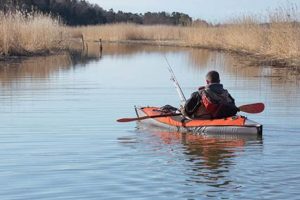
Television programs dedicated to angling from kayaks represent a niche genre within outdoor programming. These shows typically feature experts or enthusiasts demonstrating fishing techniques, exploring diverse aquatic environments, and showcasing the advantages of kayak-based angling. A typical episode might involve pursuing specific fish species in a particular location, highlighting the specialized equipment and strategies required for success.
Such programming serves multiple purposes. It offers educational value for aspiring kayak anglers, providing insights into effective methods, safety precautions, and responsible fishing practices. Furthermore, these shows promote the sport, fostering a sense of community among enthusiasts. The rise in popularity of this programming parallels the growing interest in kayak fishing itself, reflecting an increased appreciation for accessible, eco-friendly, and adventurous angling experiences. This programming often showcases the unique perspectives and challenges inherent in fishing from a kayak, including navigating varied water conditions and utilizing specialized gear.
This article will further explore the various facets of angling from kayaks, including equipment selection, popular fishing locations, species-specific strategies, and the growing influence of televised kayak fishing.
Kayak Fishing Tips
Effective kayak angling requires specialized knowledge and preparation. The following tips offer guidance for enhancing on-the-water experiences and promoting angling success.
Tip 1: Stability is Paramount: Choose a kayak designed for stability, especially in challenging conditions. Wider hulls and lower centers of gravity offer increased resistance to tipping. Consider kayak stability ratings and conduct on-water testing before committing to a purchase.
Tip 2: Prioritize Safety Equipment: Always wear a personal flotation device (PFD) and carry essential safety gear, including a whistle, signaling device, and first-aid kit. Inform someone of planned fishing locations and estimated return times.
Tip 3: Master Paddle Strokes: Efficient paddling conserves energy and facilitates precise boat control. Practice various strokes, including forward, reverse, and sweep strokes, to navigate effectively and position the kayak optimally for casting.
Tip 4: Organize Tackle Strategically: Utilize tackle boxes and storage systems designed for kayak fishing, ensuring easy access to essential gear while maintaining a clutter-free cockpit. Prioritize lures and tackle appropriate for target species and fishing locations.
Tip 5: Understand Water Conditions: Research tides, currents, and weather forecasts before venturing out. Adapt fishing strategies and locations based on prevailing conditions. Exercise caution in strong winds, swift currents, or areas with significant boat traffic.
Tip 6: Practice Catch and Release Techniques: Handle fish carefully to minimize stress and injury. Use appropriate hooks and landing nets, and revive fish gently before release. Adhere to local regulations regarding catch limits and size restrictions.
Tip 7: Respect the Environment: Minimize environmental impact by packing out all trash and avoiding disturbing sensitive habitats. Practice responsible anchoring techniques and adhere to designated fishing zones.
By implementing these strategies, anglers can enhance their safety, improve fishing success, and contribute to the preservation of aquatic ecosystems.
This information provides a foundation for successful and responsible kayak angling. Further exploration of specific techniques and locations will contribute to continued growth and enjoyment within the sport.
1. Engaging Hosts

Engaging hosts are crucial to the success of a kayak fishing television program. They serve as the primary connection between the audience and the on-screen action, translating technical aspects into accessible information and conveying the excitement of the sport. A host’s ability to connect with viewers directly influences audience engagement and program popularity. This connection hinges on several factors, including expertise, personality, communication style, and on-screen presence.
Hosts possessing a deep understanding of kayak fishing techniques, equipment, and aquatic environments provide valuable insights to viewers. This expertise establishes credibility and fosters trust, making the information presented more impactful. Furthermore, a charismatic personality and engaging communication style create a sense of camaraderie and encourage continued viewership. Consider, for example, how experienced anglers hosting popular shows often share personal anecdotes and humorous observations, enhancing audience enjoyment and fostering a sense of connection. Similarly, hosts capable of clearly articulating complex techniques and strategies contribute to the educational value of the program.
The practical significance of an engaging host extends beyond entertainment value. Effective communication of safety procedures and responsible fishing practices promotes ethical angling and contributes to the preservation of aquatic ecosystems. By modeling appropriate behavior and emphasizing conservation, hosts can positively influence audience behavior and foster a greater appreciation for the environment. Ultimately, the success of a kayak fishing television program hinges on the host’s ability to inform, entertain, and inspire viewers, cultivating a passionate and engaged audience.
2. Exciting Destinations

The selection of compelling destinations plays a pivotal role in the success of kayak fishing television programs. Visually stunning locations enhance the viewing experience and contribute significantly to audience engagement. Furthermore, diverse environments offer opportunities to showcase a variety of fish species and fishing techniques, broadening the program’s appeal and educational value. The following facets highlight key aspects of destination selection within this genre.
- Visual Appeal and Scenic Backdrops
Destinations offering breathtaking scenery, such as pristine coastlines, secluded rivers, or crystal-clear lakes, contribute significantly to a program’s aesthetic appeal. Dramatic landscapes and vibrant underwater environments capture viewers’ attention and provide a visually engaging backdrop for the fishing action. For instance, programs filmed in remote Patagonian fjords or amongst the vibrant coral reefs of the tropics offer viewers a glimpse into extraordinary ecosystems while showcasing the unique challenges and rewards of fishing in these diverse settings.
- Diversity of Fish Species
Targeting diverse fish species in various locations adds an element of excitement and unpredictability to a program. Showcasing different species, from powerful saltwater game fish to elusive freshwater species, allows viewers to experience a broader range of angling techniques and challenges. Filming in locations known for specific trophy fish, such as the Amazon River for peacock bass or the Florida Keys for tarpon, can attract a dedicated audience interested in those particular species.
- Unique Challenges and Opportunities
Destinations presenting unique fishing challenges, such as navigating strong currents, dealing with extreme weather conditions, or adapting to specialized fishing techniques, provide engaging content for viewers. For example, programs featuring kayak fishing in challenging tidal races or amidst treacherous rapids showcase the angler’s skill and adaptability, creating a sense of excitement and suspense. Overcoming such obstacles adds a narrative element to the program, enhancing viewer engagement.
- Cultural and Historical Significance
Incorporating locations with cultural or historical relevance can enrich the program’s narrative and provide educational value. Exploring ancient fishing grounds, highlighting traditional fishing practices, or showcasing the ecological importance of specific locations adds depth and context to the angling experience. For instance, a program featuring kayak fishing in a region with a rich history of indigenous fishing practices could explore the cultural significance of these traditions while highlighting the importance of conservation efforts.
The careful selection of exciting and diverse destinations is essential for creating a compelling kayak fishing television program. By showcasing visually stunning locations, diverse fish species, unique fishing challenges, and culturally significant areas, programs can captivate audiences, provide educational value, and promote the sport of kayak fishing in a dynamic and engaging manner. These factors combine to create a richer viewing experience, fostering audience interest and encouraging exploration of the natural world.
3. Effective Techniques
The demonstration and explanation of effective fishing techniques constitute a core element of successful kayak fishing television programs. Viewers tune in not only for entertainment but also to gain practical knowledge and improve their own angling skills. A program’s ability to effectively convey these techniques directly influences its educational value and appeal to the angling community. The following facets highlight key aspects of showcasing effective techniques within this genre.
- Casting Techniques from a Kayak
Casting from a seated position in a kayak presents unique challenges compared to casting from shore or a larger boat. Programs often demonstrate specialized casting methods, such as sidearm or underhand casts, designed to maximize accuracy and distance while maintaining balance and stability. For example, a program might showcase an angler using a pendulum cast to reach a distant target under overhanging branches, illustrating the practical application of this technique in a specific scenario.
- Kayak Positioning and Control
Effective kayak control is essential for presenting lures effectively and fighting fish successfully. Programs often illustrate techniques such as using paddle strokes to maintain position in current, anchoring strategies for specific fishing locations, and utilizing drift socks to control speed and direction. Illustrating how an angler positions their kayak upstream of a submerged structure to allow a lure to drift naturally through the target zone provides valuable practical insight.
- Species-Specific Tackle and Lure Selection
Selecting appropriate tackle and lures for target species significantly influences angling success. Programs often detail the rationale behind specific choices, explaining the characteristics of different lure types, hook sizes, and line weights. A program might compare the effectiveness of topwater lures versus subsurface lures for targeting specific species in varying conditions, providing viewers with a deeper understanding of lure selection strategies.
- Fish Fighting Techniques from a Kayak
Fighting a strong fish from a kayak requires specialized techniques to maintain balance and avoid line breakage. Programs often demonstrate proper rod handling, drag adjustment, and maneuvering tactics to tire and land fish effectively. Showing an angler using their paddle to steer the kayak and maintain tension on a hooked fish illustrates the dynamic interplay between boat control and angling skill.
By effectively demonstrating and explaining these techniques, kayak fishing television programs empower viewers to improve their own angling skills and enhance their on-the-water experiences. This educational component strengthens the connection between the program and the angling community, fostering a deeper appreciation for the sport and promoting responsible fishing practices. Clear explanations, combined with real-world examples, translate technical knowledge into practical skills, contributing to the overall success and value of these programs.
4. Quality Cinematography

Quality cinematography is paramount in effectively capturing the essence and excitement of kayak fishing television programs. Visually compelling footage elevates the viewing experience, transforming a simple fishing outing into an immersive journey for the audience. The fusion of technical expertise and artistic vision in capturing the beauty of the environment, the thrill of the chase, and the nuances of the sport distinguishes a well-produced program from amateur footage. The following facets explore the essential components of quality cinematography within this genre.
- Camera Angles and Perspectives
Dynamic camera angles and perspectives are crucial for conveying the unique experience of kayak fishing. Utilizing underwater cameras provides viewers with a fish-eye view of the action, capturing strikes and underwater battles in thrilling detail. Drone footage offers sweeping aerial perspectives, showcasing the angler’s interaction with the environment and highlighting the scale of the surrounding landscape. Close-up shots of tackle and techniques provide crucial details for educational purposes, while point-of-view shots from the kayak immerse the viewer in the angler’s perspective, fostering a sense of presence and shared experience.
- Lighting and Color Grading
Proper lighting and color grading significantly impact the visual appeal of a program. Natural light is often preferred, but supplemental lighting can enhance visibility and create dramatic effects. Color grading can be used to adjust the mood and tone of the footage, enhancing the natural beauty of the environment or creating a specific aesthetic. For instance, warm color tones might be used to evoke a sense of tranquility during a sunset fishing scene, while cool tones could create a sense of tension during a challenging battle with a powerful fish.
- Sound Design and Music
Sound design and music play a critical role in shaping the emotional impact of a kayak fishing program. Natural sounds, such as the splashing of water, the calls of birds, and the whirring of reels, immerse the viewer in the environment. Carefully selected music enhances the mood and complements the on-screen action, creating a sense of excitement, suspense, or tranquility. For example, the use of upbeat music during a fast-paced fishing sequence heightens the sense of thrill, while calming music during a scenic paddle creates a peaceful atmosphere.
- Post-Production Editing
Skilled editing is essential for transforming raw footage into a compelling narrative. Effective pacing, seamless transitions, and judicious use of slow-motion and close-up shots maintain viewer engagement and enhance the storytelling aspect of the program. For instance, slow-motion replays of a crucial strike or a spectacular jump can amplify the excitement and provide detailed insights into the action. Thoughtful editing weaves together various camera angles, underwater footage, and aerial perspectives to create a dynamic and immersive viewing experience.
These elements of quality cinematography, when combined effectively, transform kayak fishing television programs from simple recordings of fishing trips into captivating visual narratives. They immerse viewers in the environment, convey the thrill of the sport, and provide valuable educational insights. The skillful use of camera angles, lighting, sound design, and editing elevates the program’s aesthetic appeal, creating a richer and more engaging experience for the audience. This attention to detail not only showcases the beauty of the sport but also elevates the overall quality of outdoor programming.
5. Educational Content

Educational content plays a crucial role in enhancing the value and appeal of kayak fishing television programs. By incorporating informative segments, these programs transcend pure entertainment and provide viewers with practical knowledge, promoting responsible angling practices and fostering a deeper appreciation for the sport and the environment. This educational component strengthens the connection between the program and the angling community, attracting a wider audience and contributing to the growth and sustainability of kayak fishing.
- Fish Species Identification and Biology
Understanding the characteristics and behavior of target species is fundamental to successful angling. Educational segments within kayak fishing programs often provide insights into fish identification, habitat preferences, feeding patterns, and spawning behaviors. For example, a program might detail the distinguishing features of various bass species, explaining how their feeding habits change throughout the year. This knowledge empowers anglers to select appropriate tackle and techniques, increasing their chances of success while minimizing environmental impact.
- Knot Tying and Rigging Techniques
Proper knot tying and rigging are essential skills for any angler. Educational segments often demonstrate various knots used for attaching hooks, lures, and leaders, emphasizing the importance of proper technique for maintaining line strength and preventing break-offs. A program might showcase different knots for attaching braided line to fluorocarbon leader, explaining the advantages of each knot in specific fishing scenarios. This practical knowledge equips viewers with the skills necessary to prepare their tackle effectively, enhancing their overall fishing experience.
- Kayak Safety and Navigation
Safety is paramount in any watersport, and kayak fishing programs often emphasize safe practices and navigation techniques. Segments might cover topics such as proper paddling techniques, essential safety equipment, navigation using charts and GPS devices, and how to handle challenging weather conditions. A program could demonstrate self-rescue techniques in the event of a capsize, emphasizing the importance of wearing a personal flotation device. This focus on safety promotes responsible angling and equips viewers with the knowledge and skills to mitigate risks and enjoy their time on the water safely.
- Conservation and Environmental Stewardship
Promoting conservation and environmental stewardship is a crucial aspect of responsible angling. Educational segments often highlight the importance of catch-and-release practices, proper fish handling techniques, and minimizing environmental impact. A program might feature a segment on the importance of preserving fish habitats, explaining how anglers can contribute to conservation efforts by participating in cleanup initiatives or advocating for responsible fishing regulations. This focus on conservation fosters a deeper appreciation for the environment and encourages viewers to become stewards of aquatic ecosystems.
By incorporating these educational elements, kayak fishing television programs become valuable resources for anglers of all skill levels. This focus on education not only enhances the viewing experience but also contributes to the long-term health and sustainability of the sport. By promoting responsible angling practices and fostering a deeper understanding of the aquatic environment, these programs empower viewers to become more knowledgeable, skilled, and ethical anglers.
Frequently Asked Questions
This section addresses common inquiries regarding kayak fishing television programs, providing concise and informative responses.
Question 1: How does kayak fishing differ from fishing from other types of boats?
Kayak fishing offers a unique blend of accessibility, affordability, and stealth. Kayaks allow anglers to access shallow waters and navigate tight spaces often inaccessible to larger vessels. Their smaller size and quieter operation can also be advantageous when targeting wary fish. However, kayaks offer less stability and storage capacity compared to larger boats, requiring specialized techniques and equipment.
Question 2: What essential equipment is needed for kayak fishing?
Essential equipment includes a fishing kayak, paddle, personal flotation device (PFD), fishing rod and reel, tackle box, and appropriate fishing tackle. Additional accessories, such as an anchor, drift sock, fish finder, and rod holders, can enhance the fishing experience.
Question 3: Are there specific safety considerations for kayak fishing?
Kayak fishing presents inherent risks, and prioritizing safety is paramount. Always wear a PFD, inform someone of fishing plans and expected return time, check weather conditions before embarking, and be aware of potential hazards such as boat traffic and changing tides or currents. Learning self-rescue techniques is also highly recommended.
Question 4: How do kayak fishing television programs contribute to the sport?
These programs educate viewers on fishing techniques, equipment selection, and responsible angling practices. They also showcase the accessibility and excitement of kayak fishing, attracting new participants to the sport and fostering a sense of community among enthusiasts.
Question 5: How does one choose an appropriate kayak for fishing?
Consider factors such as stability, storage capacity, intended fishing environment (calm lakes versus open ocean), and desired features (pedal drive versus paddle). Researching different kayak models, reading reviews, and conducting on-water testing before purchase are recommended.
Question 6: Where can one find information on local kayak fishing regulations and best practices?
Consult local fish and wildlife agencies, angling organizations, and reputable kayak fishing retailers for information on licensing requirements, catch limits, permitted fishing areas, and ethical angling guidelines. Online forums and communities dedicated to kayak fishing can also provide valuable insights and local knowledge.
Understanding these fundamental aspects of kayak fishing contributes to a safer, more enjoyable, and responsible angling experience. Further research and practical application of acquired knowledge enhance angling skills and promote environmental stewardship.
This FAQ section provides a foundation for understanding kayak fishing and the role of television programs in promoting the sport. Continuing to explore available resources and engage with the angling community will further enhance knowledge and appreciation for this unique and rewarding activity.
Conclusion
This exploration of kayak fishing television programs has highlighted their multifaceted nature, encompassing entertainment, education, and promotion of the sport. Key aspects examined include the importance of engaging hosts, the selection of compelling destinations, the demonstration of effective fishing techniques, the impact of quality cinematography, and the incorporation of educational content. Each element contributes to the overall success and value of these programs, influencing viewer engagement and fostering a deeper understanding of kayak fishing.
The continued growth and evolution of kayak fishing television programming offer exciting prospects for both anglers and viewers. As technology advances and storytelling techniques evolve, these programs possess the potential to further inspire exploration of the natural world, promote responsible angling practices, and connect a global community of enthusiasts. The future of kayak fishing television promises to be dynamic and informative, enriching the angling experience for all who participate, whether on the water or from the comfort of their homes.