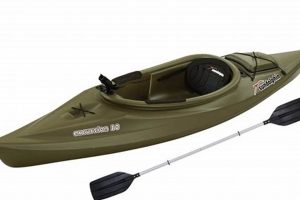
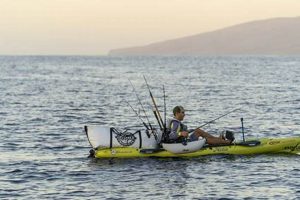
This concept refers to angling for large fish species in three distinct aquatic environments using a 120-foot kayak. These environments could include open ocean, bays, and estuaries, or rivers and lakes, offering diverse fishing opportunities. A vessel of this length offers significant advantages for such pursuits, providing ample storage for gear, stability in varied conditions, and the range to access remote fishing grounds.
The ability to transition seamlessly between different water bodies expands the range of targetable species and optimizes fishing success based on seasonal patterns and environmental factors. A large kayak also offers a platform for specialized equipment, like outriggers and advanced fish-finding electronics, further enhancing angling effectiveness. Historically, accessing such a range of fishing locations would have required multiple, specialized vessels. The development of extended-length kayaks has streamlined this pursuit, offering a versatile solution for the serious angler.
Further exploration will detail the advantages and disadvantages of this approach, specific techniques employed in each environment, recommended gear and equipment, and the importance of sustainable fishing practices.
Tips for Multi-Environment Kayak Fishing
Successfully targeting large fish across diverse aquatic environments using an extended-length kayak requires careful planning and specialized techniques. The following tips offer guidance for maximizing success and ensuring safety.
Tip 1: Rigging Versatility: Equip the kayak with rod holders and tackle storage suitable for diverse fishing methods, from trolling in open water to casting in shallow estuaries. Adjustable systems allow for rapid adaptation to changing conditions and target species.
Tip 2: Navigation and Electronics: Integrate a high-quality GPS and fish finder system. Accurate navigation is crucial when covering large distances and locating productive fishing grounds across different bodies of water. Chartplotters with detailed bathymetric data offer significant advantages.
Tip 3: Safety Equipment: Carry essential safety gear, including a VHF radio, personal locator beacon (PLB), flares, and a first-aid kit. Conditions can change rapidly, particularly in open ocean environments, requiring preparedness for emergencies.
Tip 4: Weather Monitoring: Prior to each trip, thoroughly assess weather forecasts and tidal charts. Unexpected changes in wind, current, or wave height can significantly impact kayak handling and necessitate adjustments to fishing plans.
Tip 5: Efficient Paddling Technique: Develop a strong, efficient paddling stroke to cover distances comfortably and conserve energy for fishing. Consider incorporating a rudder system for enhanced directional control, especially in challenging conditions.
Tip 6: Targeted Tackle Selection: Research the prevalent fish species in each targeted environment and select appropriate rods, reels, lines, and lures. This targeted approach maximizes the chances of success and minimizes wasted time and effort.
Tip 7: Respectful Catch and Release: Employ proper catch-and-release techniques to minimize stress on the fish and ensure the sustainability of the fishery. Use appropriate hooks, handle fish gently, and revive them fully before release.
Adhering to these guidelines promotes both fishing success and personal safety, enabling anglers to fully enjoy the unique experience of pursuing large fish across diverse aquatic environments from an extended-length kayak platform.
This information provides a foundation for embarking on successful multi-environment kayak fishing expeditions. Further sections will delve into specific techniques, equipment recommendations, and regional considerations.
1. Diverse Environments

The concept of “3 waters big fish 120 kayak” hinges on the angler’s ability to exploit diverse aquatic environments. This approach recognizes that large fish species often inhabit specific habitats depending on factors like season, water temperature, and prey availability. A 120-foot kayak, with its inherent stability and storage capacity, facilitates transitions between these environments. For instance, an angler might target marlin offshore in the ocean, then shift to inshore bays for redfish, and subsequently explore a river system for largemouth bass. This adaptability maximizes opportunities for encountering trophy-sized fish.
This multi-environment approach demands a comprehensive understanding of each distinct ecosystem. Ocean fishing necessitates knowledge of currents, tides, and offshore navigation techniques. Bay fishing requires familiarity with shallow-water navigation, structure identification, and species-specific feeding patterns. River fishing presents unique challenges related to current flow, submerged obstacles, and specialized rigging. The extended length of the kayak allows for carrying the diverse gear needed for these varied conditions, from heavy trolling setups for offshore species to lighter tackle for river fishing.
Successful exploitation of diverse environments requires not only specialized equipment but also a commitment to conservation. Understanding the delicate balance within each ecosystem and adhering to responsible fishing practices, such as selective harvesting and proper catch-and-release methods, is crucial for preserving these resources for future generations. Ultimately, the “3 waters big fish 120 kayak” philosophy represents a holistic approach to angling, embracing the challenges and rewards of diverse aquatic environments.
2. Large Fish Targets

The pursuit of large fish species is central to the “3 waters big fish 120 kayak” concept. A 120-foot kayak offers the angler a stable and spacious platform capable of handling the specialized equipment and rigorous demands associated with targeting trophy-sized specimens. This pursuit necessitates a deep understanding of fish behavior, habitat preferences, and effective angling techniques. The subsequent facets explore the key components of targeting large fish within this unique angling approach.
- Species-Specific Strategies
Targeting large fish requires tailoring strategies to each species’ unique characteristics. For example, pursuing pelagic species like tuna demands heavy tackle, high-speed trolling techniques, and knowledge of offshore currents. Conversely, targeting large bottom-dwelling species like grouper necessitates specialized rigs, strong lines, and an understanding of reef structures. Adapting techniques based on target species significantly increases the likelihood of success.
- Equipment Selection and Rigging
Effective large fish angling necessitates robust, high-quality equipment capable of withstanding powerful runs and intense fights. Heavy-duty rods, high-capacity reels, and strong braided lines are essential. Rigging techniques also play a crucial role. For instance, using circle hooks minimizes injury to released fish, promoting conservation. Properly configured outriggers on a 120-foot kayak enhance trolling efficiency, covering a wider area and increasing the chances of enticing a strike.
- Habitat and Seasonal Patterns
Understanding the target species’ habitat preferences and seasonal movement patterns is crucial. Large fish often congregate in specific areas based on factors such as water temperature, prey availability, and spawning cycles. Researching these patterns and focusing efforts on key locations during optimal times maximizes angling effectiveness. The extended range of a 120-foot kayak allows anglers to access diverse habitats and exploit these seasonal opportunities.
- Ethical Considerations and Conservation
Targeting large fish carries a responsibility to practice ethical angling and promote conservation. Proper catch-and-release techniques, including minimizing handling time and using appropriate tools for hook removal, are paramount for preserving the health of these valuable fish populations. Selective harvesting, adhering to size and bag limits, ensures the long-term sustainability of the fishery. This conservation-minded approach aligns with the “3 waters big fish 120 kayak” philosophy of responsible angling across diverse environments.
By understanding and implementing these facets, anglers can effectively target large fish species across diverse aquatic environments using a 120-foot kayak. This approach emphasizes not only the thrill of the pursuit but also the importance of responsible angling practices, contributing to the preservation of these magnificent creatures for future generations.
3. 120-foot kayak

The 120-foot kayak serves as the central platform and enabling factor within the “3 waters big fish 120 kayak” concept. Its substantial length distinguishes it from typical recreational kayaks, offering unique advantages and posing specific challenges relevant to pursuing large fish across diverse aquatic environments. The following facets explore the crucial role of the 120-foot kayak in this specialized angling approach.
- Stability and Seaworthiness
A kayak of this length exhibits significantly greater stability than shorter vessels, particularly in challenging offshore conditions. Its extended hull provides enhanced resistance to rolling and pitching, inspiring confidence when battling powerful fish in open water or navigating choppy seas. This stability is crucial for safely and effectively deploying specialized equipment like outriggers and downriggers, essential for targeting large pelagic species. The increased stability also facilitates stand-up fishing, offering improved visibility and leverage during prolonged fights.
- Storage Capacity and Gear Organization
The ample deck space of a 120-foot kayak allows for substantial gear storage, accommodating the diverse equipment required for targeting different species in varied environments. Rod holders, tackle boxes, coolers, and specialized electronics can be strategically organized for efficient access and deployment. This capacity is essential for transitioning seamlessly between offshore trolling for tuna, inshore casting for redfish, and river fishing for catfish, each requiring distinct tackle and gear configurations. The organized storage contributes significantly to successful angling across multiple waters.
- Propulsion and Range
While a 120-foot kayak might appear cumbersome, advancements in propulsion systems, such as pedal drives and electric motors, allow for efficient long-distance travel. This extended range is fundamental to the “3 waters” concept, enabling access to distant offshore fishing grounds, exploration of expansive bays, and navigation of lengthy river systems. The increased range maximizes opportunities for encountering large fish species in their preferred habitats, enhancing the likelihood of successful angling expeditions.
- Customization and Specialization
The extensive deck space of a 120-foot kayak provides a platform for customization tailored to specific fishing styles and target species. Specialized features, including rod holders, outriggers, fish finders, livewells, and even sleeping quarters for multi-day expeditions, can be integrated seamlessly. This adaptability allows anglers to equip the vessel for the unique demands of each targeted environment and species, from heavy tackle deep-sea fishing to finesse presentations in shallow estuaries. This customization is key to maximizing success across diverse fishing scenarios.
These combined facets demonstrate the integral role of the 120-foot kayak in facilitating the “3 waters big fish” concept. Its size and adaptability empower anglers to effectively pursue large fish across diverse environments, offering a unique and rewarding angling experience. However, it’s crucial to acknowledge the logistical considerations associated with transporting and launching a vessel of this size. Careful planning and specialized equipment are often required for safe and efficient handling.
4. Specialized Equipment

Specialized equipment plays a crucial role in the “3 waters big fish 120 kayak” concept, enabling anglers to effectively target large fish species across diverse environments. The 120-foot kayak provides a platform for this specialized gear, facilitating its deployment and maximizing its effectiveness. The following facets explore key equipment categories essential for success in this unique angling approach.
- Rods and Reels
Heavy-duty rods and reels designed for large game fish are essential. These robust setups can handle the stress of battling powerful species like tuna, marlin, or sturgeon. High-capacity reels with strong drags are crucial for managing long runs and tiring out large fish. Specialized rod holders on the kayak ensure secure storage and easy access during critical moments. Different rod and reel combinations cater to specific techniques, from high-speed trolling to bottom fishing in deep water.
- Fishing Line and Terminal Tackle
Strong braided fishing line is preferred for its high tensile strength and low stretch, allowing for direct contact and control when fighting large fish. Specialized terminal tackle, including heavy-duty hooks, swivels, and leaders, is crucial for constructing rigs capable of withstanding the strain of powerful strikes and prolonged battles. Fluorocarbon leaders, known for their low visibility and abrasion resistance, are often employed to entice wary fish. The choice of line and terminal tackle depends on the target species and the specific fishing environment.
- Electronics and Navigation
Advanced electronics play a vital role in locating and targeting large fish. High-resolution fish finders with GPS capabilities help pinpoint productive areas, identify underwater structures, and track fish movement. Chartplotters provide detailed navigational information, crucial for safely navigating diverse environments and marking promising fishing spots. The ample space on a 120-foot kayak allows for the installation and effective utilization of these advanced electronic systems, maximizing angling efficiency.
- Kayak-Specific Accessories
Several specialized accessories enhance the functionality of the 120-foot kayak for large fish angling. Outriggers and downriggers extend the fishing reach and control bait presentation. Livewells keep baitfish fresh and lively, crucial for attracting predatory species. Anchor systems and drift chutes aid in maintaining position in specific locations, particularly when targeting bottom-dwelling fish or fishing in strong currents. These kayak-specific accessories contribute significantly to angling success in varied environments.
The strategic selection and deployment of specialized equipment are integral to the “3 waters big fish 120 kayak” concept. This equipment expands the angler’s capabilities, enabling them to effectively target large fish species across the diverse environments accessible from a 120-foot kayak platform. By combining appropriate gear with knowledge of fish behavior and habitat, anglers can maximize their chances of success while prioritizing ethical and sustainable fishing practices.
5. Strategic Planning

Strategic planning is paramount for maximizing success and ensuring safety when employing the “3 waters big fish 120 kayak” approach. The complexity of navigating and fishing across diverse environments, coupled with the pursuit of large fish species, necessitates careful consideration of various factors. Effective planning transforms a potentially challenging expedition into a rewarding angling experience. A well-defined plan mitigates risks, optimizes time on the water, and increases the likelihood of encountering target species. For example, understanding tidal flows in an estuary is crucial for accessing shallow-water flats where large redfish might congregate. Similarly, analyzing prevailing winds and currents is essential for safe navigation in open ocean environments when targeting pelagic species like tuna.
Several key components constitute a comprehensive strategic plan. Thorough research on target species, including their habitat preferences, seasonal movements, and feeding patterns, informs location selection and technique refinement. Weather forecasting plays a crucial role in determining optimal fishing windows and ensuring safe conditions. Navigation planning, utilizing charts and GPS technology, is essential for traversing diverse environments efficiently and safely. Equipment preparation ensures appropriate tackle and safety gear are readily available and functioning correctly. Contingency planning addresses potential challenges, such as equipment failure or unexpected weather changes, providing alternative strategies and ensuring angler safety. For instance, carrying a spare paddle, a repair kit, and a communication device addresses potential equipment issues and facilitates communication in emergencies. Understanding local regulations, including licensing requirements and catch limits, ensures compliance and promotes responsible angling.
Strategic planning transforms the “3 waters big fish 120 kayak” concept from an ambitious pursuit into an achievable and rewarding endeavor. This pre-trip preparation minimizes risks, maximizes angling efficiency, and promotes responsible fishing practices. By integrating these planning elements, anglers elevate their chances of success while ensuring a safe and enjoyable experience across diverse aquatic environments. This proactive approach underscores the importance of strategic planning as a cornerstone of successful and sustainable large fish angling from a kayak platform.
6. Safety Considerations

Safety considerations are paramount within the “3 waters big fish 120 kayak” framework. Operating a large kayak across diverse environments, often targeting powerful fish species, presents inherent risks requiring careful mitigation. Overlooking safety protocols can lead to serious consequences, ranging from equipment damage and lost catches to severe injury or even fatality. A comprehensive understanding of potential hazards and proactive implementation of safety measures are essential for a successful and incident-free angling experience. For example, venturing offshore in a 120-foot kayak without proper safety equipment, such as a VHF radio, personal locator beacon (PLB), and flares, significantly increases vulnerability in the event of capsizing, equipment malfunction, or sudden changes in weather conditions. Similarly, neglecting to check weather forecasts before embarking on a multi-day fishing trip in a remote river system can expose anglers to dangerous storms, flash floods, or rapidly changing water levels.
Several key safety considerations apply specifically to the “3 waters big fish 120 kayak” context. Given the vessel’s size, self-rescue can be challenging. Regular practice of self-recovery techniques and carrying appropriate flotation devices are crucial. Navigating diverse environments necessitates a thorough understanding of navigational hazards, including submerged obstacles, strong currents, and changing tides. Carrying comprehensive charts, a reliable GPS, and a compass enhances navigational safety. Targeting large fish species requires specialized equipment and techniques to minimize the risk of injury during a fight. Using heavy-duty rods, reels, and lines designed for the target species, along with employing proper angling techniques, reduces strain on both the angler and the equipment, minimizing the risk of line breakage, hook dislodgements, or equipment failure that could lead to injury. Weather awareness is crucial, especially when operating in open water. Monitoring forecasts, understanding weather patterns, and having a contingency plan for rapid changes in conditions are essential for avoiding hazardous situations. Regular communication with shore or a designated contact person provides an additional layer of safety, enabling prompt assistance in case of emergencies. Carrying a fully stocked first-aid kit and possessing basic first-aid knowledge allows for immediate response to minor injuries.
Prioritizing safety transforms the “3 waters big fish 120 kayak” experience from potentially hazardous to controlled and enjoyable. A proactive approach to safety, encompassing thorough planning, equipment preparedness, and continuous awareness of environmental conditions, mitigates risks and ensures angler well-being. This emphasis on safety underscores its integral role within the broader framework of successful and responsible large fish angling from a kayak platform. Integrating safety considerations into every aspect of planning and execution elevates the angling experience, fostering confidence and promoting long-term enjoyment of this demanding yet rewarding pursuit.
7. Sustainable Practices
Sustainable practices are integral to the “3 waters big fish 120 kayak” concept, ensuring the longevity of fish populations and the health of the diverse aquatic environments explored. This approach recognizes the interconnectedness of ecosystems and the angler’s role in their preservation. Sustainable angling promotes responsible interactions with the environment, minimizing negative impacts and contributing to the long-term health of fisheries. Ignoring sustainable practices jeopardizes the future of these resources, potentially leading to population declines, habitat degradation, and diminished angling opportunities for future generations. For example, improper catch-and-release techniques can inflict significant stress on large fish, reducing their chances of survival and impacting breeding populations. Similarly, discarding fishing line or other debris contributes to pollution and poses entanglement risks to marine life.
- Selective Harvesting
Selective harvesting involves carefully choosing which fish to keep, focusing on species with healthy populations and adhering to size and bag limits. This practice minimizes the impact on vulnerable species and allows younger fish to contribute to breeding populations. Prioritizing catch and release for larger, breeding-sized fish further enhances conservation efforts. For instance, targeting abundant species like panfish for harvest while releasing larger, less abundant species like redfish demonstrates selective harvesting in action.
- Proper Catch and Release
Proper catch-and-release techniques minimize stress and injury to released fish, maximizing their chances of survival. Using appropriate tackle, such as circle hooks, reduces hook penetration and facilitates easier removal. Minimizing handling time, keeping fish in the water as much as possible, and supporting their weight during handling reduces stress and prevents damage to sensitive organs. Reviving exhausted fish before release ensures they are capable of swimming away and resuming normal behavior. Carrying a dehooking tool and a landing net specifically designed for catch and release further enhances the effectiveness of these practices.
- Habitat Conservation
Protecting aquatic habitats is fundamental to sustainable angling. Avoiding anchoring on sensitive seagrass beds or coral reefs prevents physical damage to these crucial ecosystems. Retrieving lost fishing line and removing any debris encountered while fishing minimizes pollution and entanglement hazards. Participating in habitat restoration projects, such as mangrove plantings or shoreline cleanups, actively contributes to environmental preservation. Supporting organizations dedicated to habitat conservation amplifies the impact of individual efforts.
- Responsible Resource Management
Sustainable angling requires awareness of and adherence to local fishing regulations. Understanding licensing requirements, size and bag limits, and seasonal closures ensures compliance and promotes responsible resource management. Reporting illegal fishing activities or environmental damage to relevant authorities contributes to enforcement efforts and protects vulnerable resources. Educating fellow anglers about sustainable practices promotes wider adoption and amplifies conservation efforts. Staying informed about local conservation initiatives and supporting organizations dedicated to fishery management reinforces responsible resource management.
Integrating these sustainable practices into the “3 waters big fish 120 kayak” framework ensures the long-term health of fisheries and the diverse environments they inhabit. This responsible approach aligns with the core values of conservation and promotes the enjoyment of these resources for future generations. By prioritizing sustainability, anglers contribute to the preservation of the very ecosystems that support their pursuit, ensuring the continued viability of this unique and rewarding angling style.
Frequently Asked Questions
This section addresses common inquiries regarding the specialized approach of pursuing large fish across diverse aquatic environments using a 120-foot kayak.
Question 1: What are the primary advantages of using a 120-foot kayak for this fishing style?
A 120-foot kayak offers enhanced stability, significant storage capacity for diverse gear, and extended range compared to smaller vessels, enabling access to a wider array of fishing locations and species. The increased stability is particularly advantageous when battling large fish or navigating challenging conditions.
Question 2: Does the length of the kayak hinder maneuverability?
While a 120-foot kayak requires more effort to turn than a shorter vessel, modern propulsion systems, such as pedal drives and electric motors, mitigate this challenge and facilitate efficient movement across various water bodies. Furthermore, the enhanced stability often outweighs the reduced turning radius, particularly in open water or challenging conditions.
Question 3: What specific safety precautions are essential for this type of fishing?
Essential safety precautions include wearing a personal flotation device, carrying communication equipment (VHF radio, PLB), having a comprehensive first-aid kit, regularly checking weather forecasts, and informing someone of the fishing plan and expected return time. Practicing self-rescue techniques is also crucial given the kayak’s size.
Question 4: How does one transport and launch a 120-foot kayak?
Transporting and launching a kayak of this length typically requires a specialized trailer and potentially a motorized assist, such as a winch or a small tractor. Careful planning and appropriate equipment are essential for safe and efficient handling.
Question 5: What are the environmental considerations associated with this approach?
Minimizing environmental impact necessitates adherence to sustainable fishing practices, including selective harvesting, proper catch and release techniques, avoiding sensitive habitats like seagrass beds and coral reefs, and retrieving any discarded fishing line or debris. Responsible resource management ensures the long-term health of the fisheries and surrounding ecosystems.
Question 6: What is the approximate cost of equipping oneself for this style of fishing?
The cost varies significantly depending on the chosen equipment, ranging from several thousand dollars for basic setups to tens of thousands for high-end gear. Factors influencing cost include the type of kayak, propulsion system, electronics, fishing tackle, safety equipment, and transportation solutions.
Understanding these key aspects contributes to a well-informed approach to “3 waters big fish 120 kayak” angling, emphasizing safety, sustainability, and responsible resource management.
The following section will explore specific techniques and equipment recommendations tailored to different target species and aquatic environments.
Conclusion
Exploration of the “3 waters big fish 120 kayak” concept reveals a specialized angling approach demanding careful consideration of equipment, technique, safety, and environmental impact. A 120-foot kayak, while presenting logistical challenges, offers distinct advantages for pursuing large fish across diverse aquatic environments. Its stability, storage capacity, and adaptability facilitate specialized equipment integration and enhance angling effectiveness. Successful implementation requires strategic planning, encompassing species research, weather analysis, and navigation preparation. Prioritizing safety through proper equipment, training, and adherence to established protocols is paramount. Finally, embracing sustainable fishing practices ensures the long-term health of the targeted species and their surrounding ecosystems.
The “3 waters big fish 120 kayak” approach represents a significant evolution in angling, offering unparalleled opportunities for pursuing trophy fish while demanding a heightened awareness of environmental responsibility. Continued exploration and refinement of techniques, coupled with a commitment to conservation, will shape the future of this unique and demanding angling pursuit.