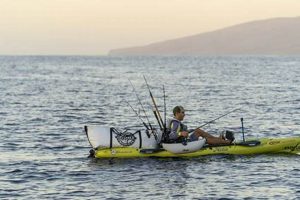
The sport of angling from small, human-powered vessels in Minnesota offers a unique blend of outdoor recreation and connection with nature. This activity allows close-to-water experiences ideal for diverse species in the state’s abundant lakes and rivers.
Minnesota’s extensive waterways, coupled with the maneuverability and affordability of these small boats, make this pursuit highly accessible and rewarding. This method also offers a stealthy approach, often leading to productive fishing. Historically, small boats have been used for fishing, but the modern iteration with specialized equipment has increased the activity’s popularity and effectiveness. The low environmental impact compared to motorized boating adds to its appeal.
Further exploration will cover topics such as suitable watercraft selection, essential gear and safety precautions, prime fishing locations within the state, and the specific fish species anglers can expect to encounter.
Tips for Kayak Angling in Minnesota
Successful angling from a kayak in Minnesota requires preparation and adherence to best practices. The following tips offer guidance for a safe and productive experience.
Tip 1: Research and Choose Appropriate Waterways: Different bodies of water present varying challenges and opportunities. Consider factors such as current strength, wind exposure, and the target species when selecting a location.
Tip 2: Prioritize Safety Equipment: A personal flotation device (PFD) is essential. A whistle, signaling devices, and a first-aid kit should also be carried. Check weather forecasts before departure and dress accordingly.
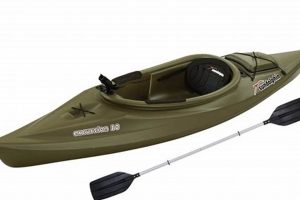
Tip 3: Select and Rig the Right Kayak: Choose a kayak designed for stability and fishing, equipped with features such as rod holders and storage compartments. Proper rigging enhances efficiency and comfort.
Tip 4: Master Basic Paddle Strokes and Maneuvers: Efficient paddling techniques are crucial for navigating currents, wind, and accessing desired fishing spots.
Tip 5: Utilize Effective Fishing Techniques: Adapt fishing methods to the target species and water conditions. Employ appropriate lures, baits, and tackle.
Tip 6: Practice Catch and Release Responsibly: Handle fish gently and minimize air exposure to ensure their survival after release. Use appropriate hooks and tools for efficient removal.
Tip 7: Respect Wildlife and the Environment: Minimize disturbance to wildlife and avoid sensitive habitats. Pack out all trash and adhere to Leave No Trace principles.
Adhering to these tips will enhance safety, increase fishing success, and contribute to the preservation of Minnesota’s natural resources.
By following these guidelines, anglers can experience the full enjoyment and rewards that kayak angling in Minnesota has to offer. The subsequent section will conclude with a discussion of responsible fishing practices and future prospects for this evolving sport.
1. Equipment Selection

Equipment selection significantly impacts the success and enjoyment of kayak fishing in Minnesota. Appropriate gear enhances safety, improves fishing effectiveness, and contributes to overall comfort on the water. The choices made regarding the kayak, paddle, fishing rods, reels, tackle, and safety equipment directly influence the angler’s ability to navigate diverse water conditions and target specific fish species. For example, a stable, sit-on-top kayak is well-suited to lakes, while a maneuverable, sit-in kayak might be preferred for river fishing. Similarly, rod and reel combinations should align with the targeted species, whether it’s walleye, bass, or northern pike. Specialized tackle, such as jigs, crankbaits, or live bait rigs, further refines the approach.
Careful consideration of equipment needs extends beyond basic fishing gear. Given the unique challenges of kayak fishing, specific accessories play vital roles. A fish finder helps locate fish and structure, while a GPS unit aids navigation, particularly in unfamiliar waters or during changing weather conditions. Dry bags protect essential items like phones and wallets, and appropriate clothing ensures comfort and protection from the elements. A well-chosen anchor and anchor trolley system facilitate staying in position while fishing. Investing in high-quality equipment tailored to the specific conditions and target species of Minnesota waters proves invaluable.
Ultimately, effective equipment selection enhances the kayak fishing experience by maximizing efficiency and safety. Understanding the interplay between equipment choices and the demands of Minnesota’s diverse aquatic environments allows anglers to make informed decisions. This preparation enables anglers to focus on the enjoyment of the sport and increases the likelihood of a successful outing. Failure to select appropriate equipment can lead to difficulties in navigating, reduced fishing success, and potential safety risks, underscoring the importance of this critical aspect of kayak fishing in Minnesota.
2. Location Scouting

Location scouting is paramount for successful kayak fishing in Minnesota. The state’s diverse waters offer a wide range of fishing opportunities, but understanding the nuances of each location is crucial. Factors such as water depth, current flow, vegetation, and the presence of structure (like fallen trees or rock formations) significantly influence fish distribution and behavior. Effective scouting identifies promising areas to target specific species, maximizing angling efficiency. For example, shallow, weedy bays might be ideal for northern pike, while deeper rocky points could hold walleye. Ignoring this crucial step often leads to unproductive fishing trips, highlighting its importance in maximizing catch rates and overall angling success.
Thorough location scouting involves more than simply identifying a body of water. Utilizing resources like bathymetric maps, satellite imagery, and local fishing reports provides valuable insights. These tools help anglers visualize underwater terrain, identify potential fish-holding areas, and understand prevailing water conditions. Furthermore, observing natural signs, such as bird activity or baitfish concentrations, can pinpoint productive fishing zones. For instance, observing diving terns can indicate the presence of schooling fish beneath the surface. Combining digital resources with on-the-water observation enables anglers to refine their approach and strategically target specific areas, maximizing the chances of a successful outing. Practical application of this knowledge often involves pre-trip planning and on-site adjustments based on real-time observations. This adaptive approach is essential for navigating the dynamic nature of Minnesota’s waterways.
In conclusion, effective location scouting forms the foundation of successful kayak fishing in Minnesota. It is a proactive process that significantly enhances fishing outcomes. By understanding the interplay between environmental factors, fish behavior, and available resources, anglers can make informed decisions about where to fish. While navigating challenges such as changing weather patterns and varying water levels requires adaptability, a thorough understanding of location scouting significantly increases the likelihood of a productive and rewarding fishing experience. This crucial step directly influences angling success and contributes to a deeper appreciation of the diverse fishing opportunities Minnesota offers. Ultimately, the ability to effectively scout locations elevates kayak fishing from a recreational pastime to a strategic pursuit.
3. Safety Procedures

Safety procedures are paramount in kayak fishing within Minnesota, directly impacting angler well-being and the overall experience. The inherent risks associated with on-water activities necessitate a proactive and comprehensive approach to safety. Understanding and implementing appropriate safety measures significantly mitigates potential hazards, ensuring an enjoyable and incident-free outing. Neglecting these procedures can lead to serious consequences, underscoring their critical role in responsible kayak fishing.
- Personal Flotation Devices (PFDs)
PFDs are essential safety equipment for kayak anglers. Wearing a properly fitted and U.S. Coast Guard-approved PFD significantly increases the chances of survival in the event of capsizing or accidental immersion. Minnesota’s cold-water conditions exacerbate the risks of hypothermia, making PFD use even more critical. Even strong swimmers can succumb to the effects of cold water shock, making consistent PFD wear a non-negotiable aspect of safe kayaking.
- Weather Awareness and Monitoring
Weather conditions in Minnesota can change rapidly, impacting water conditions and posing risks to kayakers. Checking weather forecasts before heading out and continuously monitoring conditions during the trip are essential. Sudden changes in wind speed, precipitation, or temperature can create hazardous situations. Being prepared for these changes, including having appropriate clothing and emergency gear, is crucial for angler safety. For example, unexpected high winds can create challenging paddling conditions and increase the risk of capsizing.
- Communication and Signaling Devices
Maintaining communication and having the ability to signal for help are essential for kayak fishing safety. Carrying a waterproof cell phone or VHF radio allows communication with emergency services or other boaters if needed. Visual signaling devices, such as flares or a signal mirror, can also attract attention in distress situations. Informing someone of the planned fishing location and expected return time is also a prudent safety measure.
- Navigation and Awareness of Surroundings
Navigating Minnesota’s waterways safely requires awareness of potential hazards. Understanding water depths, currents, and the presence of other boats or obstacles is crucial. Carrying a map or chart of the area and utilizing a GPS device can aid navigation and prevent getting lost or encountering unexpected hazards. Being mindful of changing water levels and avoiding areas with strong currents or submerged debris are vital aspects of safe kayaking.
Integrating these safety procedures into kayak fishing practices within Minnesota ensures a responsible and enjoyable experience. Prioritizing safety not only protects anglers from potential harm but also contributes to a positive and sustainable approach to enjoying the state’s abundant fishing opportunities. By adhering to these guidelines, anglers can focus on the enjoyment of the sport while minimizing risks and promoting a culture of safety within the kayak fishing community.
4. Fishing Techniques
Fishing techniques employed from a kayak in Minnesota differ significantly from those used in larger, motorized boats. The kayak’s smaller size and maneuverability necessitate adaptations in approach, offering unique advantages and challenges. Understanding these nuances is crucial for successful angling. The following facets explore the essential techniques relevant to kayak fishing in Minnesota, emphasizing the interplay between method and environment.
- Casting Techniques
Casting from a kayak requires precision and control due to limited space and the potential for instability. Underhand or sidearm casts are often preferred to overhead casts, minimizing the risk of tangling lines or hooking the kayak itself. Practicing these techniques on land before venturing onto the water is crucial for developing proficiency. Accurate casting allows for targeted presentations near structures like fallen trees or weed beds, maximizing fishing success in Minnesota’s diverse waters. Mastery of these techniques allows anglers to effectively present lures or bait to target species while maintaining balance and control within the confined space of a kayak.
- Drift Fishing
Drift fishing from a kayak leverages natural water movement to cover a wider area. Using a drift sock or anchor to control speed and position allows anglers to present bait or lures naturally along current seams or near underwater structures. This technique is particularly effective in rivers or on windy lakes, allowing anglers to cover more ground efficiently. Adapting drift fishing techniques to the specific conditions of Minnesota’s varied waterways increases the likelihood of encountering target species such as walleye or catfish.
- Trolling
Trolling from a kayak presents a unique approach compared to trolling from larger boats. The slower speeds and quieter movement of a kayak can be highly effective for enticing wary fish. Using a simple hand-held or rod-mounted trolling system allows for precise control of lure depth and presentation. This method is particularly effective for targeting species like lake trout or muskie in deeper waters. The kayak’s inherent stealth offers an advantage, especially in clear Minnesota lakes, allowing anglers to approach fish without disturbing them. Adapting trolling speed and lure selection to the target species and water conditions is crucial for maximizing effectiveness.
- Vertical Jigging
Vertical jigging from a kayak is a highly effective technique for targeting fish holding near structure or in deeper water. The kayak’s stability allows anglers to maintain a precise vertical presentation, maximizing lure action and enticing strikes. This method is particularly effective for species like crappie and walleye, which often congregate near underwater points or drop-offs. Using a fish finder to locate these areas and then precisely positioning the kayak directly above the structure optimizes jigging effectiveness. Utilizing appropriate jig weights and presentations based on the target species and water depth enhances success.
Mastering these fishing techniques within the context of kayak fishing in Minnesota requires adaptation and practice. The kayak’s unique characteristics influence both the challenges and opportunities presented by each method. Understanding these nuances and refining skills specific to kayak angling enhances fishing success and contributes to a more rewarding experience on Minnesota’s diverse waterways. Furthermore, adapting these techniques to the specific target species and environmental conditions encountered within the state maximizes efficiency and enjoyment. This knowledge, combined with careful equipment selection and safety awareness, forms the foundation of successful and responsible kayak fishing in Minnesota.
5. Regulations Awareness
Regulations awareness forms an integral component of responsible kayak fishing in Minnesota. Compliance with established rules and guidelines ensures the sustainability of fish populations and preserves the integrity of aquatic ecosystems. These regulations, set forth by the Minnesota Department of Natural Resources (DNR), encompass various aspects of fishing activity, including licensing requirements, catch limits, size restrictions, and permitted fishing methods. Ignoring these regulations can result in fines, legal repercussions, and detrimental impacts on the environment. For example, exceeding catch limits for walleye, a popular game fish in Minnesota, can deplete local populations and disrupt the ecological balance. Understanding and adhering to these regulations contributes to the long-term health and viability of Minnesota’s fisheries.
Practical application of regulations awareness necessitates familiarization with specific rules pertaining to different species and bodies of water. Regulations can vary based on location, season, and the specific fish targeted. Resources such as the Minnesota DNR website and published fishing regulations guides provide detailed information regarding license requirements, open seasons, and specific regulations for each species. For instance, regulations for muskellunge fishing differ significantly from those for panfish, reflecting the unique characteristics and vulnerabilities of each species. Consulting these resources before heading out on a kayak fishing trip ensures compliance and promotes responsible angling practices. Furthermore, awareness of regulations pertaining to invasive species, such as zebra mussels, helps prevent their spread and protects Minnesota’s aquatic ecosystems. Transporting kayaks and fishing gear responsibly, including cleaning and draining equipment after each use, prevents the inadvertent introduction of invasive species to new waters.
In conclusion, regulations awareness is not merely a legal obligation but a crucial aspect of ethical and sustainable kayak fishing in Minnesota. Understanding and adhering to these regulations contributes to the preservation of the state’s valuable aquatic resources for future generations. This awareness empowers anglers to make informed decisions, minimize their environmental impact, and contribute to the long-term health and viability of Minnesota’s diverse fisheries. Failure to comply with regulations not only undermines conservation efforts but also jeopardizes the future of the sport itself. By prioritizing regulations awareness, kayak anglers actively participate in the stewardship of Minnesota’s aquatic ecosystems, ensuring their continued enjoyment and ecological integrity.
Frequently Asked Questions about Kayak Fishing in Minnesota
This section addresses common inquiries regarding kayak fishing within Minnesota, providing concise and informative responses. Clarification on these points aims to enhance understanding and promote safe and responsible angling practices.
Question 1: What type of kayak is best suited for fishing in Minnesota?
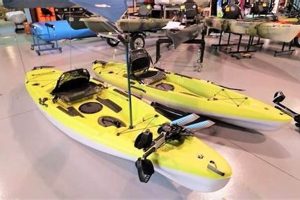
Kayak selection depends on the intended fishing location and personal preferences. Sit-on-top kayaks offer stability and ease of entry/exit, advantageous for beginners and warm-water fishing. Sit-in kayaks provide better protection from colder water and wind, suitable for experienced anglers and challenging conditions. Pedal-driven kayaks allow hands-free fishing and efficient navigation over longer distances, while inflatable kayaks offer portability and storage convenience.
Question 2: Is a special fishing license required for kayak fishing?
A valid Minnesota fishing license is required for angling from a kayak, subject to the same regulations as other fishing methods. License types and costs vary based on residency status and duration. Consult the Minnesota DNR website for detailed licensing information.
Question 3: What essential safety gear should be carried while kayak fishing?
Essential safety equipment includes a properly fitted personal flotation device (PFD), a whistle, visual signaling devices (e.g., flares, mirror), a first-aid kit, and a communication device (e.g., waterproof cell phone, VHF radio). Navigation tools such as a map, compass, or GPS are also recommended.
Question 4: Where are some productive kayak fishing locations in Minnesota?
Minnesota offers numerous kayak fishing destinations. Popular choices include the Boundary Waters Canoe Area Wilderness, Lake of the Woods, Mille Lacs Lake, and the Mississippi River. Researching specific locations and accessing local fishing reports provides valuable insights regarding access points, species presence, and prevailing conditions.
Question 5: What fishing techniques are effective from a kayak in Minnesota?
Effective techniques include casting, trolling, drift fishing, and vertical jigging. Adapting techniques to the target species and prevailing conditions enhances success. Understanding kayak-specific adaptations, such as modified casting techniques and specialized rigging, further maximizes fishing effectiveness.
Question 6: Are there any specific regulations regarding kayak fishing in certain areas?
Specific regulations, such as motor restrictions or access limitations, may apply to certain areas within Minnesota. Consulting the Minnesota DNR website and local resources provides detailed information regarding area-specific rules and regulations.
Understanding these frequently addressed aspects contributes to a safe, responsible, and productive kayak fishing experience within Minnesota. Thorough preparation, adherence to regulations, and prioritization of safety enhance enjoyment and preserve the state’s valuable aquatic resources.
The next section will delve further into advanced techniques for kayak fishing in Minnesota.
Kayak Fishing MN
This exploration of kayak fishing in Minnesota has highlighted key aspects, from equipment selection and location scouting to safety procedures, effective fishing techniques, and the critical importance of regulations awareness. The unique advantages offered by this angling method, such as enhanced maneuverability and stealth, allow access to diverse fishing opportunities within the state’s abundant waterways. Furthermore, the discussion emphasized the importance of responsible angling practices, including catch-and-release principles and respect for the environment, to ensure the sustainability of Minnesota’s aquatic ecosystems.
Kayak fishing in Minnesota presents a rewarding pursuit, offering a close connection with nature and the thrill of angling in diverse environments. Continued exploration of this evolving sport, coupled with a steadfast commitment to safety and conservation, promises an enriching experience for anglers while preserving the ecological integrity of Minnesota’s waters for generations to come. Careful consideration of the information presented here equips anglers with the knowledge and skills to embark on safe, successful, and sustainable kayak fishing adventures within the state.