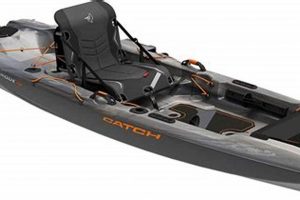
Pursuing powerful game fish from a small, human-powered vessel offers a unique blend of challenge and reward. Anglers seek these hard-fighting pelagic predators in nearshore ocean waters, often targeting areas with structure or baitfish concentrations. This specialized form of angling requires specialized tackle and techniques to successfully hook, battle, and land these prized sport fish from a kayak. For instance, anglers often employ heavy tackle and live bait to entice a strike.
This activity provides an intimate connection with the marine environment and a heightened sense of accomplishment. The self-reliance and physical exertion required add to the allure, fostering a deep respect for the quarry and the ocean. Historically, smaller vessels have been used for fishing for centuries, but the modern evolution of specialized fishing kayaks has opened up exciting new possibilities for targeting larger, more powerful species like yellowtail. This evolution has also spurred advancements in fishing gear and techniques specifically tailored for this demanding pursuit.
The following sections will delve deeper into essential aspects of this exciting angling method, covering topics such as recommended equipment, effective techniques, safety considerations, and the importance of conservation.
Tips for Successful Offshore Kayak Angling
Preparation and strategic planning are crucial for a productive and safe experience when targeting powerful pelagic fish from a kayak.
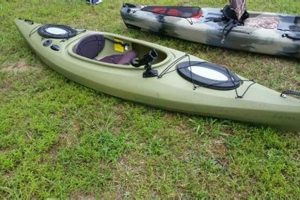
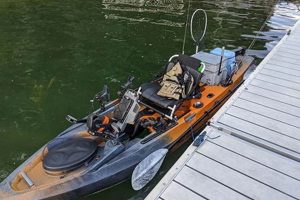
Tip 1: Choose the Right Kayak: A stable, ocean-worthy kayak designed for fishing is essential. Consider models with ample storage for gear and features like rod holders and anchor trolleys.
Tip 2: Utilize Quality Tackle: Heavy-duty rods, reels, and lines are necessary to handle strong runs and acrobatic fights. Appropriate terminal tackle, including strong hooks and leaders, is critical.
Tip 3: Understand Fish Behavior: Knowledge of local currents, tides, and preferred baitfish species is vital for locating target species. Researching seasonal patterns can significantly enhance success.
Tip 4: Employ Effective Techniques: Proper bait presentation and hook-setting techniques are crucial for maximizing hookups. Mastering techniques like slow-trolling or drifting live bait can prove highly effective.
Tip 5: Prioritize Safety: Wearing a personal flotation device (PFD) is non-negotiable. Carrying essential safety equipment, such as a VHF radio, flares, and a first-aid kit, is paramount.
Tip 6: Practice Proper Fish Handling: Utilizing appropriate techniques for landing and releasing fish minimizes stress on the animal and promotes conservation. Using a lip grip and dehooking tools efficiently ensures a quick release.
Tip 7: Check Weather Conditions: Monitoring marine forecasts before embarking on any fishing trip is essential. Avoid venturing out in adverse conditions or strong winds.
Tip 8: Respect Local Regulations: Familiarize oneself with local fishing regulations, including size limits, bag limits, and permitted fishing areas. Adhering to these regulations ensures sustainable fisheries for future generations.
By adhering to these guidelines, anglers can significantly improve their chances of success while prioritizing safety and responsible fishing practices.
The following section concludes this exploration by emphasizing the importance of ethical angling and conservation efforts.
1. Kayak Selection

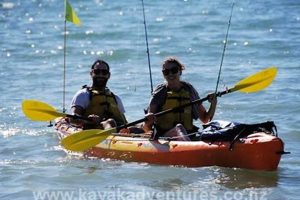
Kayak selection plays a pivotal role in successful yellowtail fishing expeditions. The chosen vessel must balance stability, maneuverability, and storage capacity. Stability is paramount when battling strong fish in open water. A kayak prone to tipping compromises angler safety and reduces the chances of landing a fish. Maneuverability allows anglers to position themselves effectively for hookups and fights. Adequate storage accommodates essential gear, including tackle, safety equipment, and fish handling tools. A longer, wider kayak, like a sit-on-top fishing kayak with a high weight capacity, offers greater stability and storage, crucial for challenging offshore conditions. Conversely, a shorter, narrower kayak, while more agile, may prove unstable in rough seas or when fighting a large yellowtail.
Consider, for instance, an angler battling a powerful yellowtail in a short, unstable kayak. The angler struggles to maintain balance and control, increasing the risk of capsizing or losing the fish. Alternatively, an angler in a stable, well-equipped kayak can confidently manage the fight, increasing the likelihood of a successful landing and a safer experience. Specific features, such as rod holders, anchor trolleys, and live wells, further enhance the angler’s ability to target and land yellowtail efficiently. A well-designed fishing kayak provides a platform that allows anglers to focus on the techniques and tactics required for success rather than struggling to maintain balance or manage gear.
Appropriate kayak selection significantly impacts safety, efficiency, and the overall success of yellowtail fishing trips. Choosing a kayak suited to the specific demands of offshore angling optimizes the experience and increases the chances of landing these prized game fish. A thoughtful approach to kayak selection, considering factors like stability, maneuverability, and storage, ensures a more productive and enjoyable fishing experience.
2. Specialized Tackle

Effective yellowtail kayak fishing necessitates specialized tackle capable of withstanding the powerful runs and acrobatic fights characteristic of these pelagic predators. Selecting appropriate gear directly influences an angler’s success and safety on the water. From rods and reels to lines and terminal tackle, each component plays a critical role in effectively targeting and landing yellowtail.
- Rods and Reels
Heavy-duty saltwater rods, typically in the 7-8 foot range, provide the necessary strength and leverage for battling powerful yellowtail. Reels should be robust, corrosion-resistant, and spooled with ample high-strength braided line. High-quality lever drag reels offer smooth drag performance and reliable stopping power, crucial for controlling strong runs and preventing line breakage. For example, a high-quality spinning reel paired with a durable rod provides the necessary backbone to withstand the strain of a hooked yellowtail.
- Line and Leader
Braided fishing line, with its high tensile strength and low stretch, transmits strikes effectively and provides enhanced sensitivity. Heavy monofilament or fluorocarbon leader material offers abrasion resistance and increased stealth in clear water. Choosing the appropriate line and leader strength is crucial for preventing break-offs during the fight. A 50-pound braided line with a 40-pound fluorocarbon leader, for example, offers a balance of strength and invisibility suitable for targeting yellowtail.
- Hooks and Terminal Tackle
Strong, sharp hooks in appropriate sizes are essential for securing solid hooksets and preventing fish from throwing the hook during acrobatic jumps. Using high-quality swivels and crimps ensures the integrity of the terminal connections. Circle hooks, known for their effectiveness in hooking fish in the corner of the mouth, are often preferred for catch-and-release fishing, promoting fish survival. Strong, sharp hooks, such as 8/0 circle hooks, increase the likelihood of a successful hookup and reduce the risk of losing the fish.
- Accessories
Essential accessories include a sturdy landing net, lip grip, and dehooking tools. These tools facilitate safe and efficient fish handling, minimizing stress on the captured fish and promoting conservation. A reliable fish finder or GPS unit assists in locating productive fishing grounds and navigating safely. These tools, when used correctly, contribute to a more ethical and responsible fishing experience. For example, a lip grip allows for secure control of the fish while removing the hook, reducing handling time and minimizing stress on the yellowtail.
The careful selection and proper utilization of specialized tackle contribute significantly to success in yellowtail kayak fishing. A well-balanced combination of robust equipment not only increases the chances of landing these prized fish but also enhances the overall angling experience. By investing in quality tackle and understanding its appropriate application, anglers can confidently pursue yellowtail and enjoy the thrill of this challenging pursuit.
3. Ocean Conditions
Ocean conditions play a critical role in yellowtail kayak fishing, directly influencing both the location and behavior of these pelagic predators. Understanding and interpreting these conditions, including water temperature, currents, tides, and water clarity, is essential for increasing the likelihood of a successful fishing trip. Favorable conditions can concentrate yellowtail in predictable areas, while adverse conditions can make them dispersed and difficult to locate.
Water temperature significantly impacts yellowtail distribution. These fish prefer specific temperature ranges, typically between 68 and 75 degrees Fahrenheit. Changes in water temperature can trigger migrations or cause yellowtail to seek out areas with more favorable conditions. Currents and tides also play a crucial role. Yellowtail often congregate near areas of upwelling or where currents converge, as these locations concentrate baitfish, a primary food source. For example, strong currents pushing against a reef or point can create an upwelling that attracts baitfish and, subsequently, yellowtail. Similarly, tidal changes can influence feeding patterns, creating optimal fishing windows during specific stages of the tide. Water clarity also affects fishing success. In clear water, yellowtail are more wary and require stealthier approaches, while in murky water, they may be more aggressive and less discerning. These conditions necessitate adjustments in fishing techniques and tackle choices to maximize success.
Successfully targeting yellowtail from a kayak requires careful observation and interpretation of ocean conditions. Anglers must consider the interplay of temperature, currents, tides, and water clarity to effectively locate and target these fish. Utilizing resources such as marine forecasts, tide charts, and local knowledge enhances the ability to predict favorable conditions. By understanding the influence of ocean conditions on yellowtail behavior, kayak anglers can significantly increase their chances of a successful and rewarding fishing experience. This knowledge, combined with appropriate fishing techniques and safety precautions, contributes to a more fulfilling and responsible approach to yellowtail kayak fishing.
4. Safety Precautions
Safety precautions are paramount in yellowtail kayak fishing due to the inherent risks associated with pursuing large, powerful fish in the open ocean environment. The combination of challenging conditions, specialized equipment, and the physical demands of battling strong fish necessitates a comprehensive approach to safety planning and execution. Neglecting safety protocols can lead to serious consequences, ranging from equipment failure and capsizing to encounters with hazardous marine life or changing weather patterns.
Several key safety considerations are specific to yellowtail kayak fishing. A properly fitted and consistently worn personal flotation device (PFD) is non-negotiable. This essential piece of equipment provides buoyancy and can prevent drowning in the event of a capsize or unexpected fall overboard. Carrying a VHF radio allows for communication with other vessels and shore-based resources in case of emergencies. A fully charged mobile phone in a waterproof case provides a backup communication option. A first-aid kit equipped to handle common fishing-related injuries, such as hook punctures and cuts, is also crucial. In addition to these essentials, carrying signaling devices, such as flares or a mirror, can assist in attracting attention in distress situations. For example, a kayak angler hooked to a large yellowtail experiences equipment failure, resulting in a capsize. Without a PFD, the angler faces an increased risk of drowning, particularly if the fish continues to pull the kayak away from the angler. With a PFD, the angler remains afloat and can focus on regaining control of the situation or signaling for assistance.
A comprehensive understanding of and adherence to safety precautions significantly mitigates the risks inherent in yellowtail kayak fishing. Careful planning, appropriate equipment selection, and continuous vigilance contribute to a safer and more enjoyable experience. Prioritizing safety not only protects anglers from potential harm but also allows for a more focused and confident approach to pursuing these prized game fish. By acknowledging the potential hazards and implementing appropriate safety measures, anglers can fully appreciate the thrill of yellowtail kayak fishing while minimizing the risks associated with this demanding pursuit.
5. Fish Handling

Proper fish handling techniques are essential in yellowtail kayak fishing to ensure both the well-being of the captured fish and the sustainability of the fishery. Yellowtail are powerful fighters, and improper handling can cause undue stress, injury, or even mortality. Moreover, ethical considerations emphasize minimizing the impact on the fish and promoting healthy populations for future generations of anglers. The confined space and dynamic nature of a kayak environment necessitate specialized handling practices different from those employed on larger vessels.
Specific fish handling practices appropriate for yellowtail kayak fishing include using a lip grip to securely control the fish while minimizing contact with its body and gills. Wet hands or gloves further reduce damage to the fish’s protective slime layer. Prompt and efficient hook removal, utilizing specialized dehooking tools when necessary, minimizes handling time and stress. Supporting the fish horizontally in the water while removing the hook helps maintain its equilibrium and reduces the risk of injury. For larger yellowtail, reviving the fish alongside the kayak before release may be necessary. This involves gently moving the fish back and forth in the water, allowing oxygenated water to flow over its gills. Consider a scenario where an angler lands a large yellowtail but struggles to control it in the kayak. Improper handling, such as squeezing the fish tightly or allowing it to thrash on the deck, can cause internal injuries or damage to its gills, potentially leading to delayed mortality even after release. Conversely, skilled handling, using a lip grip and supporting the fish’s weight, minimizes stress and increases its chances of survival.
Careful fish handling in yellowtail kayak fishing demonstrates respect for the targeted species and contributes to the long-term health of the fishery. Employing proper techniques not only minimizes stress and injury to individual fish but also promotes sustainable populations for future angling opportunities. By prioritizing ethical handling practices, anglers can enjoy the thrill of the catch while actively participating in conservation efforts. This commitment to responsible angling ensures the continued viability of yellowtail populations and preserves the integrity of this challenging and rewarding pursuit.
6. Ethical Practices

Ethical practices are integral to responsible yellowtail kayak fishing, ensuring the sustainability of the fishery and minimizing environmental impact. These practices extend beyond simply adhering to regulations and encompass a broader consideration for the well-being of the targeted species and the preservation of the marine ecosystem. Ethical angling embodies a respect for the environment and a commitment to responsible resource management, ensuring the enjoyment of this activity for future generations.
- Catch and Release
Prioritizing catch and release, whenever possible, contributes significantly to maintaining healthy yellowtail populations. This practice involves handling fish with care, minimizing air exposure, and using appropriate dehooking tools to expedite release. Employing proper techniques, such as supporting the fish horizontally in the water while removing the hook, further reduces stress and promotes survival. For example, an angler who catches a yellowtail below the legal size limit or already has a sufficient catch would practice catch and release to conserve the population and avoid exceeding bag limits.
- Selective Harvesting
Selective harvesting involves targeting specific sizes or quantities of fish within legal limits, avoiding the unnecessary removal of larger, breeding-aged individuals. This practice contributes to the overall health and reproductive capacity of the yellowtail population. Adhering to size and bag limits, as prescribed by local regulations, ensures responsible harvesting and prevents overfishing. For example, an angler practicing selective harvesting might release a large, breeding-sized yellowtail even if it falls within the legal size range, opting instead to keep a smaller, legally caught fish.
- Respect for Habitat
Respect for habitat encompasses minimizing disturbance to the marine environment. Avoiding anchoring in sensitive areas, such as coral reefs or seagrass beds, prevents damage to these fragile ecosystems. Retrieving lost tackle, rather than leaving it to entangle marine life, demonstrates responsible stewardship. Proper disposal of fishing line and other debris prevents pollution and protects the health of the marine environment. For instance, an angler practicing habitat respect might choose to drift fish rather than anchor near a kelp forest, minimizing potential damage to this important habitat.
- Leave No Trace
The principle of “leave no trace” extends to all aspects of yellowtail kayak fishing. Packing out all trash and discarded fishing line, minimizing disturbance to wildlife, and respecting other anglers and their space contribute to a pristine and enjoyable environment for everyone. This principle embodies a commitment to minimizing human impact on the natural world. For example, an angler practicing “leave no trace” would collect any discarded fishing line found on the water or shoreline, regardless of its origin, contributing to a cleaner and healthier marine environment.
Ethical considerations in yellowtail kayak fishing demonstrate a commitment to responsible angling and resource conservation. By embracing these practices, anglers contribute to the long-term health and sustainability of yellowtail populations and the marine environment. These actions ensure the continued enjoyment of this challenging and rewarding pursuit for future generations. Ethical angling reflects a deep respect for the natural world and a commitment to preserving its integrity for the benefit of all.
Frequently Asked Questions
This section addresses common inquiries regarding yellowtail kayak fishing, providing concise and informative responses to enhance understanding and promote safe and responsible angling practices.
Question 1: What type of kayak is best suited for targeting yellowtail?
A stable, ocean-worthy kayak designed specifically for fishing is recommended. Longer sit-on-top models, typically over 12 feet, offer increased stability and storage capacity necessary for offshore conditions and battling large fish. Key features to consider include rod holders, anchor trolleys, and ample storage for tackle and safety equipment.
Question 2: What essential safety equipment should one carry when kayak fishing for yellowtail?
Essential safety gear includes a properly fitted personal flotation device (PFD), a VHF radio, a signaling device (such as flares or a mirror), a first-aid kit, and a fully charged mobile phone in a waterproof case. A reliable fish finder or GPS unit is also highly recommended for navigation and locating fishing grounds.
Question 3: What fishing techniques are most effective for yellowtail from a kayak?
Effective techniques include slow-trolling or drifting live bait, such as mackerel or sardines. Casting surface lures or jigs near structure or baitfish concentrations can also prove successful. Matching the fishing technique to prevailing conditions and yellowtail behavior is crucial for maximizing success.
Question 4: How should one handle a hooked yellowtail in a kayak to minimize stress on the fish?
Utilizing a lip grip and dehooking tools efficiently reduces handling time. Supporting the fish horizontally in the water while removing the hook minimizes stress and potential injury. Reviving larger fish alongside the kayak before release may be necessary, particularly if they exhibit signs of exhaustion.
Question 5: What are the legal considerations and regulations one should be aware of when kayak fishing for yellowtail?
Anglers must familiarize themselves with local fishing regulations, including size limits, bag limits, and permitted fishing areas. Obtaining the necessary fishing licenses and adhering to catch-and-release guidelines, where applicable, are crucial for responsible angling.
Question 6: Where can one find additional resources and information regarding yellowtail kayak fishing?
Local tackle shops, fishing charters, and online forums dedicated to kayak fishing can provide valuable insights, local knowledge, and up-to-date information on regulations and fishing conditions. Consulting experienced kayak anglers can also offer valuable guidance and enhance fishing success.
Careful consideration of these frequently asked questions enhances preparedness, promotes safety, and fosters responsible angling practices, contributing to a positive and sustainable yellowtail kayak fishing experience.
This concludes the informational guide on yellowtail kayak fishing. Applying the knowledge presented herein enables anglers to pursue this challenging and rewarding activity with confidence and respect for the marine environment.
Yellowtail Kayak Fishing
This exploration of yellowtail kayak fishing has highlighted the multifaceted nature of this demanding pursuit. From specialized equipment and refined techniques to the critical importance of safety and ethical considerations, success in this specialized angling discipline requires diligent preparation and a deep respect for the marine environment. Understanding ocean conditions, fish behavior, and proper handling techniques contributes significantly to positive outcomes while minimizing environmental impact. The selection of an appropriate kayak and specialized tackle directly influences both angler safety and the effectiveness of fishing strategies.
Yellowtail kayak fishing presents a unique opportunity to connect with the ocean’s power and bounty. The pursuit of these prized game fish from a small, human-powered vessel offers a profound sense of accomplishment and a heightened appreciation for the marine ecosystem. However, this pursuit necessitates a commitment to responsible angling practices, ensuring the sustainability of yellowtail populations and the preservation of their habitat for future generations. Continued learning, adaptation to evolving conditions, and a steadfast adherence to ethical principles will define the future of this challenging and rewarding pursuit.