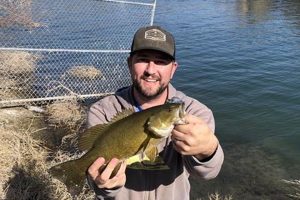
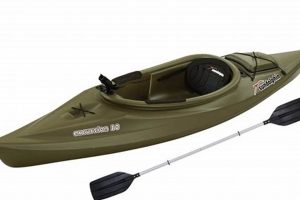
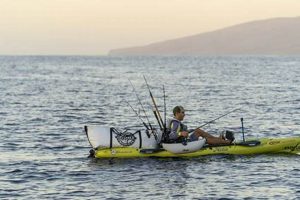
This activity involves the use of small, human-powered boats to pursue finfish or shellfish in the waters surrounding Yankeetown, Florida. It combines the quiet, low-impact nature of paddling with the challenge and reward of angling. The shallow-draft vessels allow access to otherwise unreachable areas, providing a unique perspective on the local ecosystem.
The tranquil waters and diverse fish populations surrounding this coastal town make it an ideal location for this pursuit. Anglers can target species such as redfish, trout, snook, and tarpon, experiencing the natural beauty of Florida’s Nature Coast up close. This activity provides significant economic benefits to the region, supporting local businesses and promoting ecotourism. Furthermore, it offers a sustainable and accessible way to connect with nature and contribute to conservation efforts.
This discussion will delve into key aspects, including recommended launch sites, popular fishing spots, appropriate gear and tackle, seasonal fishing patterns, local regulations, and safety guidelines for a successful and enjoyable experience.
Tips for Kayak Fishing in Yankeetown
Careful planning and preparation contribute significantly to a successful and enjoyable fishing excursion. The following tips offer valuable insights for maximizing one’s experience in these waters.
Tip 1: Check Weather Conditions: Prior to departure, consulting marine forecasts is crucial. Wind speed and direction significantly impact paddling conditions and angler safety. Postponing trips during inclement weather is advisable.
Tip 2: Plan a Float Plan: Informing someone about the intended fishing location, launch time, and estimated return enhances safety. This allows for appropriate responses in case of unforeseen delays.
Tip 3: Utilize Appropriate Gear: Selecting suitable rods, reels, and tackle enhances fishing effectiveness. Light to medium tackle is generally recommended for the species commonly found in these waters.
Tip 4: Employ Stealth Techniques: Minimizing noise and movement improves chances of success. Approaching fishing spots quietly and avoiding sudden movements helps prevent spooking fish.
Tip 5: Respect Local Regulations: Adhering to fishing regulations, including licensing requirements and size/catch limits, ensures the sustainability of the fishery and avoids legal complications. Consulting the Florida Fish and Wildlife Conservation Commission (FWC) website provides up-to-date information.
Tip 6: Prioritize Safety Equipment: Carrying essential safety gear, such as a personal flotation device (PFD), a whistle, and a first-aid kit, is paramount. These items prove crucial in emergencies.
Tip 7: Practice Responsible Angling: Practicing catch-and-release whenever possible helps preserve fish populations. Handling fish with care and minimizing their time out of the water increases their chances of survival.
By adhering to these guidelines, anglers can enhance their chances of a productive and safe experience while contributing to the long-term health of the local ecosystem.
These practical tips, combined with respect for the environment and local regulations, ensure a rewarding and sustainable experience for all who partake in this popular activity.
1. Location Selection

Optimal location selection is paramount for successful kayak fishing in Yankeetown. The diverse estuarine environment offers a range of habitats, each supporting distinct fish populations and requiring specific angling techniques. Choosing the right location directly influences the species encountered and the effectiveness of fishing strategies. Factors like water depth, salinity, vegetation, and structure (such as oyster bars or mangrove islands) play crucial roles in determining fish distribution. For example, shallow grass flats are ideal for targeting redfish and speckled trout, while deeper channels and creek mouths often hold snook and black drum.
Careful consideration of tidal flow is essential when selecting a location. Incoming tides bring baitfish and predatory species into shallow areas, creating prime feeding opportunities. Conversely, outgoing tides concentrate fish in channels and deeper holes as they retreat with the receding water. Understanding these patterns allows anglers to position themselves strategically for increased success. Utilizing online resources, local fishing reports, and nautical charts aids in identifying productive fishing grounds and navigating the complex network of waterways. Access points, such as public boat ramps and kayak launches, should also be considered when planning a trip. For instance, the Withlacoochee River offers diverse habitats within a short paddling distance of several accessible launch points.
Strategic location selection enhances fishing success and contributes to a more rewarding experience. Matching target species with appropriate habitats and understanding tidal influences maximizes angling opportunities. Careful planning and research ensure anglers can effectively explore the rich fishing grounds of Yankeetown while minimizing environmental impact and maximizing their chances of a successful catch.
2. Tidal Influence

Tidal influence exerts a significant impact on kayak fishing success in Yankeetown. The rise and fall of tides dictate water movement, impacting fish behavior and feeding patterns. Understanding tidal currents is crucial for effective angling. Incoming tides flood shallow flats and creeks, carrying baitfish and attracting predatory species like redfish and snook. Outgoing tides concentrate fish in deeper channels and holes, offering opportunities to target species such as sheepshead and black drum. For example, fishing near oyster bars during an incoming tide can be highly productive, as the rising water brings baitfish to these structures, attracting redfish seeking an easy meal. Conversely, targeting deeper cuts and channels during an outgoing tide can be effective for catching trout as they retreat with the receding water.
The strength and direction of tidal currents also influence kayak positioning and fishing techniques. Strong currents require adjustments in anchoring strategies or drift fishing techniques. Anglers must consider the direction of the current to present bait or lures effectively. For example, drifting with the current and casting lures ahead allows for natural presentations and increased chances of enticing a strike. Furthermore, tides affect water clarity. Incoming tides can bring clearer Gulf water, while outgoing tides may carry sediment and tannins from inland rivers, reducing visibility. This variability requires anglers to adapt their lure selection and retrieval techniques to match the prevailing conditions. Accurate tide charts and local knowledge of specific areas provide valuable insights for planning a successful fishing trip.
In summary, understanding tidal influences is paramount for effective kayak fishing in Yankeetown. Anglers who consider tidal currents, water clarity, and their effects on fish behavior gain a significant advantage. This knowledge, combined with appropriate location selection and fishing techniques, enhances the likelihood of a productive and rewarding fishing experience.
3. Equipment Choices

Appropriate equipment selection significantly impacts the success and enjoyment of kayak fishing in Yankeetown. The unique characteristics of this environment, including shallow waters, diverse fish species, and varying weather conditions, necessitate careful consideration of gear choices. From the kayak itself to rods, reels, and tackle, each element plays a crucial role in optimizing fishing effectiveness and ensuring a safe and comfortable experience.
- Kayak Selection
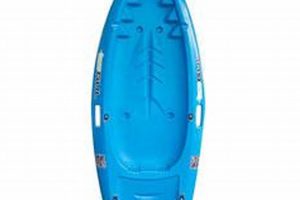
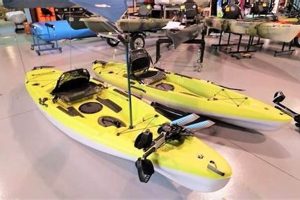
Kayak choice depends on individual preferences and fishing styles. Sit-on-top kayaks offer stability and ease of entry/exit, making them suitable for shallow water fishing. Sit-inside kayaks provide better protection from the elements and enhanced paddling efficiency for covering longer distances. Selecting a kayak with ample storage space accommodates essential gear and potential catches. For example, a wider, more stable sit-on-top kayak is ideal for sight fishing in shallow grass flats, while a longer, faster sit-inside kayak might be preferred for exploring the Withlacoochee River.
- Paddle Selection
Paddle choice influences paddling efficiency and maneuverability. Lightweight paddles with adjustable lengths and appropriate blade shapes reduce fatigue and improve performance. A shorter, wider blade provides more power for maneuvering in tight spaces, while a longer, narrower blade is better suited for covering distance. For example, a lightweight paddle with a shorter blade is ideal for navigating mangrove creeks, while a longer blade is more efficient for paddling across open water.
- Rods and Reels
Rod and reel selection depends on the target species and fishing techniques. Light to medium-action spinning or baitcasting combos are versatile choices for the inshore species commonly found in Yankeetown. Matching the rod power and line weight to the target species ensures effective hooksets and fish fighting capability. For instance, a 7-foot medium-light spinning rod paired with a 2500 size reel spooled with 10-pound braid is a suitable setup for targeting redfish, trout, and snook.
- Tackle and Accessories
Tackle selection plays a crucial role in attracting and catching fish. Artificial lures, such as soft plastics, topwater plugs, and jigs, effectively mimic the baitfish found in the area. Live bait, including shrimp, pinfish, and mud minnows, can also be highly effective. Essential accessories include pliers, line cutters, a landing net, and a tackle box to organize and store gear. For example, using a popping cork rig with a live shrimp is a productive method for targeting redfish in shallow grass flats.
Careful consideration of these equipment choices enhances angling success and overall enjoyment on the waters of Yankeetown. Selecting appropriate gear tailored to the specific environment and target species allows anglers to effectively explore the diverse fishing opportunities this area offers. Furthermore, prioritizing safety equipment, such as a personal flotation device (PFD), a whistle, and a first-aid kit, is essential for a secure and responsible fishing experience.
4. Safety Precautions
Safeguarding against potential hazards is paramount in yankeetown kayak fishing. The dynamic nature of the coastal environment presents inherent risks that require careful consideration and proactive measures. Prioritizing safety ensures not only a positive angling experience but also contributes to the overall well-being of all participants. Understanding and mitigating these risks is essential for responsible and enjoyable fishing excursions.
- Personal Flotation Devices (PFDs)
Wearing a properly fitted PFD is non-negotiable. This essential piece of equipment provides buoyancy in the event of capsizing or accidental immersion, significantly increasing chances of survival. PFDs should be Coast Guard approved and worn at all times while on the water, regardless of swimming ability. Even experienced swimmers can become incapacitated due to cold water shock or unexpected incidents.
- Weather Monitoring
Checking marine weather forecasts before embarking on a kayak fishing trip is crucial. Sudden changes in weather conditions, including strong winds, thunderstorms, and fog, can create hazardous situations. Postponing trips during adverse weather minimizes risks. Monitoring real-time weather updates while on the water allows for timely adjustments to plans if conditions deteriorate.
- Navigation and Communication
Carrying a reliable means of navigation, such as a GPS device or nautical chart, is essential, especially when fishing in unfamiliar areas. A fully charged mobile phone in a waterproof case provides a communication link in case of emergencies. Informing someone onshore of the planned fishing location and estimated return time enhances safety. Awareness of local regulations and boating channels helps avoid restricted areas and potential collisions.
- Sun and Heat Protection
The Florida sun poses significant risks of sunburn, heat exhaustion, and dehydration. Applying sunscreen with a high SPF, wearing protective clothing, and staying hydrated are crucial for mitigating these risks. A wide-brimmed hat and polarized sunglasses provide additional protection from the sun’s glare. Taking breaks in shaded areas or returning to shore during peak sun hours helps prevent heat-related illnesses.
These precautions contribute significantly to safe and enjoyable kayak fishing experiences in Yankeetown. Prioritizing safety enhances not only personal well-being but also allows for a deeper appreciation of the natural environment. By adhering to these guidelines, anglers contribute to responsible and sustainable fishing practices.
5. Environmental Awareness

Environmental awareness is integral to sustainable kayak fishing practices in Yankeetown. The delicate estuarine ecosystem supports diverse flora and fauna, requiring mindful interaction from anglers. Understanding the interconnectedness of the environment and the potential impact of human activities is crucial for preserving this valuable resource for future generations. Direct impacts, such as disturbing seagrass beds or discarding fishing line, can have detrimental effects on marine life. For example, discarded fishing line can entangle birds, turtles, and other marine animals, causing injury or death. Propeller scars from motorized boats damage seagrass beds, essential habitats for many fish species. Kayak fishing, with its minimal impact, offers a less disruptive alternative, allowing anglers to access shallow areas without causing significant ecological damage.
Indirect impacts, such as introducing invasive species or contributing to water pollution, also require careful consideration. Transporting kayaks and fishing gear from other waterways can inadvertently introduce non-native species, disrupting the balance of the local ecosystem. Chemical residues from sunscreen and insect repellent can contaminate the water, affecting water quality and potentially harming aquatic life. Responsible anglers adopt practices that minimize these impacts. For instance, thoroughly cleaning kayaks and gear before and after each trip helps prevent the spread of invasive species. Using eco-friendly sunscreen and insect repellent minimizes chemical contamination of the water. Participating in local cleanup efforts further demonstrates environmental stewardship.
Practicing catch-and-release fishing, minimizing bycatch, and properly disposing of waste contribute to a healthy and thriving ecosystem. Handling fish with care minimizes stress and injury, increasing their chances of survival upon release. Avoiding disturbing wildlife, such as nesting birds, protects vulnerable populations. Educating oneself about local regulations and best practices further strengthens environmental awareness and promotes responsible angling. This understanding fosters a deeper appreciation for the natural environment and encourages sustainable practices that preserve Yankeetown’s unique coastal ecosystem for future generations. The long-term health of the fishery depends on the collective efforts of anglers to minimize their impact and promote environmental stewardship.
Frequently Asked Questions
This section addresses common inquiries regarding kayak fishing in Yankeetown, Florida, providing concise and informative responses.
Question 1: What are the most common fish species targeted by kayak anglers in Yankeetown?
Redfish, speckled trout, snook, flounder, and black drum are frequently sought after in these waters.
Question 2: Are there specific license requirements for kayak fishing in this area?
A valid Florida saltwater fishing license is required for anglers over 16 unless exempt. Consult the Florida Fish and Wildlife Conservation Commission (FWC) website for current regulations and exemptions.
Question 3: What are the recommended launch sites for kayak fishing near Yankeetown?
Public boat ramps at the Withlacoochee River and various points along the Nature Coast offer suitable launch access. Local outfitters and bait shops can provide additional information regarding specific locations.
Question 4: What safety equipment is essential for kayak fishing in Yankeetown?
Essential safety gear includes a personal flotation device (PFD), a whistle, a visual distress signal, a first-aid kit, and a communication device (e.g., VHF radio or mobile phone in a waterproof case).
Question 5: What tidal conditions are most favorable for fishing in this area?
Incoming and outgoing tides both present fishing opportunities. Incoming tides bring baitfish and predatory species onto shallow flats, while outgoing tides concentrate fish in deeper channels and holes. Consulting local tide charts assists in planning fishing excursions.
Question 6: What are the recommended fishing techniques for kayak anglers in Yankeetown?
Effective techniques include drifting with live bait or artificial lures, anchoring near structure, and sight fishing in shallow water. Local fishing guides and outfitters can offer valuable insights regarding specific strategies and techniques.
Understanding these fundamental aspects contributes significantly to safe and successful kayak fishing experiences in Yankeetown. Thorough preparation and adherence to regulations ensure a positive and rewarding time on the water.
For further information, one should consult local resources, including bait and tackle shops, fishing guides, and the FWC website.
Yankeetown Kayak Fishing
This exploration of Yankeetown kayak fishing has highlighted the unique opportunities and considerations associated with this activity. From the diverse fish species inhabiting the region’s waters to the importance of understanding tidal influences and practicing environmental stewardship, several key elements contribute to a successful and rewarding experience. Appropriate equipment selection, coupled with adherence to safety precautions, ensures angler well-being while maximizing fishing effectiveness. Careful consideration of location choice based on target species and habitat preferences further enhances angling success. The emphasis on respecting the fragile ecosystem underscores the importance of sustainable fishing practices for the long-term health of the fishery.
Yankeetown kayak fishing offers a unique way to connect with nature while enjoying the challenge and reward of angling. Continued emphasis on responsible practices and respect for the environment ensures this valuable resource remains available for generations to come. Through careful planning, informed decision-making, and a commitment to conservation, anglers can contribute to the preservation of this exceptional coastal ecosystem while enjoying the exceptional fishing opportunities it provides.