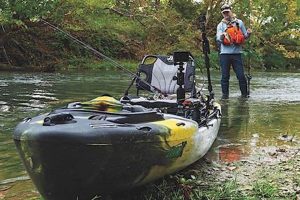
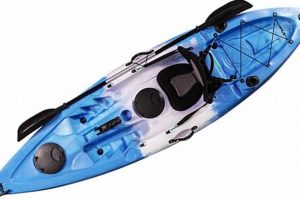
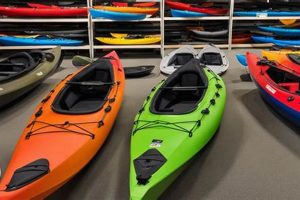
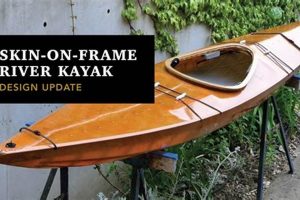
These small, maneuverable vessels, often designed for recreational paddling in sheltered waters, are a popular choice for anglers and nature enthusiasts. A typical example might feature a stable hull design, specialized seating, and mounting points for fishing gear.
The stability and specialized features of these boats enhance the angling experience, providing a platform for casting lines and reeling in catches. Their compact size allows access to shallow or narrow waterways, opening up opportunities to explore diverse aquatic environments. The development of these specialized crafts arose from a growing demand for comfortable and efficient watercraft suitable for both recreational paddling and fishing.
This discussion will further explore the design variations, materials used in construction, and safety considerations for utilizing this type of watercraft.
Tips for Small Vessel Paddling
Safe and enjoyable experiences on the water require preparation and adherence to best practices. The following tips offer guidance for maximizing enjoyment and minimizing risks while using small, recreational watercraft.
Tip 1: Check Weather Conditions: Prior to embarking, consult marine weather forecasts. Postpone trips if high winds, lightning, or other hazardous conditions are predicted.
Tip 2: Dress Appropriately: Wear clothing suitable for the water temperature, not the air temperature. Consider quick-drying fabrics and layers for adaptability.
Tip 3: Wear a Personal Flotation Device (PFD): A properly fitted PFD is essential safety equipment and should be worn at all times while on the water.
Tip 4: Carry Essential Safety Gear: Pack a whistle, signaling device, first-aid kit, and communication device (e.g., waterproofed cell phone) in a dry bag.
Tip 5: Plan Your Route: Familiarize yourself with the area you plan to paddle, including potential hazards and emergency landing points.
Tip 6: Inform Someone of Your Plans: Let someone on shore know your planned route, estimated return time, and who to contact if you don’t return as scheduled.
Tip 7: Practice Self-Rescue Techniques: Learn and practice re-entering your vessel in the event of a capsize.
Adhering to these guidelines enhances safety and preparedness, allowing for a more enjoyable and confident experience on the water.
These practical tips provide a foundation for safe and rewarding outings. Further research into specific techniques and local regulations is encouraged before embarking on any paddling adventure.
1. Stability

Stability is a paramount consideration in the design and use of small recreational watercraft, particularly those intended for activities like fishing. A stable platform is essential for casting lines, reeling in catches, and general onboard movement without the risk of capsizing. This discussion explores the key facets contributing to stability in these vessels.
- Hull Design:
Hull design plays a crucial role in determining stability. Wider hulls generally offer greater initial stability, resisting tipping from side to side. Flat-bottomed hulls maximize stability on calm water, while more rounded or v-shaped hulls provide better performance in choppy conditions, though at the expense of some initial stability. Pontoon-style hulls, with their multiple buoyancy chambers, offer exceptional stability.
- Center of Gravity:
The lower the center of gravity, the more stable the vessel. Keeping weight low and centered within the boat significantly enhances stability. This is particularly important when carrying additional gear or making movements within the kayak. Proper seating position and weight distribution are essential for maintaining a low center of gravity.
- Water Conditions:
Calm, flat water conditions contribute significantly to stability. Wind, waves, and currents can create instability, requiring more effort to maintain balance. Understanding the limitations of the vessel in different water conditions is crucial for safe operation. Operating in sheltered waters is often recommended for optimal stability.
- User Skill and Behavior:
User skill and behavior influence stability. Sudden movements, leaning too far over the side, or improper weight shifting can compromise stability, increasing the risk of capsizing. Experience and understanding of basic paddling techniques contribute significantly to maintaining balance and stability.
These combined factors influence the overall stability of small recreational watercraft. Consideration of hull design, center of gravity management, awareness of water conditions, and appropriate user behavior are crucial for safe and enjoyable on-water experiences. Choosing a vessel designed for stability and adhering to safe operating procedures significantly reduce the risk of capsizing and enhance the overall paddling experience.
2. Maneuverability

Maneuverability is a critical performance characteristic influencing the usability and suitability of these specialized watercraft for their intended purposes. Efficient navigation through diverse aquatic environments, including narrow channels, shallow areas, and obstacle-rich waterways, requires precise and responsive handling. This discussion explores the key facets contributing to maneuverability in these vessels.
- Hull Design:
Hull design plays a pivotal role in determining maneuverability. Shorter hulls generally offer greater agility, enabling tighter turns and quicker changes in direction. A shallower draft allows for easier navigation in shallow waters, while a defined keel enhances tracking and directional stability, though potentially compromising turning performance. The specific hull design influences the vessel’s responsiveness to paddle input and its ability to navigate complex environments.
- Paddle Length and Blade Shape:
Paddle characteristics significantly influence maneuverability. Shorter paddles offer greater control for quick, precise strokes, while longer paddles provide more leverage for powerful forward propulsion. Blade shape also plays a role, with asymmetrical blades offering smoother and more efficient strokes, contributing to enhanced maneuverability. Selecting an appropriate paddle length and blade shape can optimize performance based on individual paddling style and intended use.
- Rudder or Skeg System:
The presence of a rudder or skeg system can significantly impact maneuverability. Rudders provide active directional control, allowing for precise steering adjustments. Skegs enhance tracking and directional stability, especially in windy conditions, but may slightly reduce turning ability. The choice between a rudder, a skeg, or no directional aid depends on the intended use and the prevailing water conditions.
- Water Conditions:
Water conditions affect maneuverability. Calm, flat water allows for predictable and responsive handling, while currents and wind can create challenges, requiring more effort and skill to maintain desired course and position. Understanding the influence of water conditions on vessel performance is crucial for safe and efficient navigation.
These factors interact to determine the overall maneuverability of specialized small watercraft. The interplay of hull design, paddle characteristics, directional aids, and environmental conditions influence the ease and precision with which the vessel can be controlled. Selecting a craft with appropriate maneuverability characteristics for the intended use enhances the user’s ability to navigate effectively and safely in diverse aquatic environments. Furthermore, understanding the impact of water conditions and utilizing appropriate paddling techniques are critical for optimizing maneuverability and maximizing on-water performance.
3. Compact Size

Compact size is a defining characteristic of these specialized watercraft, influencing their transportability, storage requirements, and suitability for specific aquatic environments. This compact form factor directly impacts their usability and appeal for various recreational activities.
The reduced length and width of these vessels facilitate transport on vehicle roof racks or within truck beds, eliminating the need for trailers and expanding access to remote or difficult-to-reach launch sites. This portability enhances their versatility, allowing users to explore a wider range of waterways. Furthermore, compact dimensions simplify storage, requiring less space in garages or sheds compared to larger watercraft. This ease of storage makes them a practical option for individuals with limited storage capacity. The compact size also allows navigation through narrow channels, shallow creeks, and areas dense with vegetation, expanding the range of accessible environments compared to larger, less maneuverable vessels. For example, anglers can utilize these compact craft to access secluded fishing spots in shallow, vegetated areas that would be inaccessible to larger boats.
The compact nature of these watercraft presents both advantages and limitations. While facilitating transport, storage, and access to confined waterways, it can also impact stability and capacity for carrying gear. Understanding the trade-offs associated with compact size is crucial for selecting the appropriate vessel for specific needs and intended uses. Choosing a compact kayak necessitates careful consideration of stability requirements, gear storage needs, and the characteristics of the intended paddling environment. Evaluating these factors ensures a safe and enjoyable experience on the water.
4. Fishing Features

Specialized fishing features distinguish these kayaks from recreational paddling models, transforming them into efficient and effective angling platforms. These integrated features enhance the fishing experience by providing convenience, organization, and improved angling performance. Cause and effect relationships exist between these specialized features and angler success. For instance, integrated rod holders secure rods, freeing hands for other tasks, such as paddling or landing fish. Similarly, strategically placed storage compartments keep tackle organized and accessible, minimizing time spent searching for equipment and maximizing time spent fishing. Consider the scenario of an angler navigating a shallow, weedy area. The ability to quickly and efficiently switch between rods, access necessary tackle, and maintain boat control significantly impacts fishing success.
Fishing features are integral components of these specialized kayaks, directly impacting their functionality and suitability for angling. Flush-mounted rod holders minimize line tangling and interference with paddling strokes. Storage compartments, often designed for specific tackle types, ensure gear remains secure and protected from the elements. These features contribute to a more organized and efficient fishing experience, allowing anglers to focus on the task at hand. Furthermore, features such as anchor trolleys and mounting points for fish finders enhance angling capabilities and contribute to overall fishing success. A practical example is the ability to position the kayak precisely with an anchor trolley system in a current, maintaining optimal fishing position without constant paddling adjustments.
Understanding the significance of fishing features is crucial for anglers seeking to maximize their on-water effectiveness. These specialized adaptations are not mere add-ons but integral components that transform a recreational kayak into a dedicated fishing platform. Selecting a kayak with appropriate fishing features requires careful consideration of individual angling styles, target species, and the characteristics of the intended fishing environments. Challenges may include balancing the need for specialized features with overall kayak stability and maneuverability. Ultimately, the thoughtful integration of fishing features contributes significantly to a more productive and enjoyable angling experience, enabling anglers to fully utilize their specialized kayaks and pursue their passion effectively and efficiently.
5. Shallow Water Access
Shallow water access represents a significant advantage of these specialized kayaks, expanding angling and exploration opportunities in environments often inaccessible to larger, deeper-draft vessels. The shallow draft, a defining characteristic of these kayaks, enables navigation in minimal depths, allowing access to secluded coves, shallow creeks, and protected backwaters teeming with fish and wildlife. This capability opens up a realm of possibilities for anglers pursuing species that inhabit shallow-water environments. Cause and effect are directly linked: the shallow draft allows entry into these areas, leading to increased opportunities for observation and interaction with the ecosystem. For instance, sight fishing for species like redfish or bonefish in shallow flats becomes a viable pursuit. Consider a tidal creek ecosystem: the ability to navigate shallows during high tide grants access to feeding areas otherwise unreachable.
The importance of shallow water access as a defining component of these specialized kayaks extends beyond mere accessibility. It offers a tactical advantage for anglers seeking to exploit shallow-water habitats often rich in prey species and consequently attracting predatory game fish. These kayaks provide a stealthy approach, minimizing disturbance to the environment and increasing the likelihood of successful angling. Furthermore, the shallow draft facilitates exploration of delicate ecosystems like mangrove forests or seagrass beds, offering unique opportunities for nature observation and photography. Practical applications abound, ranging from scientific research in shallow-water ecosystems to eco-tourism ventures focusing on wildlife observation in pristine, protected areas. Imagine researchers silently navigating a mangrove forest during a high tide, studying the intricate ecosystem without disrupting its delicate balance.
Shallow water access, a core attribute of these kayaks, expands horizons for both anglers and nature enthusiasts. This capability unlocks opportunities for exploration, observation, and interaction with diverse aquatic environments often inaccessible by other means. Challenges associated with shallow water access may include navigating extremely shallow areas where contact with the bottom becomes inevitable and understanding the potential impacts on sensitive habitats. However, with careful consideration and responsible operation, these challenges can be mitigated, maximizing the benefits of shallow water access while minimizing environmental impact. The ability to access shallow water enriches the overall kayaking experience, adding a unique dimension to recreational pursuits and offering a valuable tool for scientific exploration and conservation efforts. It underscores the versatility of these specialized kayaks as platforms for interacting with the natural world in a meaningful and impactful way.
6. Recreational Paddling

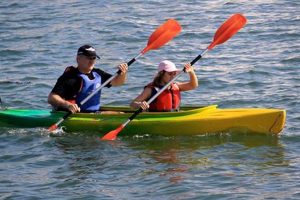
Recreational paddling encompasses a range of on-water activities focused on leisure and enjoyment, with specialized kayaks playing a significant role in this pursuit. These kayaks offer a unique blend of stability, maneuverability, and specialized features catering to various recreational paddling activities, from tranquil exploration to light fishing and nature observation. Their adaptability makes them a popular choice for individuals seeking versatile watercraft suitable for diverse recreational purposes.
- Exploration of Calm Waterways:
Calm lakes, slow-moving rivers, and protected coastal areas provide ideal environments for recreational paddling. Specialized kayaks offer a stable and comfortable platform for exploring these waterways, allowing paddlers to immerse themselves in nature and enjoy the tranquility of the aquatic environment. Consider a leisurely paddle along a scenic river, observing wildlife and appreciating the surrounding landscape. These kayaks provide the means to access and experience these environments in a personal and engaging way.
- Nature Observation and Photography:
The quiet operation and maneuverability of these kayaks make them ideal platforms for observing wildlife and capturing photographs. Their shallow draft allows access to shallow areas where birds, fish, and other aquatic life congregate. Imagine silently approaching a heron rookery or observing a school of fish in their natural habitat. These kayaks offer a non-intrusive means of observing and documenting the natural world.
- Fitness and Exercise:
Recreational paddling provides a low-impact form of exercise, engaging various muscle groups and promoting cardiovascular health. The rhythmic motion of paddling offers a relaxing yet invigorating workout, contributing to overall physical well-being. Whether engaging in a short paddle on a local pond or embarking on a longer expedition, these kayaks offer a means of incorporating physical activity into leisure pursuits.
- Social and Shared Experiences:
Recreational paddling provides opportunities for shared experiences and social interaction. Group paddling trips foster camaraderie and create lasting memories. Consider a group of friends paddling together, enjoying conversation and shared experiences amidst scenic surroundings. These kayaks offer a platform for social bonding and connection with nature.
These diverse facets of recreational paddling highlight the versatility and adaptability of specialized kayaks. Their design and features cater to a wide range of recreational pursuits, from solitary exploration to shared experiences and fitness-oriented activities. The ability to customize these kayaks with accessories further enhances their adaptability, allowing individuals to tailor their craft to specific recreational interests. Whether seeking tranquility, adventure, or a connection with nature, specialized kayaks offer a gateway to enriching and fulfilling recreational experiences on the water.
7. Specialized Design

Specialized design distinguishes these kayaks from generic recreational models, optimizing performance and functionality for specific on-water activities. This design philosophy prioritizes purpose-driven features, resulting in vessels tailored to meet the unique demands of angling, exploration, and other specialized pursuits. Understanding the nuances of specialized design is crucial for appreciating the capabilities and limitations of these kayaks.
- Hull Design:
Hull design significantly influences stability, maneuverability, and tracking. A wider, flatter hull maximizes stability for fishing, while a narrower, V-shaped hull enhances speed and tracking for touring. Pontoon-style hulls provide exceptional stability for specialized activities like photography or birdwatching. Consider a fishing kayak with a wide, stable hull designed to accommodate standing and casting, contrasting sharply with a touring kayak’s sleek, efficient hull optimized for speed and long-distance paddling. The specific hull design directly impacts performance characteristics and suitability for intended use.
- Seating and Positioning:
Seating configurations and adjustability contribute significantly to comfort and ergonomics. Elevated seating positions improve visibility and casting angles for anglers, while adjustable backrests and foot braces enhance comfort during long paddling excursions. Compare the higher, more open seating of a fishing kayak designed for casting and retrieving to the lower, more streamlined seating of a recreational kayak prioritizing stability and comfort. These design choices directly influence the user experience and suitability for specific activities.
- Storage and Gear Management:
Integrated storage compartments and mounting points accommodate specialized equipment like fishing rods, tackle boxes, cameras, and other gear essential for specific activities. Dedicated storage solutions maximize organization and accessibility, enhancing efficiency and enjoyment on the water. Contrast the ample storage compartments and rod holders of a fishing kayak with the more limited storage options of a recreational model. These specialized features directly impact the kayak’s practicality and suitability for gear-intensive activities.
- Materials and Construction:
Material selection impacts durability, weight, and performance. Durable polyethylene kayaks withstand impacts and abrasion, while lighter-weight composite materials enhance performance and efficiency. Inflatable kayaks offer portability and ease of storage. Consider the rugged durability of a rotomolded polyethylene fishing kayak designed for navigating shallow, rocky areas compared to the lightweight performance of a composite touring kayak built for speed and efficiency. Material selection directly influences the kayak’s longevity, performance characteristics, and overall suitability for specific environments and activities.
These specialized design elements, working in concert, determine the overall functionality and performance of these kayaks. Understanding the interplay between hull design, seating, storage, materials, and other specialized features provides valuable insights into the capabilities and limitations of each design. Matching the kayak’s specialized design features to the intended activity is crucial for maximizing performance, comfort, and overall enjoyment on the water. This specialized approach to kayak design ensures that each vessel is optimized for its intended purpose, empowering users to pursue their chosen activities with confidence and efficiency.
Frequently Asked Questions
This section addresses common inquiries regarding specialized small recreational watercraft designed for angling and paddling.
Question 1: What are the key advantages of these specialized small watercraft compared to traditional kayaks?
Key advantages include enhanced stability for fishing, specialized features like rod holders and storage compartments, and a compact size facilitating access to shallow or narrow waterways.
Question 2: Are these specialized kayaks suitable for beginners?
While some models cater to beginners with enhanced stability features, selecting a model appropriate for skill level and intended use remains crucial. Professional instruction can benefit novice paddlers.
Question 3: What safety precautions should one take when using these kayaks?
Essential safety precautions include wearing a personal flotation device (PFD), checking weather conditions before embarking, informing someone of paddling plans, and carrying essential safety gear.
Question 4: What maintenance is required for these specialized kayaks?
Regular rinsing with fresh water after each use, proper storage out of direct sunlight, and periodic inspections for damage contribute to longevity. Specific maintenance requirements may vary depending on construction materials.
Question 5: How does one choose the right specialized kayak for individual needs?
Consider factors such as intended use (fishing, recreational paddling), skill level, desired features (rod holders, storage), and budget. Researching different models and seeking expert advice can inform decision-making.
Question 6: What are the typical costs associated with owning one of these specialized kayaks?
Costs vary significantly based on features, materials, and brand. Entry-level models may be more budget-friendly, while high-end fishing kayaks with advanced features command higher prices. Factor in additional costs for paddles, safety gear, and potential transportation or storage solutions.
Careful consideration of these frequently asked questions equips prospective users with essential information for making informed decisions regarding the selection, use, and maintenance of specialized small recreational watercraft.
For further information, consult specialized retailers, paddling organizations, or online resources dedicated to kayaking and angling.
Conclusion
These specialized small watercraft offer distinct advantages for anglers and recreational paddlers seeking access to shallow, protected waterways. The convergence of stability, maneuverability, and specialized features creates a versatile platform for diverse on-water activities. From enhanced angling opportunities to tranquil nature observation, these vessels provide a unique means of interacting with aquatic environments.
Careful consideration of design features, safety precautions, and responsible usage practices ensures rewarding experiences on the water. As technology and design continue to evolve, these specialized craft will likely play an increasingly prominent role in recreational paddling and angling pursuits, offering enhanced opportunities for exploration, connection with nature, and pursuit of on-water passions.