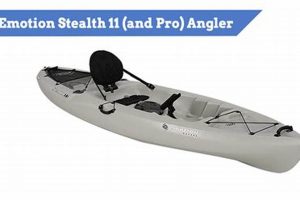
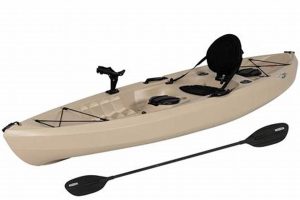
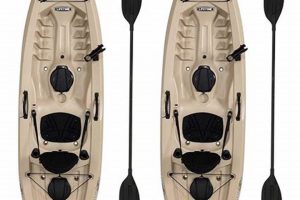
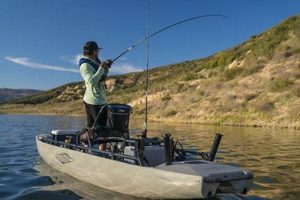
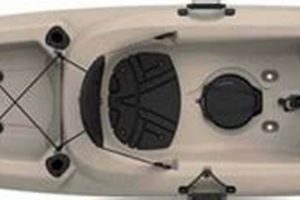
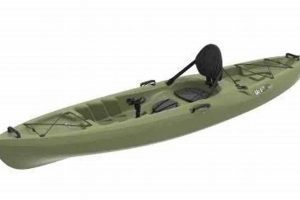
This specific model of recreational watercraft is designed for angling activities. It combines the sit-on-top design popularized by Lifetime Products with features geared towards fishing, such as rod holders and storage compartments. This type of kayak offers stability and ease of use, making it suitable for a range of skill levels, from beginners to experienced anglers. It provides a platform for fishing in various bodies of water, from lakes and rivers to calm coastal areas.
Affordable and durable, this style of fishing kayak has contributed to the accessibility of the sport. Its portability allows anglers to explore diverse fishing locations, while its specialized features enhance the overall fishing experience. The development and popularity of such kayaks reflect a broader trend of specialized recreational equipment catering to specific outdoor pursuits.
Further exploration of this vessel can involve discussions on its construction, performance characteristics, suitable accessories, and recommended fishing techniques. Safety precautions and responsible usage guidelines are also relevant topics for prospective users of this type of kayak.
Tips for Kayak Fishing
Effective kayak angling requires preparation and adherence to best practices. The following tips contribute to a safe and productive fishing experience.
Tip 1: Plan and Research. Prioritize thorough research of the intended fishing location. Understanding water conditions, local regulations, and potential hazards is crucial.
Tip 2: Prioritize Safety. Always wear a personal flotation device (PFD). Carry a whistle and signaling devices. Inform someone of the fishing plan and expected return time.
Tip 3: Organize Gear. Efficiently organize tackle and equipment within the kayak for easy access. Secure rods and gear to prevent loss in case of capsizing.
Tip 4: Practice Paddling Technique. Master basic paddling strokes for efficient maneuvering and navigation. Practice launching and landing techniques in various conditions.
Tip 5: Understand Fishing Techniques. Adapt fishing techniques to suit kayak angling. Practice casting from a seated position and managing lines effectively.
Tip 6: Respect the Environment. Adhere to Leave No Trace principles. Pack out all trash and avoid disturbing wildlife or sensitive habitats. Observe local fishing regulations.
Tip 7: Check Weather Conditions. Before heading out, be sure to check the marine weather forecast. Wind and waves can significantly impact kayak fishing, particularly on larger bodies of water.
Adhering to these guidelines enhances safety and increases the likelihood of a successful and enjoyable fishing experience. Careful planning and mindful execution are essential for productive kayak angling.
These practical tips offer valuable insights for both novice and seasoned anglers. Applying these strategies contributes significantly to responsible and rewarding kayak fishing experiences.
1. Stability

Stability is a critical factor influencing the performance and safety of the Lifetime Angler 100 fishing kayak. A stable platform allows anglers to focus on fishing rather than constantly correcting balance. This is particularly important when casting, reeling, and landing fish, activities that often shift the center of gravity. Enhanced stability minimizes the risk of capsizing, especially in challenging conditions like windy days or choppy water. A stable kayak also facilitates easier entry and exit, which is crucial for anglers of varying physical abilities. For example, an angler standing to cast in a stable kayak has a significantly reduced chance of falling overboard compared to attempting the same maneuver in a less stable vessel. The flat-bottom hull design commonly used in this style of kayak contributes to primary stability (resistance to initial tipping), allowing for comfortable seated fishing. The wider beam further enhances stability, particularly secondary stability (resistance to further tipping once initially tilted). This design prioritizes stability over speed, making it well-suited for calm waters and fishing activities.
The practical significance of stability extends beyond simply preventing capsizing. It contributes significantly to angler confidence and comfort, enabling longer fishing trips without fatigue or discomfort. Increased stability allows for more freedom of movement within the kayak, facilitating various fishing techniques. For example, fly fishing, which involves frequent casting and line management, is made considerably easier in a stable kayak. Similarly, retrieving larger fish requires leverage and stability, both provided by the stable platform of the kayak. This level of stability also allows for the safe use of accessories like fish finders and anchor trolleys, which can further enhance the fishing experience.
In summary, stability is a defining characteristic of the Lifetime Angler 100 fishing kayak, directly impacting its suitability for angling. The design prioritizes stability over speed, catering to the specific needs of anglers. Understanding the factors that contribute to stabilitysuch as hull design and widthhelps anglers make informed decisions and maximize their on-the-water safety and enjoyment. This focus on stability facilitates not only a more productive fishing experience but also contributes to overall safety and user confidence, making it a key feature for both novice and experienced kayak anglers.
2. Portability

Portability is a significant factor influencing the practicality and appeal of the Lifetime Angler 100 fishing kayak. Ease of transport directly impacts accessibility to diverse fishing locations, expanding angling opportunities. Analyzing the kayak’s portability requires consideration of its weight, dimensions, and available transportation methods. Understanding these elements allows anglers to assess its suitability for their individual needs and logistical constraints.
- Weight and Dimensions
The relatively lightweight nature of this kayak model, typically under 60 pounds, contributes significantly to its portability. This manageable weight allows for easier loading and unloading from vehicles, minimizing strain. The compact dimensions facilitate storage in garages, sheds, or even smaller apartments, reducing storage constraints. Furthermore, the manageable size and weight often eliminate the need for specialized trailers or rooftop carriers, further enhancing portability and reducing associated costs.
- Transportation Methods
Various transportation options exist for this type of kayak. Rooftop carriers offer a secure and convenient solution for vehicles with roof racks. Truck beds and trailers provide alternative transport methods for longer distances or multiple kayaks. Short distances, such as from a parking area to a launch site, may only require carrying the kayak by hand or utilizing a kayak cart. The range of transport options caters to diverse logistical needs and preferences.
- Impact on Fishing Accessibility
Enhanced portability expands fishing opportunities by allowing access to remote or less accessible locations. Transporting the kayak to smaller ponds, secluded rivers, or less frequented areas of larger lakes becomes feasible. This allows anglers to explore diverse environments and potentially discover less pressured fishing spots. The portability simplifies the logistics of embarking on fishing expeditions, thereby encouraging exploration and broadening angling experiences.
- Comparison to Other Kayak Types
Compared to larger, heavier kayaks, such as tandem or sea kayaks, the Lifetime Angler 100 offers superior portability. Its lighter weight and smaller dimensions make it significantly easier to transport and store. While larger kayaks may offer advantages in terms of capacity or seaworthiness, their reduced portability limits accessibility to certain locations. The trade-off between portability and other features depends on individual angling priorities and preferences.
In conclusion, the portability of the Lifetime Angler 100 contributes substantially to its appeal. Its manageable weight and dimensions, coupled with various transportation options, expand fishing opportunities and simplify logistical challenges. The enhanced portability broadens access to diverse fishing environments, ultimately enriching the overall angling experience. This characteristic positions the kayak as a practical and versatile option for anglers seeking convenience and expanded access to their preferred fishing locations.
3. Durability

Durability is a crucial factor in evaluating the long-term value and performance of the Lifetime Angler 100 fishing kayak. A durable kayak withstands regular use, exposure to various environmental conditions, and the inevitable bumps and scrapes inherent in outdoor activities. This resilience translates to a longer lifespan, reduced maintenance requirements, and consistent performance over time. Understanding the factors contributing to the kayak’s durability allows for informed purchasing decisions and proper care to maximize its lifespan.
- Construction Material
High-density polyethylene (HDPE) is the primary material used in the construction of this kayak. HDPE is known for its impact resistance, UV resistance, and overall durability. It can withstand impacts from rocks, logs, and other obstacles commonly encountered in waterways. The UV resistance prevents degradation from prolonged sun exposure, preserving the structural integrity of the kayak. This robust material contributes significantly to the kayak’s ability to withstand regular use and exposure to the elements.
- Impact Resistance
The inherent impact resistance of HDPE safeguards the kayak from damage during transport, launching, landing, and navigation through challenging waters. This resilience minimizes the risk of cracks, punctures, or other structural damage that could compromise performance or safety. For example, incidental contact with rocks or submerged debris is less likely to cause significant damage to an HDPE kayak compared to kayaks made from less durable materials. This robustness is particularly important in rocky rivers, shallow waters, or coastal environments.
- UV Resistance
Prolonged exposure to ultraviolet radiation from the sun can degrade many materials, causing them to become brittle and prone to cracking. HDPE’s inherent UV resistance protects the kayak from this type of degradation, preserving its structural integrity and extending its lifespan. This resistance is particularly important in regions with intense sunlight or for kayaks frequently stored outdoors. It minimizes the need for specialized UV protectants or frequent replacements, contributing to the long-term value of the kayak.
- Maintenance Requirements
The durable construction of the Lifetime Angler 100 fishing kayak minimizes maintenance requirements. HDPE requires minimal upkeep beyond basic cleaning and occasional inspections. Unlike some other materials, it does not require regular painting, sealing, or other specialized treatments. This ease of maintenance reduces the time and cost associated with upkeep, allowing anglers to focus on fishing rather than kayak maintenance. The low maintenance requirements contribute to the overall practicality and long-term affordability of the kayak.
The durability of the Lifetime Angler 100, stemming from its HDPE construction and resulting characteristics, directly contributes to its long-term value and suitability for various fishing environments. This inherent robustness ensures consistent performance and minimizes the need for extensive maintenance, allowing anglers to focus on their passion. The combination of impact resistance, UV resistance, and low maintenance requirements makes this kayak a practical investment for anglers seeking a reliable and long-lasting vessel for their fishing adventures.
4. Fishing Features

The Lifetime Angler 100 fishing kayak integrates several key features specifically designed to enhance angling effectiveness and convenience. These features differentiate it from recreational kayaks and contribute significantly to its suitability for fishing applications. The inclusion of these specialized features reflects a design focused on providing anglers with a practical and efficient platform for their pursuits. Examining these features provides insight into the kayak’s intended use and its potential benefits for anglers.
Multiple flush-mounted rod holders allow anglers to keep rods readily accessible while paddling or waiting for a bite. This feature eliminates the need to hold rods constantly, reducing fatigue and freeing hands for other tasks. An integrated tackle storage compartment provides a designated space for organizing lures, hooks, lines, and other essential fishing gear. This organized storage improves efficiency and minimizes time spent searching for specific items. The tank well, located at the stern, offers additional storage for larger items like tackle boxes, coolers, or even a small anchor. This expanded storage capacity allows anglers to carry more gear, extending trip duration and enhancing versatility. Furthermore, some models include features like paddle parks or clips, offering convenient storage for the paddle while fishing. This prevents the paddle from drifting away and keeps it within easy reach when needed.
The practical significance of these fishing features extends beyond mere convenience. They contribute directly to improved angling efficiency and overall enjoyment. Readily accessible rods allow for quicker reactions to bites, increasing hook-up rates. Organized tackle storage streamlines lure changes and rigging adjustments, maximizing fishing time. The additional storage capacity allows for longer trips and the inclusion of essential gear, enhancing versatility and preparedness. These features, collectively, transform the kayak from a simple mode of transportation into a dedicated fishing platform. The thoughtful integration of these features demonstrates a clear understanding of angler needs and priorities. The resulting enhanced functionality elevates the fishing experience, contributing to increased success and overall enjoyment. The presence of these specialized features reinforces the kayak’s designation as a purpose-built fishing vessel, catering specifically to the needs and priorities of anglers.
5. Affordability
Affordability plays a significant role in the accessibility and appeal of the Lifetime Angler 100 fishing kayak. Cost considerations often influence purchasing decisions, particularly within the recreational equipment market. Analyzing the affordability of this kayak model requires examining its price point relative to comparable options, the long-term value derived from its durability, and the potential cost savings associated with its features. Understanding these aspects provides a comprehensive perspective on the kayak’s affordability and its overall value proposition.
- Initial Purchase Price
The Lifetime Angler 100 generally occupies a lower price point compared to many other fishing kayaks, especially those constructed from higher-end materials or featuring more advanced designs. This competitive pricing makes kayak fishing accessible to a wider range of individuals, lowering the barrier to entry for newcomers to the sport. The relatively low initial investment reduces the financial risk associated with trying a new activity, encouraging participation and broadening access to outdoor recreation.
- Long-Term Value and Durability
The durable construction of the kayak, primarily using high-density polyethylene (HDPE), contributes to its long-term value. HDPE’s resistance to impacts, UV degradation, and general wear and tear translates to a longer lifespan, reducing the need for frequent replacements. This durability minimizes long-term costs associated with repairs or premature replacements, enhancing the overall value proposition of the kayak.
- Cost Savings from Integrated Features
The integrated fishing features, such as rod holders and storage compartments, can lead to cost savings by eliminating the need for purchasing separate accessories. These built-in features fulfill essential functions without requiring additional expenditures, further enhancing the affordability of the overall package. The inclusion of these features as standard equipment contributes to the kayak’s value and minimizes the need for additional investments.
- Comparison to Other Recreational Activities
Compared to other recreational activities like boating or motorized water sports, kayak fishing represents a relatively affordable option. The lower initial investment, minimal operating costs (no fuel required), and reduced maintenance requirements contribute to long-term affordability. This cost-effectiveness makes kayak fishing an attractive option for individuals seeking accessible and budget-friendly outdoor recreation.
The affordability of the Lifetime Angler 100 fishing kayak, stemming from its competitive price point, durable construction, and integrated features, significantly contributes to its accessibility and overall appeal. This cost-effectiveness broadens access to kayak fishing, making it a viable option for a wider range of individuals seeking an affordable and engaging outdoor pursuit. The combination of these factors positions the kayak as a valuable option for budget-conscious anglers seeking a balance of performance, durability, and affordability.
Frequently Asked Questions
This section addresses common inquiries regarding the Lifetime Angler 100 fishing kayak, providing concise and informative responses.
Question 1: What is the weight capacity of this kayak?
The weight capacity is typically 275 pounds. Exceeding this limit can compromise stability and safety.
Question 2: Is this kayak suitable for ocean use?
While designed for calm waters, it is not recommended for open ocean conditions or strong currents. It is best suited for lakes, ponds, and slow-moving rivers.
Question 3: What maintenance is required for this kayak?
Minimal maintenance is required. Rinsing with fresh water after each use and occasional inspection for damage are recommended.
Question 4: Can this kayak accommodate additional accessories?
Yes, various accessories, such as fish finders, anchor trolleys, and additional rod holders, can be added. Compatibility should be verified before installation.
Question 5: What safety precautions should be taken when using this kayak?
Always wear a personal flotation device (PFD). Check weather conditions before embarking. Inform someone of the planned fishing location and expected return time.
Question 6: How does the stability of this kayak compare to other fishing kayaks?
The wider, flat-bottom hull design prioritizes stability over speed, making it suitable for beginners and fishing activities. However, it may be slower than narrower, more performance-oriented kayaks.
Addressing these common inquiries provides prospective users with essential information for informed decision-making. Thorough research and consideration of individual needs are crucial for selecting appropriate equipment.
Further information regarding specific features, usage guidelines, or compatibility inquiries can typically be found on the manufacturer’s website or through authorized retailers.
Conclusion
The Lifetime Angler 100 fishing kayak presents a compelling option for individuals seeking an accessible and functional platform for angling. Its stability, portability, durability, specialized fishing features, and affordability combine to create a practical and versatile vessel. Analysis of these key aspects reveals a design tailored to meet the specific needs of anglers, from beginners to seasoned enthusiasts. The kayak’s robust construction ensures reliable performance and longevity, while the integrated fishing features enhance angling efficiency and enjoyment. Its affordability further expands access to kayak fishing, making it a viable option for a broader audience.
Careful consideration of individual needs, intended usage, and prevailing conditions remains crucial for maximizing the benefits of this specialized watercraft. Understanding its capabilities and limitations allows for informed decision-making and responsible usage. The Lifetime Angler 100 offers a compelling entry point into the world of kayak fishing, promoting accessible and enjoyable engagement with the sport.