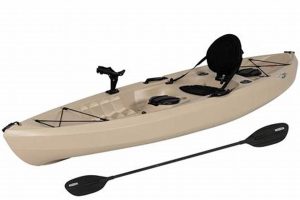
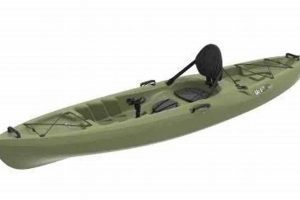
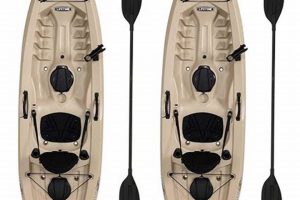
Maintaining the functionality and longevity of recreational equipment often necessitates sourcing specific components. For the Lifetime Tamarack Angler 100 fishing kayak, this translates to acquiring appropriate substitute components when original parts become worn, damaged, or lost. These can range from small items like hatch covers and bungee cords to larger structural elements such as seats and drive systems. Access to these components allows owners to repair their kayaks, extending their usable lifespan.
The availability of specific components for a particular kayak model is crucial for its continued use. Repairing a kayak rather than replacing it is economically and environmentally advantageous. It allows owners to maintain their investment in the kayak and reduces the amount of plastic waste generated. Historically, sourcing specific parts for recreational equipment could be challenging. However, with the rise of e-commerce and specialized retailers, access to these components has significantly improved, allowing owners to maintain their equipment more easily.
The following sections will explore various aspects related to maintaining and repairing the Lifetime Tamarack Angler 100, including identifying the correct components, finding reputable suppliers, and understanding the repair process. Further topics will cover common maintenance tasks, troubleshooting issues, and ensuring the continued optimal performance of the kayak.
Maintaining a Tamarack Angler 100
Maintaining a kayak in optimal condition requires proactive measures and timely repairs. The following tips offer guidance on preserving the functionality and longevity of the Lifetime Tamarack Angler 100 fishing kayak.
Tip 1: Regular Inspection: Thorough inspections should be conducted after each use. Focus should be placed on identifying potential damage, wear, or loose components. Special attention should be given to areas experiencing high stress, such as the hull, seat mounts, and hardware.
Tip 2: Cleaning and Storage: Rinsing the kayak with fresh water after each use, particularly after exposure to saltwater, helps prevent corrosion and material degradation. Storing the kayak in a cool, dry place away from direct sunlight helps prevent UV damage.
Tip 3: Lubrication: Moving parts, such as hatch hinges and adjustable components, benefit from periodic lubrication. Using a marine-grade lubricant ensures smooth operation and prevents premature wear.
Tip 4: Proper Hardware Maintenance: Checking and tightening loose hardware regularly prevents further damage and ensures the kayak’s structural integrity. Replacing corroded or damaged hardware promptly is essential.
Tip 5: UV Protection: Applying a UV protectant spray to the kayak’s hull helps mitigate the damaging effects of sunlight and prolongs the lifespan of the plastic.
Tip 6: Secure Storage of Components: Smaller, easily misplaced components, such as hatch covers and bungee cords, should be stored securely when not in use. This prevents loss and ensures they are readily available when needed.
Tip 7: Timely Repairs: Addressing minor damage promptly prevents it from escalating into more significant issues. Utilizing readily available replacement components allows for efficient and effective repairs.
Adhering to these maintenance practices ensures the kayak remains in good working order, maximizes its lifespan, and contributes to safe and enjoyable paddling experiences.
By following these tips and incorporating regular maintenance into one’s routine, owners can ensure the continued performance and longevity of their Tamarack Angler 100, enabling years of enjoyment on the water. The concluding section will offer additional resources and support for Tamarack Angler 100 owners.
1. Availability

Availability of replacement components directly impacts the repairability and longevity of the Lifetime Tamarack Angler 100 fishing kayak. Ready access to necessary parts facilitates timely repairs, minimizing downtime and preventing minor damage from escalating into major issues. Conversely, limited availability can lead to extended repair periods, increased costs, and potentially even premature disposal of otherwise functional kayaks. This underscores the critical role readily available components play in sustaining the product’s lifecycle.
Consider a scenario where a kayak’s seat becomes damaged. If a replacement seat is readily available, the owner can quickly repair the kayak and return to the water. However, if the part is difficult to obtain, the kayak may remain unusable for an extended period, potentially impacting the owner’s ability to enjoy the activity. Another example involves damage to a critical structural element, such as the hull. Prompt access to a repair kit or replacement component becomes crucial to prevent further damage and ensure the kayak’s continued seaworthiness. This highlights the practical implications of component availability.
In conclusion, ready access to replacement parts is essential for maintaining the Tamarack Angler 100. Component availability directly influences repair timelines, overall cost-effectiveness, and ultimately, the kayak’s usable lifespan. Prioritizing sources offering readily available components is crucial for mitigating potential disruptions and maximizing the long-term value of the kayak. This contributes to a more sustainable approach to product ownership, reducing waste and promoting responsible resource management.
2. Cost

Cost represents a significant factor in maintaining and repairing the Lifetime Tamarack Angler 100 fishing kayak. Understanding the various cost components associated with replacement parts allows owners to make informed decisions and effectively manage their budgets. Analyzing these costs provides valuable insights into the long-term financial implications of kayak ownership.
- Component Pricing
Individual component prices vary significantly. Smaller parts, such as screws and hatch covers, typically incur lower costs compared to larger components like seats or drive systems. For instance, replacing a lost drain plug will likely be less expensive than replacing a damaged rudder assembly. Researching prices from different suppliers can help identify cost-effective options.
- Shipping and Handling
Shipping and handling fees contribute to the overall cost of acquiring replacement parts. These fees can vary depending on the supplier’s location, shipping method, and the size and weight of the components. Factoring in these expenses provides a more accurate estimate of the total repair cost. Exploring local suppliers or opting for combined shipments can potentially minimize these expenses.
- Repair versus Replacement
In some cases, the cost of repairing a damaged kayak may exceed the cost of purchasing a new one. Assessing the extent of the damage and comparing repair costs against the price of a new kayak informs the decision-making process. This analysis involves considering the kayak’s age, overall condition, and the availability of suitable replacement parts.
- Preventative Maintenance
Investing in preventative maintenance, such as regularly cleaning and lubricating moving parts, can help mitigate the need for costly repairs in the long run. While preventative maintenance may involve upfront expenses, it can ultimately reduce the frequency and cost of replacing damaged components. This proactive approach contributes to the kayak’s longevity and overall cost-effectiveness.
By carefully considering these cost factors, kayak owners can develop a comprehensive understanding of the financial implications associated with maintaining and repairing their Tamarack Angler 100. This understanding allows for informed decision-making regarding repairs, replacements, and preventative maintenance, ultimately contributing to responsible kayak ownership and long-term cost management.
3. Durability
Durability plays a crucial role in the lifecycle of a Lifetime Tamarack Angler 100 fishing kayak and directly influences the frequency of replacement part needs. Components manufactured from robust materials withstand wear and tear, reducing the likelihood of premature failure. This translates to fewer repairs, lower overall maintenance costs, and a longer lifespan for the kayak. Conversely, components lacking durability necessitate more frequent replacements, increasing expenses and potentially disrupting usage. The selection of durable replacement parts, therefore, represents a significant factor in maximizing the kayak’s value and ensuring long-term performance.
Consider a hypothetical comparison between two replacement hatch covers: one made from high-impact UV-resistant plastic and another from a less durable material. The durable hatch cover withstands repeated exposure to sunlight and impacts, maintaining its functionality over an extended period. The less durable option, however, may crack or become brittle under similar conditions, requiring more frequent replacement. This example illustrates the practical impact of component durability on long-term maintenance needs. Similarly, choosing a durable paddle crafted from reinforced materials reduces the risk of breakage during strenuous use, minimizing potential disruptions during fishing trips.
Understanding the importance of durability in selecting replacement components contributes significantly to responsible kayak ownership. Prioritizing durable parts minimizes both environmental impact through reduced waste and financial burden through decreased replacement frequency. While higher initial costs for durable components may be a factor, the long-term benefits outweigh the short-term expense. This proactive approach ensures a more sustainable and cost-effective approach to kayak maintenance, contributing to extended product lifespan and enhanced user experience. Careful consideration of material properties, construction methods, and manufacturer reputation facilitates informed decision-making regarding durable replacement part selection for the Tamarack Angler 100.
4. Compatibility

Compatibility is paramount when selecting replacement components for the Lifetime Tamarack Angler 100 fishing kayak. Choosing incompatible parts can lead to improper fit, compromised functionality, and potential damage to the kayak. Ensuring compatibility requires careful consideration of model-specific design, dimensions, and manufacturer specifications. This meticulous approach is essential for maintaining the kayak’s structural integrity, performance, and safety.
- Hardware Compatibility
Hardware, including screws, bolts, and nuts, must be compatible with the existing fittings on the kayak. Using incorrect hardware can strip screw holes, create leaks, or cause structural weakness. For example, using screws that are too long can penetrate the hull, while using screws of the wrong diameter may not provide a secure hold. Consulting the kayak’s manual or contacting the manufacturer ensures appropriate hardware selection.
- Seat Compatibility
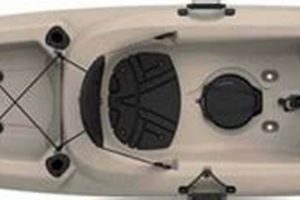
Replacement seats must conform to the kayak’s designated mounting points and dimensions. An incompatible seat may not fit securely, impacting stability and comfort. Additionally, an improperly fitted seat can interfere with paddling efficiency and potentially damage the kayak’s structure. Verifying seat dimensions and compatibility with the Tamarack Angler 100 model is crucial.
- Hatch and Cover Compatibility
Hatch covers and storage compartment lids require precise fit to ensure a watertight seal. Incompatible covers can allow water to enter the kayak, potentially damaging stored gear and affecting buoyancy. Checking for model-specific hatch dimensions and designs prevents such issues. For instance, attempting to use a hatch cover designed for a different kayak model may result in an inadequate seal, compromising the kayak’s watertight integrity.
- Accessory Compatibility
Accessories, such as rod holders, fish finders, and rudders, require compatible mounting systems and hardware. Using incompatible accessories can damage the kayak or result in unstable installations. For example, attempting to mount a fish finder using incorrect hardware could damage the hull or lead to the device detaching during use. Ensuring compatibility between accessories and the Tamarack Angler 100’s designated mounting points and hardware configurations is crucial for safe and reliable operation.
Prioritizing compatibility in replacement part selection ensures proper function, maintains structural integrity, and safeguards user safety. Overlooking compatibility can lead to a range of issues, from minor inconveniences to significant safety hazards. Consulting the kayak’s documentation, seeking expert advice, or contacting the manufacturer directly facilitates informed decision-making regarding compatible replacement components for the Tamarack Angler 100. This proactive approach ensures optimal performance, longevity, and a safe paddling experience.
5. Installation

Proper installation is crucial for the effective function and longevity of replacement parts in a Lifetime Tamarack Angler 100 fishing kayak. Incorrect installation can compromise the kayak’s structural integrity, safety, and performance. It can also negate the benefits of using high-quality replacement parts. For instance, an improperly installed hatch cover may leak, leading to water damage inside the kayak. Similarly, a poorly secured seat could become unstable, creating a safety hazard. Therefore, understanding correct installation procedures is essential for realizing the full value of replacement components and ensuring a safe and enjoyable kayaking experience. This involves careful attention to manufacturer instructions, appropriate tool usage, and, when necessary, seeking expert guidance.
Several factors underscore the importance of correct installation. Using the appropriate tools ensures proper tightening of screws and bolts, preventing damage to components and the kayak itself. For example, using an incorrectly sized screwdriver could strip a screw head, making it difficult or impossible to remove or tighten. Furthermore, following manufacturer guidelines for sealant application ensures a watertight seal around hatches and other critical areas. Failing to apply sealant correctly, or using the wrong type of sealant, can lead to leaks and subsequent damage. Finally, understanding the correct sequence for assembling components is crucial. For instance, installing certain parts in the wrong order could hinder access to other areas or create unnecessary stress on components. A real-world example could involve replacing a damaged rudder assembly. Incorrect installation could lead to impaired steering control, posing a significant safety risk, particularly in challenging water conditions.
In conclusion, proper installation is an integral aspect of utilizing replacement parts effectively in a Lifetime Tamarack Angler 100 fishing kayak. It directly impacts safety, performance, and the longevity of both the replacement components and the kayak itself. Careful adherence to manufacturer instructions, appropriate tool usage, and a thorough understanding of the installation process are crucial for achieving optimal results. Overlooking these aspects can lead to a range of issues, from minor inconveniences to potentially hazardous situations. Therefore, prioritizing correct installation procedures ensures the kayak remains functional, safe, and enjoyable for years to come.
6. Maintenance

Regular maintenance plays a crucial role in minimizing the need for replacement parts on a Lifetime Tamarack Angler 100 fishing kayak. Proactive maintenance, such as cleaning, lubrication, and inspection, prevents wear and tear, extends the lifespan of existing components, and reduces the likelihood of damage. This, in turn, minimizes the frequency and cost associated with acquiring replacement parts. Neglecting routine maintenance tasks can accelerate wear, leading to premature component failure and increased reliance on replacements. For example, regularly rinsing the kayak with fresh water after use prevents saltwater corrosion of metal components, reducing the need for replacements. Conversely, neglecting this simple task can lead to corrosion, requiring replacement of affected parts, such as screws, hinges, and other hardware.
Furthermore, diligent maintenance allows for early detection of potential issues. Regular inspections can reveal minor wear or damage before they escalate into major problems requiring extensive repairs or component replacements. For instance, a small crack in the hull, if detected early through routine inspection, can be easily repaired with a small amount of sealant. However, if left unaddressed, the crack can grow larger, potentially requiring a more complex and costly repair involving patching or even hull replacement. Therefore, consistent maintenance not only reduces the overall need for replacement parts but also facilitates more efficient and cost-effective repairs when they become necessary.
In summary, a proactive approach to maintenance significantly reduces the demand for replacement parts, extends the kayaks lifespan, and contributes to a safer and more enjoyable kayaking experience. Regular maintenance is a cost-effective strategy that minimizes both the financial and environmental impacts associated with replacing components. It allows owners to maximize their investment in the Tamarack Angler 100 and enjoy its performance for years to come. The connection between diligent maintenance and reduced reliance on replacements forms a cornerstone of responsible kayak ownership.
7. Sourcing
Efficient sourcing of replacement components is crucial for maintaining the Lifetime Tamarack Angler 100 fishing kayak. Locating the correct parts efficiently minimizes downtime and ensures timely repairs. Effective sourcing relies on understanding available options, navigating potential challenges, and identifying reliable suppliers. This process directly influences the kayak’s longevity, performance, and overall cost of ownership.
- Manufacturer Direct
Contacting the original equipment manufacturer (OEM) often provides access to genuine replacement parts specifically designed for the Tamarack Angler 100. This ensures compatibility and often provides access to technical support. However, manufacturer direct purchasing may involve higher costs and potentially longer lead times depending on availability and location. For instance, if a specific hatch cover model is discontinued, sourcing it directly from the manufacturer might be challenging.
- Authorized Dealers and Retailers
Authorized dealers and retailers often stock commonly replaced parts, offering convenient local access. These sources can provide expert advice and assistance with part selection. However, their inventory might be limited to more common components, and pricing may vary. A local retailer might readily stock paddle replacements, but sourcing a specialized drive system component might require ordering.
- Online Marketplaces
Online marketplaces offer a wide selection of replacement parts, often at competitive prices. This provides access to a broader range of suppliers and potentially discontinued components. However, verifying the authenticity and quality of parts from online marketplaces is crucial, and returns or exchanges can be complex. One might find a discontinued seat model on an online marketplace, but confirming its condition and authenticity requires careful consideration.
- Independent Repair Shops
Independent repair shops specializing in kayaks can often source and install replacement parts, offering comprehensive repair solutions. This combines parts procurement with professional installation expertise. However, their services typically come at a premium compared to self-sourcing and installation. Entrusting a complex rudder repair to an experienced repair shop ensures proper installation and minimizes the risk of further damage.
Each sourcing method presents distinct advantages and disadvantages. Balancing factors such as cost, availability, convenience, and part authenticity is essential for efficient sourcing. Successful sourcing directly contributes to the Tamarack Angler 100’s continued performance and longevity, minimizing downtime and maximizing enjoyment on the water. Understanding these nuances empowers kayak owners to make informed decisions and maintain their equipment effectively.
Frequently Asked Questions
This section addresses common inquiries regarding Lifetime Tamarack Angler 100 fishing kayak replacement parts. Clear and concise answers aim to provide comprehensive information and facilitate informed decision-making regarding kayak maintenance and repair.
Question 1: Where can replacement parts for the Lifetime Tamarack Angler 100 be obtained?
Replacement parts can be sourced directly from the manufacturer, authorized dealers, online marketplaces, or independent kayak repair shops. Each option presents distinct advantages and disadvantages regarding cost, availability, and convenience.
Question 2: How does one determine the correct replacement part for a specific kayak component?
Consulting the kayak’s owner’s manual, contacting the manufacturer directly, or seeking assistance from authorized dealers are effective methods for confirming correct replacement part identification. Providing the kayak’s model number ensures accurate part matching.
Question 3: Are generic replacement parts suitable for the Tamarack Angler 100?
While generic parts may appear similar, compatibility is not guaranteed. Using non-compatible parts can compromise functionality, safety, and void any existing warranties. Prioritizing manufacturer-approved replacement components ensures proper fit and performance.
Question 4: What factors influence the cost of replacement parts?
Component size, material, complexity, and supplier influence replacement part costs. Shipping fees, local taxes, and potential installation charges further contribute to overall expenses. Comparing prices from different sources can help identify cost-effective options.
Question 5: How can the need for frequent replacement parts be minimized?
Regular maintenance, proper storage, careful handling, and timely repairs are essential practices for minimizing wear and tear on kayak components. Proactive maintenance extends the lifespan of parts, reducing the need for frequent replacements.
Question 6: What resources are available for assistance with Tamarack Angler 100 repairs?
The manufacturer’s website, online forums, instructional videos, and local kayak repair shops offer valuable resources for troubleshooting and repair guidance. These resources can provide step-by-step instructions, expert advice, and practical assistance.
Understanding these frequently asked questions helps ensure effective kayak maintenance and repair. Informed decision-making regarding replacement parts contributes to the Tamarack Angler 100’s longevity, optimal performance, and user satisfaction.
Further sections will delve into specific repair procedures and advanced maintenance techniques for the Tamarack Angler 100.
Conclusion
Maintaining the Lifetime Tamarack Angler 100 fishing kayak through readily available replacement components contributes significantly to its longevity and performance. Access to these components facilitates timely repairs, minimizes downtime, and ultimately extends the kayak’s usable lifespan. Understanding component availability, cost considerations, durability factors, compatibility requirements, proper installation procedures, ongoing maintenance practices, and effective sourcing strategies are crucial for responsible kayak ownership.
Prioritizing appropriate maintenance and utilizing readily accessible replacement parts promotes a sustainable approach to product ownership, minimizing environmental impact and maximizing long-term value. This proactive approach ensures continued enjoyment of the Tamarack Angler 100’s performance and contributes to a more responsible and fulfilling kayaking experience.