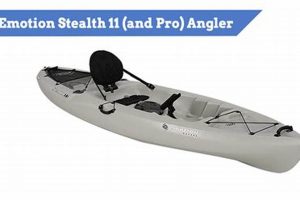
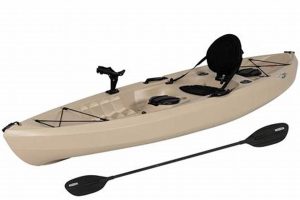
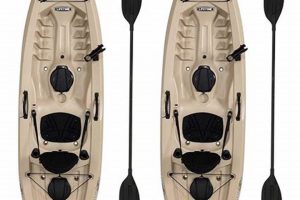
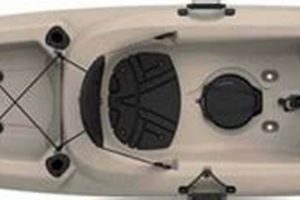
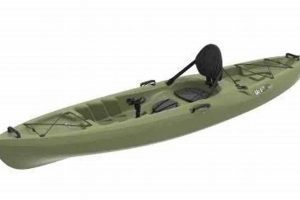
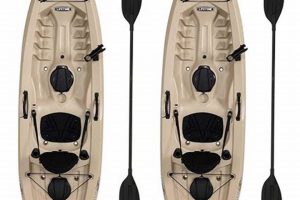
A small, human-powered watercraft designed specifically for the sport of angling provides stability and specialized features for casting lines, storing tackle, and navigating waterways effectively. These vessels often include rod holders, storage compartments, and anchor systems, facilitating a comfortable and efficient fishing experience.
This specialized equipment offers significant advantages to the sport fisherman. Its compact size allows access to shallow waters and secluded fishing spots often unreachable by larger boats. Enhanced stability and maneuverability provide a comfortable platform for casting and retrieving lines, increasing the likelihood of a successful catch. Furthermore, the quiet operation minimizes disturbance to fish and their environment, maximizing fishing opportunities. The evolution of these specialized boats reflects a growing understanding of both fishing techniques and the unique demands of aquatic environments.
Subsequent sections will delve into specific types of these specialized watercraft, essential accessories, recommended safety precautions, and popular fishing locations.
Tips for Kayak Fishing
Effective angling from a kayak requires preparation and specialized knowledge. The following tips offer guidance for a safe and productive fishing experience.
Tip 1: Stability is Paramount: Choose a kayak designed for stability, especially in moving water. Wider hulls generally provide better balance. Consider outriggers for added security.
Tip 2: Plan and Prepare: Research fishing locations and weather conditions beforehand. Pack essential safety equipment, including a personal flotation device, a whistle, and a communication device.
Tip 3: Organize Tackle and Gear: Utilize specialized storage solutions within the kayak to keep tackle organized and easily accessible. This minimizes clutter and maximizes fishing time.
Tip 4: Master Paddle Techniques: Efficient paddling conserves energy and allows for precise maneuvering. Practice different strokes for navigating varying water conditions.
Tip 5: Anchor Effectively: Utilize appropriate anchor systems for securing the kayak in desired fishing locations. Consider anchor trolleys for controlled drift fishing.
Tip 6: Respect Wildlife and the Environment: Practice catch-and-release whenever possible. Adhere to local fishing regulations and minimize environmental impact.
Tip 7: Dress Appropriately: Wear clothing suitable for the weather conditions and water temperature. Consider quick-drying fabrics and layers for adaptability.
Tip 8: Practice Casting Techniques: Refine casting techniques specific to kayak fishing, accounting for limited space and movement. Practice accuracy and control to avoid tangles and maximize casting distance.
By adhering to these guidelines, anglers can enhance their kayak fishing experience, ensuring both safety and success on the water. Preparation and thoughtful planning are crucial for maximizing enjoyment and minimizing risks.
The following section will offer concluding thoughts and recommendations for further exploration of this exciting sport.
1. Kayak Selection

Appropriate kayak selection is paramount for a successful and enjoyable fishing experience. The chosen vessel directly impacts stability, maneuverability, and accessibility to fishing locations. Consider factors like hull design, length, and weight capacity when choosing a kayak. Sit-on-top kayaks offer inherent stability and self-bailing capabilities, advantageous in warmer climates and calmer waters. Sit-inside kayaks provide greater protection from the elements and enhanced paddling efficiency, often preferred for colder conditions and longer expeditions. Longer kayaks track straighter and glide more efficiently, while shorter kayaks offer superior maneuverability in tight spaces and rivers. Weight capacity dictates the amount of gear and equipment that can be safely carried. For example, a heavier angler with substantial fishing gear requires a kayak with a higher weight capacity than a lighter angler with minimal equipment.
Specific features further enhance the fishing experience. Rod holders, integrated tackle storage, and anchor systems streamline fishing operations. Paddle holders secure paddles when not in use, freeing hands for fishing activities. Foot-operated rudder systems improve directional control, particularly beneficial in windy conditions or strong currents. The choice between a pedal-driven kayak and a paddle kayak depends on individual preferences and fishing styles. Pedal kayaks allow hands-free fishing and offer greater speed over longer distances, while paddle kayaks provide a quieter approach and often greater maneuverability in shallow water or tight spaces. Selecting the right kayak based on these criteria maximizes comfort, efficiency, and safety on the water.
In summary, careful kayak selection is crucial. Matching kayak features to individual needs, fishing styles, and environmental conditions ensures a productive and enjoyable experience. Understanding the nuances of kayak design and functionality empowers anglers to make informed decisions, optimizing their time on the water and maximizing their chances of angling success.
2. Paddle Proficiency

Effective paddling technique is essential for successful kayak angling. It directly impacts boat control, positioning, and stealth, all crucial factors for maximizing fishing opportunities. Proficiency allows anglers to navigate diverse water conditions, access secluded fishing spots, and maintain optimal positioning for casting and retrieving lines. The following facets explore the components of skilled paddling within the context of fishing from a kayak.
- Forward Stroke:
The forward stroke propels the kayak forward efficiently. A proper forward stroke utilizes core muscles and a full range of motion, maximizing power while minimizing fatigue. This efficient propulsion allows anglers to cover greater distances, explore wider areas, and reach desired fishing locations quickly. For the kayak angler, a smooth, controlled forward stroke minimizes disturbance to the water, reducing the chances of spooking fish.
- Reverse Stroke:
The reverse stroke stops forward momentum and allows for backward movement. This technique is crucial for precise boat control, especially in tight spaces or near structure. In the context of fishing, the reverse stroke enables controlled drifting, maneuvering away from obstacles, and adjusting position for optimal casting angles. Mastering this stroke provides enhanced control over the kayak’s position, critical for accurate lure presentation and effective hooksets.
- Sweep Stroke:
Sweep strokes turn the kayak efficiently. Forward and reverse sweep strokes pivot the kayak left or right, enabling precise maneuvering and quick changes in direction. This maneuverability is essential for navigating around obstacles, following contours of the shoreline, and positioning the kayak for ideal casting angles. Efficient turning minimizes disturbance in the water, crucial for maintaining a stealthy approach and avoiding startling fish.
- Draw Stroke:
The draw stroke moves the kayak sideways. This technique is invaluable for precise positioning near structure, holding steady in currents, and adjusting the kayak’s angle without changing forward momentum. For the angler, this subtle lateral movement provides the finesse needed to approach fish discreetly and maintain an optimal casting position relative to cover or structure. The draw stroke facilitates a stealthy approach, increasing chances of a successful catch.
Mastery of these paddling techniques significantly enhances the kayak angling experience. Efficient and controlled paddling allows for precise boat control, maximizes access to fishing locations, and minimizes disturbance to the aquatic environment. These combined factors contribute to a more productive and enjoyable fishing experience. Refining these skills allows anglers to focus more on the art of fishing and less on battling their vessel, resulting in increased success and a deeper connection with the sport.
3. Safety Equipment
Safety equipment is paramount for kayak angling, forming an inseparable component of responsible practice. The inherent risks associated with on-water activities necessitate careful consideration and utilization of appropriate safety gear. Neglecting these precautions can lead to severe consequences, transforming a recreational outing into a life-threatening situation. A primary concern is the potential for capsizing, particularly in unpredictable conditions. A personal flotation device (PFD) becomes crucial in such events, ensuring buoyancy and preventing drowning. Real-life examples abound, illustrating the critical role of PFDs in averting tragedy. Furthermore, communication devices, such as whistles or VHF radios, enable signaling for assistance in emergencies. A readily accessible first-aid kit allows for immediate response to minor injuries, preventing escalation to more serious medical concerns.
Beyond these fundamental safety measures, additional equipment enhances preparedness. A bilge pump aids in removing water from the kayak in the event of flooding or capsizing, contributing to stability and preventing submersion. Navigation lights, especially crucial during low-light conditions or nighttime fishing, enhance visibility, reducing the risk of collisions with other vessels. A paddle leash prevents paddle loss in the event of a capsize, ensuring continued maneuverability and self-rescue. Carrying a dry bag containing essential items like a cell phone, spare clothes, and signaling devices further contributes to overall safety and preparedness. These precautions are not merely recommendations but essential components of responsible kayak angling, demonstrating a commitment to personal safety and the well-being of fellow anglers.
In summary, prioritizing safety equipment is non-negotiable for kayak anglers. The inherent risks of the sport demand meticulous attention to safety protocols. Understanding the potential hazards and consistently utilizing appropriate safety gear ensures a responsible and enjoyable experience, mitigating risks and promoting a culture of safety on the water. Failing to acknowledge these critical aspects not only jeopardizes individual safety but also undermines the overall integrity of the sport.
4. Tackle Organization
Efficient tackle organization is crucial for successful kayak angling. Limited space and the dynamic nature of the sport necessitate a systematic approach to tackle management. A well-organized system maximizes fishing time by ensuring quick access to necessary equipment while minimizing clutter and distractions. This streamlined approach allows anglers to focus on the task at hand, optimizing fishing efficiency and enhancing the overall experience.
- Accessibility:
readily accessible tackle is paramount. Frequently used items, such as lures, hooks, and weights, should be stored within easy reach, minimizing disruptions during critical moments. Designated compartments or readily accessible tackle boxes streamline lure changes and rigging adjustments, maximizing fishing time. For instance, an angler targeting bass might keep topwater lures in a readily accessible compartment while storing less frequently used jigs in a separate location. This strategic organization ensures smooth transitions between fishing techniques and maximizes responsiveness to changing fish behavior.
- Space Optimization:
Kayaks offer limited storage, necessitating efficient space utilization. Compact tackle boxes and specialized storage solutions maximize available space while keeping essential gear organized. For example, utilizing waterproof bags or cases protects sensitive electronics and documents from water damage, while specialized tackle trays efficiently organize lures and prevent tangling. Efficient space utilization ensures that essential gear remains readily accessible without compromising stability or maneuverability.
- Tackle Selection:
A curated tackle selection tailored to target species and anticipated fishing conditions streamlines organization. Carrying only necessary items minimizes clutter and simplifies decision-making during critical moments. For instance, an angler targeting trout in a mountain stream would pack a different assortment of lures and tackle than an angler fishing for redfish in a saltwater marsh. This focused approach reduces decision fatigue and allows anglers to react quickly to changing fishing conditions.
- Safety Considerations:
Proper tackle organization contributes to overall safety. Securing sharp hooks and ensuring that heavy items are stowed securely prevents injuries and maintains kayak stability. Loose tackle rolling around the kayak’s deck can create tripping hazards or interfere with paddling, compromising safety. A well-organized system minimizes these risks, ensuring a safe and enjoyable fishing experience. For example, storing knives and pliers in designated sheaths and securing tackle boxes within the kayak’s storage compartments prevents accidents and ensures safe operation of the vessel.
In conclusion, effective tackle organization is an integral component of successful kayak angling. A well-organized system optimizes fishing time, enhances safety, and contributes to a more enjoyable experience. By prioritizing accessibility, space optimization, tackle selection, and safety considerations, anglers can maximize their efficiency and focus on the art of fishing, transforming a potentially chaotic experience into a seamless and rewarding pursuit. This meticulous approach not only increases the likelihood of a successful catch but also elevates the overall enjoyment and appreciation of the sport.
5. Fishing Techniques

Specific fishing techniques enhance success when angling from a kayak. The inherent advantages and limitations of kayak fishing influence technique selection and execution. Kayaks grant access to shallow, secluded areas often unreachable by larger vessels, favoring techniques like sight fishing and flipping or pitching lures into tight cover. Conversely, the limited space and stability of a kayak influence techniques like trolling or fighting larger fish. Adapting techniques to the kayak environment is crucial. For example, casting techniques often require modifications due to limited space and the need to maintain balance. A shorter, more compact rod and a sidearm or underhand cast might be necessary. Similarly, fighting a large fish from a kayak necessitates specialized techniques, including rod manipulation and boat positioning, to avoid capsizing or line breakage. Practical examples include using the kayak’s maneuverability to steer a hooked fish away from obstacles or employing a sea anchor to maintain position in strong currents while battling a fish.
Furthermore, kayak angling necessitates careful consideration of fish behavior and habitat. Understanding how target species relate to specific structures and environmental conditions dictates technique selection. In shallow, weedy areas, weedless lures and topwater presentations might prove effective. In deeper water, techniques like vertical jigging or drop-shotting become more suitable. Adapting to changing conditions, like shifts in wind or current, also influences technique. For instance, a drift-fishing technique might be employed to cover a larger area when wind conditions are favorable. Conversely, anchoring and targeting specific structure becomes advantageous in calmer conditions. Real-life examples include adjusting lure retrieval speed based on water temperature or using a specific retrieve pattern to mimic the movement of local prey species. These adaptations increase the likelihood of enticing a strike.
In summary, successful kayak angling relies heavily on adapting fishing techniques to the unique characteristics of the platform and the specific fishing environment. Understanding the interplay between kayak limitations and possibilities, fish behavior, and environmental conditions enhances angling success. Adaptability and a nuanced approach to technique selection distinguish the proficient kayak angler, maximizing opportunities for a rewarding fishing experience. Challenges include mastering specialized casting techniques suitable for the limited space and maintaining balance while fighting strong fish. These challenges, however, contribute to the rewarding nature of kayak angling, demanding skill and precision for consistent success.
6. Location Scouting

Effective location scouting is a critical precursor to successful kayak angling. Unlike shore-based fishing or angling from larger boats, kayak fishing necessitates careful consideration of accessibility, launch points, and the unique opportunities and challenges presented by specific waterways. Thorough pre-fishing reconnaissance maximizes fishing time and increases the likelihood of encountering target species. This preparatory phase involves research, observation, and strategic planning, transforming a potentially unproductive outing into a targeted and rewarding angling experience. Understanding the interplay between location characteristics and kayak capabilities is essential for maximizing success.
- Water Access & Launch Points:
Kayak anglers rely on accessible launch points suitable for smaller craft. Unlike larger boats with dedicated ramps, kayaks can be launched from various locations, including small beaches, riverbanks, or even roadside access points. However, identifying suitable launch sites requires careful consideration of water depth, currents, and potential obstacles. For example, a steep, rocky shoreline presents challenges for kayak launching, while a gently sloping sandy beach offers a more convenient entry point. Real-life scenarios might involve scouting potential launch sites using online maps, satellite imagery, or even visiting locations in advance to assess suitability. This proactive approach ensures a smooth and safe launch, setting the stage for a productive fishing trip.
- Target Species Habitat:
Understanding the habitat preferences of target species is fundamental to effective location scouting. Different fish species gravitate towards specific structures, water depths, and vegetation types. For instance, bass often inhabit areas with submerged logs, overhanging vegetation, or rocky drop-offs. Trout, conversely, prefer cooler, oxygenated water often found in streams and rivers with riffles and pools. Researching the preferred habitat of target species informs location choices, increasing the likelihood of encountering fish. Real-world examples include using bathymetric maps to identify underwater structures likely to hold fish or observing vegetation patterns to locate areas favored by specific species. This targeted approach minimizes time spent searching unproductive water and maximizes opportunities for successful angling.
- Water Conditions & Currents:
Water conditions significantly influence kayak angling success. Factors like water temperature, clarity, and current strength impact fish behavior and dictate suitable fishing techniques. Strong currents, while potentially challenging for kayak navigation, often concentrate baitfish and attract larger predatory species. Conversely, calmer waters might necessitate a stealthier approach and different lure presentations. For example, a kayak angler targeting striped bass in a tidal river would consider the direction and strength of the current when selecting a fishing location and technique. Similarly, understanding water temperature fluctuations can inform decisions about fishing depth and lure selection. Real-life examples include using online resources to monitor water temperature and flow rates or observing water clarity and surface conditions at the chosen location. Adapting to prevailing water conditions is essential for maximizing success.
- Regulations & Access Restrictions:
Understanding local fishing regulations and access restrictions is essential for responsible kayak angling. Certain areas might have specific fishing seasons, size limits, or catch-and-release regulations. Additionally, some waterways might have access restrictions or permit requirements. Researching these regulations beforehand ensures compliance and avoids potential legal issues. Real-world examples include consulting local fishing regulations online, contacting local authorities, or checking for signage at access points. Respecting these regulations contributes to sustainable fisheries management and ensures continued access to fishing resources. Ignoring these rules not only undermines conservation efforts but also carries potential legal consequences.
In conclusion, effective location scouting is an integral part of successful kayak angling. By considering factors like water access, target species habitat, water conditions, and regulations, kayak anglers can maximize their chances of a productive and enjoyable fishing experience. Thorough pre-fishing reconnaissance transforms an otherwise uncertain endeavor into a targeted pursuit, increasing the likelihood of encountering fish and enhancing the overall reward of the sport. This deliberate approach underscores the importance of preparation and strategic planning in maximizing the unique advantages offered by kayak fishing.
7. Environmental Awareness

Environmental awareness is paramount for responsible kayak angling. The intimate interaction with aquatic ecosystems necessitates a mindful approach to minimize impact and preserve these fragile environments. Sustainable fishing practices ensure the longevity of the sport and the health of aquatic resources for future generations. Ignoring environmental considerations not only degrades the natural world but also undermines the long-term viability of kayak fishing itself. This section explores key facets of environmental awareness within the context of kayak angling, highlighting the angler’s role as a steward of the environment.
- Minimize Disturbance:
Kayaks offer a quiet, non-intrusive approach to fishing, minimizing disturbance to aquatic life and their habitats. However, careless paddling or excessive noise can still negatively impact wildlife. Approaching fish stealthily, avoiding sudden movements, and minimizing engine noise (if using a motorized kayak) are crucial for preserving the natural balance. Real-life examples include paddling slowly and smoothly through shallow areas to avoid spooking fish or refraining from using loud music that could disrupt wildlife. These conscious efforts minimize stress on aquatic organisms and maintain the integrity of the ecosystem.
- Proper Waste Disposal:
Responsible waste disposal is fundamental to environmental stewardship. Discarded fishing line, hooks, and other debris pose significant threats to aquatic life, often leading to entanglement, ingestion, or habitat degradation. Carrying a dedicated trash bag and retrieving all fishing-related waste, including discarded line or broken tackle, prevents pollution and protects wildlife. Real-world examples include retrieving discarded fishing line entangled in vegetation or collecting stray hooks left on the shoreline. These actions prevent harm to wildlife and maintain the aesthetic integrity of natural environments.
- Respect Wildlife & Habitats:
Respecting wildlife and their habitats is crucial for ecosystem health. Avoiding sensitive areas, such as nesting sites or spawning grounds, during critical periods minimizes disturbance to vulnerable populations. Practicing catch-and-release fishing, handling fish gently, and minimizing air exposure during the release process reduces stress on fish populations and promotes their long-term survival. Real-life examples include avoiding shallow, vegetated areas during fish spawning seasons or using barbless hooks to minimize injury during catch-and-release fishing. These mindful practices demonstrate respect for the natural world and contribute to the conservation of aquatic biodiversity.
- Invasive Species Awareness:
Awareness of invasive species and their potential impact on aquatic ecosystems is crucial. Invasive species, often introduced through human activities, can outcompete native organisms, disrupt food webs, and degrade habitat quality. Cleaning kayaks thoroughly after each fishing trip, particularly when moving between different bodies of water, prevents the spread of invasive plants and animals. Inspecting gear and removing any attached vegetation or organisms before entering a new waterway further mitigates the risk of introducing invasive species. Real-world examples include cleaning kayak hulls and paddles to remove any attached zebra mussels or inspecting fishing gear for fragments of invasive aquatic plants. These preventative measures protect native ecosystems and help maintain their ecological integrity.
In conclusion, environmental awareness is an integral part of responsible kayak angling. By minimizing disturbance, practicing proper waste disposal, respecting wildlife and their habitats, and being mindful of invasive species, kayak anglers contribute to the conservation of aquatic environments. These practices are not merely ethical considerations but essential components of ensuring the long-term health and sustainability of the sport. Embracing environmental stewardship ensures that future generations can continue to enjoy the unique rewards of kayak fishing in healthy, thriving ecosystems. This commitment to conservation elevates the sport beyond mere recreation, transforming kayak anglers into active participants in environmental preservation.
Frequently Asked Questions
This section addresses common inquiries regarding specialized small watercraft angling, providing concise and informative responses to clarify potential uncertainties.
Question 1: What are the primary advantages of fishing from a kayak?
Key advantages include access to shallow or otherwise inaccessible fishing locations, enhanced maneuverability, a stealthy approach that minimizes disturbance to fish, and the affordability and ease of transport compared to larger motorized boats. These factors contribute to a unique and rewarding fishing experience.
Question 2: What type of specialized watercraft is best suited for beginners?
Beginners often benefit from wider, more stable sit-on-top models. These designs offer increased stability, simplifying initial learning and enhancing confidence on the water. The inherent self-bailing feature further contributes to safety and ease of use.
Question 3: What essential safety precautions should one take when engaging in this activity?
Wearing a personal flotation device (PFD) is paramount. Additional safety measures include carrying a whistle, a communication device, and a first-aid kit. Checking weather conditions before embarking and informing someone of the intended fishing location and return time are also crucial.
Question 4: How does one effectively organize tackle and gear within the confined space of a kayak?
Utilizing specialized storage solutions designed for these vessels maximizes space efficiency. Tackle boxes, waterproof bags, and gear tracks facilitate organization and ensure readily accessible equipment. Prioritizing essential gear and minimizing unnecessary items further streamlines the experience.
Question 5: What fishing techniques are most effective when employed from these watercraft?
Effective techniques include casting, trolling, jigging, and drift fishing. Technique selection depends on target species, water conditions, and location characteristics. Adapting standard techniques to the unique constraints and advantages of the kayak environment is often necessary.
Question 6: How does one choose an appropriate location for kayak fishing?
Factors to consider include water accessibility, the presence of target species, prevailing water conditions, and local fishing regulations. Researching potential locations beforehand, using maps and online resources, and consulting with local anglers can significantly enhance the likelihood of a successful outing.
Careful consideration of these frequently asked questions enhances preparedness and contributes to a safer, more productive, and enjoyable experience. Prioritizing safety, practicing responsible angling techniques, and respecting the aquatic environment are fundamental principles of successful and sustainable kayak fishing.
The following section will offer concluding thoughts and recommendations for further exploration of this exciting and rewarding pursuit.
Conclusion
Exploration of specialized small watercraft angling reveals multifaceted aspects impacting effectiveness and enjoyment. Appropriate vessel selection, informed by individual needs and fishing styles, is paramount. Proficiency in paddling techniques enhances maneuverability and access to prime fishing locations. Prioritizing safety equipment and adhering to responsible practices mitigate inherent risks associated with on-water activities. Efficient tackle organization maximizes fishing time and minimizes distractions within the limited space of the watercraft. Adapting fishing techniques to the unique characteristics of kayak angling and specific environmental conditions further enhances success. Thorough location scouting, informed by target species habitat and prevailing water conditions, optimizes fishing opportunities. Cultivating environmental awareness and adhering to sustainable fishing practices preserve aquatic ecosystems for future generations.
The evolution of specialized small watercraft angling reflects a growing synergy between human ingenuity and a deep appreciation for the aquatic world. Continued exploration of innovative design, refined techniques, and responsible practices promises an enriching future for this dynamic and rewarding pursuit. The confluence of angler, environment, and specialized equipment offers a unique pathway to connect with nature and experience the profound rewards of angling.